

We may earn a commission when you buy through links on this page, at no extra cost to you. Learn more.
How to pronounce Rioja: say ree-OH-hah, with the stress on the middle syllable. The Spanish “j” is a soft, breathy sound made at the back of the throat, similar to the “ch” in the Scottish word “loch” but gentler. English speakers can say “hah” with a light breath and still be understood in any wine shop.
Rioja is one of the most recognized names in Spanish wine, and it is also one of the easiest to mispronounce. The letters look like English, so many people say “ree-OH-juh” without thinking about it. The Spanish sound is different, and once you hear the “j” correctly, the name becomes much more natural. This guide explains the everyday English pronunciation, the Spanish sound behind it, and a few tips for saying the name with confidence.
The short answer for English speakers
The respelling most English speakers can use easily is ree-OH-hah. Start with a light “ree,” stress the “OH,” and finish with a soft “hah” where the “j” sounds like a gentle breath. The final vowel is open and short, not a drawn-out “ah.” The rhythm is steady, with the emphasis in the middle of the word.
In everyday conversation, this version works well. A sommelier or a store clerk will recognize it quickly. The most important point is not to put the stress on the first syllable and not to use a hard English “j,” because both make the word sound like a different name.
The Spanish sound behind the name
In Spanish, the “j” in Rioja is a fricative sound produced at the back of the throat. It is not the English “j” as in “jump.” It is closer to a soft “h” with friction, and it is pronounced with a little more force than a simple English “h.” The official Rioja wine website describes the region’s wine categories and its three production areas, but it does not state how the name is pronounced, so the sound guide here comes from the Spanish spelling itself.
The Wikipedia entry on Rioja gives the Spanish pronunciation in IPA as [ˈrjoxa]. The first sound is a “ree” that glides into an “oh,” and the final sound is the breathy “ha” that gives the name its character. If you keep the “j” soft and relaxed, the word flows smoothly. Pushing the sound too hard can make it harsh, so a light breath is usually enough.
Where the name comes from
Rioja is a Spanish wine region in the north of the country. It spans parts of La Rioja, Navarre, and the Basque province of Álava, and it is widely known for red wines that are mostly made from Tempranillo. The wine council describes the region as having three production areas, Rioja Alta, Rioja Alavesa, and Rioja Oriental, and it notes more than 66,000 hectares of vineyards and villages across the three areas.
Because the region spans several provinces, the name refers to both a place and a wine style. Labels usually show the Rioja name followed by the producer, the vintage, and the aging category, so the name is the starting point for a much larger decision about which bottle to buy.
Wine styles you will see on the label
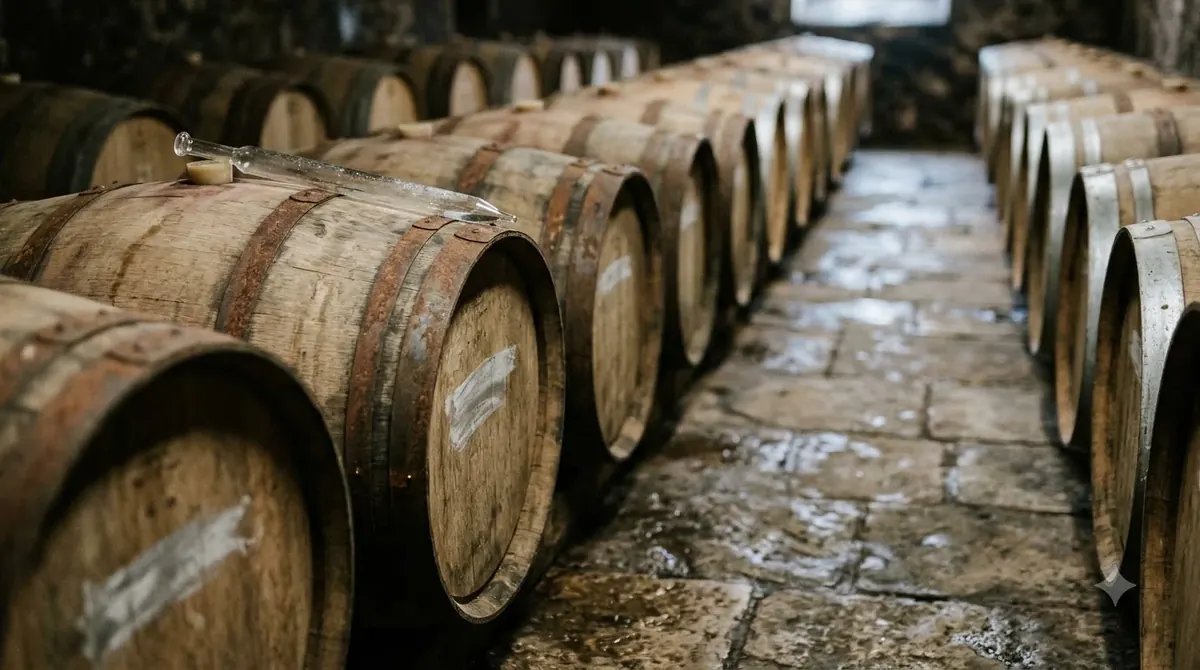
Rioja is best known for red wine, but the region also produces rosé, white, and sparkling styles. The most useful thing to know about red Rioja is the aging categories that appear on the label. Crianza is the simplest, with at least two years of combined time in oak and bottle, including at least one year in barrel. Reserva needs at least 36 months of combined aging, with a minimum of 12 months in oak. Gran Reserva is the most aged category, with at least 24 months in barrel followed by at least 36 months in bottle.
These categories explain much of the difference you taste. A crianza is usually fresh and fruity, while a gran reserva tends to be softer, more savory, and more layered. Knowing the category lets you choose a bottle without guessing from the name alone.
| Part of the name | English respelling | Sound and stress note |
|---|---|---|
| Ri | ree | Light, bright vowel |
| o | OH | Stressed; rounded and open |
| ja | hah | Soft breathy “j” sound, not the English “j” |
Tip: If the breathy “j” feels awkward, say a gentle “h” instead. Most people will still understand the name, and it sounds natural in conversation.
Grapes and the Tempranillo core
Tempranillo is the dominant red grape in Rioja. The Wikipedia article on Rioja reports that Tempranillo makes up about 87.67 percent of the red grape plantings, which is why the name is so closely tied to this variety. Other red grapes, such as Garnacha, Graciano, and Mazuelo, appear in smaller amounts and add different layers to the blend. White Rioja is often based on Viura, with other white varieties used in smaller shares.
The grape story helps explain why Rioja tastes the way it does. Tempranillo gives red fruit, structure, and a savory edge, and the oak used during aging adds notes of vanilla, spice, and toast. Knowing the grape makes it easier to choose a style you enjoy.
Practice the name with related Spanish wine words
Spanish wine names share some patterns with Rioja, including the soft “h” sound in several words. Sherry styles such as amontillado have a different rhythm but also reward careful practice. Practicing both names side by side helps you hear how the stress falls in Spanish words.
Start by saying Rioja slowly, then speed it up in a sentence such as “A bottle of Rioja would work with this dinner.” Repeat it a few times and notice how the middle syllable carries the emphasis. For more practice with other wine names, guides on how to pronounce amontillado, how to pronounce beaujolais, and how to pronounce catawba cover different pronunciation patterns.
Common mistakes to avoid
The most common mistake is to say “ree-OH-juh” with a hard English “j.” The sound is softer in Spanish, and the English version makes the word sound out of place. A second mistake is to stress the first syllable, which turns the name into something that sounds like “REE-oh-hah” and loses the Spanish rhythm. A third is to drop the final vowel entirely, which can make the name feel clipped.
Avoid over-correcting, too. Some people try so hard to produce a perfect Spanish sound that the name becomes strained. A clear, relaxed version is always better than a forced imitation, and most wine staff will understand you right away.
Frequently Asked Questions
How do you pronounce Rioja in English?
Most English speakers say ree-OH-hah, with the stress on the middle syllable and a soft, breathy “h” sound in place of the Spanish “j.” The name is easy to use in conversation and widely understood.
Is Rioja a grape or a region?
Rioja is a wine region in Spain, and the wines made there are commonly called Rioja. The main red grape is Tempranillo, but the name refers to the region and its wines, not to a single grape.
What does crianza mean on a Rioja label?
Crianza is an aging category for red Rioja. It requires at least two years of combined oak and bottle aging, including at least one year in barrel. It is usually fresh and fruity compared with reserva or gran reserva.
What grape is Rioja made from?
Red Rioja is mostly made from Tempranillo, which the Wikipedia article reports as about 87.67 percent of the red grape plantings. Garnacha, Graciano, and Mazuelo are also used in smaller amounts, and white Rioja is often based on Viura.
Saying Rioja with confidence comes down to the stress in the middle and a soft, breathy “h” in place of the Spanish “j.” Use ree-OH-hah in everyday conversation, and listen to Spanish speakers when you have the chance. Once you know the word and the category system on the label, choosing a bottle becomes much easier.
More in Wine Types & Grapes
 Zinfandel Sugar Content: Dry Red vs. White Zinfandel GramsUpdated Nov 21, 2026
 Best Zinfandel Substitute Options for Sipping and CookingUpdated Nov 21, 2026
 Zweigelt Food Pairing: Best Dishes, Cheeses, and Serving TipsUpdated Nov 21, 2026
 Zinfandel Tannins Explained: How Structure Shapes Every BottleUpdated Nov 21, 2026
 Zinfandel Sweetness Level: Dry Red vs. Sweet White Zin ExplainedUpdated Nov 21, 2026
 Xinomavro Food Pairing: Best Dishes, Styles, and Serving TipsUpdated Nov 21, 2026