


We may earn a commission when you buy through links on this page, at no extra cost to you. Learn more.
How to pronounce malbec? Say it mal-BEK, with the stress on the second syllable, and the final “c” sounds like a hard “k.” Wine Folly gives the phonetic spelling “mal-bek” for the grape. Argentine and American wine lovers use the same sound, so you will be understood in almost any wine shop or restaurant.
Malbec is one of the most recognizable red grapes in the world, and it is also one of the most frequently mispronounced. Many people read the spelling as a French word and try to make it sound elegant, while others flatten it into something closer to “mal-beck” with an accent they did not intend. This guide gives the common sound, explains the small differences you may hear, and shows how to order a Malbec without stumbling.
The basic sound
The easiest version to remember is mal-BEK. The first syllable is short and light, the second carries the stress, and the final consonant is a clear “k.” Avoid adding a long “ah” to the first syllable, which is the most common mistake in English conversation. The “al” in the middle sounds more like “al” in “alpha” than like “ahl.”
Malbec also has a French name, Côt, which many older wine references still use. the Wine Folly grape guide to Malbec notes that the French name Côt is pronounced like “coat,” which is a useful reminder that the grape’s history is tied to southwestern France before it became famous in Argentina. Knowing the French name helps when you read older labels or travel to wine regions where the grape is grown under a different name.
Tip: Say the word once at a normal speed, then say it again more slowly. If you can say “mal” and “bek” clearly as two beats, you already have the pronunciation people will recognize.
Where the grape comes from
The grape came to the world from France, and it is still an important variety in the country’s southwest. Its most famous home today is Argentina, where it is the most widely planted grape. Wine Folly describes Malbec as Argentina’s most important planted grape variety, and it notes that the vine was first planted in Mendoza in 1868 by the French botanist Michel Pouget.
That history explains why Argentine Malbec is so familiar to drinkers now. The high-altitude vineyards of Mendoza give the wines a particular combination of ripe fruit and firm structure. Malbec grown elsewhere, including in other parts of South America and North America, can taste quite different, so the region on the label is a helpful guide to style.
What the wine tastes like
Malbec is usually dry and full-bodied, with medium tannins and medium-low acidity. Wine Folly lists red plum, blackberry, vanilla, sweet tobacco and cocoa among its typical flavors. That combination makes Malbec feel generous without being sweet, which is why it works well with grilled meat and rich dishes.
Because the wine is soft in acidity, it can taste heavier than a lean Pinot Noir, even at a similar alcohol level. Younger, fruit-forward bottles tend to be juicy and easy to drink, while older or oak-aged examples show more spice, leather and dried fruit. If you are unsure which style you want, ask for a short description of the bottle before you order.
| Word or name | How to say it | Notes |
|---|---|---|
| Malbec | mal-BEK | The final “c” is a hard “k” |
| Côt | coat | The French name for the same grape |
| Mendoza | men-DOH-sah | The Argentine region where the vine was first planted in 1868 |
| Bordeaux | bor-DOH | A French wine region where Malbec is still grown |
The table lists a few related names you may hear in the same conversation. Once you have practiced the Malbec sound, the others are easy to add. For a related guide on French-style names, see how to pronounce madeira, which follows a similar pattern of short vowels and clear consonants.
How to serve Malbec
Serve Malbec at a cool room temperature rather than warm. Wine Folly recommends about 60 to 68°F (15 to 20°C), which lets the fruit and spice show without making the wine feel heavy or hot. A universal, medium-sized glass gives the aromas enough room to develop.
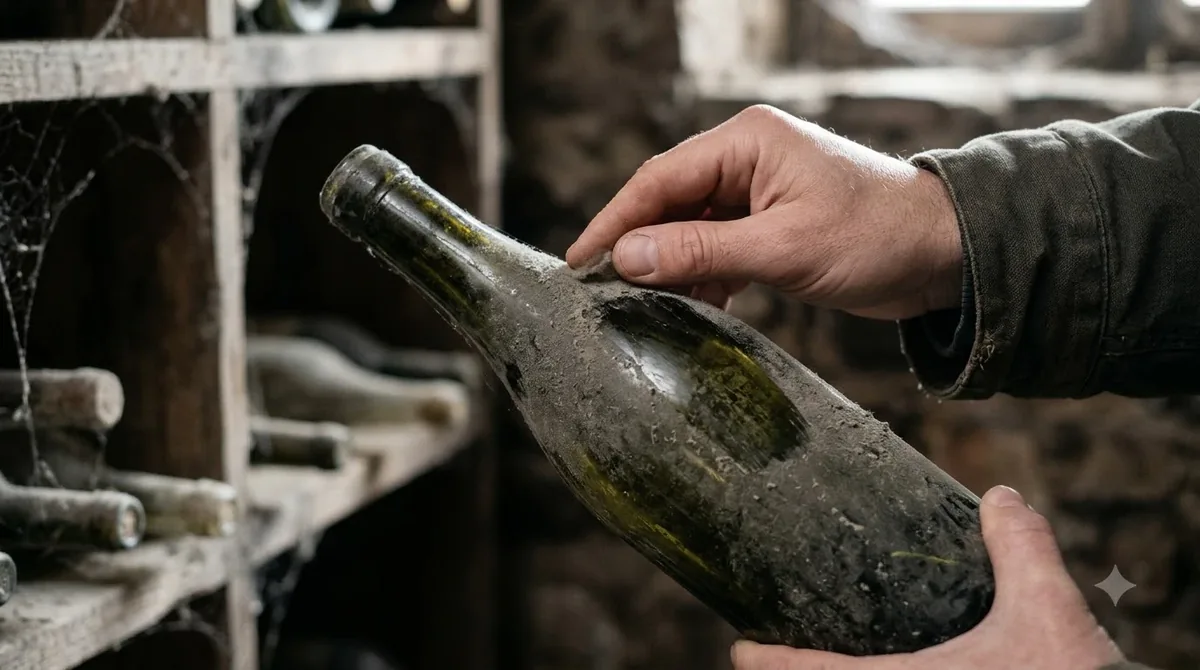
Decanting helps younger bottles open up. Wine Folly suggests decanting Malbec for about 30 minutes before serving, which softens the tannins and brings out the perfume. Older bottles usually need less time, and very old wines can be fragile, so pour them with care.
Food pairing with Malbec
Malbec pairs naturally with grilled beef, lamb, roasted vegetables and hearty stews. Its tannins cut through fat, and its ripe fruit complements smoky flavors. Wine Folly points out that Malbec does wonders with melted blue cheese, which makes it a memorable match for a cheese course.
For a lighter meal, choose a fresher Malbec with less oak and serve it with roast chicken, pork or grilled sausages. The fruit remains the focus, and the wine stays friendly with a range of everyday dishes. Avoid very delicate fish, which can be overwhelmed by the wine’s body and tannin.
Why the name stays easy once you practice
Malbec is a short word with only two syllables, so most of the difficulty comes from confidence rather than length. Once you have decided on a stress pattern, you can use it in every sentence without thinking about it. Many wine drinkers find that saying the name aloud a few times before going out helps them relax at the table, especially if they are ordering in front of others.
The name also makes a good starting point for learning other varietal names. The same habit of stressing the second syllable and keeping the final consonant clear works for many grapes with similar spelling patterns. Once you are comfortable with Malbec, the next names on a wine list feel far less intimidating.
Common mistakes when saying Malbec
The most frequent slip is to pronounce the “al” with a long “ah” sound, which makes the word sound like a different name. The second most frequent is to soften the final consonant so that the word ends on a vowel. Keep the “k” crisp and clear, and the word will be easy for servers and shop staff to understand.
Another common issue is a stress shift. Some people put the emphasis on the first syllable, which gives the word a sing-song rhythm. Keep the stress on the second syllable, and the pronunciation will sound natural even if your accent is different from an Argentine speaker’s.
Frequently Asked Questions
How do you say malbec in English?
The most common English pronunciation is mal-BEK, with stress on the second syllable and a clear “k” at the end. Wine Folly gives the phonetic spelling “mal-bek.”
Is the French name for Malbec different?
Yes. In France the grape is often called Côt, which Wine Folly notes is pronounced like “coat.” It is the same grape, and the name appears on some older labels and in southwestern French wine regions.
Is Malbec a dry or sweet wine?
Malbec is normally dry. It is full-bodied with medium tannins and medium-low acidity, and it often shows red plum, blackberry and cocoa flavors.
Should Malbec be decanted?
Younger Malbec benefits from about 30 minutes in a decanter, according to Wine Folly. Older bottles usually need less time and should be poured gently to avoid disturbing sediment.
Malbec is an easy wine to enjoy once you know how to say it. Practice the sound, then focus on finding a style you like. For more guides on wine names and types, browse wine by type, and see how to say how to pronounce st croix for another name that often catches people out.
More in Wine Types & Grapes
 Zinfandel Sugar Content: Dry Red vs. White Zinfandel GramsUpdated Nov 21, 2026
 Best Zinfandel Substitute Options for Sipping and CookingUpdated Nov 21, 2026
 Zweigelt Food Pairing: Best Dishes, Cheeses, and Serving TipsUpdated Nov 21, 2026
 Zinfandel Tannins Explained: How Structure Shapes Every BottleUpdated Nov 21, 2026
 Zinfandel Sweetness Level: Dry Red vs. Sweet White Zin ExplainedUpdated Nov 21, 2026
 Xinomavro Food Pairing: Best Dishes, Styles, and Serving TipsUpdated Nov 21, 2026