

We may earn a commission when you buy through links on this page, at no extra cost to you. Learn more.
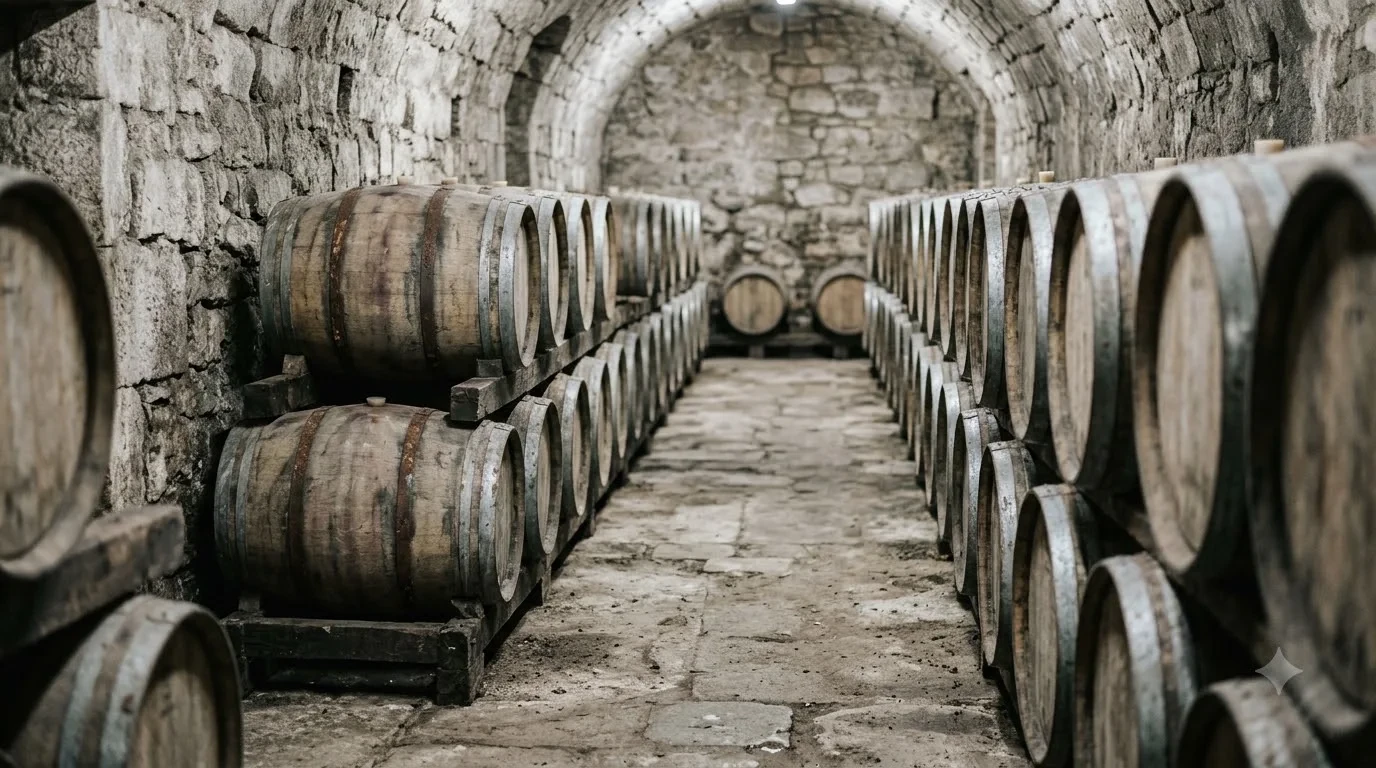
The best way to approach how to design a wine cellar is to build a stable, dark, insulated space first, then size the cooling system and racks to the collection. Aim for a steady storage temperature near 55°F, controlled humidity, limited light, and bottle supports that keep cork-finished wines on their sides. Good planning also leaves room for new purchases, safe access, and maintenance.
A successful home cellar does not have to resemble a stone vault or occupy an entire basement. It can be a dedicated room, a conditioned closet, or a carefully planned space beneath a stairway. What matters is whether the enclosure can maintain suitable conditions through seasonal changes and whether the layout protects bottles while making them easy to find.
Define the collection and the cellar’s purpose
Begin with the bottles you intend to store, not with a photograph of a cellar you admire. A space for 40 bottles opened over the next few months has different needs from a collection of 400 bottles intended to mature for 10 years. Capacity, bottle shapes, access frequency, and the proportion of age-worthy wines all affect the design.
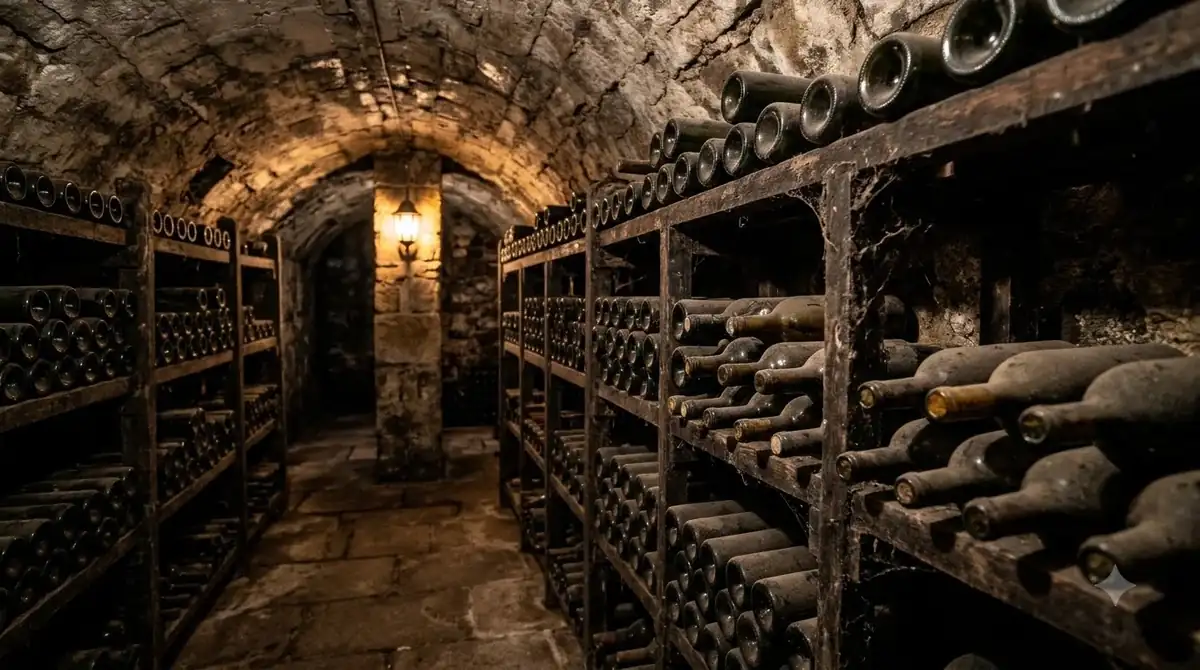
Make an inventory before measuring. Count the bottles you own, estimate annual additions, and separate everyday wines from bottles you expect to hold for several years. For example, 120 bottles plus 30 additions a year becomes 180 bottles after two years; a 20% to 25% planning margin raises the target to roughly 216 to 225 positions.
Plan for different formats, not just standard 750-milliliter bottles. Champagne, sparkling wine, magnums, and some Burgundy-shaped bottles can be wider or taller, so reserve adjustable or larger openings rather than forcing them into narrow cubbies. Leave a few open positions for new arrivals and enough room to remove a bottle without knocking its neighbors.
Decide whether the cellar is mainly for long-term storage, daily selection, or both. A display wall can look striking, but a large glass front creates more heat gain and light exposure than a solid insulated wall. If the collection is modest, a closet conversion may meet the brief; see this practical guide on how to make a wine cellar in a closet before taking space from a larger room. If the collection is valuable or intended to age for a long time, prioritize storage performance over display.
Choose a location that can stay stable
The best location is naturally cool, away from direct sunlight, plumbing risks, strong odors, and machinery that creates heat or vibration. A basement is often a useful starting point, but it is not automatically a cellar: seasonal temperature and humidity changes can make an unfinished basement unsuitable for wine.
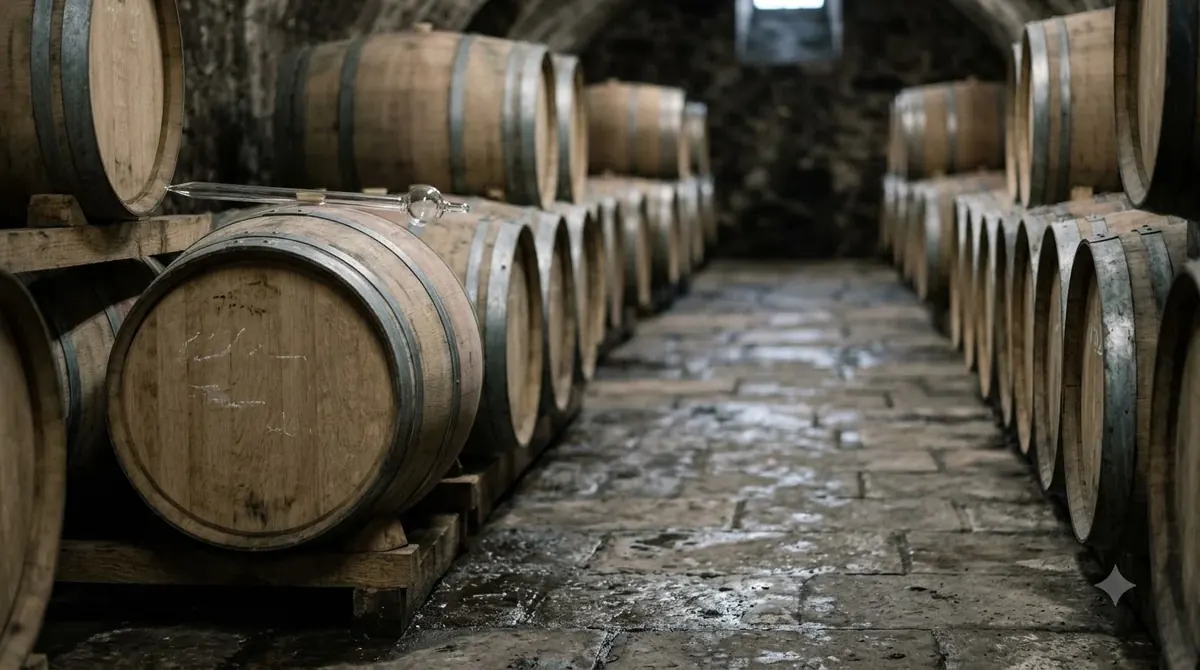
Measure the room over several weeks, ideally during warm and cool weather. Record temperature and relative humidity at different times of day, and note nearby equipment cycles. Wine Enthusiast’s basement wine cellar guide cautions that a 5°F to 10°F shift can undermine aging conditions; a data logger reveals patterns that a quick thermometer reading misses.
Inspect the surroundings. Avoid walls shared with a hot garage, boiler room, laundry area, or sun-baked exterior unless the build accounts for that heat. Do not place the cellar below a bathroom or beside a supply line without a leak-detection plan. Resolve musty odors and persistent damp before construction; trapped moisture can damage finishes and encourage mold.
A closet beneath a staircase or an interior room may be easier to condition than a large exterior basement room. However, a small space can still overheat if it sits beside a water heater or lacks a route for the cooling system to reject heat. Check access for installation, service, and bottle handling. A contractor should also verify local building requirements, electrical access, and any fire or egress restrictions before a room is enclosed.
Set temperature, humidity, light, and movement targets
Design around steady conditions rather than a low temperature reading. A practical long-term target is approximately 53°F to 55°F, with relative humidity around 60% to 70%. Decanter’s wine-storage specialist identifies 12°C to 13°C and 65% to 70% humidity as suitable cellar conditions; consistency matters more than chasing one exact number.
Use the following targets as a design brief for the room and its monitoring equipment:
| Factor | Planning target | Design implication |
|---|---|---|
| Long-term temperature | 53°F–55°F | Choose a cellar cooling system that can hold a stable set point. |
| Relative humidity | 60%–70% | Monitor moisture and avoid both persistently dry and damp conditions. |
| Light | Dark storage; no direct sun | Use a solid door, shielded lighting, and minimal glass. |
| Bottle position | Horizontal for cork closures | Choose racks that securely support different bottle shapes. |
| Air movement | Gentle, even circulation | Keep supply and return paths clear of racks and stored cases. |
Humidity requires balance: very dry air can dry natural corks, while persistent dampness can encourage mold and damage labels, wood, packaging, and wall finishes. Read Decanter’s advice on wine cellar humidity and temperature for the fine-wine storage rationale. Use a calibrated hygrometer and investigate sustained readings outside the intended range.
Tip: Put a temperature and humidity sensor near the middle of the bottle storage area, not directly beside the cooling unit or door. Add a second sensor near the warmest or dampest corner so you can spot uneven conditions before loading the full collection.
Keep the room dark when nobody is selecting a bottle. Choose low-heat LED fixtures, a timer or occupancy switch, and a door that blocks daylight. Keep bottles away from washers, dryers, pumps, and heavy foot traffic; a cellar should not double as a shortcut or general storage closet.
Build an insulated, sealed enclosure
Once the location is settled, treat the cellar as a small conditioned room. Insulation, air sealing, moisture control, a suitable door, and a floor that tolerates cellar conditions work together; a powerful cooling unit cannot compensate for a leaky enclosure.
Insulate the walls and ceiling, and assess the floor if it sits over a warm or unconditioned space. The required insulation depends on local climate, wall exposure, sunlight, and the cooling system. Ask the cellar designer or mechanical contractor to specify the assembly; spray foam, rigid foam, and batt insulation each need a moisture strategy compatible with the building.
A continuous vapor-control layer is especially important in a refrigerated cellar: warm, moisture-laden air can move toward the cold enclosure and condense inside a wall if layers are placed or sealed incorrectly. The design should account for the warm side of the assembly and local climate. Seal seams and penetrations around electrical boxes, pipes, ducts, and cooling lines before the walls are covered.
Use moisture-resistant wall finishes and a floor that tolerates humidity; sealed concrete or tile is more practical than carpet. In a below-grade room, resolve water entry at foundation joints and floor edges before installing racks. The enclosure should protect all four walls, the ceiling, and any floor exposed to an unconditioned space.
Choose doors and glass carefully
Fit an insulated, well-sealed door with weatherstripping on all four edges. A standard interior door with gaps at the jamb can let warm air enter every time the cooling system cycles. If the design calls for a glass door or display panel, specify insulated, sealed glass suitable for the temperature difference and minimize the glazed area. Large glass walls are attractive, but they make climate control harder and can expose bottles to more light.
Plan wiring before insulation and finished surfaces go in. Fixtures, switches, sensors, and outlets create penetrations that must be sealed; place outlets as required by the equipment maker and electrician, away from damp areas and bottle-handling paths.
Select cooling, ventilation, and monitoring
Choose cooling equipment only after the room dimensions and construction details are known. A purpose-built wine cellar system is designed for the lower set point and humidity requirements of wine storage; an ordinary room air conditioner is not a reliable substitute for maintaining a 55°F cellar environment.
Have the installer calculate heat load using room volume, insulation, exterior exposure, glass area, door openings, lights, equipment, and the temperature of the exhaust-receiving space. Two rooms with the same floor area can need different equipment if one has a large glass wall or borders a hot garage. Choosing by square footage alone can lead to long run times or an inability to reach the target.
Know where the system sends its heat. A through-wall unit may reject heat into an adjacent room, while a split system places the condenser elsewhere. The receiving area must disperse that heat; a small closet that traps exhaust can warm up and reduce performance. Provide the required clearances, drainage, and service access.
Keep circulation gentle and consistent. Do not place bottles directly in a concentrated stream of cold air or block return-air paths with tall racks. Position the thermostat where it measures representative cellar conditions, not the cold air at the supply grille.
Before moving wine in, run the system empty for a 24-hour day-and-night cycle. Check temperature and humidity at the top, middle, and bottom, then repeat after loading because bottles change airflow. Test alarms, drainage, door seals, and the response after a normal door opening.
Plan racks, aisles, lighting, and daily access
Racking should fit the bottle mix and the way you select wine. Start with the storage capacity from your inventory, then divide the rack plan into repeatable sections for everyday bottles, long-term bottles, sparkling wine, magnums, and larger formats. Metal and solid wood are durable choices; Wine Enthusiast advises avoiding composite and particle-board racks that may be less dependable in a cellar’s changing moisture conditions.
Use horizontal slots for cork-finished bottles so the wine remains in contact with the cork. Cradles should support the bottle body and prevent rolling. Sparkling bottles and magnums are wider or heavier than many standard still wines, so give them purpose-built openings; secure support matters more than a display angle.
Plan a clear path from the door to the racks. A 30- to 36-inch aisle is a useful residential allowance, though final width should reflect the room, mobility needs, door swing, and local requirements. Avoid deep racks that hide bottles at the back; narrower, labeled sections are easier to manage.
Make the inventory easy to use
Group bottles in a way that matches your habits: by region, grape, drinking window, occasion, or a combination. Keep wines intended for near-term drinking in the most accessible area and reserve less convenient positions for bottles that will remain undisturbed. A simple rack map or digital inventory should record the location, producer, vintage, quantity, and a reminder of when to review the drinking window. The guide to how to organize a wine cellar can help turn that plan into a working system.
Keep tasting tasks separate from bottle storage. Put a small counter or glassware cabinet near the entry, not in front of racks or cooling equipment. Do not store cleaning products, paint, fuel, or scented household supplies in the cellar.
Use shielded LEDs and illuminate only the area in use; a motion sensor or switch outside the room helps prevent lights being left on. Choose matte finishes, readable rack labels, and contrasting shelf markers rather than reflective surfaces.
Frequently Asked Questions
A well-designed cellar holds close to 55°F and 60% to 70% relative humidity, but the best layout depends on the building and collection. These answers cover a few details that are easy to overlook during planning.
Can I store screw-cap bottles upright?
Yes. A screw cap does not depend on wine contact to keep a natural cork moist, so upright storage is generally acceptable for screw-cap bottles. A horizontal slot can still make the bottles easier to stack and identify, but the closure does not require it.
Should sparkling wine have a separate rack?
A separate section is useful because many sparkling bottles are wider and heavier than standard 750-milliliter bottles. Dedicated cradles or wider cubbies reduce the chance of a bottle being wedged into an opening that is too small. The section can share the cellar’s long-term storage temperature.
Can I keep wine in its original cardboard case?
Short-term case storage can be convenient, especially while a new delivery is being inventoried. For longer storage, keep cases clean, dry, and raised off the floor so they do not absorb moisture from a damp slab or minor spill. Do not let cardboard block return-air grilles or conceal a leak.
Does a wine cellar need a floor drain?
Not every residential cellar needs one. A drain can help where the design includes condensate management or the room has a credible water-risk plan, but it must be correctly trapped and installed under local plumbing rules. A drain does not replace foundation waterproofing or a properly routed cooling-system condensate line.
Can I use the cellar as a pantry or storage closet?
Keep food, cleaning supplies, paint, fuel, and scented materials elsewhere. Some pantry goods release strong aromas, and chemicals can introduce odors that linger in a small enclosed room. Reserve the cellar for wine and clean storage accessories so the environment remains predictable.
The most reliable cellar is designed around stable conditions, practical access, and the collection’s real bottle formats—not decoration alone. Before setting a construction budget, compare the room, cooling, enclosure, and racking as one project; this overview of how much does a wine cellar cost can help frame those decisions. For more foundational storage and serving questions, browse Wine Q&A.
More in Wine Basics
 What Is The Best Wine For Mimosas? Choose Bubbly That Balances Orange JuiceUpdated Nov 20, 2026
 Which Prosecco Is Best for Your Taste and OccasionUpdated Nov 20, 2026
 Which Wine Is Best For Health? Understand the Risks and BenefitsUpdated Nov 20, 2026
 Which Champagne Is Best for Your Taste and OccasionUpdated Nov 20, 2026
 What To Put In A Wine Gift Basket For A Thoughtful, Memorable GiftUpdated Nov 20, 2026
 What Is the Best Wine for Mulled Wine? Choose a Smooth, Fruity RedUpdated Nov 20, 2026