

We may earn a commission when you buy through links on this page, at no extra cost to you. Learn more.
For most bottles, how long does wine last unopened comes down to two things: the style of the wine and how it was stored. Structured reds and many sparkling wines can keep for years when conditions are steady, while most everyday whites and light reds are at their best within a few years of release. Storage is the biggest factor you control: a cool, dark, stable spot slows the aging that eventually leads to oxidation.
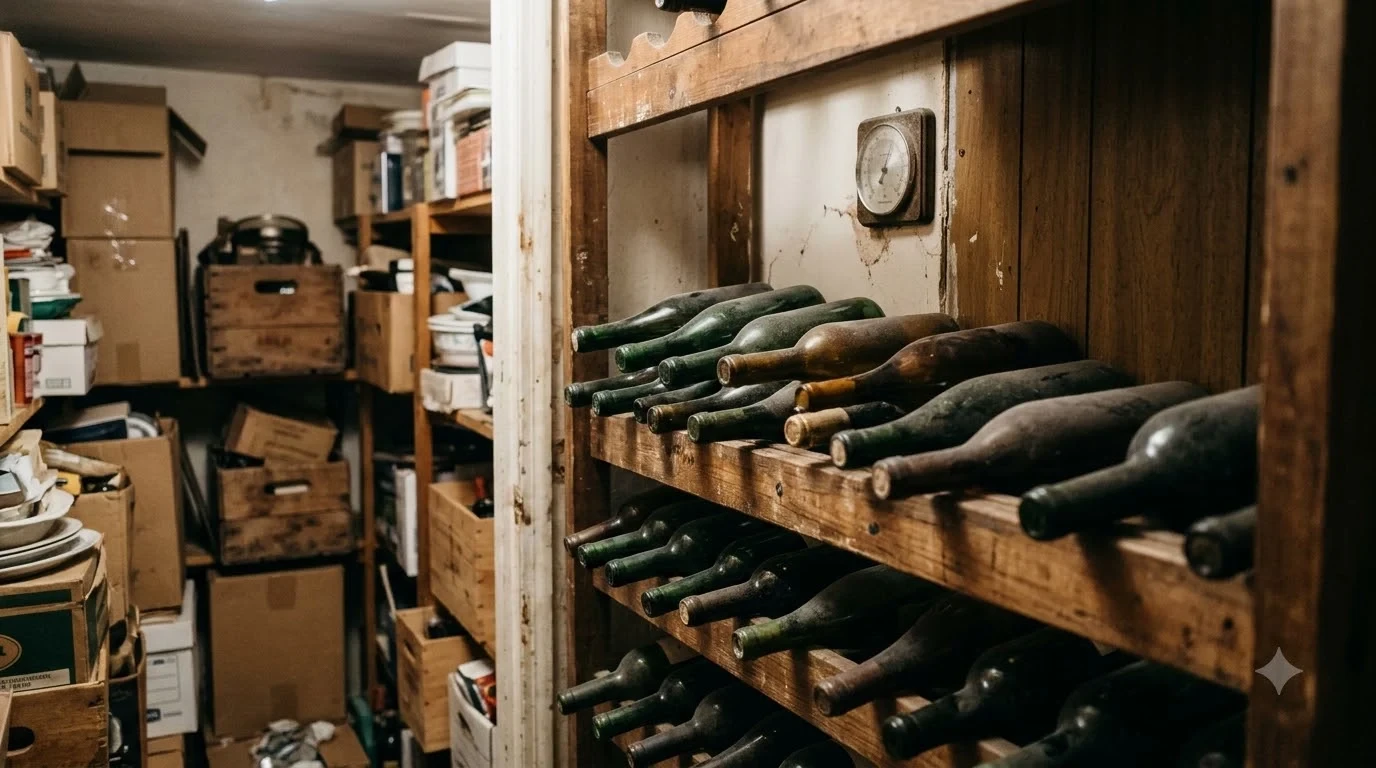
Many people buy a bottle for a future occasion, inherit a few from a relative, or simply forget a bottle in a rack. Knowing whether it is still in good shape starts with understanding what changes an unopened wine over time and which storage habits make the biggest difference.
What changes an unopened bottle
An unopened wine is not frozen in time. Every cork lets in a small amount of air, which means older wines gradually oxidize. The same source notes that temperature swings can speed this process, because a warm-cool cycle can pump air past the cork more quickly than a stable temperature would. Over time, oxidation dulls fresh fruit and can turn a wine’s color and aroma toward something more tired.
Light is the other factor to watch. Wine exposed to strong ultraviolet light can develop a fault known as lightstruck, which gives the aroma an unpleasant, sulfur-like character. The damage is most noticeable in delicate wines, and Champagne is among the most sensitive. Dark bottles block much of the harmful light, which is one reason wines are often sold in green or brown glass.
The role of storage temperature
Temperature matters more than almost any other storage variable. Wikipedia’s article on wine faults describes 13 °C (55 °F) as the generally accepted ideal storage temperature for wine. Keeping bottles near that level slows the chemical changes that come with age, while warmer conditions speed them up.
Heat can do more than speed aging. When a bottle gets hot enough, the liquid expands and can push wine past the cork. Heat-damaged wines often oxidize, and red wines can take on a brick-colored tint that signals the damage. That is why a bottle left in a car or a sunny window deserves special caution, even if the wine looks fine at first glance.
| Storage factor | Better choice | Why it matters |
|---|---|---|
| Temperature | Steady and cool, near 55 °F | Slows aging and limits cork-driven oxidation |
| Light | Dark room or closet | Blocks ultraviolet light that causes lightstruck flavors |
| Bottle position | On its side | Keeps the cork moist and in contact with the wine |
| Vibration | Undisturbed shelf | Keeps sediment settled in aging reds |
How long different wines keep
Style is the starting point for any timeline. Structured red wines with firm tannins and high concentration generally have the most aging potential, and they are the bottles most people hold for years. Many whites, rosés, and light reds are made to be drunk young, and they lose their freshness faster than a powerful Cabernet would. Sparkling wines vary: some non-vintage bottles are meant for prompt enjoyment, while top-tier vintage Champagne can develop complexity with careful keeping.
Fortified wines such as Port and Sherry are a different case, because the added spirit makes them more stable. Their life in the bottle depends more on the style and on how often the bottle is opened, although unopened stock still benefits from cool, dark storage.
Because exact lifespans vary with winemaking, vintage, and storage history, it is more useful to think in ranges than fixed dates. A bottle that has spent years in a steady cellar may still be excellent, while one kept in a hot garage may have declined much sooner. If you are unsure, check the producer’s own guidance on the label or the winery website.
Practical steps to keep a bottle in good shape
Start by sorting your collection into two groups: bottles to drink soon and bottles meant for later. Keep the first group in a convenient spot, such as a closet or a cool cabinet away from the kitchen. Move the second group to the coolest, darkest place you have, and store the bottles on their sides so the cork stays moist.
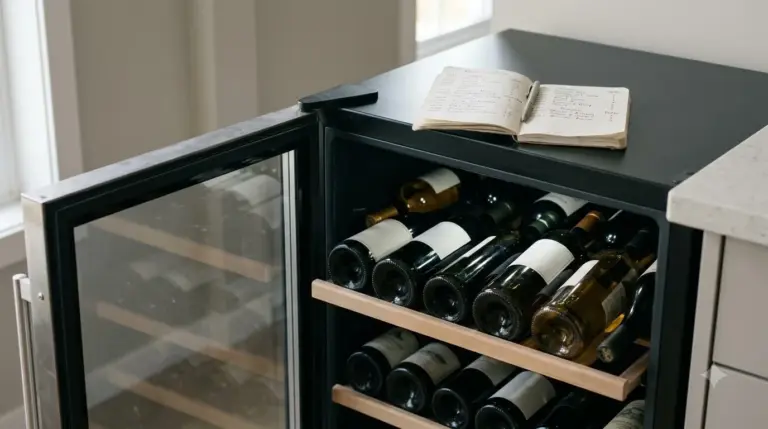
Avoid storing wine on top of the refrigerator or next to a furnace, where temperature changes are frequent. A basement, a dedicated wine fridge, or an interior closet on the north side of the house usually works better. If you cannot control the temperature, at least keep the bottles away from direct sun and heat sources.
Signs an unopened bottle may have gone off
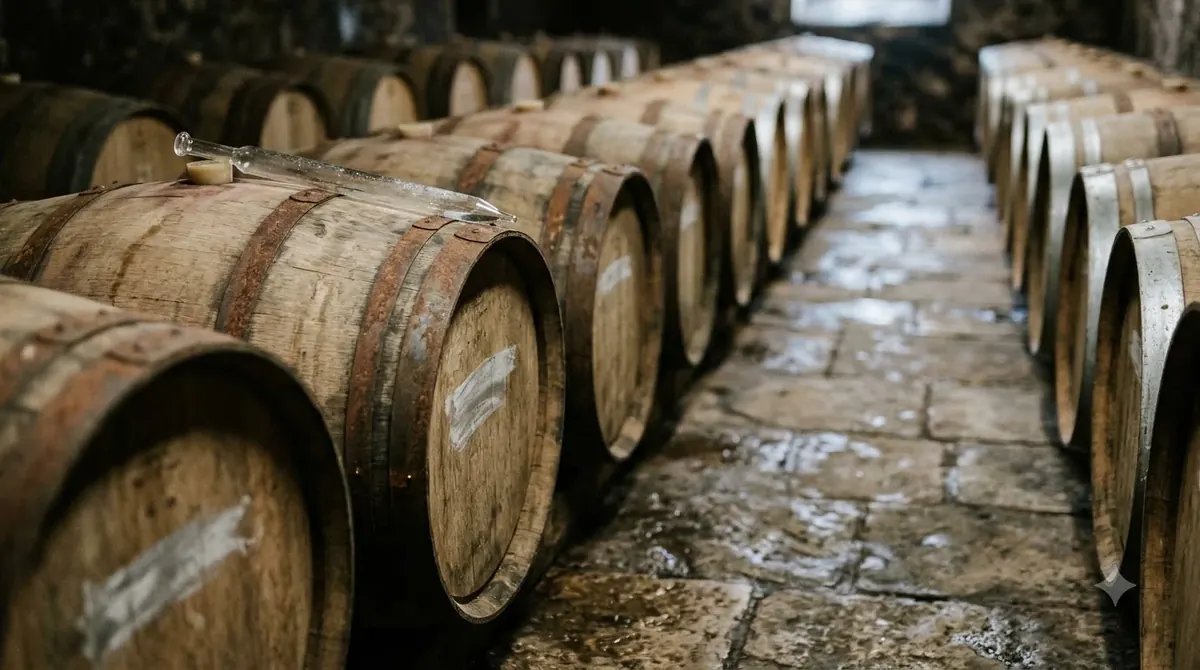
An unopened bottle can be hard to judge without tasting it, but a few signs are worth checking. A bulging or pushed-out cork can suggest heat damage. A leaking capsule or a stain around the cork may point to a seal that has failed. Wine that has been heat-damaged often looks darker or browner than expected for its style.
If the cork is intact and the bottle looks normal, the wine may still be fine. Opening one bottle to check is a reasonable test if you have several of the same vintage. Keep in mind that some wines are supposed to look aged, so color alone is not always a warning.
Tips for buying wine to keep
When you plan to hold a bottle for years, choose wines whose style rewards patience. Look for structured reds from reputable producers, and check the vintage and any drinking window the producer lists. Buy from a shop that stores its own stock under good conditions, because a bottle’s history before it reaches your home matters as much as your own storage.
If you plan to drink a wine within a few months, you can relax about perfect storage. The care matters most for bottles you intend to hold for a longer period, especially those that will age over several years.
Tip: Write the purchase date on a small tag and tie it to the neck. That simple step makes it easy to see which bottles are ready and which need more time.
Common storage mistakes to avoid
The most frequent mistake is storing wine in a place that feels convenient rather than stable. Kitchens, laundry rooms, and the top of a refrigerator all see regular temperature swings from cooking, appliances, and daily sun exposure. Those swings are gentle for a few weeks but add up over years, and they are the main reason a well-meant cellar can underperform.
Another common error is leaving bottles upright for long periods. An upright bottle lets the cork dry and shrink, which gives air a path into the wine. Storing bottles on their sides is a simple habit that reduces that risk. Stacking bottles tightly can also make it hard to read labels and check for leaks, so leave enough room to inspect each bottle.
Frequently Asked Questions
How long does unopened wine last?
It depends on the style, the vintage, and the storage conditions. Structured reds and some sparkling wines can keep for years, while most whites and light reds are best within a few years of release.
What is the best temperature to store wine?
Wikipedia’s article on wine faults cites 13 °C (55 °F) as the generally accepted ideal storage temperature. A steady temperature matters as much as the exact number.
Should unopened wine be stored on its side?
Storing bottles on their sides keeps the cork in contact with the wine, which helps prevent the cork from drying out and letting in more air.
Can light damage an unopened bottle?
Yes. Strong ultraviolet light can cause a lightstruck fault, most noticeably in delicate wines. Keeping bottles in a dark place or in colored glass reduces the risk.
Unopened wine rewards a little attention to temperature, light, and position. For more detail on the ideal range, read the wine storage temperature guide, and check the Wine Storage & Serving Temps section for serving advice. If you are wondering about other storage questions, the guide on whether you can freeze wine covers a common mistake.
More in Storage & Fridge Care
 How Long Can You Store Wine in a Wine Fridge? Protect Bottle QualityUpdated Nov 20, 2026
 Can You Store Beer in a Wine Fridge? Keep Both Drinks FreshUpdated Nov 20, 2026
 Is It Worth Repairing a Wine Fridge? Spot the Cheap Fixes Before You ReplaceUpdated Nov 20, 2026
 Wine Fridge Condensation: Identify Causes and Fix Moisture ProblemsUpdated Nov 20, 2026
 Wine Fridge Too Cold: Protect Your Wine and Fix the TemperatureUpdated Nov 20, 2026
 How to Reset Wine Fridge: Restore Cooling and SettingsUpdated Nov 20, 2026