

We may earn a commission when you buy through links on this page, at no extra cost to you. Learn more.
If you are wondering how long does shiraz last unopened, most everyday bottles stay at their peak for 2 to 5 years, while structured, mid-tier examples last 5 to 9 years, and collectible age-worthy bottlings can evolve for 12 to 25 years. Your exact timeline comes down to how the wine was made, the closure used on the bottle, and whether you store it in a cool, dark spot or a warm kitchen pantry. Unlike fresh groceries, sealed Shiraz does not suddenly spoil on a set expiration date, though poor storage can flatten its bold dark-fruit flavors within months.
Finding a forgotten bottle of Australian Shiraz or cool-climate Syrah tucked behind the pantry staples raises a familiar question before dinner: is this still worth pulling the cork on? Because Shiraz is naturally high in skin tannins, deep pigment, and moderate-to-high acidity, it holds up far longer on the rack than lighter reds or crisp whites, provided you understand what style sits inside the glass.
Unopened Shiraz Shelf Life by Bottle Style
Every Shiraz on the wine shop shelf is built on a different timeline, ranging from fruit-forward bottles meant for tonight’s barbecue to dense, oak-aged cellar selections. Knowing which tier you own gives you an immediate answer on whether to open it now or let it rest.
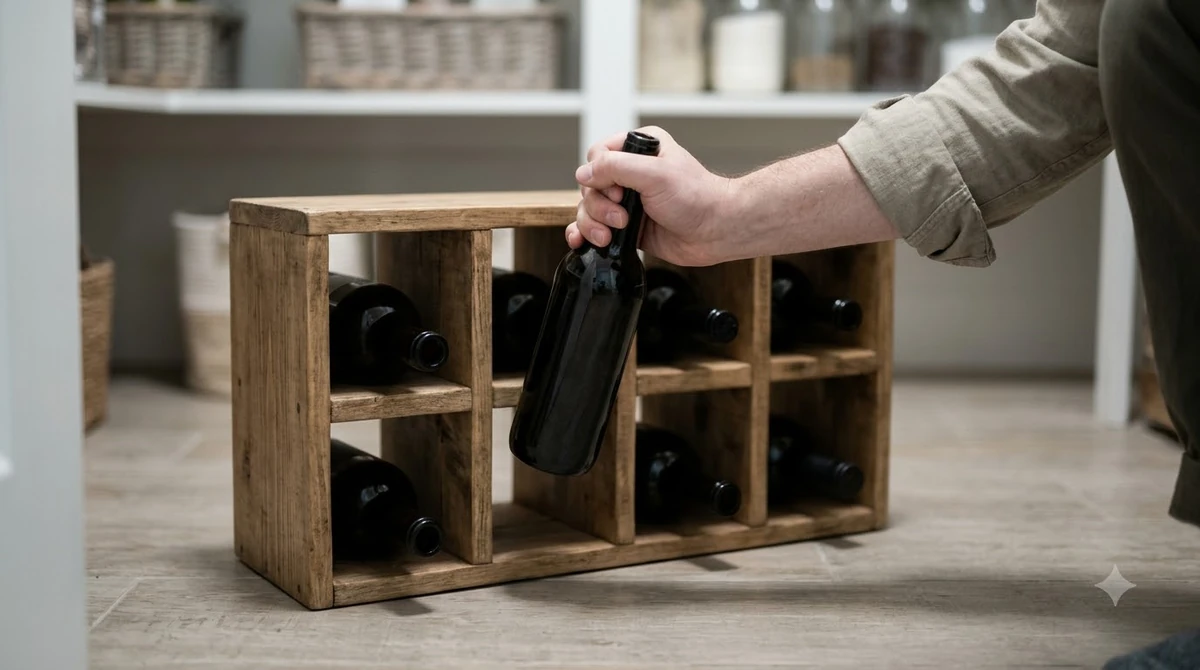
Everyday, entry-level Shiraz—often sealed with a screw cap and fermented in stainless steel with minimal oak—is crafted for immediate freshness. Winemakers bottle these wines to highlight juicy blackberry, blueberry, and cracked black pepper notes right out of the gate. Kept in a dark, steady cabinet, these approachable bottles taste vibrant for 2 to 5 years from the vintage date on the label, after which the bright fruit begins to fade into softer, simpler flavors.
Stepping up to regional or reserve-level Shiraz changes the clock considerably. According to Wine Folly’s guide to Syrah and Shiraz, most standard quality bottlings hold and improve over 5 to 9 years, while top age-worthy examples can mature gracefully for 12 to 25 years. Winemakers achieve this longevity through extended maceration—leaving the juice in contact with the grape skins for days or even weeks after fermentation—alongside aging in French or American oak barrels.
Reviewers at Wine Enthusiast regularly note 10- to 15-year drinking windows for structured bottles from regions like Barossa Valley, McLaren Vale, and Yarra Valley. Those wines balance concentrated dark plum and savory spice with firm tannins and crisp acidity, allowing the wine to soften and gain tertiary notes of leather, licorice, and dried herbs over a decade or more. If you enjoy comparing shelf lives across different styles of Wine by Type, Shiraz sits near the top of the longevity chart alongside Cabernet Sauvignon.
| Shiraz Style & Tier | Typical Unopened Lifespan | Closure & Aging Profile | Ideal Storage Environment |
|---|---|---|---|
| Everyday / Entry-Level Shiraz | 2 to 5 years past vintage | Screw cap or synthetic cork; minimal oak | Cool, dark closet or pantry away from heat |
| Mid-Tier Regional Shiraz | 5 to 9 years past vintage | Natural cork or quality screw cap; barrel-aged | Temperature-controlled wine fridge or basement |
| Old-Vine / Reserve Shiraz | 10 to 15 years past vintage | High-grade natural cork; extended maceration | Dedicated cellar at steady cool temperatures |
| Iconic Single-Vineyard / Collector Shiraz | 12 to 25 years past vintage | Dense fruit, firm tannin, new oak aging | Dark, humid cellar free from vibration |
| Warm Kitchen Counter Storage (Any Tier) | 6 to 12 months | Accelerated oxidation from heat and light | Not recommended; drink as soon as possible |
Why Shiraz Ages Differently Than Other Wines
Shiraz owes its multi-year staying power to the thick, dark skins of the Syrah grape, which pack the wine with natural preservatives called polyphenols and tannins. However, climate, alcohol level, and packaging format all shift how quickly those compounds break down inside an unopened bottle.
Warm-climate Shiraz—like classic bottlings from South Australia’s Barossa Valley—ripen fully under intense sunshine, producing plush, full-bodied wines that frequently exceed 14 percent ABV. That higher alcohol level and dense fruit concentration buffer the wine against early spoilage, though low-acid, super-ripe bottles can lose their freshness faster than expected if stored in warm rooms. By contrast, cooler-climate expressions from regions like Victoria’s Yarra Valley or Adelaide Hills typically sit below 14 percent ABV and carry higher natural acidity, giving them a spine that supports slow, steady bottle development.
Packaging also plays a decisive role before you ever break the seal. Glass bottles with natural cork allow microscopic amounts of oxygen to interact with the wine over many years, which helps harsh tannins smooth out. Screw caps create a tighter barrier against oxygen, preserving primary berry aromas longer in youth while slowing down traditional bottle evolution. Meanwhile, if you buy Shiraz in alternative formats, the rules change completely—you can read our breakdown on how long does boxed wine last unopened to see why plastic bladders expire within months rather than years.
How Storage Conditions Control Your Timeline
Even a cellar-worthy vintage will deteriorate rapidly if it spends two summers sitting next to a sunny kitchen window or above a warm refrigerator. Temperature stability, darkness, and bottle orientation determine whether your unopened Shiraz hits its full multi-year potential.
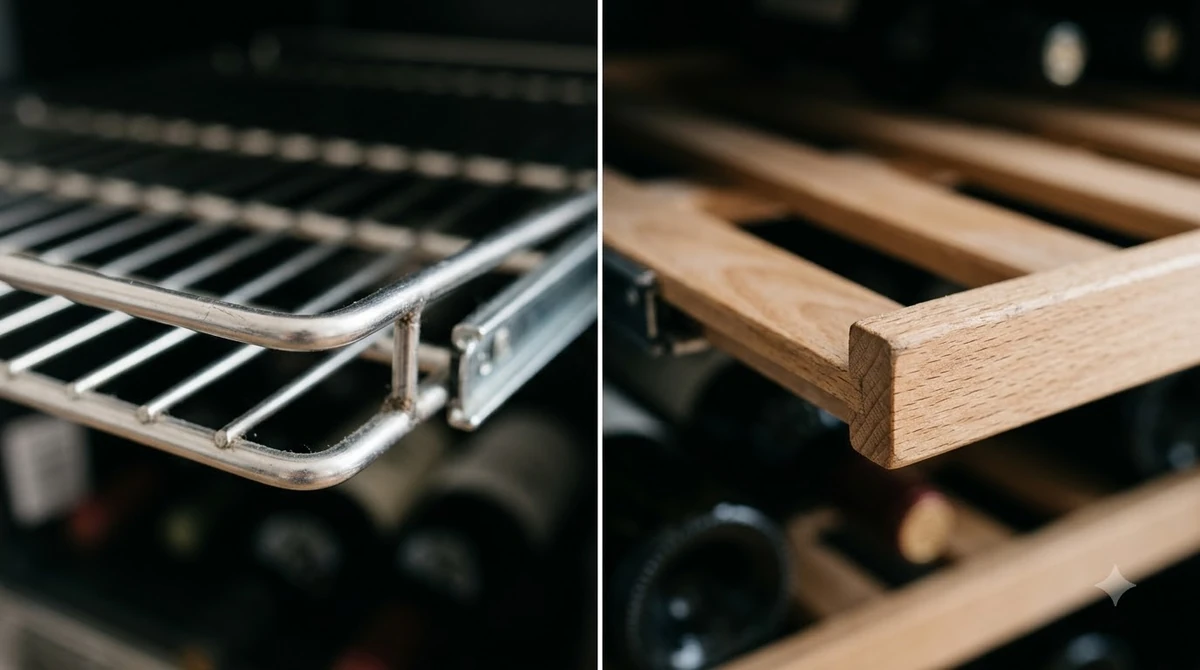
Heat is the single fastest way to ruin an unopened bottle of red wine. When ambient temperatures climb above typical room temperature, chemical reactions inside the glass speed up dramatically, cooking the fresh berry aromas into dull, stewed fruit. Consistent storage in a cool cellar or wine refrigerator keeps the aging curve slow and predictable, whereas storing wine on a standard kitchen rack at room temperature generally limits even good bottles to 6 to 12 months of peak drinking.
Light and humidity matter just as much over multi-year stretches. Ultraviolet rays from direct sunlight or harsh fluorescent bulbs pass through dark glass and trigger light-strike, which strips the wine of aroma and leaves behind flat, unpleasant flavors. If your bottle is sealed with a natural cork, storing it horizontally on its side keeps the cork moist and swollen against the glass neck, preventing air from sneaking in and oxidizing the wine prematurely. Bottles sealed with screw caps can stand upright safely without drying out.
Tip: Check the vintage year printed on the front or back label rather than the date you bought the bottle—a 2021 everyday Shiraz purchased last month is already several years into its drinking window.
Real-Life Scenarios: Should You Open It or Save It?
Most wine questions happen in real kitchens with imperfect storage rather than inside climate-controlled underground cellars. Matching your specific bottle and storage history to a real-world scenario takes the guesswork out of dinner prep.
If you bought an everyday Shiraz at the grocery store and kept it in a dark hallway closet for two or three years, go ahead and open it tonight. That bottle is right in the sweet spot of its 2- to 5-year window, and waiting another five years will only mute its lively pepper and dark plum notes. Conversely, if a bottle sat on top of your kitchen cabinets above the stove for a year, heat exposure has likely pushed it past its prime, so pop it open soon and taste a small splash before serving it to guests.
What if you received a single-vineyard or old-vine Shiraz as a gift and want to save it for an anniversary? Provided you can keep it in a cool basement or dedicated wine fridge away from sunlight, you can comfortably hold onto it for 8 to 15 years. Just like checking how long does cabernet sauvignon last unopened, the key is honest assessment: if you do not have a reliably cool, dark place to store a fine bottle, you will get far more pleasure drinking it within the next year or two rather than risking heat damage.
How to Tell If Unopened Shiraz Has Gone Past Its Prime
Unopened wine rarely becomes unsafe to drink, because alcohol and acidity prevent harmful bacteria from growing inside a sealed bottle. Instead, an over-the-hill Shiraz loses the richness, color, and aromatic lift that make it enjoyable.
Start by inspecting the bottle before pulling the cork. If a natural cork is pushing slightly upward out of the neck or you see sticky dried wine stains under the capsule, heat expansion has forced wine past the seal and let oxygen inside. Once you pour a glass, check the color against a white napkin: a healthy, youthful Shiraz glows deep purple-ruby, whereas an oxidized or heat-damaged bottle turns dull brick-brown at the rim.
Your nose and palate give the final verdict. A spoiled or tired Shiraz smells flat, dusty, or sharply like vinegar and wet cardboard instead of ripe blackberries, baking spice, and pepper. On the tongue, the wine will feel thin, watery, and sour rather than plush and velvety. If the flavor has faded but it does not taste like vinegar, you can still pour it into a simmering beef stew rather than dumping it down the sink—though if you want something in your pantry that handles long-term storage with fewer temperature worries, exploring how long does mead last unopened shows how honey wines behave differently over time.
Frequently Asked Questions
Does unopened Shiraz expire if it has never been opened?
Unopened Shiraz does not have a strict safety expiration date and will not make you sick if you drink an older bottle. However, it does have a peak drinking window—typically 2 to 5 years for everyday bottles and 5 to 25 years for structured, cellar-worthy vintages—after which its fruit flavors fade and turn flat.
Should I store unopened Shiraz in the refrigerator?
You should not store unopened Shiraz in a standard kitchen refrigerator for months or years, because kitchen fridges are too cold and dry, which can dry out natural corks and mute flavor development. A dedicated wine fridge, cool basement, or dark interior closet works much better, though chilling the bottle for 20 minutes before serving can bring overly warm wine down to an ideal cellar temperature.
Does a screw cap or natural cork make unopened Shiraz last longer?
Screw caps create a tighter seal against oxygen than natural cork, keeping everyday Shiraz fresh and fruit-forward for 3 to 5 years without any risk of cork taint or drying out. High-grade natural corks allow tiny, controlled amounts of oxygen into the bottle over time, making them the preferred closure for age-worthy Shiraz built to evolve over 10 to 25 years.
How long does Shiraz last once you finally open the bottle?
Once you pull the cork or twist off the cap, exposure to oxygen starts breaking the wine down within days rather than years. Resealed tightly and placed in the refrigerator, an opened bottle of Shiraz stays fresh and flavorful for about 3 to 5 days before its dark fruit notes turn sour.
Knowing how long unopened Shiraz lasts lets you match each bottle to the right moment instead of saving an everyday red until it fades or opening a collectible vintage too soon. Check the vintage date on the label, keep your bottles away from kitchen heat and sunlight, and pour with confidence whenever the occasion calls for a bold, peppery glass.
More in Wine Types & Grapes
 Zinfandel Sugar Content: Dry Red vs. White Zinfandel GramsUpdated Nov 21, 2026
 Best Zinfandel Substitute Options for Sipping and CookingUpdated Nov 21, 2026
 Zweigelt Food Pairing: Best Dishes, Cheeses, and Serving TipsUpdated Nov 21, 2026
 Zinfandel Tannins Explained: How Structure Shapes Every BottleUpdated Nov 21, 2026
 Zinfandel Sweetness Level: Dry Red vs. Sweet White Zin ExplainedUpdated Nov 21, 2026
 Xinomavro Food Pairing: Best Dishes, Styles, and Serving TipsUpdated Nov 21, 2026