

We may earn a commission when you buy through links on this page, at no extra cost to you. Learn more.
How long does sake last after opening depends mostly on the style, so refrigerate it right away and drink it sooner rather than later. Pasteurized sake keeps longer than unpasteurized namazake, which needs refrigerated storage and has a shorter shelf life. Light, heat and air all wear down the flavor, so a bottle that is kept cold, sealed and out of the sun will taste fresher for longer than one left on the counter.
Sake is a Japanese rice wine, and most bottles are meant to be enjoyed fresh. Once the seal is broken, the wine starts to change, and the fruit and aroma fade over time. This guide explains what affects sake after opening, how to store it, and how to tell when a bottle has lost its character. It also covers a few points that often confuse people who are new to sake.
Why Sake Changes After It Is Opened
Sake is exposed to oxygen the moment you pull the cork or twist the cap. Oxygen is the main reason an opened bottle fades, because it slowly dulls the aroma and flattens the taste. The more air trapped in the bottle, the faster the change, which is why a half-empty bottle usually declines sooner than a full one.
Heat and light speed up the process. Wikipedia’s sake article notes that flavor tends to deteriorate when it is affected by ultraviolet rays or high temperatures. A bottle sitting by a sunny window or on a warm counter will lose its freshness faster than one kept in a cool, dark place. This is true of unopened bottles too, which is why sake is often sold in tinted or opaque containers.
Pasteurized and Unpasteurized Sake
Style matters more than almost anything else. Most sake on store shelves is pasteurized, which means it has been heated once before bottling to stabilize it. Pasteurized sake generally keeps better after it is opened than sake that has not been heated.
Namazake is the main exception. It is unpasteurized, and according to the Wikipedia sake article it requires refrigerated storage and has a shorter shelf life than pasteurized sake. If you open a namazake, keep it cold from the first pour and plan to finish it sooner. The fresh, lively character that makes namazake appealing is also what fades first.
| Sake type | Storage after opening | How it changes |
|---|---|---|
| Pasteurized sake | Refrigerate and reseal | Keeps its character longer, but still slowly loses aroma |
| Unpasteurized namazake | Keep refrigerated at all times | Shorter shelf life; freshness fades first |
| Ginjo-shu | Store cold | Delicate aroma fades quickly once exposed to air |
| Koshu (aged sake) | Keep cool and sealed | Aged character stays more stable than young sake |
Unopened bottles also matter. Sealed sake kept in a cool, dark cupboard keeps its character far better than one stored on a warm shelf, so the habits you build before opening carry through to the day you finish the bottle. Check the label for any date or storage note the producer gives, since those are written with that specific bottle in mind.
How to Store an Opened Bottle
The simplest rule is to refrigerate an opened bottle right away and keep it upright and sealed. Put the cap or cork back on tightly, and use a stopper or a smaller container if the bottle is more than half empty. Less air in the bottle means less oxidation, so transferring the leftover sake to a smaller, full container can help.
Keep the bottle away from light and heat. A refrigerator door is convenient, but the back of a shelf keeps the temperature more stable. Avoid storing sake next to the stove, on a sunny windowsill, or in a car, since heat and sunlight both speed up the decline in flavor.
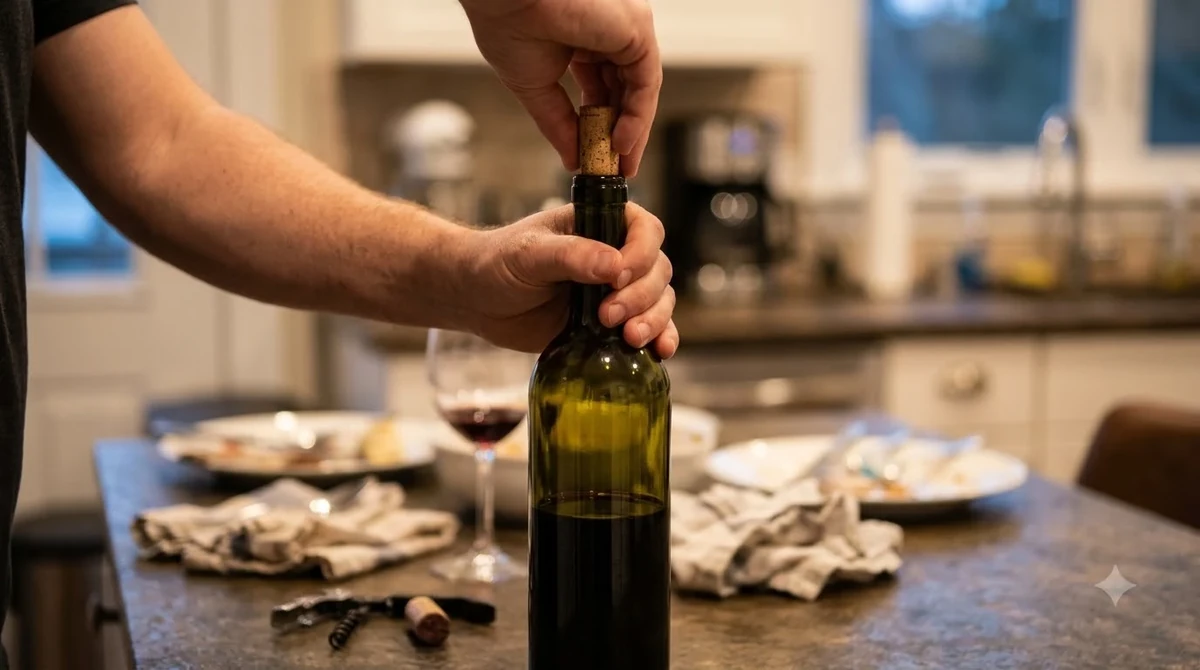
Storage habits help most when they are simple and repeated. Reseal the bottle after every pour, return it to the same cold spot, and avoid leaving the cap off while you cook or talk. Small, consistent steps keep the sake closer to the way it tasted when you first opened it.
How to Tell When Sake Has Gone Off
There is no single date that marks the end of a bottle’s life, so trust your senses. A sake that has lost freshness usually smells flatter and less fragrant than it did when first opened. The taste may seem dull, with less fruit and a more papery or cardboard note that wasn’t there before.
Look at the color as well. Clear sake should stay clear, and a noticeable yellowing or cloudiness in a sake that should be clear is a sign it has been exposed to heat or air for too long. If a bottle smells sour or sharp in a way that is unpleasant, it is past its best and should be poured out rather than finished.
Taste is the final check. Pour a small amount into a glass, warm it lightly in your hand, and smell it before tasting. If the aroma is clean and the flavor still has some fruit and balance, the bottle is worth finishing. If it tastes thin or unpleasantly sharp, the bottle has moved past its best, even if it is not clearly spoiled.
Serving Sake After Opening
Serving temperature changes how fresh the wine tastes. Wikipedia notes that chilled sake is often served around 10 degrees Celsius, or 50 degrees Fahrenheit, and that hot sake is generally served around 50 degrees Celsius, or 122 degrees Fahrenheit. Both chilled and warmed sake show their character best in the right range, so chill the bottle before pouring if it has been stored at room temperature.
Pour smaller amounts at a time if you are sharing. A small glass left out for a long dinner will warm and oxidize quickly, while a bottle kept cold between pours will hold its flavor longer. Some people use a sake set with a small carafe for this reason.
Many people are surprised that sake is treated differently from wine. Sake is brewed from rice rather than grapes, and its aroma and texture come from the rice, the koji mold and the milling of the grains. Those qualities are delicate, so the same careful storage that helps a fresh white wine also helps sake keep its character.
Frequently Asked Questions
Does sake need to be refrigerated after opening?
Yes, refrigerating an opened bottle is the safest habit. It slows the loss of aroma and flavor, and unpasteurized namazake requires refrigerated storage at all times.
Does sake go bad faster than wine?
Sake is generally best enjoyed fresh, and most bottles decline once opened. Pasteurized sake holds up reasonably well when it is kept cold and sealed, but unpasteurized styles fade sooner.
Can I keep sake at room temperature after opening?
Room temperature is not ideal for an opened bottle. Heat and light both speed up the loss of flavor, so a cool, dark place or the refrigerator is a better choice.
Is it safe to drink sake that has been open for a while?
A bottle that has lost its freshness may taste flat, but it is not always unsafe. If it smells sour or sharp in an unpleasant way, pour it out. When in doubt, use your senses and trust your judgment.
Sake rewards fresh, careful storage. Keep the bottle cold, sealed and out of the light, and finish it within a reasonable time for its style. If you want to compare an oxidized wine that handles air differently, what sherry tastes like is a useful next read, and the wine by type guide covers the wider range of styles.
For a reference on sake’s production and serving, see the Wikipedia sake article.
More in Wine Types & Grapes
 Zinfandel Sugar Content: Dry Red vs. White Zinfandel GramsUpdated Nov 21, 2026
 Best Zinfandel Substitute Options for Sipping and CookingUpdated Nov 21, 2026
 Zweigelt Food Pairing: Best Dishes, Cheeses, and Serving TipsUpdated Nov 21, 2026
 Zinfandel Tannins Explained: How Structure Shapes Every BottleUpdated Nov 21, 2026
 Zinfandel Sweetness Level: Dry Red vs. Sweet White Zin ExplainedUpdated Nov 21, 2026
 Xinomavro Food Pairing: Best Dishes, Styles, and Serving TipsUpdated Nov 21, 2026