

We may earn a commission when you buy through links on this page, at no extra cost to you. Learn more.
The answer to “how long does rose last unopened” is usually one to two years from the vintage for most still rosé. Everyday bottles are meant for near-term drinking, not long cellaring. Cool, dark storage helps retain fruit and acidity, but a small group of structured, oak-aged rosés and vintage rosé Champagnes are exceptions that can develop for longer.
An unopened bottle can remain drinkable beyond its ideal window, especially if it has been stored well, but drinkability and peak flavor are not the same thing. Rosé is generally made to emphasize freshness, floral notes, and bright fruit, so its best drinking period is usually shorter than that of age-worthy reds and some full-bodied whites. The key is to judge the style, vintage, closure, and storage history together rather than relying on one universal expiration date.
How Long Rosé Stays Fresh in the Bottle
For most still rosé, aim to open the bottle within one to two years of its vintage. The first year usually preserves the brightest fruit; this is a quality window, not a strict expiration date.
Martha Stewart’s interview with Napa Valley vintner Jennifer McPherson gives about two years as a practical maximum for most rosé before freshness fades. Use that as a guide for everyday bottles. If a retailer has an older rosé in stock, ask for its vintage and storage history rather than assuming it was kept under temperature-controlled conditions. A rosé older than two years is not automatically ruined, but muted fruit becomes more likely, especially in pale unoaked styles.
The vintage year is the year the grapes were harvested, so use that date as your starting point. A 2024 rosé opened in late 2026 is already roughly two years from harvest; it may still be pleasant if stored well, but it is past the ideal window for a simple, fresh style. Nonvintage bottles are harder to date, so plan to drink them soon after purchase.
| Rosé style | Practical unopened window | What to expect |
|---|---|---|
| Everyday, unoaked still rosé | About 1–2 years from vintage | Best while fresh fruit and floral aromas are lively |
| Natural rosé without added sulfites | About 3–6 months is a cautious target | Producer and winemaking choices can shorten the window |
| Premium dry Bandol rosé | About 3–5 years for top examples | More structure can support gradual bottle development |
| Vintage rosé Champagne | Producer- and bottle-dependent; some age for years | A specialized sparkling-wine exception, not a model for ordinary rosé |
Why Most Rosé Is Best While Young
Most rosé is made for freshness rather than long cellaring. Its appeal often comes from lively strawberry, raspberry, watermelon, citrus, and floral notes, which can become less vivid as the wine develops in the bottle.
Unoaked rosé is commonly made to preserve clean fruit rather than add oak-derived texture. Wine Enthusiast describes many unoaked examples as delicate wines not designed to age beyond a year or two. With time, berry and floral aromas can recede, leaving acidity without the same vivid fruit.
This change is not automatically a fault. As wine develops, fresh primary flavors can give way to dried-fruit, herbal, honeyed, or earthy notes. The wine may still be sound, but it can lose the crisp, lively profile that made it appealing when young.
Color can shift too: Wine Enthusiast notes that vivid salmon rosé may take on onion-skin tones as oxidation progresses. A deeper shade alone does not prove a bottle is spoiled, but faded color together with muted fruit and stale aromas signals that it may be past its best. For a broader look at styles, the site’s Wine by Type overview compares rosé with still whites, reds, and sparkling wines.
How Production Style Changes the Aging Window
Rosé varies with grape variety, ripeness, skin contact, fermentation, and oak use. Those choices affect structure and the length of the drinking window, so the one-to-two-year rule fits many bottles but not every premium style.
Direct-press and saignée rosé
In direct-press rosé, red grapes are pressed with little skin contact, producing a light color and often crisp acidity. Wine Enthusiast points to Provence, Languedoc, and Roussillon as classic regions for this style, which is usually best while young.
Saignée rosé is drawn from a tank of red grapes after skin contact. It can be darker, fuller, and more red-fruited than direct-press wine. Extra body does not guarantee longevity, but a concentrated example may have more material to develop; the producer’s intended window still matters more than color alone.
Oak-aged and structured rosé
Oak can add texture and spice that help a rosé develop rather than simply lose fresh fruit. Decanter identifies oak-aged wines such as Garrus and Les Clans from Domaines Sacha Lichine as having signs of aging potential, and says top dry rosés from Bandol may develop for about three to five years. Read Decanter’s advice on rosé aging for the distinction between these bottles and everyday pink wine.
More structured Bandol rosés often use Mourvèdre, which can contribute depth and shape. Oak, longer skin contact, concentration, and firm acidity can help a wine age, but no single technique guarantees improvement. An age-worthy rosé needs balance and enough concentration to evolve without losing its identity.
Rosé Champagne is a separate case
Vintage rosé Champagne is a separate case. Decanter says the best examples can age gracefully, and the Champagne industry’s official site describes two methods: macerating dark-skinned grapes or blending five to twenty percent still red Champagne wine into a white base.
Time on the lees can also support quality sparkling wine. Wine Enthusiast notes that sparkling wines resting on yeast lees at the producer can age for decades in suitable cellar conditions, with the lees helping protect them from oxidation. This is not a promise for every retail rosé Champagne; ordinary sparkling rosé is generally best enjoyed while its fruit and bubbles are fresh.
The timetable for a cellar-worthy red such as Cabernet Sauvignon that can age unopened is different from that of fresh rosé. Tannin, acidity, concentration, and winemaking style matter, so do not apply a red wine’s aging window to a pink wine.
Storage Conditions That Protect an Unopened Bottle
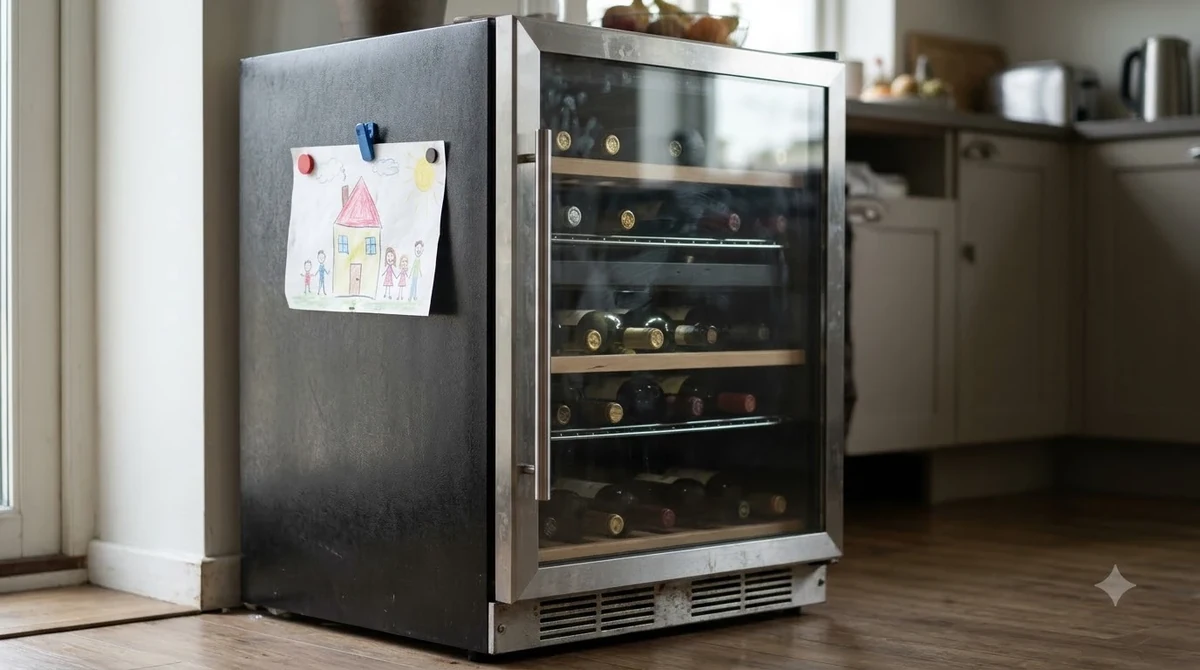
Stable, cool, dark storage protects rosé before opening. Aim for a steady temperature near 55°F, keep the bottle away from sunlight and heat, and avoid repeated temperature swings.
An interior cabinet or dark closet is usually better than a sunny windowsill, kitchen counter, or shelf above a refrigerator. Light and heat can quickly dull delicate aromas, and a hot car or garage is especially poor storage for a bottle intended to keep. For natural cork, store the bottle on its side to keep the cork in contact with wine. A dry cork can lose its seal and admit oxygen. Screw-cap bottles can stand upright, but still need the same cool, dark conditions and protection from movement. Avoid moving bottles repeatedly between cold and warm rooms; steady conditions matter more than a brief trip home from the store.
A kitchen refrigerator is for chilling before serving, not ideal long-term storage for a natural-cork bottle. McPherson advises not leaving cork-finished rosé in a kitchen refrigerator for more than about a month; screw caps and synthetic closures are less vulnerable to cork drying. Warm delivery conditions deserve attention too. A bottle left in a hot vehicle or on a sunlit shop shelf may lose freshness before its vintage suggests. After heat exposure, move it to a stable cool place and plan to open it sooner.
Tip: Keep unopened rosé near 55°F in a dark, steady place, then chill it shortly before serving. For a natural-cork bottle, store it on its side; for a screw-cap bottle, focus on stable temperature and protection from light.
Buying only what you expect to drink soon is often the easiest strategy. For other formats, see how long boxed wine lasts unopened and how long mead lasts unopened; different packaging and beverage styles have different storage windows.
How to Tell Whether an Older Rosé Has Faded
If a bottle is past its ideal window, assess it after opening rather than relying on the vintage alone. Warning signs include dull fruit, a tired aroma, an orange-brown cast, and stale or sharply vinegary flavors.
Check the closure and bottle first. A cork pushed upward, wine seepage, sticky residue at the neck, or an unusually low fill level can suggest heat exposure or a compromised seal. These clues are not conclusive, but they make the bottle less promising. In the glass, compare the wine’s color with its expected style. Pale rosé can naturally range from pink to peach or salmon, and gradual deepening can occur with age. An orange-brown cast alongside faded fruit is more concerning than a darker shade on its own.
Smell for fresh fruit, citrus, herbs, or flowers. Strong vinegar, bruised apple, sherry-like oxidation, or nail-polish-remover aromas suggest the wine has lost its clean profile. On the palate, a watery middle, short finish, or harsh stale note also indicates fading. Do not confuse tartrate crystals with spoilage. These deposits form when natural tartaric acid reacts with potassium, especially after exposure to temperatures below 4°C. The Canadian Food Inspection Agency says wine diamonds do not affect taste; if the wine smells and tastes sound, crystals alone are not a reason to reject it.
A sound but less aromatic rosé may still work in a pan sauce, but cooking will not fix a bottle with strong vinegar, solvent, or moldy aromas. For drinking, judge its aroma, fruit, acidity, and finish together.
When to Open Rosé and How to Serve It
Open everyday rosé while its fruit is bright, and serve it cool but not icy. For most light still rosés, 45–50°F keeps the wine refreshing while allowing strawberry, citrus, and floral notes to show.
Chill the bottle before serving, then pour a small taste. If it seems muted straight from the refrigerator, let it sit in the glass for a few minutes instead of warming the whole bottle on the counter. After opening, reseal the bottle and refrigerate it. Still rosé is best enjoyed within about two to five days for full freshness; sparkling rosé should be sealed with a proper stopper and finished sooner to preserve its bubbles. This opened-wine window is separate from the unopened shelf life.
Dry rosé works with grilled vegetables, shellfish, salads, chicken, and salty snacks. A slightly sweeter style can suit spicy dishes, while a fuller saignée or Bandol rosé can stand up to grilled pork and roasted vegetables. The routine is simple: buy a current release, store it near 55°F away from light, and open standard still rosé within one to two years of its vintage. Save longer aging for a style known to support it, such as structured Bandol rosé or vintage rosé Champagne.
Frequently Asked Questions
Can light exposure shorten the life of rosé in a clear bottle?
Yes. Clear glass offers less protection from ultraviolet light, and Decanter notes that light exposure can cause a fault known as lightstrike even in rosés intended for aging. Keep clear-bottled rosé inside a dark cabinet or box rather than on a sunny display shelf.
Are crystals at the bottom of an older rosé bottle a problem?
Not usually. They may be tartrate crystals, formed when natural tartaric acid in grapes combines with potassium, often after the wine becomes cold. The Canadian Food Inspection Agency says these wine diamonds do not affect taste and are harmless. Commercial wineries can cold-stabilize wine near freezing for three to four days to make the crystals separate before bottling.
Can rosé Champagne be made without blending red and white wine?
Yes. The Champagne industry’s official site describes both a blending method and a maceration method, in which juice from dark-skinned grapes gains color from contact with their skins. The saignée version uses a shorter maceration of roughly eight to twelve hours, while the site’s description gives about 36 hours for its macerated rosé Champagne method.
How many servings are in a standard 750-milliliter bottle?
A standard 5-ounce pour gives you about five glasses from a 750-milliliter bottle. Smaller tasting pours will stretch the bottle further, while generous restaurant-style pours may produce fewer than five servings.
How can you tell whether a rosé Champagne is vintage?
A year on a Champagne label means the wine is vintage and was made solely from grapes harvested in that year. The Champagne industry says most Champagne is nonvintage, blended from wines of several different harvests.
Most unopened rosé is best enjoyed within one to two years of its vintage, while a smaller group of structured wines can age longer with careful storage. Keep the bottle cool and dark, then open it while its fruit and freshness are still at their best.
More in Wine Types & Grapes
 Zinfandel Sugar Content: Dry Red vs. White Zinfandel GramsUpdated Nov 21, 2026
 Best Zinfandel Substitute Options for Sipping and CookingUpdated Nov 21, 2026
 Zweigelt Food Pairing: Best Dishes, Cheeses, and Serving TipsUpdated Nov 21, 2026
 Zinfandel Tannins Explained: How Structure Shapes Every BottleUpdated Nov 21, 2026
 Zinfandel Sweetness Level: Dry Red vs. Sweet White Zin ExplainedUpdated Nov 21, 2026
 Xinomavro Food Pairing: Best Dishes, Styles, and Serving TipsUpdated Nov 21, 2026