

We may earn a commission when you buy through links on this page, at no extra cost to you. Learn more.
If you are wondering how long does plum wine last unopened, a sealed glass bottle typically maintains peak quality for two to five years and remains safe to drink almost indefinitely. Because traditional Japanese umeshu is a fruit-steeped liqueur rather than a fermented grape wine, its high sugar and alcohol levels act as natural preservatives. Lower-alcohol styles and carton-packaged plum wines have shorter windows of around one to two years, while properly stored glass bottles can actually mellow and deepen in flavor over time.
Finding an older bottle of plum wine tucked in the back of a pantry or liquor cabinet is a common scenario, and the good news is that it rarely goes to waste. Unlike delicate table wines that oxidize or turn to vinegar after a couple of years on the rack, plum wine is remarkably resilient when its factory seal remains intact.
Quick Shelf-Life Reference by Plum Wine Style
Not every bottle sold under the plum wine label is made the exact same way, which means shelf life depends heavily on the base alcohol, alcohol by volume (ABV), and packaging material.
| Plum Wine Style or Packaging | Typical ABV | Unopened Peak Quality Window | Long-Term Safety & Aging Behavior |
|---|---|---|---|
| Traditional Spirit-Based Umeshu (Glass Bottle) | 14%–20% ABV | 3 to 5+ years | Safe indefinitely; gradually softens and develops deeper caramel and dried-fruit notes |
| Sake-Based or Wine-Based Plum Wine (Glass Bottle) | 8%–12% ABV | 1 to 2 years | Safe long-term, though bright fresh fruit aromas fade faster than spirit-based bottles |
| Plum Wine with Whole Ume Fruit Inside | 10%–15% ABV | 2 to 4 years | Safe long-term; fruit eventually darkens and softens, adding richer almond-like stone notes |
| Paper Carton or Boxed Plum Wine | 8%–14% ABV | 1 to 2 years | Packaging allows slow oxygen transfer over time; best enjoyed within manufacturer guidelines |
Spirit-based bottles sit at the top of the longevity scale because distillers steep green Japanese ume fruit and rock sugar in neutral white liquor, shochu, or brandy. That combination of concentrated sugar and higher proof creates an environment where spoilage microbes simply cannot thrive, allowing sealed glass bottles to stay stable for years.
By contrast, bottlings blended with fermented sake or white wine carry a lower ABV and lack the same preservative cushion. While they will not become hazardous to drink in a sealed bottle, their crisp, floral acidity tends to flatten out after a couple of years, leaving behind a heavier, less vibrant sweetness.
Why Plum Wine Lasts Longer Than Regular Wine
Despite its English name, traditional plum wine is actually a fruit liqueur rather than a true fermented wine, which completely changes how it ages in the bottle.
According to Wine Enthusiast, Japanese umeshu is made by infusing unripe ume fruit and sugar into an already-distilled base spirit rather than fermenting fruit juice into alcohol. Because there is no active yeast fermentation involved in traditional production, the finished liquid contains significantly higher residual sugar and often higher alcohol than standard table wine.
In food and beverage chemistry, sugar and ethanol work together as dual stabilizers. Sugar binds free water molecules that bacteria and wild yeasts would otherwise need to multiply, while alcohol strength around 14% to 20% ABV keeps microbial activity dormant. This is the same structural reason fortified wines and spirits outlast standard wine types by years or even decades.
Even so, plum wine is not completely frozen in time inside a sealed bottle. Slow, non-microbial chemical reactions still occur between fruit acids, sugars, and trace oxygen trapped in the headspace. Over several years, those reactions round off sharp tartness and shift the color from pale gold toward warm amber, which many drinkers actually prefer.
Factors That Determine How Long a Sealed Bottle Stays Good
Four specific variables control whether an unopened bottle of plum wine tastes fresh and balanced or tired and syrupy when you finally twist off the cap.
First is the base alcohol used by the producer. Producers like CHOYA note that higher-strength umeshu holds its character far longer than lower-alcohol expressions around 10% ABV or less. If your bottle uses distilled shochu or white liquor as its base, you have a much wider window than if you bought a light, wine-blended plum aperitif.
Second is the container material. Glass bottles with tight metal screw caps or composite stoppers provide a near-total oxygen barrier, protecting delicate apricot and plum aromatics for years. Paper cartons, on the other hand, are slightly permeable to air, which is why carton-packaged plum wine loses freshness much like an older unopened boxed wine.
Third is whether whole ume fruits remain submerged in the bottle. Whole-fruit bottlings look striking on a shelf, and the steeped fruit continues slowly releasing compounds from its pit and skin. Over several years, that prolonged contact deepens the flavor with subtle marzipan and roasted-nut tones, though very old fruit can turn slightly cloudy if agitated.
Fourth is your home storage environment. Heat and ultraviolet light accelerate sugar browning and break down volatile fruit esters, turning bright, tart plum notes into flat, cooked-jam flavors long before the bottle is ever opened.
How to Store Unopened Plum Wine Properly
Keeping an unopened bottle in steady, cool, and dark conditions is the single easiest way to preserve its bright sweet-tart balance for years.
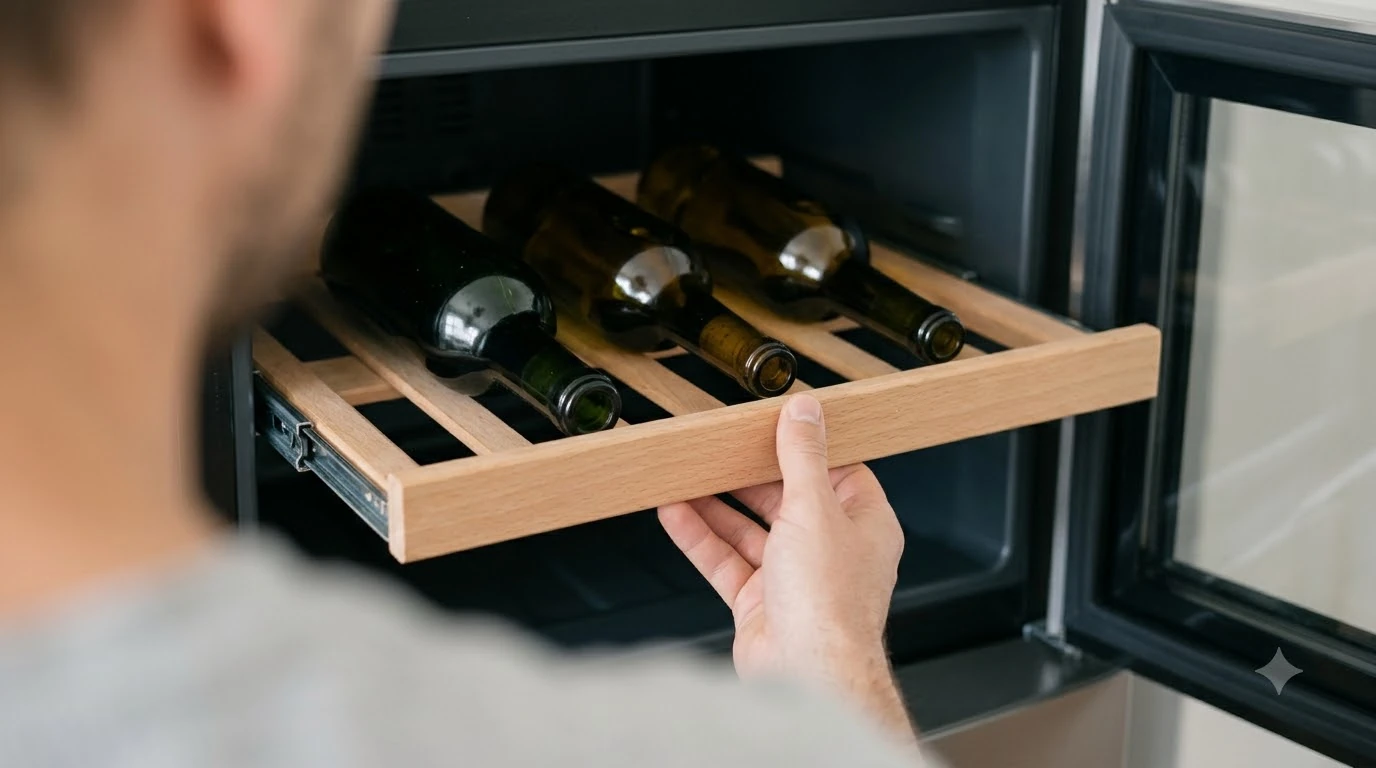
A pantry shelf, interior kitchen closet, or basement wine rack works far better than a countertop near a sunny window or a cabinet above the stove. Aim for a consistent temperature between 55°F and 68°F (13°C to 20°C), and avoid spots where daily heating and cooling cycles cause the liquid inside the bottle to expand and contract against the seal.
Unlike natural cork-finished red wines such as unopened Cabernet Sauvignon, plum wine bottles should always be stored upright. Almost all commercial plum wines use metal screw caps or synthetic stoppers rather than breathable natural cork, and keeping the bottle upright minimizes the surface area of sugary liquid touching the cap liner.
Tip: Skip long-term refrigerator storage for unopened bottles unless you plan to chill and serve them within a few weeks—a cool, dark cupboard maintains gentler conditions for gradual maturation without drying out cap seals or hogging fridge space.
Signs Your Unopened Plum Wine Has Past Its Peak
While properly sealed plum wine rarely becomes unsafe to consume, visual and aromatic clues will tell you right away if a bottle has degraded from poor storage.
Start by inspecting the bottle before breaking the seal. Look for sticky residue around the neck, a bulging or corroded metal cap, or a noticeably dropped fill level, all of which indicate a compromised seal that allowed air in and alcohol to evaporate. If you see fuzzy mold floating on the surface or active fizzing in a still product, discard the bottle immediately.
Next, evaluate color and clarity against the light. Fresh umeshu typically glows pale gold, straw, or light peach, whereas an older or heat-damaged bottle darkens to deep mahogany or brown. A small amount of fine fruit sediment at the bottom—especially in unfiltered or whole-fruit styles—is completely normal, so swirl gently rather than assuming sediment means spoilage.
Once you open the bottle, trust your nose and palate. A well-kept bottle should smell fragrant, floral, and stone-fruity with a clean sweet-sour snap; if it smells strongly of sharp vinegar, nail polish remover, or stale cardboard, oxidation has ruined the flavor profile even if the liquid poses no health hazard.
What Happens After You Open the Bottle?
Breaking the factory seal introduces fresh oxygen into the bottle, shifting the storage rules from pantry shelf-stability to refrigerated preservation.
Once opened, reseal the cap tightly and place the bottle in the refrigerator. Cold temperatures slow down oxidation and preserve the aromatic top notes that give plum wine its refreshing lift on the rocks or with club soda. Similar to unopened mead that eventually gets uncorked, plum wine handles post-opening air far better than dry table wine thanks to its higher sugar content.
Most spirit-based plum wines in glass bottles remain enjoyable in the refrigerator for six months to one year after opening, while lower-ABV sake-based versions taste best within a few weeks to two months. If your bottle contains whole ume fruit, keep the plums submerged in the liquid or transfer leftover fruit to a separate airtight jar in the fridge so they do not dry out or oxidize above the liquid line.
Frequently Asked Questions
Does unopened plum wine expire?
No, unopened plum wine does not have a strict safety expiration date because its combination of alcohol and sugar prevents harmful bacterial growth. In Japan, alcoholic beverages are generally exempt from mandatory expiration labeling, though some producers print a best-by date to indicate peak freshness. As long as the seal is intact, the bottle remains safe to drink for many years.
Can you drink 10-year-old unopened plum wine?
Yes, a 10-year-old unopened bottle of spirit-based plum wine is safe to drink if the seal remained tight and no mold or leakage occurred. Over a decade, the color will deepen to rich amber and the bright green-plum tartness will mellow into smoother honey, caramel, and dried apricot notes. Lower-alcohol or carton-packaged bottles, however, will likely taste flat after that long.
Should unopened plum wine be refrigerated?
No, unopened plum wine does not need refrigeration and is best stored upright in a cool, dark pantry, closet, or cellar away from heat and direct sunlight. Only move the bottle to the refrigerator a few hours before serving or after you break the seal to preserve its fresh fruit aroma.
Why does my unopened plum wine have sediment or dark fruit at the bottom?
Fine pulp sediment and darkening whole ume fruits are natural byproducts of fruit steeping rather than signs of spoilage. Unfiltered styles retain tiny particles of plum flesh that settle over time, while whole fruits slowly release pigments and flavor compounds into the liquid. Simply tilt the bottle gently before pouring to redistribute any natural fruit texture.
Check the bottle’s base spirit, ABV, and seal condition before pouring, and you will know right away what to expect in the glass. Stored upright out of heat and sunlight, a good bottle of plum wine rewards patience with years of reliable, sweet-tart versatility whenever you are ready to open it.
More in Wine Types & Grapes
 Zinfandel Sugar Content: Dry Red vs. White Zinfandel GramsUpdated Nov 21, 2026
 Best Zinfandel Substitute Options for Sipping and CookingUpdated Nov 21, 2026
 Zweigelt Food Pairing: Best Dishes, Cheeses, and Serving TipsUpdated Nov 21, 2026
 Zinfandel Tannins Explained: How Structure Shapes Every BottleUpdated Nov 21, 2026
 Zinfandel Sweetness Level: Dry Red vs. Sweet White Zin ExplainedUpdated Nov 21, 2026
 Xinomavro Food Pairing: Best Dishes, Styles, and Serving TipsUpdated Nov 21, 2026