
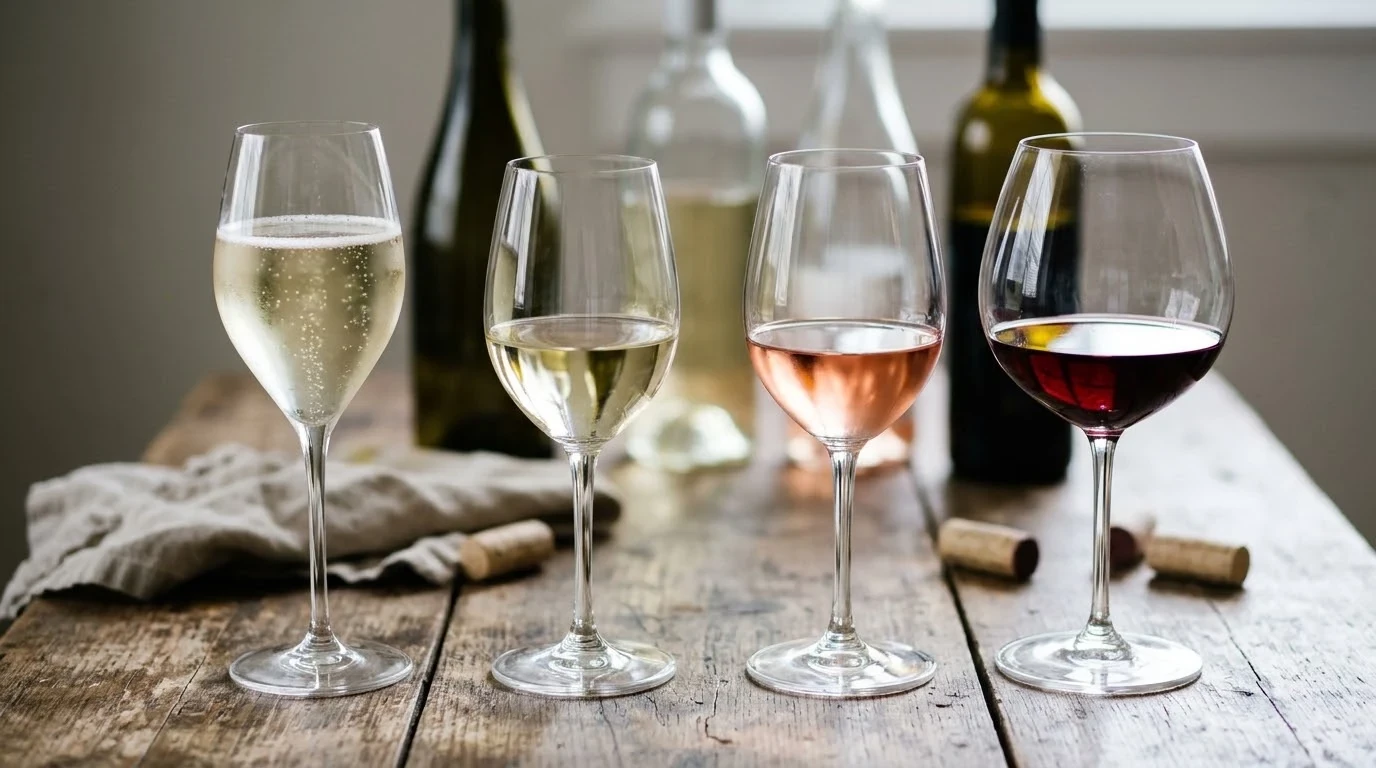

We may earn a commission when you buy through links on this page, at no extra cost to you. Learn more.
How long does muscat last unopened depends on the production style, with everyday still and sparkling bottles staying fresh for 1 to 3 years while fortified dessert versions last for decades. Because Muscat is an entire family of aromatic grapes made into everything from low-alcohol Italian fizz to high-alcohol Australian liqueur wines, sugar levels, alcohol by volume, and closure types dictate the exact drinking window. Kept in a cool, dark spot away from heat, an unopened bottle will not spoil into something unsafe, though delicate floral aromas fade once past their peak.
Checking a bottle of Muscat tucked in the back of a pantry or wine rack raises an immediate question about whether those signature peach and orange blossom notes are still intact. Unlike wines built around heavy oak and firm tannins, most Muscat bottlings rely on primary fruit aromatics that reward timely drinking, though a few notable exceptions improve over decades.
Unopened Muscat Shelf Life by Style
The wide range of styles made from Muscat grapes means there is no single expiration timeline for every bottle on the shelf. Light, sweet, and semi-sparkling versions are crafted for immediate enjoyment, whereas dry table wines and fortified dessert styles possess chemical preservatives like higher alcohol or residual sugar that slow down oxidation.
| Muscat Style | Typical ABV | Unopened Shelf Life | Ideal Serving Temp |
|---|---|---|---|
| Still Moscato / Dry Muscat | 5.5%–13% | 1–3 years (up to 3–5 years for structured dry styles) | 38–50°F |
| Sparkling & Frizzante (Moscato d’Asti, Asti) | 4.5%–7% | 1–3 years from release | 38–45°F |
| Late-Harvest Dessert Muscat | 11%–15% | 3–10 years | 45–50°F |
| Fortified Muscat (Beaumes-de-Venise, Rutherglen) | 15%–20% | 10–30+ years | 50–55°F |
According to Wine Folly’s guide to Moscato d’Asti, classic semi-sparkling bottlings sit around 4.5% to 6.5% ABV and are explicitly intended to be drunk young from the latest available vintage. In the first 12 to 18 months after harvest, these lightly fizzy wines deliver vibrant acidity, crisp pear and mandarin notes, and a clean mineral finish. Once a bottle crosses the two- or three-year mark, carbonation gradually escapes past the cork and the bright citrus character softens into flatter, honeyed tones.
Dry still expressions, such as Austrian Muskateller, Alsatian Muscat, or dry Spanish Moscatel, carry higher alcohol levels closer to standard table wines and lack residual sugar. As outlined in Wine Folly’s Muscat Blanc grape overview, well-made dry or off-dry Muscat Blanc bottles can hold their structure for roughly 3 to 5 years in a cool cellar. Beyond that window, volatile aromatics like honeysuckle and Meyer lemon dissipate, leaving behind a leaner, less expressive white wine.
Fortified Muscat styles operate on a completely different clock because winemakers add neutral grape spirit during fermentation, raising alcohol to between 15% and 20% ABV while locking in rich natural sugars. French Vin Doux Naturel wines like Muscat de Beaumes-de-Venise and Muscat de Rivesaltes stay vibrant for a decade or more, while aged Australian Rutherglen Muscat can remain rewarding in an unopened bottle for several decades.
Why Storage Conditions Change the Timeline
Even the sturdiest fortified bottle will lose its appeal prematurely if kept on a sunny kitchen counter or above a warm refrigerator. Wine ages through microscopic chemical reactions driven by temperature, light exposure, and oxygen ingress, and Muscat’s delicate aromatic compounds are especially sensitive to environmental stress.
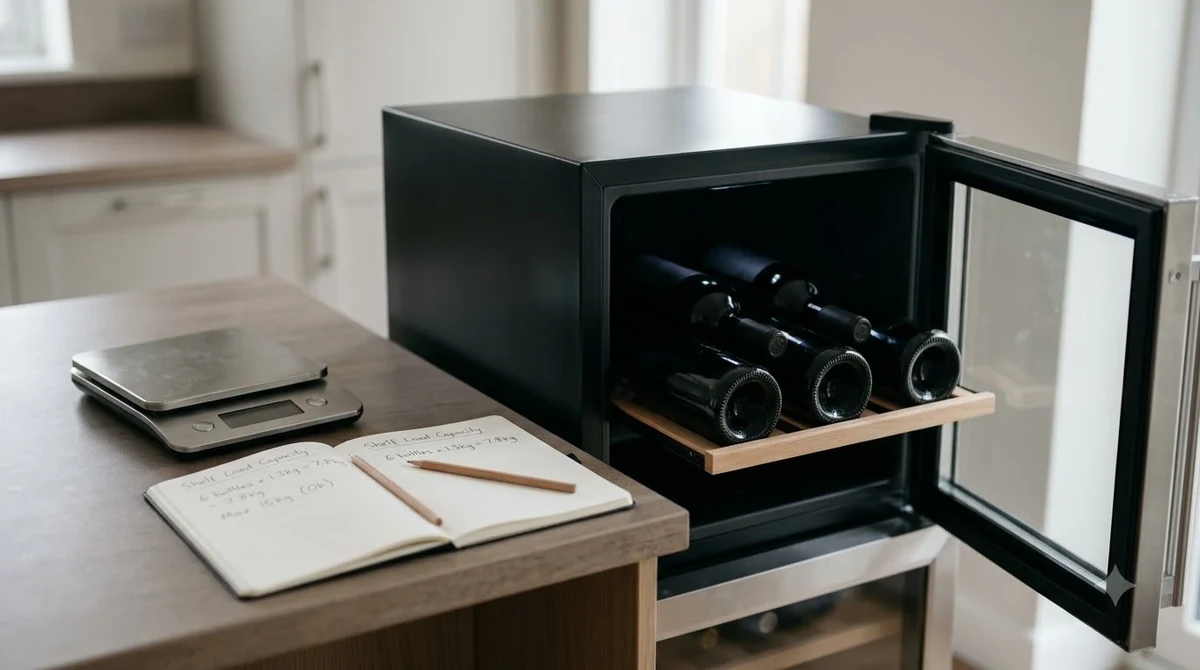
Heat is the fastest way to ruin an unopened bottle of Muscat, particularly low-alcohol frizzante styles that lack the protective buffer of high ethanol or heavy tannins. Storing wine in rooms that regularly climb above 70°F accelerates oxidation, cooking the fresh stone-fruit flavors into stewed, dull notes within a matter of months. A consistent temperature between 45°F and 55°F slows these reactions dramatically and preserves crisp acidity.
Ultraviolet light poses a secondary threat, especially because many producers package Moscato and dry Muscat in clear or light-green glass to show off the wine’s pale straw hue. Direct sunlight or bright fluorescent bulbs trigger lightstrike, a chemical reaction that degrades sulfur compounds and creates unpleasant cabbage or wet-cardboard aromas. Keeping unopened bottles inside a dark pantry, basement closet, or enclosed wine fridge shields the liquid from UV damage.
Closure type also plays a quiet role in longevity across different wine types. Many modern still and sparkling Muscats use screw caps or technical agglomerated corks that create an airtight seal, preventing premature oxidation without requiring horizontal storage. Bottles sealed with traditional natural cork, however, should rest on their sides so the wine keeps the cork moist and swollen against the glass neck.
How Muscat Compares to Other Unopened Wines
Understanding where Muscat sits on the broader wine aging spectrum makes it easier to manage a home wine rack without accidentally holding bottles past their prime. Most wines sold in American grocery stores and wine shops are engineered for near-term consumption rather than long-term cellaring.
Compared to dry white wines like Sauvignon Blanc or Pinot Grigio, still Muscat shares a similar 1-to-3-year window because both rely on bright acidity and fresh fruit aromatics rather than oak aging. However, once a bottle is opened, both styles oxidize quickly in the refrigerator, losing their vibrancy within a few days unless protected by a vacuum stopper or inert gas system.
Red wines tell a very different story due to polyphenolic tannins extracted from grape skins during fermentation. While an everyday red lasts roughly 2 to 5 years, structured bottles built for the cellar operate on much longer timelines, which explains how long Cabernet Sauvignon lasts unopened when stored under proper cellar conditions. Muscat lacks those protective skin tannins—even in darker-skinned varieties like Black Muscat—so it depends entirely on sugar, acidity, or fortification for longevity.
Alternative packaging and non-grape fermentations introduce further contrasts in shelf stability. Knowing how long boxed wine lasts unopened highlights how bag-in-box bladders block light and oxygen for several months, though porous plastic liners limit multi-year aging compared to glass. Meanwhile, honey-based fermentations behave closer to fortified dessert wines, as detailed in guides covering how long mead lasts unopened, where high sugar and alcohol keep bottles stable for years.
Real-Life Scenarios: Reading Labels and Checking Old Bottles
Finding an undated or older bottle of Muscat in the back of a cabinet does not automatically mean you need to pour it down the sink. Because wine labels in the United States do not carry mandatory expiration or best-by dates, checking a few visual clues on the bottle will tell you whether it is still worth chilling.
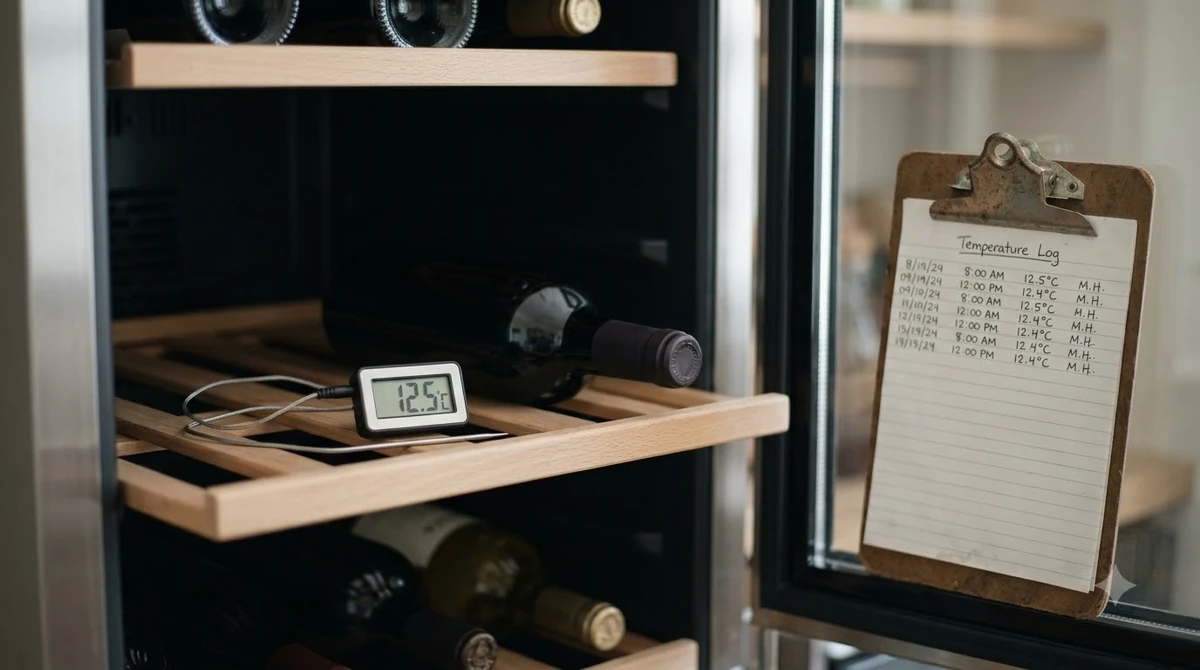
Start by scanning the front or back label for a four-digit vintage year, which indicates the autumn harvest when the grapes were picked. If you see a bottle of Moscato d’Asti from three or four vintages ago, it has likely lost some of its signature spritz and bright floral lift, though it remains completely safe to drink. Non-vintage sparkling Muscats blend multiple harvest years for consistency and generally hold up best within two to three years of purchase.
Inspect the physical condition of the closure and the liquid level inside the neck before pulling the cork or twisting the cap. A cork that pushes upward against the foil capsule—or sticky syrup residue around the rim—signals that heat caused the wine to expand and compromise the seal. Similarly, if a pale yellow still Muscat has darkened to a deep amber or brownish-orange shade, oxygen has already turned the fruit flavors nutty and flat.
If an older bottle of still or sparkling Muscat smells clean upon opening but tastes slightly muted or less fizzy than expected, it still works well in the kitchen. Splash slightly flat Muscat into fruit salads, poach pears with cinnamon and vanilla, or whisk it into a light citrus vinaigrette where its residual sweetness balances sharp vinegar.
Tip: Write the purchase month and year on the bottom of non-vintage Muscat bottles with a metallic marker so you always know which bottle to chill first.
Frequently Asked Questions
Can unopened Muscat make you sick if it is past its prime?
No, unopened wine that has aged past its ideal drinking window will not make you sick. Over time, oxygen slowly dulls the floral aromas, flattens the bubbles, and turns the flavors slightly nutty or vinegary, but pathogenic bacteria cannot survive in wine’s acidic, alcoholic environment. If the wine smells musty like wet cardboard or tastes sharply sour, simply discard it or use it for cooking.
Should you store unopened Muscat in the refrigerator?
Storing unopened Muscat in a standard kitchen refrigerator works fine for a few weeks or months, especially if you plan to serve it chilled soon. For multi-year storage, however, a regular fridge is too cold—typically around 35°F to 38°F—and lacks humidity, which can dry out natural corks over time. A cool, dark pantry or a dedicated wine cooler set between 45°F and 55°F is better for longer storage.
Does pink Muscat last as long as white Muscat?
Pink Moscato and pink Muscat last roughly the same amount of time as standard white versions, typically 1 to 2 years for still styles and 1 to 3 years for sparkling bottles. Winemakers usually create pink Moscato by blending a small splash of red wine like Merlot or Syrah into white Muscat for berry notes and color. Because that tiny red addition adds negligible tannin, pink bottles should still be enjoyed young and cold.
How do you know if an unopened bottle of Muscat has gone bad?
Look for external warning signs first, such as a pushed-out cork, wine seeping through the capsule, or an unusually low fill level in the bottle neck. Once opened, spoiled or heavily oxidized Muscat will lack its signature peach and orange blossom perfume, smelling instead of bruised apples, stale nuts, wet newspaper, or sharp vinegar. Cloudy liquid or heavy unexpected sediment in a young still bottle also points to heat damage or secondary spoilage.
Matching your storage timeline to the specific style on the label ensures every bottle of Muscat delivers the vibrant aromatics and balanced sweetness the winemaker intended. Keep light, low-alcohol Moscatos chilled for near-term occasions, save fortified dessert bottlings for slower enjoyment, and store every bottle away from heat and direct sunlight.
More in Wine Types & Grapes
 Zinfandel Sugar Content: Dry Red vs. White Zinfandel GramsUpdated Nov 21, 2026
 Best Zinfandel Substitute Options for Sipping and CookingUpdated Nov 21, 2026
 Zweigelt Food Pairing: Best Dishes, Cheeses, and Serving TipsUpdated Nov 21, 2026
 Zinfandel Tannins Explained: How Structure Shapes Every BottleUpdated Nov 21, 2026
 Zinfandel Sweetness Level: Dry Red vs. Sweet White Zin ExplainedUpdated Nov 21, 2026
 Xinomavro Food Pairing: Best Dishes, Styles, and Serving TipsUpdated Nov 21, 2026