

We may earn a commission when you buy through links on this page, at no extra cost to you. Learn more.
How long does muscat last after opening depends on the winemaking style, ranging from 1 to 3 days for sparkling Moscato d’Asti, 5 to 7 days for still sweet or dry Muscat, and 4 to 6 weeks for fortified Muscat styles. Resealing the bottle tightly and storing it upright in the refrigerator slows down oxidation and preserves its signature floral and stone-fruit aromatics. Higher residual sugar and elevated alcohol levels act as natural preservatives, giving fortified expressions significantly more staying power than low-alcohol sparkling bottles.
Because the Muscat grape family spans everything from featherlight Italian frizzante to syrupy Australian and French fortified dessert wines, treating every bottle the same leads to wasted wine. Understanding the exact shelf life of each style helps you pour every glass at peak freshness without guessing.
Shelf Life Breakdown by Muscat Style
The single biggest factor determining how long an opened bottle stays vibrant is its production method, specifically its carbonation, residual sugar, and alcohol by volume. Light, low-alcohol sparkling styles lose their fizz and delicate aromatics within days, whereas fortified versions resist oxygen for over a month.
According to Wine Folly’s open bottle preservation guide, light white and sweet white wines generally hold up for 5 to 7 days in the refrigerator with a snug cork. Sparkling and semi-sparkling expressions such as Moscato d’Asti—which typically sit around 4.5% to 6.5% ABV with gentle spritz—fade much faster because dissolved carbon dioxide escapes every time the stopper comes off. Wine Enthusiast contributors note that a re-stoppered sparkling wine with only one glass poured can maintain enjoyable pressure for 3 to 4 days, while a half-empty bottle drops to roughly 2 days before going flat.
At the opposite end of the spectrum sit fortified Muscat wines, including French Muscat de Beaumes-de-Venise, Muscat de Rivesaltes, and Australian Rutherglen Muscat. Because winemakers arrest fermentation by adding neutral grape spirit, these wines combine high residual sugar with elevated alcohol levels. That combination inhibits microbial spoilage and slows oxidative flattening, allowing a well-sealed bottle to stay expressive for 4 to 6 weeks in a cool, dark spot or even longer in the refrigerator.
| Muscat Wine Style | Typical ABV | Opened Shelf Life | Required Closure & Storage |
|---|---|---|---|
| Sparkling / Frizzante (Moscato d’Asti, Asti Spumante) | 4.5% – 6.5% | 1 – 3 days | Sparkling wine stopper; refrigerator |
| Still Dry Muscat (Muskateller, dry Moscatel) | 11% – 13% | 3 – 5 days | Original cork or silicone stopper; refrigerator |
| Still Sweet & Late-Harvest Muscat | 11% – 14% | 5 – 7 days | Tight cork or stopper; refrigerator |
| Fortified Muscat (Muscat de Rivesaltes, Rutherglen) | 15% – 18% | 4 – 6 weeks | Tight stopper; refrigerator or cool dark cabinet |
Why Some Muscat Styles Last Longer Than Others
Three chemical levers dictate how fast an open bottle degrades once oxygen enters the headspace: alcohol concentration, sugar content, and dissolved carbon dioxide. Each element interacts differently with air and ambient warmth.
Ethanol acts as a natural antimicrobial barrier, which explains why table wines around 11% to 13% ABV turn sharp and vinegary far sooner than fortified bottles. In low-alcohol styles like Moscato d’Asti, there is very little ethanol shielding the liquid from acetic acid bacteria once the seal breaks. Meanwhile, high concentrations of natural grape sugar bind water molecules and slow the rate at which volatile aroma compounds—the terpenes responsible for orange blossom, Meyer lemon, and white peach notes—evaporate from the liquid surface.
Carbonation adds a physical timer to sparkling bottles. The moment you pop a mushroom cork or twist off a cap, pressure inside the neck drops and trapped carbon dioxide begins escaping. Even if the base wine has not oxidized into vinegar, a flat sparkling Muscat loses the crisp lift that balances its sweetness, making the wine taste heavy and cloying by day three or four.
How to Store Opened Muscat for Maximum Freshness
Proper post-opening storage slows down both chemical oxidation and the loss of volatile floral compounds. Cold temperatures and minimal oxygen exposure are your two best tools for extending a bottle’s drinking window.
Always place an opened bottle of Muscat in the refrigerator immediately after pouring, even if you are working with a fortified style. Cold storage slows molecular movement and keeps delicate aromatics locked in the liquid rather than dissipating into the headspace. While you should serve sparkling Moscato well chilled between 43°F and 46°F (6°C to 8°C) and Muscat of Alexandria dessert styles slightly warmer at 55°F to 60°F (12°C to 15°C), keeping the bottle inside a standard household refrigerator between pours protects every style.
Match your stopper to the bottle type and stand the bottle upright. Storing an opened bottle upright reduces the surface area of wine exposed to trapped air inside the glass compared to laying it on its side. For frizzante or spumante bottles, use a hinged champagne sealer that clamps onto the glass lip rather than pushing a swollen cork back into the neck. For still or fortified bottles, a snug silicone wine stopper or an inert gas preservation system prevents air exchange without stripping away delicate floral scents.
Tip: Skip vacuum pumps on aromatic Muscat wines—pulling air out of the bottle can also strip away the volatile floral terpenes that give Muscat its signature orange-blossom perfume.
How to Tell If Opened Muscat Has Gone Bad
Because opened wine degrades gradually rather than expiring overnight, your nose and palate provide far better guidance than a calendar alone. Checking three sensory cues before pouring a full glass will tell you immediately whether the bottle is still worth drinking.
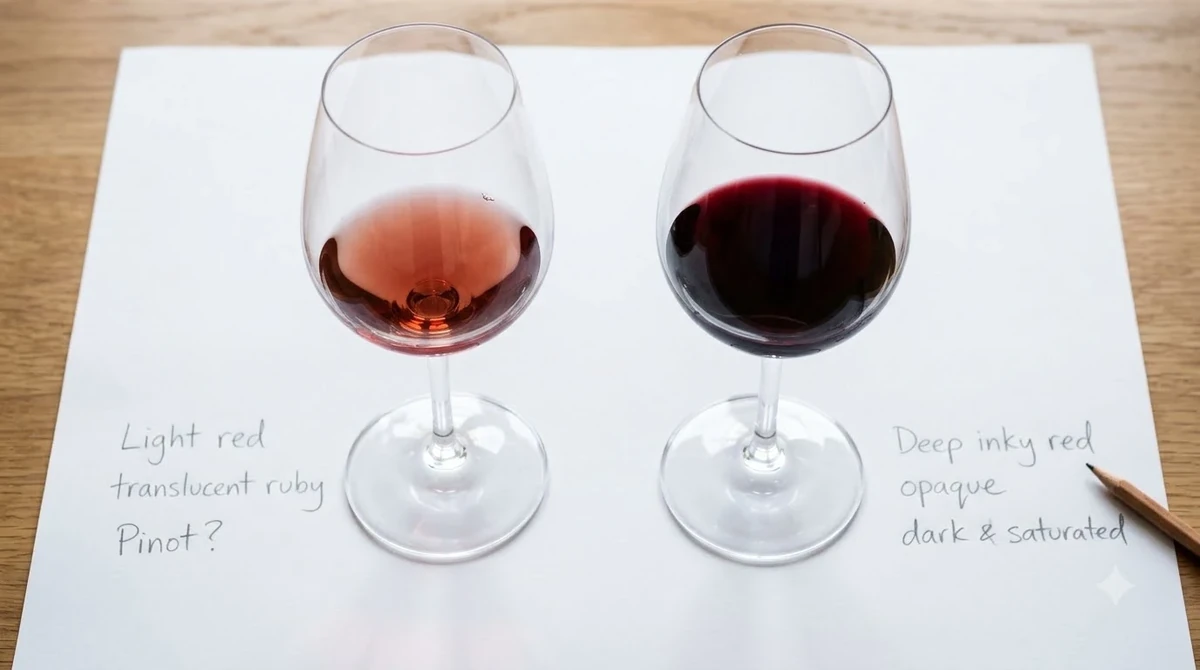
Start with the aroma right after removing the stopper. Fresh Muscat should greet you with bright notes of mandarin orange, honeysuckle, ripe pear, or dried apricot depending on its age and style. If those expressive fruit and flower scents have vanished, leaving a flat, muted, or cardboard-like smell, oxygen has depleted the wine’s aromatic compounds. A sharp odor reminiscent of nail polish remover or vinegar signals volatile acidity, meaning bacteria have begun converting the alcohol into acetic acid.
Inspect the appearance and take a small test sip if the aroma passes inspection. Unfiltered or older fortified Muscats naturally throw harmless tartrate crystals or fine sediment, which settle at the bottom of an upright bottle. However, sudden cloudiness, hazy swirls, or tiny bubbles forming in a still wine indicate unwanted refermentation in the bottle. On the palate, oxidized Muscat tastes thin, bruised, or sour rather than vibrant and balanced; if it tastes like sharp vinegar, pour it down the drain.
Practical Ways to Use Leftover Muscat
If an opened bottle has lost its sparkle or softened past its peak drinking window—but has not turned sour or vinegary—you can easily repurpose it in the kitchen. Sweet and aromatic wines bring instant floral complexity to both savory and sweet recipes.
In savory cooking, slightly flat still or sparkling Muscat works well as a poaching liquid or pan-sauce base. According to Wine Enthusiast’s guide to open bottles, leftover sparkling wine whose bubbles have faded still retains bright acidity that balances rich, starchy dishes like risotto. You can also deglaze a roasting pan after searing pork tenderloin or chicken thighs, letting the residual grape sugars reduce into a glossy, citrus-scented glaze.
For desserts and drinks, leftover Muscat shines with minimal effort. Simmer a cup of still or fortified Muscat with a cinnamon stick and vanilla bean to poach whole pears or stone fruit, or splash a few ounces over fresh berries and mascarpone. If you only have half a glass left at the end of the week, pour it into an ice cube tray and freeze it; those frozen wine cubes can be dropped directly into pan sauces, fruit compotes, or summer sangria pitchers whenever needed.
How Muscat Compares to Other Opened Wines
Knowing where Muscat sits relative to other wine categories makes it much easier to manage an open bottle rack or refrigerator door. Most table wines follow a tighter clock than sweet or fortified styles, though oxidative wines outlast them all.
Dry white wines and rosés generally stay fresh for 3 to 5 days in the refrigerator, putting dry Muskateller on the exact same schedule as Sauvignon Blanc or Pinot Grigio. If you explore other aromatic skin-contact styles, knowing how long orange wine lasts after opening shows how phenolic grip and texture extend freshness slightly beyond crisp whites. Sweet dessert styles hold up longer because sugar slows oxidation; checking how long dessert wine lasts after opening confirms that botrytized and late-harvest bottles routinely last one to two weeks chilled.
Fortified wines sit at the top of the longevity chart across all wine types. While fortified Rutherglen Muscat or Muscat de Beaumes-de-Venise comfortably lasts 4 to 6 weeks, deliberately baked and oxidized fortified wines go even further—learning how long Madeira lasts after opening reveals why heat-aged fortified bottles can remain delicious for months or even years after pulling the cork.
Frequently Asked Questions
Does opened Muscat need to be refrigerated?
Yes, every style of opened Muscat benefits from refrigeration. Cold temperatures slow down chemical oxidation, preserve delicate floral aromatics, and help retain carbonation in sparkling styles like Moscato d’Asti. Even fortified Muscat stays fresher and brighter in the refrigerator than on a warm kitchen counter.
How long does Moscato d’Asti last after opening?
Opened Moscato d’Asti typically lasts 1 to 3 days in the refrigerator when sealed with a proper sparkling wine stopper. Because it is bottled with gentle frizzante pressure and low alcohol around 5.5% ABV, its bubbles and fresh peach aromas fade quickly once exposed to air. Even after the fizz softens on day three, the wine remains safe to drink or use in cooking.
Can you drink Muscat that has been open for two weeks?
If it is a fortified Muscat such as Muscat de Rivesaltes or Rutherglen Muscat, a bottle opened for two weeks will still taste rich and expressive when kept sealed and cool. However, a still or sparkling table Muscat opened for two weeks will likely be flat, oxidized, and muted in flavor. Always smell and taste a small splash first to check for sharp vinegar notes before pouring a glass.
Does unopened Muscat go bad over time?
Unopened Muscat does not spoil in a harmful way, but light still and sparkling styles are crafted to be enjoyed young within 1 to 3 years of release. Over longer periods, even an unopened bottle slowly loses its vibrant citrus and orange-blossom notes as flavors shift toward dried fruit and honey. Fortified Muscat styles are far more age-worthy and can develop complex nutty depth over many years in a cool, dark cellar.
Matching your storage method to the specific bottle in your fridge ensures you never pour flat or faded wine down the sink. Seal sparkling Moscato tightly for immediate enjoyment over a couple of days, keep still bottles chilled for up to a week, and savor fortified Muscat slowly over several weeks.
More in Wine Types & Grapes
 Zinfandel Sugar Content: Dry Red vs. White Zinfandel GramsUpdated Nov 21, 2026
 Best Zinfandel Substitute Options for Sipping and CookingUpdated Nov 21, 2026
 Zweigelt Food Pairing: Best Dishes, Cheeses, and Serving TipsUpdated Nov 21, 2026
 Zinfandel Tannins Explained: How Structure Shapes Every BottleUpdated Nov 21, 2026
 Zinfandel Sweetness Level: Dry Red vs. Sweet White Zin ExplainedUpdated Nov 21, 2026
 Xinomavro Food Pairing: Best Dishes, Styles, and Serving TipsUpdated Nov 21, 2026