

We may earn a commission when you buy through links on this page, at no extra cost to you. Learn more.
If you are wondering how long does mulled wine last unopened, a commercially bottled version typically stays fresh for 1 to 5 years when stored in a cool, dark spot. Unlike standard red wines meant for decades in a cellar, pre-spiced bottles rely on added sugar, acidity, and moderate alcohol to preserve their bright citrus and baking spice notes. Once you break the seal or heat a batch on the stove, that timeline drops sharply to just 3 to 5 days in the refrigerator.
Finding a forgotten bottle of Glühwein or spiced holiday wine at the back of a pantry raises an immediate question before winter entertaining begins. Because mulled wine combines fermented grape juice with botanicals, citrus oils, and sweeteners, its shelf life behaves a little differently than a standard dry table wine. Understanding how closures, base wine styles, and storage temperatures interact helps you decide whether an older bottle is ready for the stovetop or past its prime.
Unopened Shelf Life by Mulled Wine Style and Packaging
Most unopened bottles of commercially prepared mulled wine remain at peak flavor for 1 to 3 years, with fortified or higher-alcohol styles lasting up to 5 years under steady cellar conditions. Packaging format plays an equally decisive role because oxygen ingress dictates how quickly delicate clove, cinnamon, and orange peel aromatics fade.
Standard glass bottles sealed with screw caps or synthetic stoppers provide an airtight barrier that locks in volatile spice oils. Commercial producers typically bottle mulled wine without heavy oak aging, designing the blend for immediate seasonal enjoyment rather than long-term bottle evolution. Over time, the vibrant fruit character of the base wine softens, and bright citrus zest notes gradually flatten into muted, stewed flavors.
Fortified variations, such as traditional Nordic glögg blended with brandy or aquavit, carry a higher alcohol by volume that acts as a natural stabilizer. These richer styles resist oxidation more effectively than lower-alcohol spiced wines, easily holding their structure for several years in a dark cupboard. Conversely, mulled wine sold in bag-in-box cartons has a shorter unopened window because microscopic amounts of oxygen slowly permeate the plastic liner, making it best enjoyed within a single holiday season—much like the timelines outlined in our guide on how long boxed wine lasts unopened.
| Mulled Wine Format / State | Typical Shelf Life | Ideal Storage Environment | Key Quality Factor |
|---|---|---|---|
| Unopened Glass Bottle (Standard Spiced) | 1 to 3 years | Cool, dark pantry or cellar (45°F–65°F) | Retains bright citrus and spice aromas |
| Unopened Fortified Bottle (Glögg / Brandy-Added) | 3 to 5 years | Cool, dark place away from heat sources | Higher ABV slows down flavor degradation |
| Unopened Bag-in-Box Mulled Wine | 6 to 12 months | Cool, dry area out of direct sunlight | Plastic bag slowly allows oxygen ingress |
| Opened Bottle (Unheated) | 3 to 5 days | Refrigerated, tightly resealed upright | Cold slows oxidation of exposed wine |
| Homemade or Reheated Batch | 3 to 5 days | Airtight glass container in the fridge | Avoid boiling to preserve alcohol and aroma |
What Determines How Long Bottled Mulled Wine Lasts?
Three internal components—base wine structure, residual sugar, and alcohol content—govern the longevity of an unopened bottle of mulled wine. Together, these elements create an environment that resists microbial spoilage while slowly evolving in flavor over successive seasons.
Winemakers typically craft commercial mulled wine from fruit-forward, medium-bodied red grapes such as Merlot, Garnacha, Sangiovese, or Zinfandel. According to Wine Enthusiast, dry and juicy reds without heavy oak aging provide the cleanest canvas for mulling spices because excessive oak tannins can turn bitter when warmed. While high-tannin reds like those covered in our breakdown of how long Cabernet Sauvignon lasts unopened can mature for a decade or more, the lighter-tannin base wines used in mulled blends peak much earlier.
Sugar and alcohol also reinforce stability inside the sealed glass. Added cane sugar, honey, or fruit juice concentrates bind free water and balance natural grape acidity, while ethanol inhibits unwanted bacterial growth. Even so, dissolved spice extracts and citrus oils are chemically fragile; after two or three years, the lively aromatic lift of star anise and fresh orange peel diminishes even if the wine remains completely safe to sip.
White mulled wines, often made from aromatic grapes like Riesling, Moscato, or Chenin Blanc, generally sit at the shorter end of the 1-to-3-year spectrum. Lacking the phenolic compounds found in red grape skins, white spiced blends rely almost entirely on acidity and tight seals to stay crisp, making them best consumed within a year or two of purchase.
Proper Storage Conditions to Maximize Freshness
Keeping unopened mulled wine in a stable, cool, and dark environment between 53°F and 57°F protects both the wine base and its delicate botanical infusions. Extreme heat, direct sunlight, and fluctuating household temperatures accelerate chemical aging and can ruin a bottle within weeks.
Temperature consistency matters far more than achieving exact professional cellar numbers. As specialists at Wine Enthusiast point out, exposing wine to temperatures above 70°F pushes it into a danger zone where heat expands the liquid, compromises the seal, and cooks the fruit flavors. Storing leftover holiday bottles above a kitchen stove, next to a radiator, or inside an uninsulated garage causes premature browning and flat, dull aromatics.
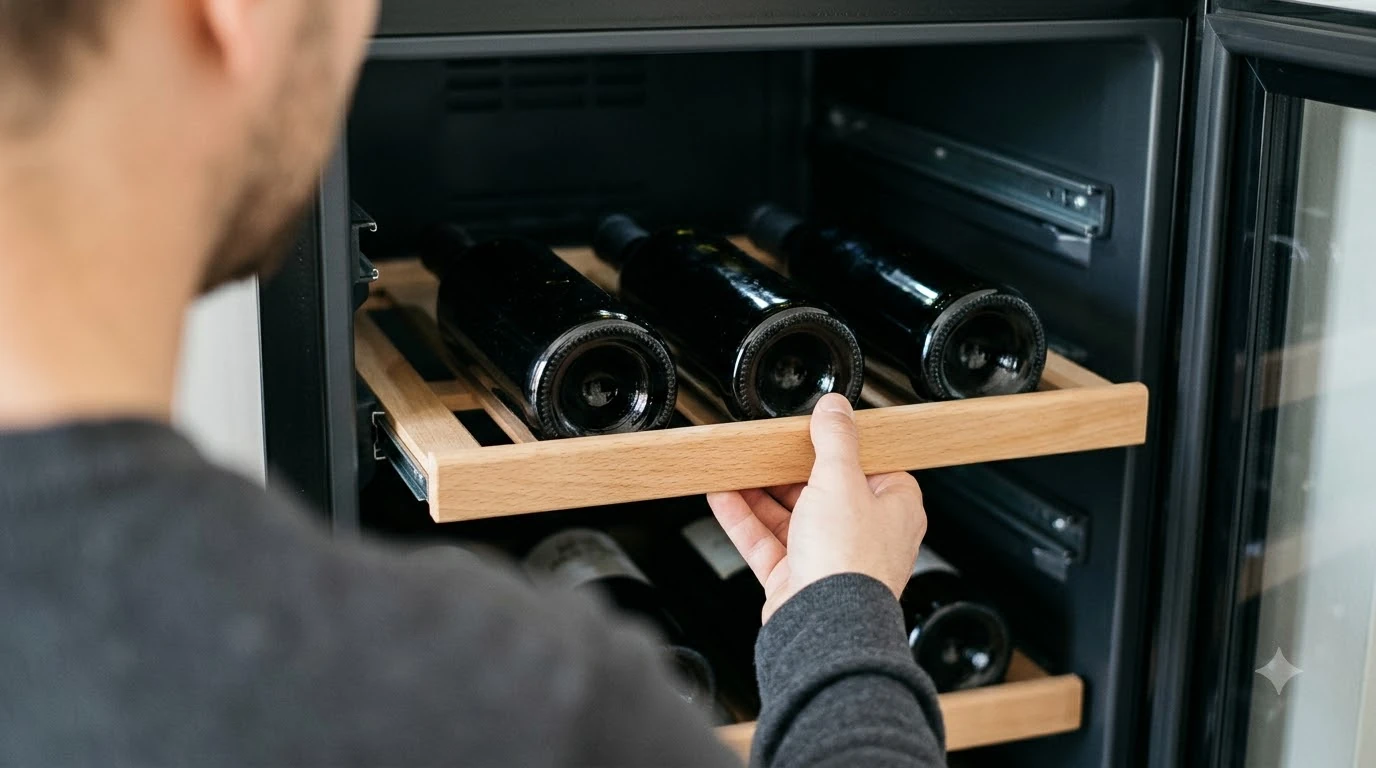
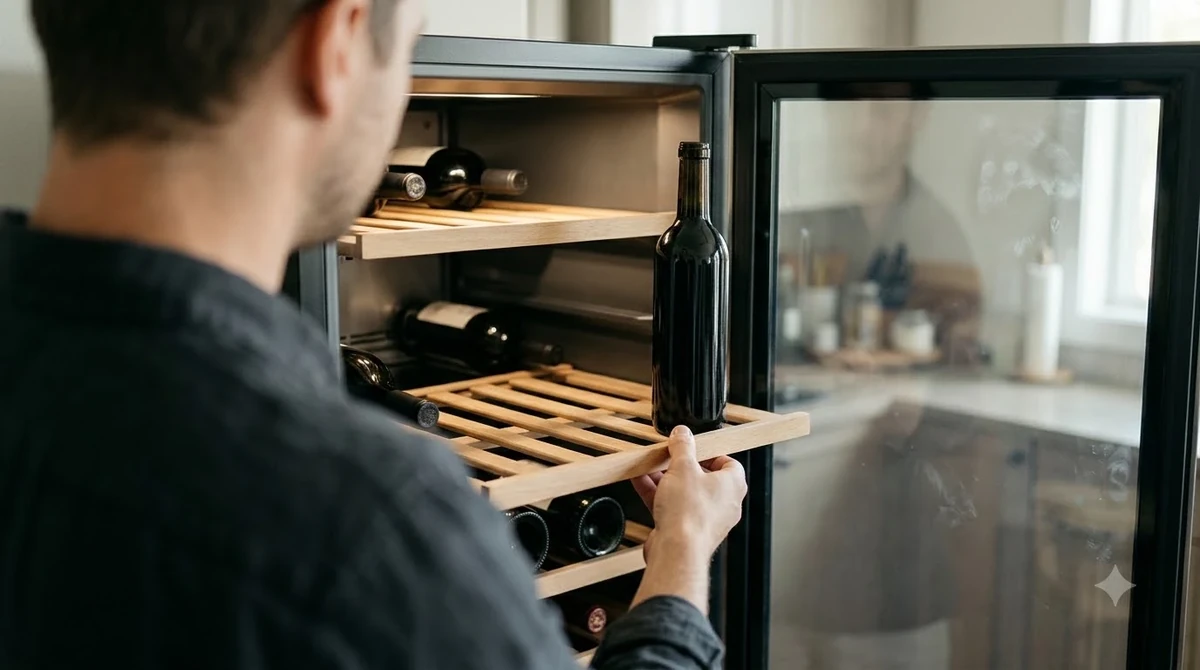
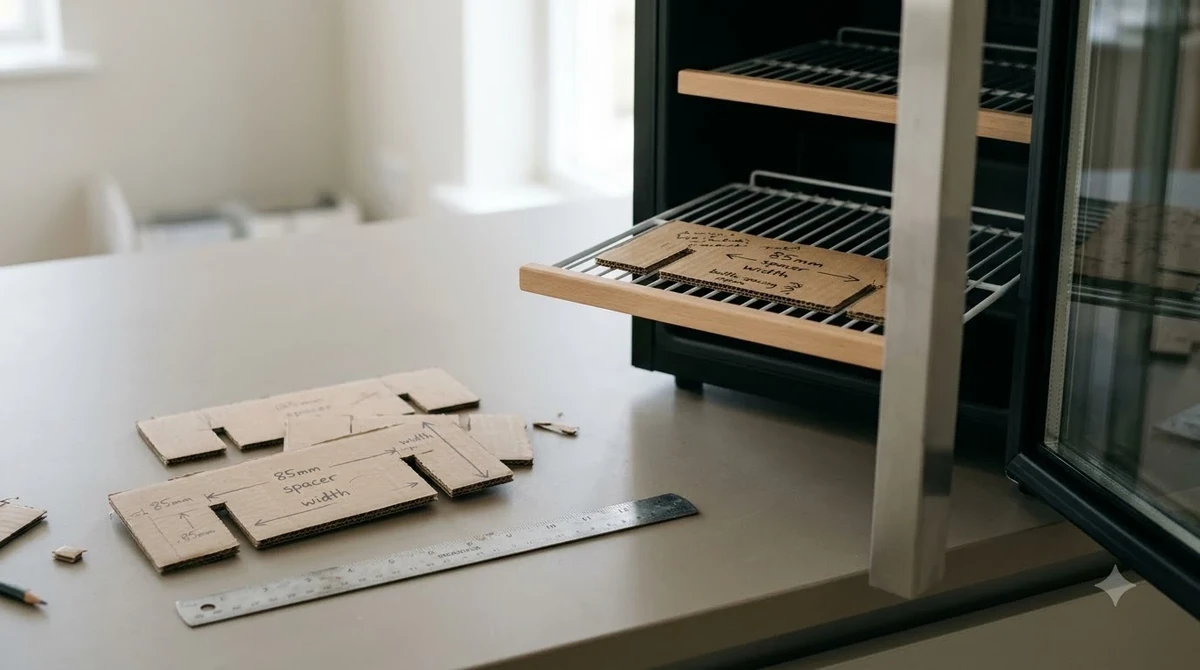
Light exposure poses a similar threat, particularly for mulled wines bottled in clear or lightly tinted glass. Ultraviolet rays trigger light-strike reactions that degrade aromatic compounds and leave the wine smelling faintly of wet cardboard or cooked cabbage. A closed pantry shelf, basement closet, or dedicated wine fridge provides ideal protection from both ambient light and daily temperature swings.
Bottle orientation depends entirely on the closure type. Bottles sealed with natural cork should rest horizontally so the wine keeps the cork moist and swollen against oxygen entry, whereas screw-cap bottles—which make up the majority of commercial Glühwein releases—can stand upright without any risk of seal drying.
Tip: Write the purchase year on the back label with a metallic marker before tucking leftover holiday bottles into your pantry so you always know which bottle to open first next winter.
Opened vs. Unopened: How Timeline Changes After Opening
Breaking the factory seal introduces oxygen into the headspace, shortening mulled wine’s lifespan from several years down to 3 to 5 days in the refrigerator. Heating the wine on the stovetop further accelerates this clock by driving off protective volatile compounds and altering the liquid’s chemistry.
If you pour a single glass from a cold bottle without warming the entire batch, promptly recorking or screwing the cap back on and placing the bottle upright in the fridge preserves its spice profile for up to 5 days. Chilling slows down oxidation reactions, keeping the fruit vibrant until you are ready to warm another mug. For best results, only heat the exact portion you plan to serve rather than warming and cooling the full bottle repeatedly.
When you simmer a whole bottle on the stove—or make a homemade batch from scratch—let the leftover liquid cool to room temperature before transferring it into a clean, airtight glass jar. Strain out any loose cloves, cinnamon sticks, or citrus slices first; leaving whole spices and orange pith submerged in stored wine leads to harsh, overly bitter extraction over the next few days. When reheating refrigerated leftovers, warm them gently over low heat until steaming without letting the mixture boil.
Understanding how oxygen affects different fermented beverages makes pantry management much easier across all wine styles, whether you are storing seasonal spiced reds or checking how long mead lasts unopened alongside your winter bar supplies.
How to Tell If Unopened Mulled Wine Has Gone Bad
Unopened mulled wine rarely spoils in a way that poses a safety hazard, yet oxidation or heat damage can leave it flat, sour, or unpleasant to drink. A quick visual, aromatic, and taste check before heating a whole pot prevents you from wasting garnishes or serving a flawed mug to guests.
Start by inspecting the bottle and closure before opening. A cork that pushes slightly above the lip of the bottle or sticky sugar residue seeping around a screw cap signals that high temperatures caused the wine to expand and break its seal. Inside the glass, healthy red mulled wine should display a deep ruby or garnet hue; a noticeably muddy brown rim indicates advanced oxidation.
Once opened, pour a small splash into a glass at room temperature before warming it on the stove. Heating intensifies both pleasant spice aromas and off-putting flaws, so sniffing the cool wine first gives you the clearest read. Fresh mulled wine smells distinctly of ripe berries, bright orange zest, cinnamon, and clove, whereas an oxidized bottle gives off sharp notes of cider vinegar, sherry, or stewed prunes. If the wine tastes aggressively sour, flat, or metallic, discard it rather than trying to mask the flaw with extra sugar or brandy.
Frequently Asked Questions
Does unopened mulled wine have an expiration date?
Most bottled mulled wines do not carry a strict expiration date because alcohol and acidity prevent harmful bacterial growth. Some producers print a best-by date or bottling code on the back label to indicate peak flavor freshness, which usually falls within 1 to 3 years of release.
Can you drink unopened mulled wine that is 5 years old?
Yes, if the bottle has been stored in a cool, dark place with an intact seal, 5-year-old mulled wine is generally safe to drink. Expect the bright citrus and spice notes to taste noticeably softer and more muted than a freshly bottled release, especially in lower-alcohol red or white styles.
Should you store unopened mulled wine in the refrigerator?
A standard kitchen refrigerator is colder and drier than ideal for multi-year storage, though keeping an unopened bottle in the fridge for a few weeks or months before the holidays is completely fine. For storage lasting a year or longer, a dark pantry, closet, or wine fridge set around 55°F is a better choice.
Can you freeze leftover mulled wine to make it last longer?
Yes, cooled leftover mulled wine can be frozen in a freezer-safe container or ice cube tray for up to 3 months, leaving an inch of headspace for liquid expansion. Thaw the portion overnight in the refrigerator and reheat it gently over low heat without boiling so the remaining alcohol and spice aromatics stay intact.
Properly stored away from heat and sunlight, an unopened bottle of mulled wine easily carries over from one winter season to the next without losing its cozy spice character. Always inspect the seal and sample a small sip before warming a batch on the stove to ensure the fruit and citrus notes remain lively.
More in Wine Types & Grapes
 Zinfandel Sugar Content: Dry Red vs. White Zinfandel GramsUpdated Nov 21, 2026
 Best Zinfandel Substitute Options for Sipping and CookingUpdated Nov 21, 2026
 Zweigelt Food Pairing: Best Dishes, Cheeses, and Serving TipsUpdated Nov 21, 2026
 Zinfandel Tannins Explained: How Structure Shapes Every BottleUpdated Nov 21, 2026
 Zinfandel Sweetness Level: Dry Red vs. Sweet White Zin ExplainedUpdated Nov 21, 2026
 Xinomavro Food Pairing: Best Dishes, Styles, and Serving TipsUpdated Nov 21, 2026