

We may earn a commission when you buy through links on this page, at no extra cost to you. Learn more.
If you are wondering how long does moscato d asti last unopened, the ideal drinking window for most bottles is within 1 to 2 years of the vintage date printed on the label. Stored in a cool, dark place at 45 to 55°F (7 to 13°C), standard releases keep their fresh grape perfume and gentle spritz for up to 18 to 24 months, while rare lees-aged or late-harvest bottlings can evolve gracefully for 5 to 7 years. Because Moscato d’Asti is made for immediate aromatic freshness rather than long-term cellaring, opening it young gives you the best balance of natural sweetness, crisp acidity, and lively frizzante bubbles.
Unlike red wines packed with tannins or high-acid dry whites built to mature in a cellar, Moscato d’Asti captures the fleeting, floral essence of freshly crushed Moscato Bianco grapes. Winemakers bottle it within weeks of harvest to lock in volatile aromatic compounds, meaning the clock starts ticking the moment that harvest year appears on the front label.
Why Moscato d’Asti Has a Short Drinking Window
Moscato d’Asti is engineered in the winery to taste like fresh grape juice lifted by a soft sparkle, which naturally limits its shelf life to 1 to 2 years for standard releases. Its low alcohol content, gentle carbonation, and reliance on delicate aromatic terpenes mean that time slowly dulls the very qualities that make the wine special.
Under Italian DOCG rules, Moscato d’Asti finishes fermentation at just 4.5% to 6.5% alcohol by volume (ABV), with most bottles sitting right around 5% to 5.5% ABV. Producers achieve this by chilling the pressurized stainless-steel tank and filtering out the yeast early, leaving behind roughly 120 to 130 grams per liter of natural grape sugar and a soft frizzante pressure of 1.7 to 2.5 bar. That gentle carbonation is about half the pressure of Prosecco and a quarter that of Champagne, so even a microscopic amount of gas loss over time makes the wine feel noticeably flatter on the palate.
Furthermore, the signature scents of white peach, orange blossom, sage, and elderflower come from delicate aromatic molecules such as linalool and geraniol. As Wine Folly’s Moscato d’Asti DOCG guide notes, producers often move the wine from grape to bottle in as little as 30 days specifically to preserve those fragile aromatics. Once bottled, slow oxygen ingress gradually breaks down those floral compounds, shifting the profile from bright, zesty fruit toward heavier notes of dried apricot and honey.
Shelf Life Timeline by Bottle Style
While standard supermarket bottles are best enjoyed within 12 to 18 months of harvest, not every bottle from Piedmont ages at the exact same pace. Knowing how your specific bottle was made—and how it compares to related styles—helps you decide whether to chill it tonight or hold onto it for an upcoming celebration.
If you are comparing different sweet and sparkling bottles in your pantry, the broader category of how long does moscato last unopened spans anywhere from one year for still versions to three years for fully sparkling styles. Within the Asti zone itself, traditional Moscato d’Asti relies on a single arrested fermentation, whereas how long does asti spumante last unopened differs slightly because Asti Spumante DOCG is bottled at 5 to 6 bar of pressure and 7% to 9.5% ABV, giving its bubbles a bit more staying power.
A small subset of artisanal Piedmontese producers also craft single-vineyard or lees-aged Moscato d’Asti, keeping the cold must on its fine lees for four to six months before bottling, or producing rare Vendemmia Tardiva (late-harvest) bottlings at a minimum of 11% ABV. These structured exceptions can develop intriguing notes of candied citrus, herbs, and mountain honey over 5 to 7 years in a cold cellar, though everyday bottles will simply fade over that same span.
| Style | Typical ABV | Bottle Pressure | Peak Unopened Window | Flavor Shift Over Time |
|---|---|---|---|---|
| Standard Moscato d’Asti DOCG | 4.5% to 6.5% | 1.7 to 2.5 bar (frizzante) | 1 to 2 years from vintage | Fresh peach and blossom fade to soft honey |
| Lees-Aged / Cru Moscato d’Asti | 5% to 6.5% | 1.7 to 2.5 bar (frizzante) | 3 to 7 years (cellared) | Gains dried apricot, sage, and mineral depth |
| Moscato d’Asti Vendemmia Tardiva | Minimum 11% | Still to light spritz | 5 to 7+ years | Evolves into rich marmalade and spice |
| Asti Spumante DOCG | 7% to 9.5% | 5 to 6 bar (spumante) | 1 to 3 years | Crisp pear and citrus soften; fizz stays longer |
How to Read the Label Before You Buy or Store
Because unopened wine bottles do not carry a mandatory expiration or best-before date in the United States or Europe, the harvest vintage printed on the front label is your primary freshness clock. Checking that four-digit year takes two seconds and prevents you from bringing home a bottle that has already spent three summers on a warm retail shelf.
Under Consorzio dell’Asti DOCG production rules, displaying the vintage year is mandatory on every bottle of Moscato d’Asti DOCG. Unlike non-vintage Prosecco or Champagne—which blend wines from multiple harvests and require you to guess when the bottle was disgorged—Moscato d’Asti tells you the exact autumn those grapes were picked. When shopping, reach for the most recent harvest available, ideally within 12 to 18 months of the current year.
You can also check the back label for the official Italian DOCG neck strip (fascetta), a pink-and-bronze government seal wrapped over the capsule that guarantees authenticity and origin. If you browse different Wine by Type categories, you will notice that packaging format dictates shelf life just as much as vintage; for instance, how long does boxed wine last unopened is governed by a printed best-by date on the cardboard rather than a harvest year. For Moscato d’Asti, however, the vintage year on the glass bottle is always your guiding metric.
Best Storage Conditions to Maximize Freshness
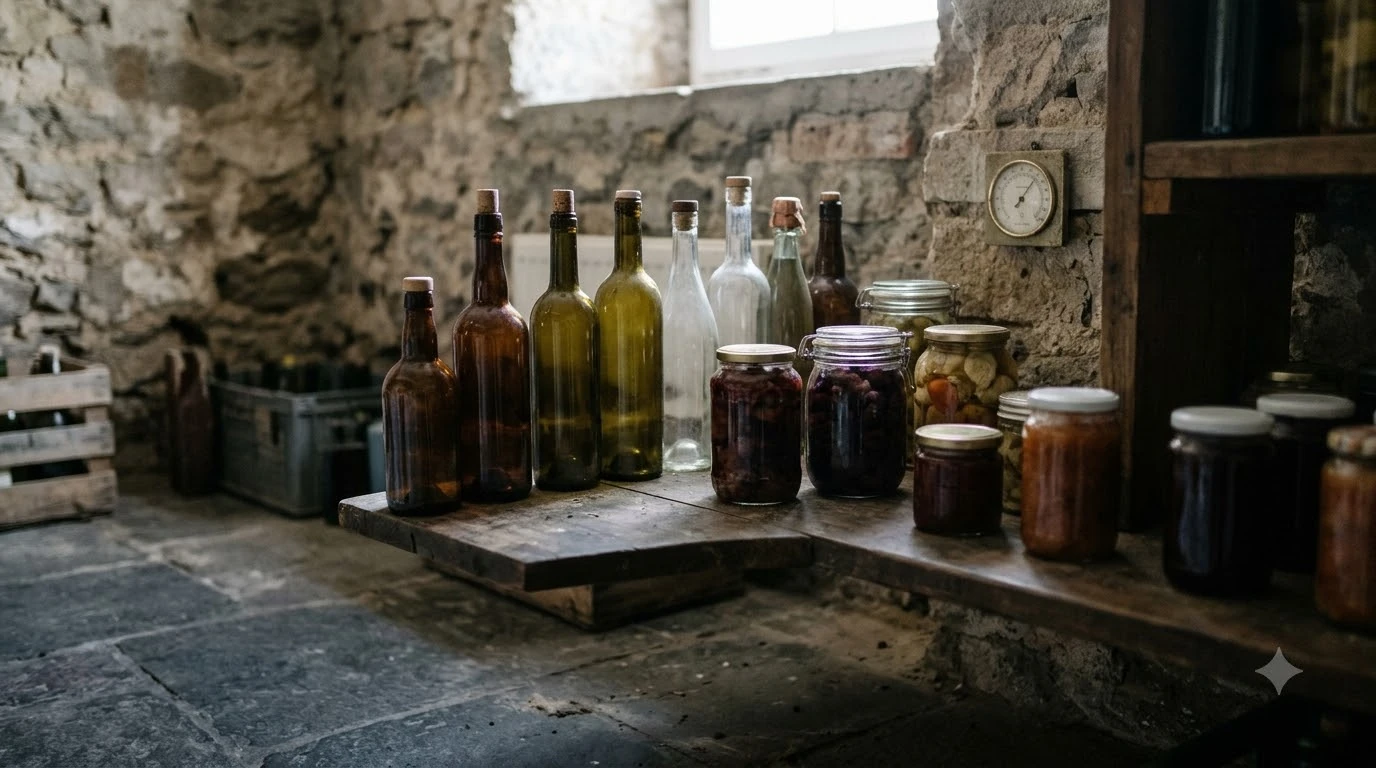
Where you keep an unopened bottle of Moscato d’Asti matters just as much as its age, because heat and ultraviolet light can strip away its floral perfume in a matter of weeks. Proper storage slows down oxidation and keeps the natural carbon dioxide dissolved in the wine until you are ready to pop the cork.
Aim to keep your bottles in a dark, vibration-free spot with a steady temperature between 45 and 55°F (7 to 13°C). Avoid storing bottles on top of the refrigerator, near a stove, or beside a sunny kitchen window, as heat above 70°F accelerates premature aging and causes the liquid inside to expand and push against the seal. Because many producers bottle Moscato d’Asti in clear or pale green glass to show off its bright straw-yellow hue, UV rays from sunlight or harsh overhead bulbs can quickly trigger “light strike,” leaving the wine smelling dull or sulfurous.
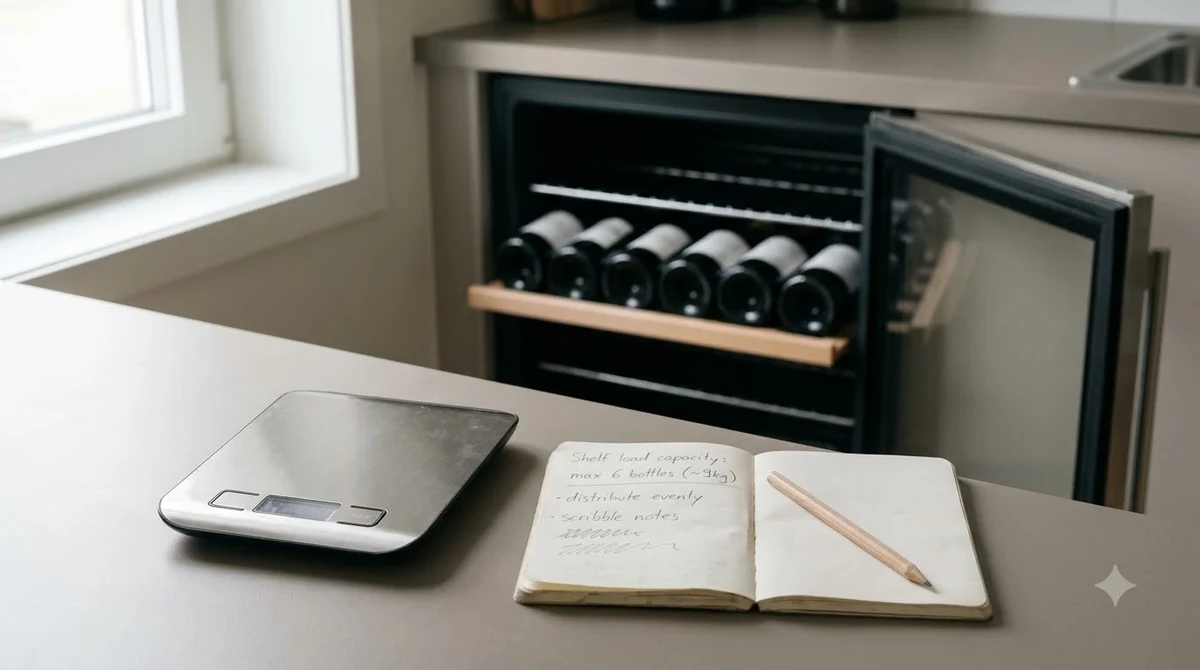
Bottle orientation depends on the closure your winemaker used. Many traditional Moscato d’Asti bottles are sealed with a flush, straight-sided natural cork held in place by a wire hood, while modern exports frequently use a Stelvin screw cap. Cork-finished bottles benefit from lying on their side in a cool rack so the wine keeps the cork moist and airtight, whereas screw-cap bottles can stand upright in a pantry or wine fridge without any risk of drying out.
Tip: Do not store unopened Moscato d’Asti in your kitchen refrigerator for months on end; standard fridge temperatures around 37°F are too cold and dry for long-term cork health, so move the bottle to the fridge just two to three hours before serving.
Signs Your Unopened Moscato d’Asti Has Gone Past Its Prime
Wine past its peak drinking window rarely becomes unsafe to drink, so you do not need to worry about foodborne illness if you open an older bottle. Instead, an expired or heat-damaged Moscato d’Asti simply loses the vibrant aromatics, balanced acidity, and gentle fizz that make it enjoyable.
Before you even pull the cork, inspect the bottle visually for warning signs of heat exposure or seal failure. If the cork is pushing upward above the rim of the glass, or if you see sticky, dried wine residue seeping around the foil capsule, temperature swings have forced air into the bottle and oxidized the wine. Look at the color through the glass as well: fresh Moscato d’Asti glows pale straw-yellow with green highlights, whereas an oxidized bottle shifts toward deep gold, amber, or dull brownish-orange.
Once poured, let your nose and palate make the final call. A sound bottle bursts with fresh white peach, mandarin, and orange blossom, followed by a clean, prickly spritz on the tongue. If the wine smells like bruised apples, wet cardboard, or sharp vinegar, or if the sweetness feels cloying and syrupy because the balancing acidity and bubbles have vanished, the bottle is past its prime and best poured down the sink.
Frequently Asked Questions
Does unopened Moscato d’Asti expire?
Unopened Moscato d’Asti does not carry an expiration date and will not spoil like dairy, so drinking an older bottle will not make you sick. However, it has a short peak drinking window of 1 to 2 years from its vintage date. After two years, the wine gradually loses its gentle frizzante bubbles and fresh floral aroma, tasting flat and overly sweet.
Can you age Moscato d’Asti in a wine cellar?
Standard Moscato d’Asti is crafted to be drunk young and does not improve with cellaring, as aging strips away the fresh grape perfume that defines the style. Only a handful of specialized, lees-aged single-vineyard bottlings or late-harvest Vendemmia Tardiva releases have the structure to evolve positively over 5 to 7 years. For everyday bottles, enjoy them within 18 months of harvest.
Should I store unopened Moscato d’Asti in the fridge?
Your kitchen refrigerator is great for chilling Moscato d’Asti for a few days or up to two weeks before you plan to open it. For longer storage of several months, a standard fridge is slightly too cold and dry, which can shrink natural corks and dull delicate aromas. Keep unopened bottles in a cool, dark closet or wine cooler at 45 to 55°F until the day you serve them.
How long does Moscato d’Asti last after opening?
Once opened, Moscato d’Asti stays fresh for only 1 to 3 days in the refrigerator. Because the wine starts with gentle frizzante pressure rather than aggressive Champagne-level carbonation, its bubbles dissipate quickly once exposed to air. Resealing the bottle immediately with an airtight sparkling wine stopper helps preserve both the spritz and the floral aromatics between pours.
Treat Moscato d’Asti like fresh seasonal fruit rather than a collectible trophy bottle: check the vintage year on the label, keep it cool and out of direct light, and open it within a year or two of harvest. When caught in that sweet spot, every glass delivers the bright, aromatic lift that makes Piedmont’s favorite frizzante wine so effortless to enjoy.
More in Wine Types & Grapes
 Zinfandel Sugar Content: Dry Red vs. White Zinfandel GramsUpdated Nov 21, 2026
 Best Zinfandel Substitute Options for Sipping and CookingUpdated Nov 21, 2026
 Zweigelt Food Pairing: Best Dishes, Cheeses, and Serving TipsUpdated Nov 21, 2026
 Zinfandel Tannins Explained: How Structure Shapes Every BottleUpdated Nov 21, 2026
 Zinfandel Sweetness Level: Dry Red vs. Sweet White Zin ExplainedUpdated Nov 21, 2026
 Xinomavro Food Pairing: Best Dishes, Styles, and Serving TipsUpdated Nov 21, 2026