

We may earn a commission when you buy through links on this page, at no extra cost to you. Learn more.
How long does mead last after opening? Usually several weeks to a few months, depending on its style, sweetness and alcohol level. Sweeter, higher-alcohol meads generally hold their character longer than light, dry ones. Reseal the bottle tightly, keep it cold, and taste before serving if it has been open for a while.
Mead is one of the older fermented drinks in the world, and many people open a bottle for a special occasion and then wonder how much time is left. The answer is less precise than it is for many table wines, because mead comes in a wide range of styles. This guide explains what changes after opening, how to store an open bottle, and how to tell when a mead has gone off.
What mead is and why style matters
Mead is an alcoholic beverage made by fermenting honey mixed with water. Producers often add fruit, spices, grains or hops, and the drink is also known as honey wine or hydromel, according to the encyclopedia entry on mead. The alcohol content can range from about 3.5% ABV to more than 20%, so a light, sparkling session mead and a fortified-strength sipping mead behave very differently once the cork or cap comes off.
That range is the single biggest factor in how long an open bottle lasts. Lower-alcohol meads offer less protection against spoilage and tend to taste their freshest within a short window. Stronger meads contain more alcohol, which slows the growth of spoilage microbes, so they usually hold up longer after opening.
How long different meads keep after opening
Storage time depends on the bottle, but a rough guide helps when you are planning what to drink first. Treat these as general ranges rather than promises, and let your nose and palate be the final judge.
| Type of mead | Typical character | General guidance after opening |
|---|---|---|
| Light, dry or session mead | Lower alcohol, crisp, floral | Drink within a few days to a couple of weeks |
| Semi-sweet or fruit mead | Medium body, fruit-forward | Often keeps a few weeks when sealed and chilled |
| Sweet, higher-alcohol mead | Full body, rich honey notes | Usually keeps longer, often several weeks to a few months |
| Sparkling mead | Bubbly, lively | Lose fizz quickly, so drink soon after opening |
Sparkling meads are the exception to the “keeps for weeks” rule. Once the bottle is open, carbonation fades within a short time, and the drink loses the lift that makes it appealing. If you open a sparkler, plan to finish it the same day or the next.
How to store an open bottle
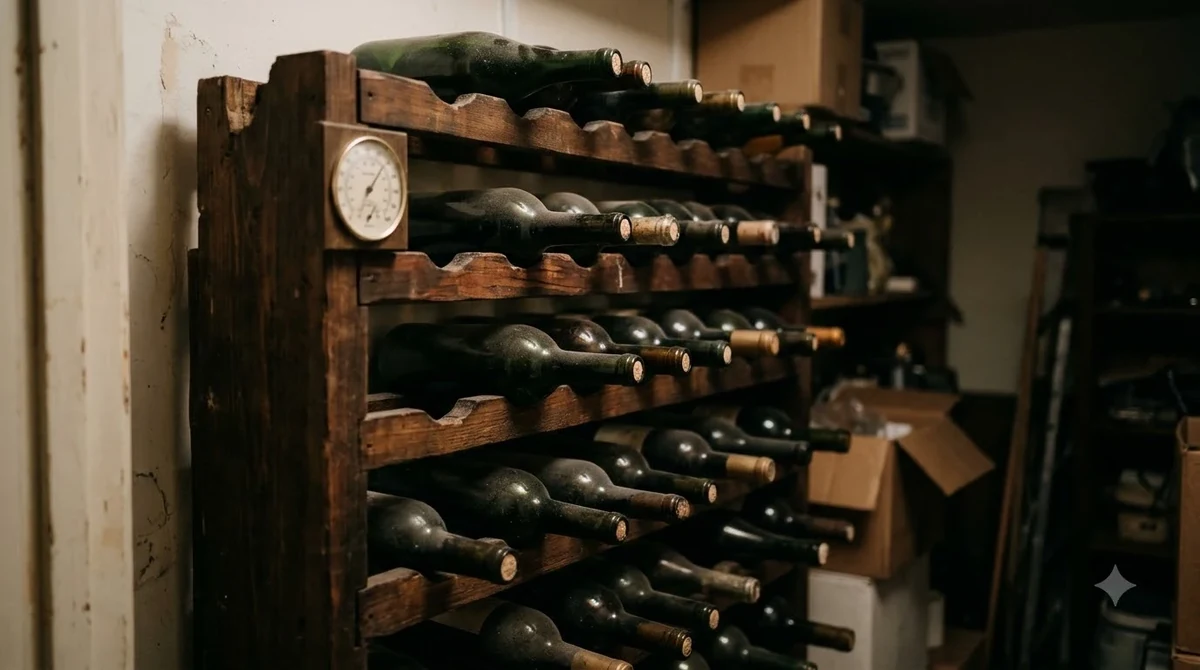
Good storage matters more than most people expect. Oxygen is the main enemy of an open bottle, because it slowly dulls aroma and flavor. Push the cork back in firmly, or fit a sealing stopper, and store the bottle upright in the refrigerator. Cold slows the chemical changes that make a mead taste flat or stale.
Use a smaller container if the bottle is mostly empty. Transferring the remaining mead into a half-full bottle reduces the air above the liquid. Keep the bottle away from light and heat, since both speed up flavor loss. Many people keep the bottle in the door of the fridge, but a shelf toward the back is more stable for temperature.
Signs an open mead has gone bad
Trust your senses before you trust a date. A mead that has turned usually shows clear signs. The most obvious is a sour or vinegar-like smell, which suggests that acetic bacteria have been at work. A cloudy or unusually fizzy appearance can point to renewed fermentation, especially in a bottle that was not fully stable when it was sealed.
Flavor is the other clue. A mead that tastes flat, dull or oddly sharp has likely lost its aromatic balance. Mild changes, such as a little less fruit or honey on the nose, do not always mean the drink is unsafe, but they do mean it is past its best. When in doubt, pour a small amount and taste it before serving it to guests.
Serving an open mead well
Mead is often served cool rather than ice cold. Chilling it lightly lets the honey aromas come through, while very cold temperatures can mute them. A medium-sized glass with a narrow rim concentrates the aroma, which helps you judge whether the drink is still fresh.
If you are unsure whether a mead still tastes right, serve it alongside a bottle you know is fresh, or pair it with simple food such as soft cheese, fruit or mild desserts. Pairings can mask small flaws, so use them as a way to enjoy the drink rather than as a test. For more on how to store and serve a mead before you open it, see should mead be chilled.
Common mistakes that shorten an open mead’s life
Most of the problems people run into come from a few habits rather than from the bottle itself. Leaving the cork loose or the cap half-screwed is the most common one, because the small amount of air trapped in the neck is enough to start dulling the aroma over a few days. Pouring the mead back and forth between glasses and the bottle also introduces air and, with it, bacteria from fingers and utensils.
Another mistake is storing the bottle on the counter next to a window or a stove. Warm, bright conditions speed up flavor loss, especially in lighter meads that have less alcohol to protect them. Some people also keep the bottle standing in the refrigerator door, where it warms each time the door opens. A steady shelf inside the fridge is a better choice.
Finally, many people wait too long to finish a bottle that is clearly past its best and then blame the drink. If a mead has been open for several weeks and tastes flat, consider using it in a recipe, such as a glaze, a marinade or a warm spiced drink, where small changes in flavor matter less than they would in a glass on its own.
Who should check the bottle carefully
Anyone who is sensitive to alcohol, pregnant, or managing a medical condition should follow the advice of their own health professional about drinking, and should not rely on a storage guide for that decision. For everyone else, the practical rule is simple: if the mead smells and tastes right, it is usually fine to enjoy, and if it does not, pour it out and move on.
Frequently Asked Questions
Does mead go bad after opening?
Mead does not turn quickly like fresh juice, but it does change over time. Oxygen dulls aroma and flavor, and a sour or vinegar-like smell means the drink has spoiled. Sweeter, stronger meads usually last longer than light, dry ones.
Should you refrigerate an open bottle of mead?
Yes. Reseal the bottle tightly and keep it in the refrigerator. Cold slows the chemical changes that flatten flavor, and it helps preserve the honey character longer.
How can you tell if an open mead has turned?
Look for a sour or vinegar smell, unusual cloudiness, or new fizziness in a still mead. A flat, dull taste is another sign that the drink has lost its balance and should be finished or discarded.
Does sparkling mead keep like still mead?
No. Carbonation fades quickly after the seal is broken, so sparkling mead is best finished within a day or so. Keep it cold and sealed in the meantime to slow the loss of fizz.
Mead rewards a little care. Know the style of the bottle, seal it well, keep it cold, and taste before you pour for others. For broader guidance on wine categories and how each one handles storage, browse wine by type, and see how long a similar bottle keeps in how long does white wine last unopened.
More in Wine Types & Grapes
 Zinfandel Sugar Content: Dry Red vs. White Zinfandel GramsUpdated Nov 21, 2026
 Best Zinfandel Substitute Options for Sipping and CookingUpdated Nov 21, 2026
 Zweigelt Food Pairing: Best Dishes, Cheeses, and Serving TipsUpdated Nov 21, 2026
 Zinfandel Tannins Explained: How Structure Shapes Every BottleUpdated Nov 21, 2026
 Zinfandel Sweetness Level: Dry Red vs. Sweet White Zin ExplainedUpdated Nov 21, 2026
 Xinomavro Food Pairing: Best Dishes, Styles, and Serving TipsUpdated Nov 21, 2026