

We may earn a commission when you buy through links on this page, at no extra cost to you. Learn more.
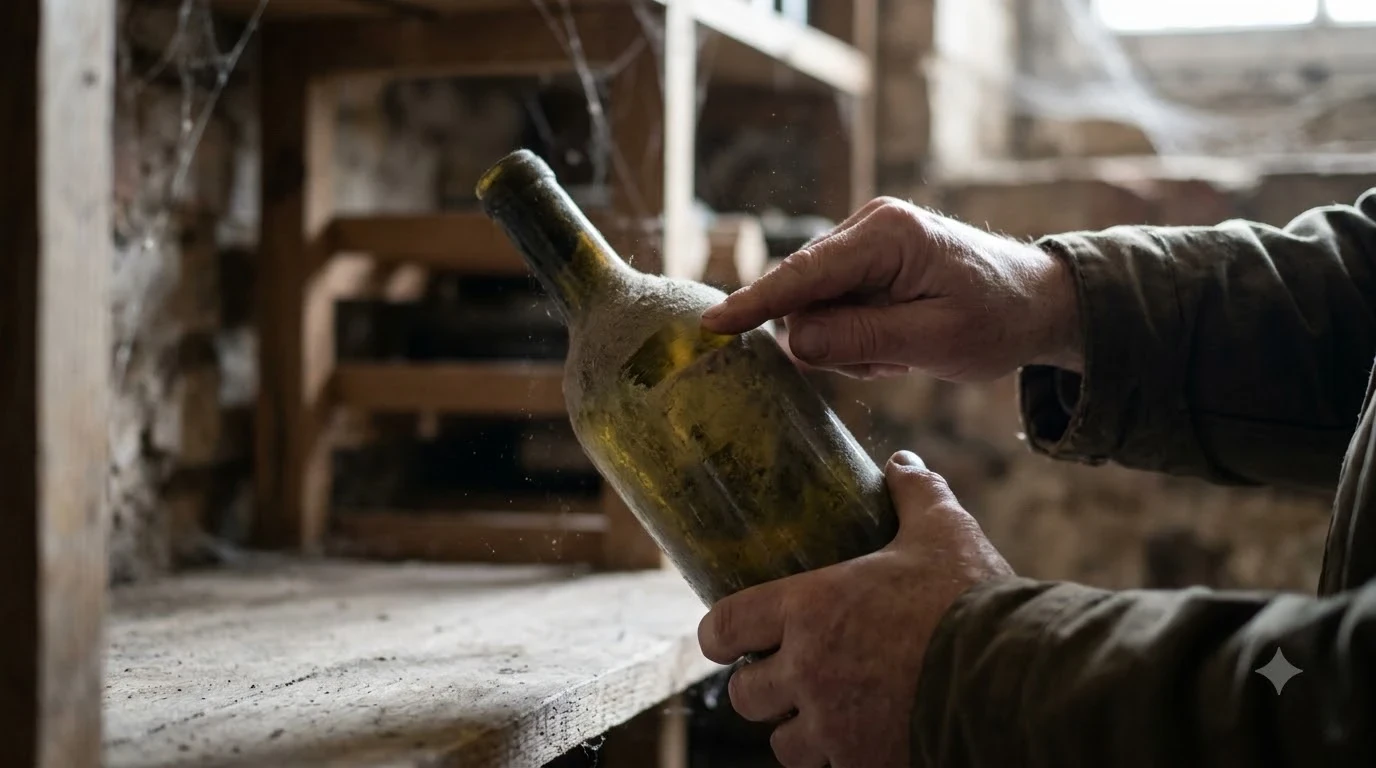
How long does malbec last unopened? Most everyday Malbec is best enjoyed within 3–5 years of its vintage date, while carefully selected premium bottles can develop for 10 years or longer under suitable storage conditions. The actual drinking window depends on grape quality, winemaking, tannin structure, acidity, and the environment in which the bottle is kept. An unopened bottle does not automatically improve with age, and poor storage can shorten its useful life considerably.
Malbec is a popular dry red wine known for its dark fruit flavors, smooth texture, and moderate tannins. Although Argentina is its best-known modern home, Malbec also has a long history in southwest France, particularly Cahors. These different origins, along with differences in vineyard quality and winemaking, explain why some bottles are intended for relatively early drinking while others can reward several years in a cellar. Understanding the vintage, producer, and storage conditions will help you decide when to open your bottle.
Typical Unopened Malbec Shelf Life by Wine Style
Most everyday Malbec reaches its best drinking window within 3–5 years of the vintage, while structured reserve wines can remain attractive considerably longer. The distinction is between wines made for fresh fruit enjoyment and wines built with enough concentration, acidity, and tannin to develop in the bottle.
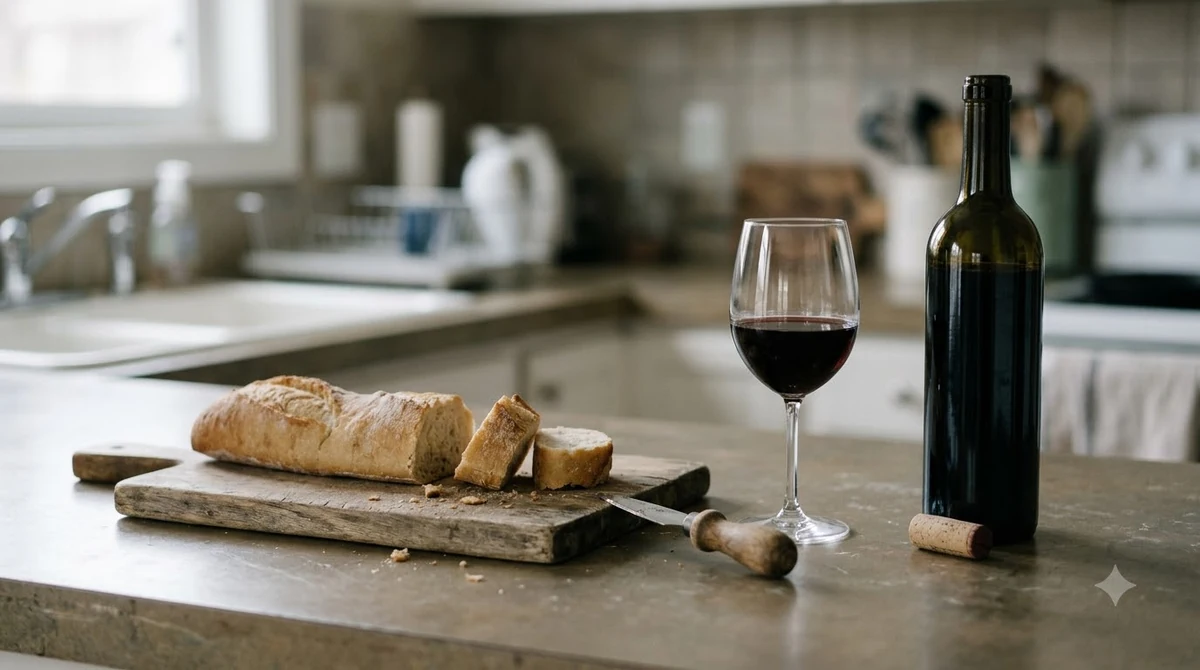
For a standard supermarket or everyday Argentine Malbec, the first few years are generally the safest choice for preserving its intended character. These wines commonly emphasize blackberry, plum, black cherry, and a rounded texture. Their appeal comes from fresh fruit rather than the complex secondary aromas that develop through extended aging.
Premium Malbec can follow a different timeline. Concentrated grapes, careful vineyard selection, balanced acidity, substantial tannins, and considered oak aging can provide the structure necessary for bottle development. Some premium examples can evolve for a decade or longer, although this should not be assumed for every bottle carrying a reserve designation.
The following ranges are practical drinking-window estimates rather than guaranteed expiration dates. They refer to time from the vintage date, not the date the bottle was purchased.
| Malbec style | Typical drinking window | Expected development |
|---|---|---|
| Everyday Argentine Malbec | 2–4 years | Fresh blackberry and plum |
| Modern fruit-forward Malbec | 3–5 years | Juicy fruit and smooth texture |
| Structured Cahors Malbec | 5–10 years | Firmer structure and savory character |
| Premium reserve Malbec | 5–10 years or longer | More integrated tannins and complexity |
| Exceptional cellar-worthy Malbec | 10–15 years or longer | Developed aromas and softer structure |
These ranges are guidelines, not universal promises. A carefully made everyday wine might remain enjoyable beyond its expected window, while an expensive bottle exposed to prolonged heat could lose its freshness much sooner. Producer recommendations and the wine’s actual condition matter more than the number of years alone.
It is also useful to distinguish between a wine that remains drinkable and one that remains at its peak. An older Malbec may still be perfectly suitable to pour, but its original blackberry and plum flavors may have become less prominent. If you prefer vibrant fruit and a softer, youthful style, opening the bottle earlier is usually the better decision.
How Vintage, Quality, and Origin Affect Malbec Longevity
Malbec’s aging potential depends more on the individual wine than on the grape name alone. Mendoza, Cahors, and other growing regions produce different expressions, and the concentration, tannin, acidity, and winemaking decisions determine how successfully each bottle develops.
Argentina is the most familiar source of Malbec for many American wine drinkers. Mendoza is especially important, with wines ranging from approachable, fruit-driven bottles to concentrated examples made from carefully selected vineyards. Many modern Argentine Malbecs are intended to be enjoyed relatively young, particularly those emphasizing ripe blackberry, plum, and soft tannins.
However, Mendoza also produces serious cellar-worthy wines. Specific vineyard locations, altitude, climate, grape maturity, and winemaking choices can produce a more structured wine with greater aging potential. Decanter highlights the importance of identifying individual subregions and vineyards rather than assuming every Mendoza Malbec has the same character.
Cahors in southwest France offers another perspective. French Malbec is often firmer, more savory, and more structured than the plush styles commonly associated with Argentina. Its tannins and earthy character can make certain examples more suitable for extended aging.
Winemaking also matters. Malbec fermented or aged in stainless steel, ceramic, or concrete may emphasize fruit and freshness, while carefully managed oak aging can contribute additional structure and complexity. Neither approach automatically determines longevity; the balance of the finished wine is more important.
For additional context, how long does cabernet sauvignon last unopened is another useful comparison because Cabernet Sauvignon generally has higher tannin levels and can have substantial aging potential when produced with suitable structure.
How to Store Unopened Malbec for Maximum Freshness
The best way to preserve unopened Malbec is to keep it in a consistently cool, dark environment, ideally around 55°F. Avoiding heat, direct sunlight, and major temperature fluctuations is more important than simply finding somewhere convenient to keep the bottle.
Wine storage temperature affects the chemical reactions responsible for bottle development. According to Purdue Extension’s wine storage guidelines, the recommended long-term storage range is 50–60°F (10–16°C). This is a useful target for Malbec intended to remain unopened for several years.
A normal kitchen cabinet may work for short-term storage if it remains relatively cool, but it is not necessarily appropriate for long-term cellaring. Areas near ovens, refrigerators that release heat, windows, radiators, and exterior walls exposed to direct sunlight are less suitable. A dark interior cupboard or dedicated wine refrigerator is generally preferable.
Temperature stability is particularly important. A bottle repeatedly exposed to warm afternoons and cooler nights experiences conditions that can accelerate unwanted aging. Purdue Extension explains that temperatures above 60°F can accelerate maturation, while exposure above 75°F can cause unusually rapid development and undesirable changes in aroma, flavor, and color.
Should Malbec bottles be stored horizontally?
Traditional cork-closed Malbec bottles are generally best stored on their sides. This position helps maintain contact between the wine and cork and reduces the possibility of excessive gas exchange through the closure. Screw-cap bottles do not require horizontal storage to maintain cork moisture, so they can generally be stored upright.
Keep the bottles somewhere with minimal vibration and limited exposure to strong odors. Although an occasional movement will not automatically ruin a bottle, a stable storage location is preferable for wine intended to mature over several years.
For longer-term storage, a dedicated wine refrigerator can provide more consistent conditions than an ordinary household refrigerator. Standard refrigerators are designed for food storage and are typically colder and less suitable for extended wine aging.
Tip: If you live in a warm climate, do not leave Malbec in a car, garage, sunny kitchen, or storage cupboard that becomes hot during the afternoon. A stable environment around 55°F is much safer for a bottle you intend to keep for several years.
How to Tell Whether Unopened Malbec Has Gone Bad
An unopened Malbec can lose quality even when its cork remains in place. Heat exposure, a damaged closure, excessive oxygen entry, and poor storage can all affect the wine before the bottle is opened.
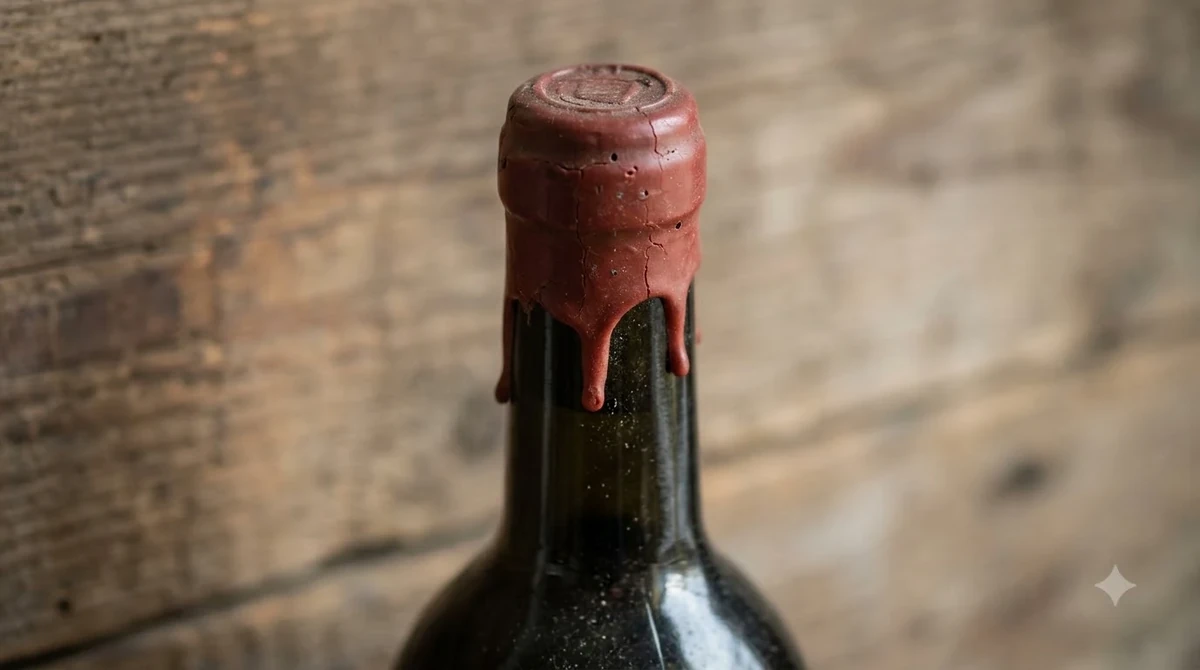
One of the first things to inspect is the condition of the bottle. Look for wine leaking around the cork or capsule, a cork that appears to have moved upward, or sticky residue around the neck. These signs can indicate that the bottle experienced excessive heat or pressure changes.
The fill level is another useful clue, especially with an older bottle. A significant gap between the wine and cork may indicate evaporation or leakage. However, some gradual changes in fill level can occur during extended aging, so this observation should be considered alongside the bottle’s overall condition.
After opening, examine the wine’s color and aroma. Young Malbec generally has a deep ruby or purple appearance. Older bottles may develop garnet or brick-red tones naturally, but unexpectedly brown coloration combined with dull aromas can indicate oxidation.
Smell is especially helpful. Malbec that has suffered oxidation may show aromas resembling bruised apples, stale nuts, or vinegar-like notes. A wine with strong unpleasant odors, little recognizable fruit, and a flat or harsh finish may have passed its best drinking stage.
Not every visual difference indicates spoilage. Older red wines can develop sediment as pigments and tannins combine and settle. This is a natural part of bottle development rather than proof that the wine is defective. Standing an older bottle upright before opening can help the sediment settle, making it easier to pour clear wine.
Also remember that an intact seal does not guarantee perfect wine. A bottle can be compromised by years of inappropriate storage even if its cork and capsule look normal. Once opened, the most reliable assessment comes from its aroma, flavor, and overall condition.
How to Recognize Malbec That Can Age for 10 Years or Longer
Long-lived Malbec usually has greater concentration, balanced acidity, and firmer tannins than an uncomplicated early-drinking bottle. These structural elements allow the wine to develop gradually instead of losing its fruit and freshness too quickly.
Look for producers that identify particular vineyards or subregions, especially in Mendoza and Cahors. Specific vineyard sourcing does not guarantee longevity, but it can provide useful information about the wine’s intended style and quality ambitions.
Reserve and single-vineyard bottlings may offer more aging potential than basic regional wines, although these terms are not universal guarantees. Read the producer’s drinking recommendations and consider whether the wine is designed for immediate enjoyment or extended cellaring.
Oak treatment can provide another clue. Some premium Malbecs spend time in barrels, gaining additional aromatic and structural complexity. Notes of vanilla, cocoa, cedar, and spice may accompany the dark fruit. However, a wine that tastes heavily oaked is not necessarily built to age longer.
Balance is the key. High alcohol, ripe fruit, and substantial tannins need sufficient freshness to create a wine capable of developing harmoniously. A concentrated wine that lacks acidity may become heavy and less appealing as its fruit fades.
Decanter’s discussion of benchmark Malbec emphasizes that top examples can have remarkable aging potential. Its Malbec buying guide also highlights the complexity that can come from older vineyards with genetically diverse Malbec selections. These factors help explain why some bottles develop beyond the typical drinking window.
What changes during bottle aging?
Young Malbec commonly displays blackberry, plum, black cherry, and violet. As it matures, fresh fruit aromas may become less pronounced, while savory notes, dried fruit, leather, tobacco, and earthy characteristics can become more apparent.
Tannins may also feel softer as the wine develops. This can create a more integrated texture and a longer, more complex finish. However, bottle aging does not guarantee improvement. Once the wine passes its peak, its fruit and aromatic complexity can gradually decline.
For anyone buying Malbec specifically to cellar, opening a bottle periodically from the same case can help identify its preferred drinking window. Keeping track of the vintage, storage conditions, and tasting impressions is a practical way to avoid waiting too long.
When to Open Malbec and How to Serve It
For most everyday Malbec, opening the bottle within 3–5 years of its vintage preserves the juicy fruit and approachable texture that make the variety popular. More structured bottles can be held longer, but the ideal opening time depends on whether you prefer fresh fruit or mature savory complexity.
Serving temperature also affects how the wine presents itself. A bottle served too warm can seem alcoholic and heavy, while excessive chilling can make its tannins feel more pronounced and suppress its aromas.
A practical serving range is 60–65°F for full-bodied red wines, although some Malbec benefits from being served slightly cooler. Decanter recommends 57–61°F (14–16°C), while De Bortoli suggests approximately 61–64°F (16–18°C). Both recommendations avoid the overly warm conditions associated with traditional room-temperature serving.
If the bottle has been stored at a warmer household temperature, place it in the refrigerator briefly before opening. A large red wine glass helps release its aromas, and a standard 5-ounce pour provides a useful serving size. A 750-milliliter bottle contains approximately five such glasses.
Young, fruit-forward Malbec usually needs little preparation. More structured or oak-influenced examples may benefit from 30–60 minutes of aeration in a decanter. Older bottles require more care because extended exposure to oxygen can diminish delicate aromas and flavors.
Malbec also works well with foods that complement its dark fruit and moderate tannins. Grilled steak, roast lamb, barbecue brisket, and aged cheddar are natural choices. Salt and fat can soften tannin, helping the wine feel smoother alongside richer dishes.
If you are comparing different types of unopened wine, how long does mead last unopened explains why sweetness, alcohol, and production methods can produce different storage expectations. For everyday packaged wine, how long does boxed wine last unopened is also relevant because the packaging creates a different storage timeline from traditional bottled Malbec.
Frequently Asked Questions
Can unopened Malbec improve after 15 years?
Some exceptional Malbecs can remain enjoyable for 15 years, particularly concentrated wines from carefully selected vineyards. However, that length of aging is not appropriate for most everyday bottles. Wines intended for long cellaring need suitable structure and consistently controlled storage throughout their development.
Does a screw-cap Malbec last as long as a cork-sealed bottle?
Yes, screw-cap Malbec can age successfully, and closure type alone does not determine the wine’s drinking window. Screw caps can provide a consistent seal and do not require horizontal positioning to keep a cork moist. The wine’s composition, oxygen management, and storage conditions remain important.
Can unopened Malbec develop crystals or sediment?
Yes. Red wine can develop natural sediment as pigments and tannins combine during bottle aging. Tartrate crystals can also form under certain storage conditions. These deposits are generally harmless visual characteristics of wine and do not automatically indicate spoilage.
Does an older Malbec always have a higher alcohol level?
No. Alcohol content is established primarily during fermentation and does not normally increase as a sealed bottle ages. A wine that loses some volume through evaporation may experience changes in concentration, but this is not the same as normal bottle aging increasing its original alcohol production.
Can you store unopened Malbec in a wine refrigerator for several years?
Yes. A wine refrigerator with a stable temperature around 55°F can provide suitable conditions for extended Malbec storage. Avoid frequent temperature adjustments and excessive vibration. For bottles with natural corks, horizontal positioning is a sensible traditional storage practice.
Most unopened Malbec is best enjoyed within 3–5 years of its vintage, although premium examples can reward considerably longer aging when stored properly. Pay attention to the producer, regional style, and storage history rather than relying on the grape name alone. Keeping bottles cool, dark, and stable will give your Malbec the best opportunity to retain its fruit and develop gracefully.
More in Wine Types & Grapes
 Zinfandel Sugar Content: Dry Red vs. White Zinfandel GramsUpdated Nov 21, 2026
 Best Zinfandel Substitute Options for Sipping and CookingUpdated Nov 21, 2026
 Zweigelt Food Pairing: Best Dishes, Cheeses, and Serving TipsUpdated Nov 21, 2026
 Zinfandel Tannins Explained: How Structure Shapes Every BottleUpdated Nov 21, 2026
 Zinfandel Sweetness Level: Dry Red vs. Sweet White Zin ExplainedUpdated Nov 21, 2026
 Xinomavro Food Pairing: Best Dishes, Styles, and Serving TipsUpdated Nov 21, 2026