

We may earn a commission when you buy through links on this page, at no extra cost to you. Learn more.
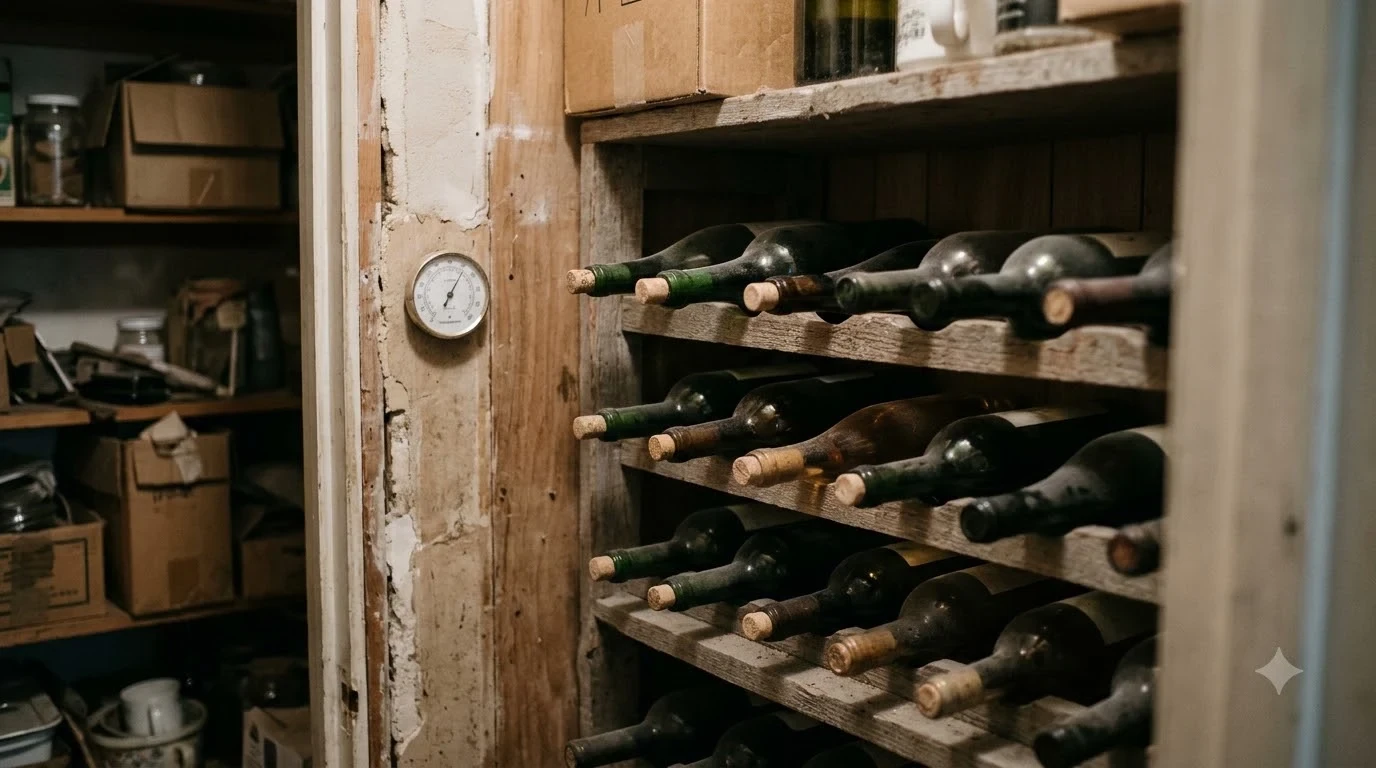
How long does lambrusco last unopened? Most everyday Lambrusco is best enjoyed within 1–2 years of its vintage, with many bottles showing their freshest fruit and liveliest bubbles during the first year. Unlike age-worthy Cabernet Sauvignon or traditional bottle-aged sparkling wines, Lambrusco is generally made for relatively early drinking. Proper storage at approximately 55°F in a cool, dark place helps preserve its fruit, acidity, and carbonation, but keeping an ordinary bottle for several additional years rarely improves it.
Lambrusco is an Italian wine family known for its lively red, rosé, and occasionally white expressions. Its combination of fresh fruit, acidity, and gentle or pronounced bubbles makes it an appealing choice for casual meals and celebrations. However, those characteristics are also why storage time matters. A bottle can remain unopened and technically drinkable beyond its recommended drinking window while gradually losing the freshness that makes Lambrusco enjoyable. Understanding its typical shelf life, production style, and storage requirements makes it easier to decide when to open a bottle rather than leave it forgotten in a cupboard.
Typical Shelf Life of Unopened Lambrusco
Most everyday Lambrusco is best consumed within 1–2 years of its vintage, with the first 12 months generally offering the freshest fruit and most energetic carbonation. Premium or specially made examples may have different recommendations, but ordinary Lambrusco is not usually intended for extended cellar aging.
For a practical estimate, count from the vintage printed on the label rather than assuming the date you purchased the bottle determines its age. If a bottle lists 2025 as its vintage, opening it during 2026 or 2027 is generally a sensible approach for an everyday example. This is a quality guideline, not an expiration date. Wine does not suddenly become undrinkable when it reaches a particular birthday.
The reason for this relatively short window is the style’s emphasis on freshness. Lambrusco is commonly appreciated for lively cherry, blackberry, raspberry, and floral characteristics, along with refreshing acidity and carbonation. These qualities are most appealing when the wine is relatively young. Extended storage can soften the fruit, reduce the impression of freshness, and diminish the wine’s lively character.
The official Reggio Emilia tourism website explains that traditional Lambrusco is intended to be drunk young, particularly in the spring following harvest. That recommendation reflects the wine’s regional identity as an approachable, food-friendly drink rather than a bottle that needs years in a cellar. You can read more about this traditional approach in the official Reggio Emilia Lambrusco overview.
There are exceptions. A producer may create a more structured Lambrusco with a specific bottle-aging recommendation, or a particular wine may have greater concentration and balance than a basic everyday bottling. Those wines should be evaluated individually rather than automatically assigned the same drinking window as inexpensive, fresh-fruit-focused examples.
Tip: If you have an ordinary Lambrusco bottle with no special aging instructions, plan to enjoy it within 1–2 years of its vintage. Choose the earlier part of that window if preserving fresh fruit and lively bubbles is your priority.
Why Lambrusco Is Usually Best Drunk Young
Lambrusco is generally produced to emphasize freshness, fruit, and approachable carbonation rather than the complex development associated with long-aged red wines. Its traditional home is Emilia-Romagna in northern Italy, particularly around Modena and Reggio Emilia, where it has long accompanied everyday regional cooking.
The name Lambrusco refers to a family of grape varieties rather than one single grape. The Reggio Emilia tradition includes Salamino, Marani, Maestri, Montericco, Ancellotta, and Malbo Gentile. These varieties contribute different combinations of color, fruit character, acidity, and structure. Consequently, two bottles labeled Lambrusco can have noticeably different personalities.
Some examples are light, fresh, and gently sparkling, while others are darker, more concentrated, and more intensely fizzy. Sweetness also varies, from dry secco styles to sweeter versions. These differences influence how a wine develops, but they do not automatically make a particular bottle suitable for extended aging.
Carbonation is especially important. The bubbles contribute to the lively texture and refreshing finish associated with Lambrusco. During prolonged storage, the wine’s aromatic profile can change, and its overall impression of freshness can diminish. Even when the bottle remains sealed, time and imperfect storage conditions can gradually affect the wine.
It is helpful to distinguish between a wine being safe to open and a wine still tasting as its producer intended. A bottle that has spent three years in a stable, cool cellar may retain enough fruit and carbonation to be enjoyable. Another bottle kept for only one year in a hot kitchen may already taste noticeably tired.
For everyday drinking, prioritize freshness rather than trying to improve Lambrusco through extended aging. If you enjoy exploring different wine styles, the Wine by Type resource provides a useful starting point for understanding how grape varieties, production methods, and wine structures influence drinking windows.
How Storage Temperature and Conditions Affect Longevity
Temperature stability is one of the most important factors in preserving unopened Lambrusco. Aim for approximately 55°F, keep the bottle away from direct light, and avoid locations that experience repeated temperature changes, such as kitchens, garages, or cabinets beside an oven.
Wine ages through a series of chemical reactions. Higher temperatures accelerate many of these reactions, potentially causing a wine to develop more quickly than intended. This is particularly undesirable for a fresh sparkling red whose appeal depends on recognizable fruit aromas and lively texture.
Gambero Rosso recommends cool, stable cellar conditions, identifying approximately 10–15°C (50–59°F) as a suitable general range for wine storage. Its storage guidance also warns against placing bottles near fireplaces, radiators, and other heat sources. A consistent temperature is more useful than repeatedly moving the bottle between warm and cold environments.
Consider these practical storage conditions:
- Temperature: Aim for approximately 55°F for longer-term storage, avoiding large fluctuations.
- Light: Choose a dark cupboard, cellar, or wine cabinet rather than a sunny shelf.
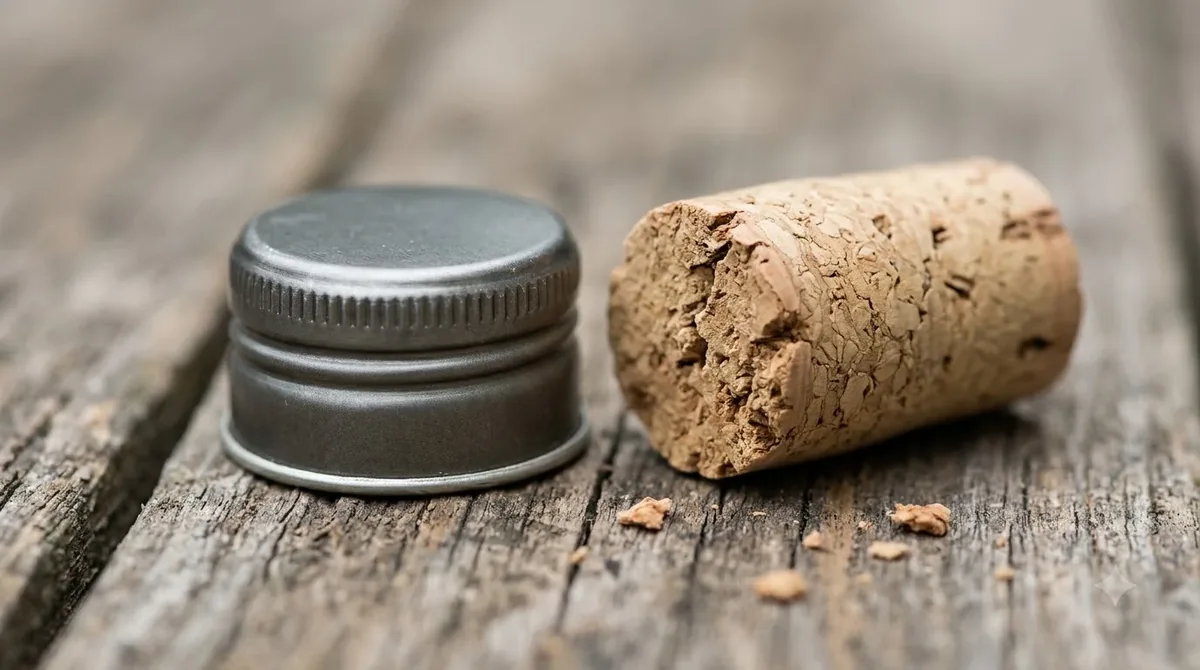
- Position: Store cork-sealed bottles horizontally to help maintain cork moisture. Screw-cap bottles can remain upright.
- Humidity: Moderate humidity helps prevent natural corks from drying out during extended storage.
- Vibration: Avoid placing bottles beside appliances that produce frequent movement.
- Odors: Keep bottles away from solvents, cleaning chemicals, paint, and strongly scented materials.
For most households, a cool interior cupboard away from sunlight and kitchen equipment is more suitable than a countertop. If you have a wine refrigerator with a stable temperature setting, that can be an effective alternative. The regular refrigerator is useful for chilling Lambrusco before serving, but its colder environment is not necessary for ordinary long-term storage.
Heat exposure deserves particular attention. A bottle left in a car during hot weather or stored beside an oven may deteriorate much faster than one kept in a temperature-controlled space. Repeated changes between hot afternoons and cooler nights can also be problematic.
A cork that appears pushed outward, sticky residue around the closure, or wine that has leaked from the bottle may indicate exposure to excessive heat or a compromised seal. These signs do not establish exactly how the wine will taste, but they are reasons to open and evaluate it sooner rather than continue storing it.
Differences Between Dry, Sweet, Red, and Rosé Lambrusco
Not every Lambrusco follows exactly the same drinking schedule. Dry and sweet versions, as well as red and rosé expressions, differ in their production choices and overall structure. Nevertheless, most standard bottlings are designed to be enjoyed relatively young rather than kept for many years.
Dry Lambrusco, often labeled secco, is generally appreciated for its fresh fruit, crisp acidity, and refreshing bubbles. It can be particularly enjoyable alongside salty cured meats and rich pasta dishes. Preserving its freshness is more important than trying to develop additional complexity through prolonged storage.
Sweet Lambrusco, sometimes labeled amabile or dolce, offers a different balance of fruit and residual sugar. Its sweetness can make it seem rounder and softer than a dry version, but that does not automatically give it a significantly longer unopened shelf life. A sweet everyday sparkling wine is still usually intended for relatively early consumption.
Red Lambrusco is the familiar expression, often showing ruby, deep purple, or dark cherry colors. Its fruit profile can include blackberry, black cherry, raspberry, and sometimes floral notes. Rosé versions tend to offer lighter fruit impressions and a more delicate appearance, while white Lambrusco is a less common interpretation.
For practical planning, the following ranges are useful general estimates. They describe typical drinking windows rather than guaranteed expiration dates.
| Lambrusco style | Suggested drinking window | Main quality to preserve |
|---|---|---|
| Everyday dry red | 1–2 years | Fresh fruit and carbonation |
| Everyday sweet red | 1–2 years | Fruit character and balance |
| Rosé Lambrusco | 1–2 years | Fresh aromas and lively acidity |
| White Lambrusco | 1–2 years | Freshness and aromatic character |
| Producer-designated cellar-worthy example | Follow the producer’s recommended window | Structure and intended development |
These figures are practical recommendations for everyday wines, not universal rules for every producer or vintage. A more concentrated wine with a specific aging recommendation may have a different timetable. For comparison, the general storage expectations for other wine categories can differ considerably. For example, how long Cabernet Sauvignon lasts unopened depends heavily on its tannin structure, concentration, and intended aging style.
The most useful distinction is not simply whether a Lambrusco is red or sweet. It is whether the producer made it for immediate enjoyment or designed it to develop in the bottle. If the bottle belongs to the first category, there is little advantage in keeping it for several extra years.
How Production Methods Influence Unopened Lambrusco
Lambrusco’s sparkling character is closely connected to its fermentation process. Many commercial examples undergo a second fermentation in pressurized tanks, a method that helps retain fresh fruit character and produce the wine’s characteristic bubbles.
One producer example illustrates how this works. Vita Mediterranea’s Lambrusco dell’Emilia IGT Semisecco is made from Lambrusco grapes grown in the hills and foothills north of Modena. Its technical information describes an initial fermentation lasting 7–10 days, followed by slow refermentation in a pressure tank at 15–18°C.
The resulting wine is described as having raspberry, strawberry, and violet aromas, with a balanced, approachable character. The producer recommends twelve months of bottle cellaring in a cool, dark place. This is a useful illustration of why individual producer recommendations matter: the recommended period for one wine should not automatically be applied to every Lambrusco on the market.
Tank fermentation is particularly appropriate for wines intended to retain youthful fruit and lively carbonation. It allows the winemaker to produce sparkling wines without relying on the extended bottle fermentation and aging commonly associated with traditional-method sparkling wines.
Some sparkling wines use bottle fermentation and can develop additional complexity through extended contact with yeast sediment. Champagne and Cava are familiar examples of this production approach. Lambrusco, however, is not defined by a single production method, and its different regional and commercial expressions should not all be treated identically.
For an ordinary tank-produced Lambrusco, prolonged storage is unlikely to provide the same benefits that extended aging can offer certain traditional-method sparkling wines. The fruit may become less expressive before any meaningful complexity develops.
There are also differences between lightly sparkling frizzante wines and more fully sparkling spumante versions. Their carbonation levels and mouthfeel differ, but neither category automatically guarantees a longer shelf life. A well-sealed bottle still needs suitable temperature and light conditions to preserve its intended character.
When evaluating an unfamiliar bottle, look for the producer’s description, vintage, fermentation information, and recommended cellaring period. A specific twelve-month recommendation, for example, is more useful than assuming all Lambrusco should be kept for the same length of time.
How to Tell Whether Older Unopened Lambrusco Is Past Its Best
An unopened Lambrusco that has passed its recommended drinking window is not necessarily spoiled, but it may have lost some of its original freshness. The most reliable way to evaluate its condition is to consider its storage history, closure, appearance after opening, aroma, and taste.
Start with the outside of the bottle. Look for signs of leakage, a damaged cork, sticky residue around the neck, or a closure that appears to have shifted. These clues can indicate that the seal has been compromised or that the wine has experienced excessive heat.
Next, consider the wine’s appearance after opening. A red Lambrusco may naturally show variation in color depending on its grape variety and age, so a change in shade alone does not prove spoilage. However, an unusually brown or dull appearance combined with faded aromas can suggest that the wine has deteriorated.
Aroma provides another useful indication. Fresh Lambrusco should generally retain recognizable fruit characteristics. Depending on the style, these may include cherry, raspberry, strawberry, blackberry, or floral notes. A noticeably stale smell, strong vinegar-like aroma, or unpleasantly oxidized character suggests the bottle is past its best.
Carbonation is also important. After opening, observe whether the wine still has the expected bubbles. A bottle that produces very little fizz may have lost carbon dioxide through a compromised closure or prolonged storage. Some lightly sparkling styles naturally have gentler bubbles, so consider the wine’s original style before judging it.
Finally, evaluate the taste. A wine that has lost its fresh fruit, tastes flat, or has developed sharp vinegar-like notes is unlikely to offer the experience intended by its producer. A lack of bubbles alone does not establish that the wine is spoiled, but it can indicate that its quality has declined.
Use this simple reference when assessing an older bottle:
- Normal: Recognizable fruit aromas, expected color, a sound closure, and lively carbonation appropriate to the style.
- Potential aging: Some reduction in freshness or fruit intensity, but no obvious signs of leakage or unpleasant odors.
- Likely deterioration: Strong vinegar-like aromas, markedly faded fruit, unusual browning, or a severely flat and unpleasant taste.
- Possible heat damage: A pushed cork, leakage, sticky residue, or evidence of prolonged exposure to high temperatures.
Remember that an older wine does not become defective simply because its vintage is several years old. A well-stored bottle can remain enjoyable beyond the recommended window, while a younger bottle exposed to poor storage conditions may disappoint. The goal is to distinguish between a wine that has simply matured and one that has lost its desirable characteristics.
When to Open Lambrusco and How to Serve It
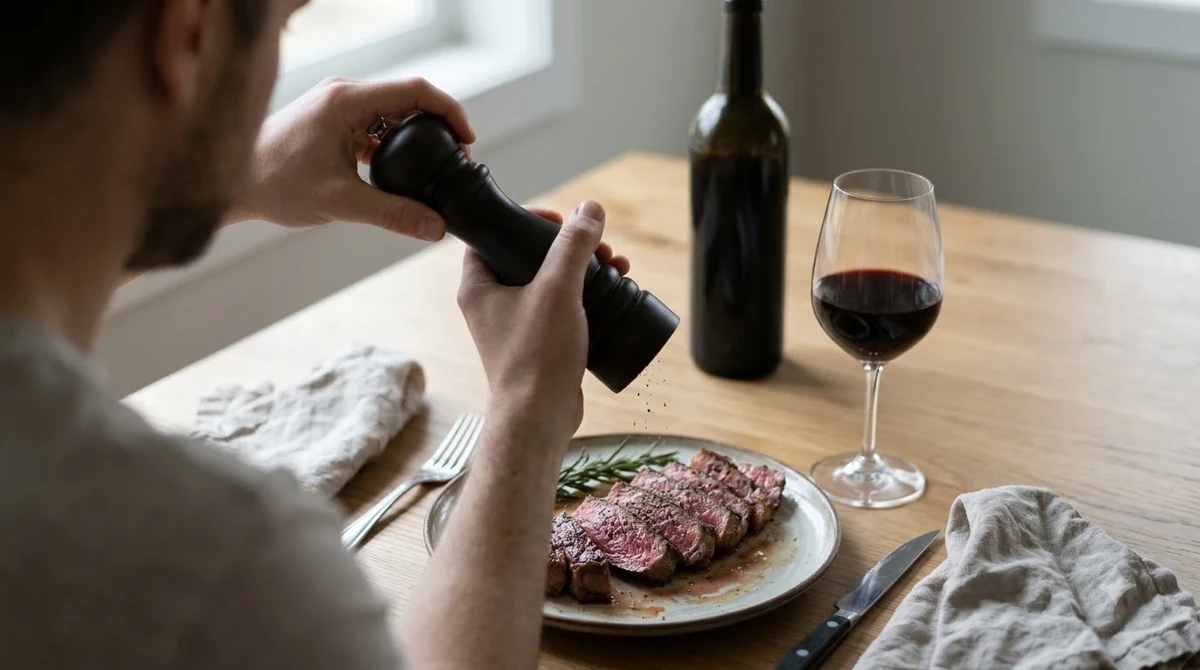
The best time to open everyday Lambrusco is while its fruit and carbonation are still lively, generally within 1–2 years of the vintage. Chilling the bottle before serving helps highlight its refreshing character and makes it a natural match for the rich, savory foods associated with Emilia-Romagna.
For serving, aim for approximately 45–50°F for a light, fresh sparkling red. A slightly warmer temperature may suit a fuller-bodied example, but avoid serving it warm. The official Reggio Emilia tourism guide suggests approximately 16°C (61°F), reflecting a traditional regional approach. The ideal temperature depends on the wine’s body, sweetness, and intensity.
Allow sufficient chilling time in the refrigerator before opening. Avoid putting a glass bottle in the freezer, where uneven cooling and forgotten bottles can create problems. A bucket containing ice and water is another practical way to chill a bottle before a meal.
Open the bottle carefully, especially if it is a fully sparkling spumante. Keep one hand over the closure while removing the wire cage, point the bottle away from people and fragile objects, and turn the bottle rather than forcefully pulling the cork. Controlled opening helps prevent unnecessary wine loss and preserves the remaining carbonation.
Lambrusco works especially well with foods that benefit from acidity and bubbles. Traditional pairings include:
- Prosciutto and mortadella: The wine’s freshness complements the salt and richness of cured meats.
- Parmigiano Reggiano: The savory, concentrated cheese provides a satisfying contrast to fruity sparkling red wine.
- Lasagne with ragù: Acidity and carbonation refresh the palate between rich, savory bites.
- Zampone and cotechino: These traditional Emilian pork dishes pair naturally with Lambrusco’s lively character.
- Grilled sausages: The wine’s fruit and bubbles balance savory, fatty flavors.
- Pizza and tomato-based pasta: Fresh acidity helps the wine remain balanced alongside acidic tomato sauces.
Sweet Lambrusco can also work with spicy or savory foods, although very hot chili preparations may make the wine’s alcohol feel more pronounced. For dessert pairings, choose a wine at least as sweet as the food so that the wine does not taste thin or excessively acidic.
If you do not finish the bottle, reseal it with a proper sparkling-wine stopper and refrigerate it immediately. For best quality, aim to finish opened Lambrusco within 1–2 days. Gambero Rosso specifically includes Lambrusco among sparkling wines that lose their aromas and carbon dioxide quickly after opening. Decanter likewise recommends a secure sparkling-wine stopper and cold storage to preserve remaining bubbles.
A spoon placed in the bottle neck is not an effective preservation method. A proper stopper creates a much better seal, although it cannot restore carbonation that has already escaped.
For comparison with other unopened drinks, how long boxed wine lasts unopened depends on its packaging and the protection provided against oxygen and light. Lambrusco’s glass bottle and carbonation make its storage considerations somewhat different. The same principle applies to other wine categories: the intended drinking style matters more than simply keeping a bottle for as long as possible.
Frequently Asked Questions
Does Lambrusco have an expiration date?
Most traditional wine bottles do not have a conventional expiration date like perishable groceries. The vintage indicates the year the grapes were harvested, while the producer’s recommended drinking period indicates when the wine is expected to show its best qualities. A bottle from an older vintage may still be enjoyable if it has been stored correctly and its closure remains sound.
Can unopened Lambrusco be stored in the refrigerator for several months?
Yes, refrigeration can preserve an unopened bottle over several months, provided the temperature remains reasonably stable. However, a regular refrigerator is generally colder and drier than a dedicated wine-storage environment. For longer storage, a wine refrigerator or cool cupboard around 55°F is usually more suitable, with the bottle chilled further shortly before serving.
Does Lambrusco contain sediment as it ages?
Some Lambrusco bottles may develop a small amount of sediment, depending on filtration, stabilization, and production choices. Natural grape pigments and other wine compounds can form deposits during storage without automatically indicating spoilage. If sediment is present, keeping the bottle upright briefly before opening can help it settle at the bottom.
Can a Lambrusco bottle become overpressurized during storage?
Commercially bottled sparkling Lambrusco is packaged to withstand the pressure associated with its intended carbonation. However, a damaged closure, unusual leakage, or evidence of fermentation continuing inside the bottle deserves caution. Keep a questionable bottle away from heat and handle its closure carefully rather than shaking or aggressively manipulating it.
Does the grape variety determine how long Lambrusco lasts?
Grape variety influences color, acidity, tannin, flavor intensity, and overall structure, all of which can contribute to how a particular Lambrusco develops. For example, Lambrusco Salamino and Lambrusco Grasparossa can produce noticeably different wine styles. However, the producer’s winemaking choices, closure, and storage conditions remain important factors in determining the practical drinking window.
For most bottles, the simplest approach is to enjoy Lambrusco within 1–2 years of its vintage and store it in a cool, dark place until serving. Extended aging is rarely necessary for everyday examples, and preserving freshness is generally more rewarding than waiting for additional bottle development. Choose a bottle with a sound closure, chill it appropriately, and enjoy its lively fruit and bubbles alongside good food.
More in Wine Types & Grapes
 What Does Mourvèdre Taste Like? Flavor Profile, Regions, and PairingsUpdated Nov 20, 2026
 What Does Marsanne Taste Like? Flavors, Styles, and Food PairingsUpdated Nov 20, 2026
 What Does Malvasia Taste Like? Styles, Flavors, and Food PairingsUpdated Nov 20, 2026
 What Does Grenache Blanc Taste Like? Flavor Profile, Styles, and PairingsUpdated Nov 20, 2026
 What Does Garnacha Taste Like? Key Flavors, Styles, and Pairing TipsUpdated Nov 20, 2026
 What Does Fruit Wine Taste Like? A Complete Flavor and Style BreakdownUpdated Nov 20, 2026