

We may earn a commission when you buy through links on this page, at no extra cost to you. Learn more.
How long does fruit wine last unopened? Most fruit wine retains its best flavor for about 1-2 years after purchase when stored in a cool, dark place, although certain well-made blackberry and other dark berry wines can maintain their quality for 3-5 years. The exact shelf life depends on the fruit, winemaking method, sweetness, acidity, alcohol content, closure, and storage conditions. Fruit wines are generally produced for relatively early enjoyment rather than decades of bottle aging, so preserving their fresh fruit aromas matters more than allowing them to mature indefinitely.
Fruit wine includes much more than the familiar grape-based bottles found in traditional wine shops. Apple, peach, strawberry, cherry, blueberry, blackberry, and plum wines all have different flavor profiles and can respond differently to extended storage. Understanding their typical shelf lives helps you decide whether to open a bottle soon, keep it for a special occasion, or reconsider a bottle that has spent several years in a warm kitchen cabinet.
Typical Shelf Life of Unopened Fruit Wine
Most unopened fruit wine is best enjoyed within 1-2 years of purchase. Some styles can last longer, but the majority are made to preserve fresh, recognizable fruit flavors rather than develop the complex characteristics associated with long-aged grape wines.
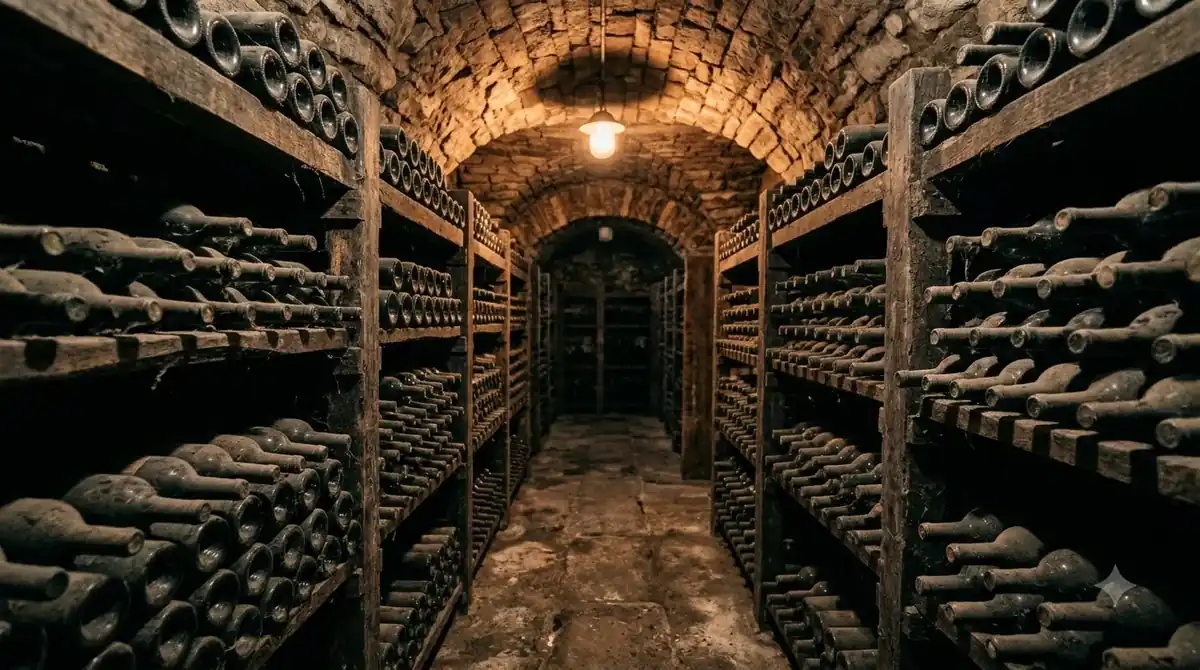
Fruit wine is not a single, standardized category with one universal expiration date. A bottle of strawberry wine may be intended to retain bright, fresh aromas, while a fuller blackberry wine may have enough structure to remain enjoyable for several additional years. The winemaking process, acidity, residual sugar, alcohol level, and amount of oxygen introduced during bottling all influence how quickly the wine changes.
Purple Toad Winery recommends enjoying most of its fruit wines within 1-2 years of purchase. Its guidance identifies certain dark berry wines, including blackberry varieties, as potential exceptions that may retain quality for 3-5 years with appropriate storage. These are practical quality guidelines rather than guaranteed expiration dates for every producer or bottle.
It is also important to distinguish between a wine remaining drinkable and a wine retaining its best flavor. An unopened bottle might still be drinkable after its preferred drinking window, but its fresh peach, apple, strawberry, or blackberry aromas may have faded. Sweetness and alcohol can remain noticeable even after the original fruit character has weakened.
For everyday fruit wines, opening the bottle within the first two years is a sensible approach. If you have a particularly well-made blackberry or dark cherry wine, a longer holding period may be reasonable, provided the bottle has been stored consistently and shows no signs of leakage or closure damage.
The following ranges provide a practical starting point for planning when to open different styles. They are general quality estimates, not guarantees applying to every producer.
| Fruit wine style | Typical quality window | Storage considerations |
|---|---|---|
| Apple wine | 1-2 years | Protect fresh apple aromas from heat and light. |
| Peach wine | 1-2 years | Preserve delicate fruit aromas with cool storage. |
| Strawberry wine | 1-2 years | Enjoy relatively young for fresher berry character. |
| Cherry wine | 1-2 years | Storage potential depends on acidity and winemaking. |
| Blueberry wine | 1-2 years | Keep away from temperature fluctuations. |
| Blackberry wine | 1-2 years; some examples 3-5 years | Fuller dark berry styles may retain quality longer. |
| Plum wine | 1-2 years | Protect fruit character with stable, cool storage. |
These estimates are intended as practical drinking windows, not scientifically established shelf-life guarantees for each fruit. A carefully made bottle with good acidity and appropriate stabilization may outlast a poorly stored bottle of the same variety. Producer recommendations should take priority when they provide a specific drinking window.
How Fruit Variety and Winemaking Affect Longevity
The type of fruit used and the way the wine is produced have a major influence on how long an unopened bottle retains its quality. Dark berry wines can sometimes age longer than delicate fruit styles, while acidity, tannins, residual sugar, and alcohol contribute to a wine’s ability to resist unwanted changes.
Apple, peach, and strawberry wines are commonly made to emphasize fresh fruit aromas. These characteristics can become less expressive with prolonged exposure to unsuitable storage conditions. A peach wine that initially smells floral and juicy may become less vibrant after several years, even if its bottle remains sealed.
Blackberry, black currant, and some cherry wines can have more pronounced color, acidity, or tannin structure. These characteristics may help certain examples retain their character for longer periods. However, dark color alone does not guarantee aging potential. A lightly structured blackberry wine intended for immediate enjoyment may lose its appeal just as quickly as a delicate strawberry wine.
Acidity is particularly important. North Dakota State University Extension explains that wine commonly has a pH around 3.3-3.7, an acidic range that helps prevent the growth of many microorganisms. Fruit wines vary in their natural acidity, so winemakers sometimes add an acid blend to achieve a balanced finished wine.
Tannins can also contribute to stability. They create an astringent sensation and can help protect wine against certain spoilage organisms. Black currants and some darker fruits can contribute natural tannins, although the amount varies with the fruit and production method.
Sweetness does not automatically mean a longer shelf life
Residual sugar is another important consideration. Many fruit wines are sweet or semi-sweet, but sweetness alone does not establish how long a sealed bottle will last. A wine with residual sugar needs appropriate stabilization because remaining yeast can potentially restart fermentation if conditions allow it.
Virginia Cooperative Extension explains that potassium sorbate is commonly used to prevent yeast from multiplying after wine has been sweetened. Proper stabilization is especially important for fruit wines because some styles retain sugar after fermentation or receive additional sweetness before bottling.
Alcohol also contributes to a wine’s overall stability, but it does not make every fruit wine suitable for extended aging. The balance of alcohol, acidity, sugar, tannins, preservatives, and oxygen management matters more than any one characteristic considered separately.
If you are comparing fruit wine with another fermented beverage, it helps to understand that different styles have different storage requirements. For example, how long does mead last unopened depends partly on its alcohol strength, residual sugar, and production style. Mead is honey-based, so its aging characteristics should not automatically be applied to apple, cherry, or berry wine.
Best Storage Conditions for Unopened Fruit Wine
The best way to preserve unopened fruit wine is to keep it in a cool, dark location with a relatively consistent temperature. A storage range around 50-59°F is a practical target, while avoiding direct sunlight, hot rooms, and repeated temperature changes helps protect the wine’s original fruit character.
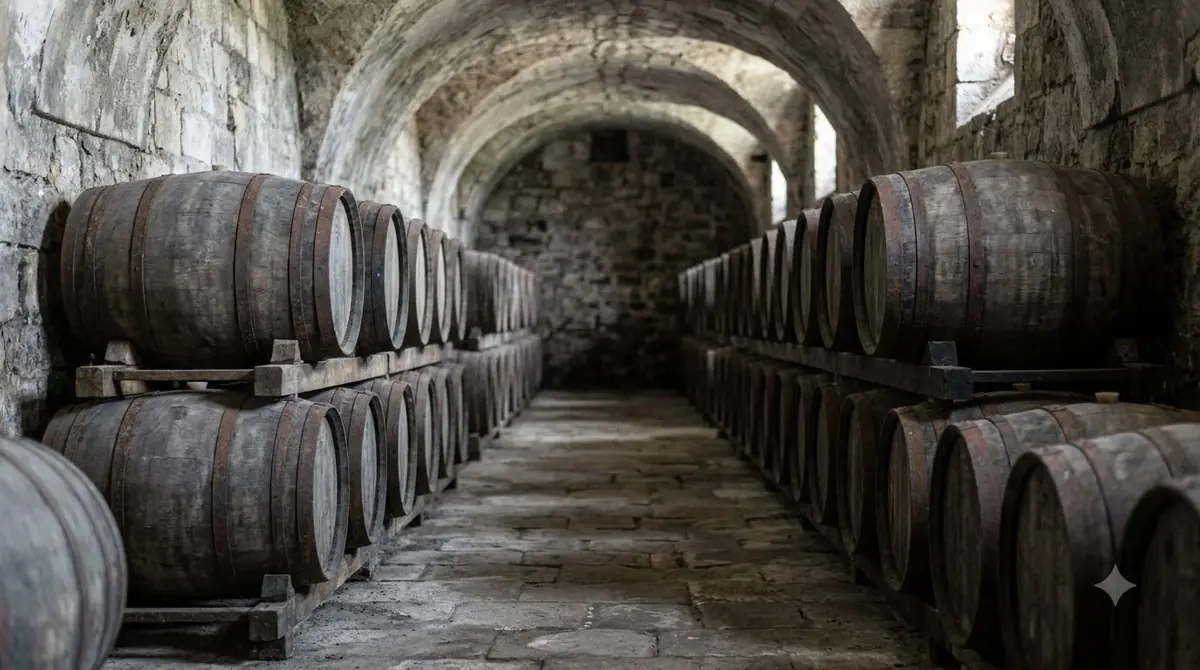
Temperature is one of the most important influences on bottle aging. Warm conditions accelerate chemical reactions that can change a wine’s aroma, color, and flavor. A bottle kept in a room that regularly reaches 80°F is likely to lose freshness faster than an equivalent bottle stored consistently around 55°F.
For most households, a dark pantry, interior cupboard, or temperature-controlled storage area is suitable. Avoid placing fruit wine beside an oven, above a refrigerator, near a radiator, or in a cabinet that receives direct sunlight through a window. These locations can experience greater temperature fluctuations than expected.
Light is another concern. Direct sunlight and strong artificial light can damage wine over time, particularly when bottles use clear or lightly colored glass. Even if the wine looks attractive displayed on a kitchen shelf, a dark cupboard is a better long-term storage location.
Humidity is generally less important for short-term storage than temperature and light, but extremely dry conditions can contribute to cork problems over extended periods. A stable environment is preferable to moving bottles repeatedly between rooms with different temperatures.
Should fruit wine be refrigerated before opening?
Refrigeration is not necessary for every unopened fruit wine. A cool, dark storage area around 50-59°F is usually sufficient for bottles intended to be opened within their normal drinking window.
However, refrigeration can be useful if your home does not have a consistently cool storage location. A refrigerator is much cooler than the recommended storage range, so it is not generally necessary for long-term aging. For a bottle you plan to serve soon, refrigeration can help bring the wine to an appropriate serving temperature.
One important distinction is between storage and serving. Fruit wine may benefit from a cooler serving temperature, but that does not mean it must remain refrigerated for its entire unopened life. Keeping a bottle in a stable, dark location and chilling it before serving is a straightforward approach.
Tip: If you have limited storage space, choose an interior cupboard away from appliances and sunlight. Aim for a consistent temperature close to 55°F, and avoid storing fruit wine in a hot garage, attic, or car for extended periods.
For additional practical advice on preparing, stabilizing, and storing homemade fruit wines, see Virginia Cooperative Extension’s home winemaking guide. Its recommendations include a 50-60°F storage environment and protection from oxygen and light.
Bottle Closures and the Best Storage Position
The bottle closure determines whether unopened fruit wine should be stored upright or on its side. Screw-cap bottles can generally stand upright, while traditional natural-cork bottles are commonly stored horizontally to help keep the cork from drying out.
Many modern fruit wines use screw caps because they are convenient and help maintain a consistent seal. These closures do not require contact with the wine to remain functional. As a result, there is no need to lay a screw-cap bottle on its side simply because it contains wine.
Natural cork behaves differently. A cork can dry out and shrink if exposed to very dry conditions for extended periods, potentially allowing more oxygen to enter the bottle. Horizontal storage helps maintain contact between the wine and the cork, reducing that concern.
North Dakota State University Extension recommends storing corked wine bottles on their sides in a cool, dark place. Virginia Cooperative Extension gives similar advice and explains that corked bottles should remain upright for 3-5 days immediately after bottling before being moved to horizontal storage.
These recommendations are particularly relevant to homemade fruit wine. Bottling introduces some movement and oxygen exposure, and the cork needs time to settle into position. A newly bottled homemade strawberry or plum wine should not automatically be treated like a commercial bottle that has already completed its initial settling period.
Does the bottle material matter?
Glass remains the common packaging choice for fruit wine, but the color of the glass can affect how much light reaches the contents. Dark green and brown bottles provide more protection against light than clear glass, although they cannot completely eliminate the effects of prolonged exposure.
The closure and packaging should also be inspected periodically if you are storing bottles for several years. A screw cap should remain firmly attached, while a cork should not be visibly displaced or surrounded by signs of leakage.
A bottle with a damaged closure is not a good candidate for extended storage. Even if it has not been opened, a compromised seal can allow oxygen to enter and change the wine more quickly.
For anyone storing multiple types of wine, the same basic principles apply across different categories, although individual drinking windows vary. For example, how long does cabernet sauvignon last unopened depends on grape variety, tannin structure, vintage, and production style, which can create a considerably different aging profile from most fruit wines.
Signs That an Old Unopened Bottle May Have Deteriorated
An old unopened bottle of fruit wine may have deteriorated if it shows leakage, a pushed-out cork, an unusually low fill level, or evidence of a damaged closure. After opening, changes in aroma, color, and flavor provide additional clues about whether the wine has lost its quality.
Start with a visual inspection before opening the bottle. Look at the neck, closure, and area immediately beneath the cork or screw cap. Sticky residue, dried wine around the opening, or liquid leaking from the closure can indicate that the seal has been compromised.
A cork that has moved noticeably upward may suggest exposure to excessive heat or pressure inside the bottle. This is particularly concerning in fruit wine that was bottled with residual sugar and not adequately stabilized. Renewed fermentation can produce carbon dioxide and increase pressure.
Check the fill level as well. A bottle that has lost a noticeable amount of wine without being opened may have experienced leakage or excessive evaporation through a faulty closure. The fill level should be considered alongside the age and original bottle design, rather than treated as definitive proof by itself.
After opening, examine the wine’s color and smell. A fruit wine that has lost its freshness may smell flat, stale, unusually nutty, or vinegar-like. Oxidation can reduce vibrant fruit aromas and create unpleasant changes in the overall flavor.
Color changes are not always evidence of spoilage. Red and dark berry wines can develop more subdued tones over time, while lighter fruit wines can become darker or more golden. The concern is an unexpected change accompanied by unpleasant aromas, leakage, or a loss of recognizable fruit character.
What about sediment and crystals?
Some sediment in an older bottle is not necessarily a problem. Wine can naturally develop deposits as compounds settle during storage. Small crystals, sometimes called tartrates, can also form in wine and are not automatically evidence of spoilage.
Cloudiness, unusual floating material, or signs of renewed fermentation deserve more attention, particularly if the wine was expected to be clear and still. A bottle that appears to have developed unexpected carbonation, a pushed cork, or significant pressure should be handled cautiously.
Most importantly, do not assume that an unopened bottle is in perfect condition simply because its closure has not been disturbed. Storage history and the condition of the packaging are important parts of evaluating older wine.
Commercial Fruit Wine Versus Homemade Fruit Wine
Commercial and homemade fruit wines can both retain quality for several years, but their expected drinking windows depend on production methods and stabilization. Commercial bottles generally benefit from controlled production and packaging, while homemade bottles can vary considerably according to the winemaker’s sanitation, fermentation, clarification, and bottling practices.
Commercial producers typically manage fermentation, acidity, sweetness, and filtration or stabilization before packaging. Their bottles are designed to arrive at the consumer in a finished condition. Nevertheless, most fruit wines are still intended for relatively early enjoyment rather than long-term cellar aging.
Homemade fruit wine requires additional attention because the person making it controls the ingredients and processes. North Dakota State University Extension describes three main stages: extracting juice, fermenting and stabilizing the wine, and bottling and storing the finished product.
Stabilization is particularly important for sweet homemade wines. If fermentation has not completely finished or the wine has not been properly stabilized after sweetening, yeast may remain capable of producing additional carbon dioxide. This can cause unexpected carbonation, sediment, or pressure inside the bottle.
Virginia Cooperative Extension recommends stabilizing wine before adding additional sweetness and explains the role of potassium sorbate in preventing fermentation from restarting. Proper sanitation, appropriate sulfite management, and careful control of oxygen exposure also contribute to the quality of finished wine.
How long should homemade fruit wine age?
Homemade fruit wine does not necessarily need years of aging before it is ready to drink. The appropriate period depends on the recipe, fruit, fermentation process, and desired flavor profile.
North Dakota State University Extension explains that newly bottled wine can experience a temporary condition called bottle shock, which may last three weeks or longer. Its home winemaking guidance recommends aging wine for at least two months after bottling, with a year of storage suggested for better development.
Virginia Cooperative Extension gives different bulk-aging recommendations for white and red wines: at least six months for white wines and nine to twelve months for red wines. These recommendations describe general winemaking practices, not a mandatory waiting period for every fruit wine.
Fruit wines vary substantially, so a homemade strawberry wine and a structured black currant wine may reach their preferred drinking points at different times. A recipe that has been properly fermented, clarified, stabilized, and bottled is a much better starting point than one that has simply been left in a container for an arbitrary number of months.
For additional guidance on homemade wine storage and bottle aging, consult North Dakota State University Extension’s home winemaking publication. It covers fruit wine recipes, stabilization, bottle storage, and the importance of controlling fermentation.
For additional comparisons between wine packaging and storage, see how long does boxed wine last unopened. Boxed wine uses a different packaging system, and its storage characteristics should not be confused with those of a sealed glass bottle of fruit wine.
Frequently Asked Questions
Does fruit wine have an expiration date printed on the bottle?
Many fruit wines do not carry a specific expiration date, although producers may provide a bottling date, vintage, or recommended drinking period. The absence of an expiration date does not mean the wine will maintain its original flavor indefinitely. Contacting the producer can help establish the intended drinking window for an older or unusual bottle.
Can fruit wine develop bubbles while still unopened?
Yes. Unexpected bubbles can develop if fermentation restarts inside the bottle, particularly when residual sugar and active yeast remain together. This is different from intentionally sparkling fruit wine, which is produced and packaged to retain carbonation under controlled conditions.
Does fruit wine need preservatives to last unopened?
Not every wine uses the same preservation approach. Winemakers may use sulfites, filtration, potassium sorbate, or other stabilization techniques depending on the wine’s composition and production method. The specific combination depends on factors such as residual sugar, acidity, and whether fermentation has completely finished.
Can fruit wine freeze during winter storage?
Yes. Fruit wine contains water and can freeze if exposed to sufficiently low temperatures. Expansion during freezing can damage the closure or glass bottle, so an unopened bottle should not be left in an unheated outdoor shed during freezing weather.
Does fruit wine change color as it ages?
Yes. Natural pigments and other compounds can change during bottle aging, producing differences in color intensity and appearance. Anthocyanins contribute much of the red and purple coloration in many berry wines, and their chemical changes can alter the wine’s appearance over time.
For most bottles, plan to enjoy fruit wine within 1-2 years of purchase, keeping it somewhere cool and dark until serving time. Certain fuller blackberry and other dark berry wines may retain their character for 3-5 years, but good storage and the producer’s recommendations should guide your decision. When in doubt, prioritize freshness rather than assuming that an older bottle will taste better with additional aging.
More in Wine Types & Grapes
 Zinfandel Sugar Content: Dry Red vs. White Zinfandel GramsUpdated Nov 21, 2026
 Best Zinfandel Substitute Options for Sipping and CookingUpdated Nov 21, 2026
 Zweigelt Food Pairing: Best Dishes, Cheeses, and Serving TipsUpdated Nov 21, 2026
 Zinfandel Tannins Explained: How Structure Shapes Every BottleUpdated Nov 21, 2026
 Zinfandel Sweetness Level: Dry Red vs. Sweet White Zin ExplainedUpdated Nov 21, 2026
 Xinomavro Food Pairing: Best Dishes, Styles, and Serving TipsUpdated Nov 21, 2026