

We may earn a commission when you buy through links on this page, at no extra cost to you. Learn more.
When stored properly in the refrigerator with a tight seal, how long does fruit wine last after opening typically ranges from 3 to 5 days for dry styles and 1 to 2 weeks for sweeter, higher-sugar varieties. Lower-alcohol or lightly sparkling fruit wines lose their fresh aromatics and fizz within 1 to 3 days, while fortified fruit wines can remain enjoyable for up to a month. Keeping the bottle cold, upright, and tightly stoppered slows down oxidation and preserves the vibrant orchard or berry flavors.
Unlike traditional grape wines that rely on natural tannins and higher alcohol levels for structure, wines fermented from apples, berries, stone fruits, or tropical produce often have lighter bodies and delicate aromatics. Once the cork or screw cap comes off, oxygen immediately begins reacting with those volatile fruit compounds, dulling bright flavors and eventually turning the pour flat or sour.
How Long Different Styles of Fruit Wine Last
The exact lifespan of an opened bottle depends largely on its residual sugar, alcohol by volume (ABV), and whether the wine is still or sparkling. Sweeter and stronger bottles resist spoilage significantly longer than dry, low-alcohol pours.

Dry fruit wines—such as crisp apple, pear, or dry blueberry wines—behave much like light-bodied white grape wines once opened. Because they lack protective tannins and heavy sugar concentrations, their bright acidity and fresh fruit aromatics fade quickly. Most dry bottles taste best within 3 to 5 days in the refrigerator, after which the fruit notes flatten and a sharp, vinegary edge starts to appear.
Sweet fruit wines, including classic blackberry, raspberry, peach, and plum dessert styles, have much higher residual sugar levels that act as a natural preservative. When recorked and kept chilled, these richer pours comfortably hold their flavor profile for 1 to 2 weeks. Similarly, if you want to compare how sugar impacts longevity across other sweet styles, exploring how long does dessert wine last after opening highlights the same protective effect of high sugar content.
Sparkling fruit wines and low-ABV fruit spritzers have the shortest window of freshness. Carbonation escapes rapidly once the seal is broken, leaving the wine dull even if it has not yet spoiled from oxidation. Using a dedicated sparkling wine stopper helps trap dissolved gas, keeping bubbly berry or apple wines lively for 1 to 3 days in the fridge.
| Fruit Wine Style | Refrigerated Lifespan | Primary Preservation Factor | Best Closure Method |
|---|---|---|---|
| Dry Fruit Wine (Apple, Pear, Dry Berry) | 3 to 5 days | Cold temperature and minimal air | Original cork or vacuum stopper |
| Sweet / Off-Dry Fruit Wine (Peach, Plum, Blackberry) | 1 to 2 weeks | High residual sugar content | Tightly sealed cork or screw cap |
| Sparkling Fruit Wine | 1 to 3 days | Pressure retention for carbonation | Hinged sparkling wine stopper |
| Fortified Fruit Wine | 3 to 4 weeks | Elevated alcohol content | Original T-cork or screw cap |
Why Fruit Wine Spoils Faster Than Traditional Grape Wine
Understanding why fruit wine changes after opening comes down to chemistry: oxidation, microbial activity, and the structural differences between non-grape fruits and wine grapes. Without grape skins providing strong polyphenols, fruit wines have fewer natural defenses against oxygen exposure.
As explained in Wine Folly’s guide to open wine shelf life, oxygen exposure triggers a chain reaction where ethanol converts into acetaldehyde and eventually acetic acid—the compound responsible for vinegar. While red grape wines contain anthocyanins and tannins that absorb oxygen and slow this process down, berries, peaches, and apples contain very little natural tannin. As a result, fruit wines cross the threshold from pleasantly oxidized to flat and sour much faster than a Cabernet Sauvignon or Syrah.
Alcohol level also plays a decisive role in microbial stability. Traditional table wines typically sit between 12 and 14 percent alcohol, which inhibits the growth of spoilage bacteria like Acetobacter. Many commercial and craft fruit wines are fermented to lower alcohol strengths—often between 7 and 11 percent—leaving them more vulnerable to ambient microbes once air enters the headspace of the bottle.
According to Food & Wine’s storage guidelines, temperature control is the single most effective way to slow down these chemical reactions. Cooler temperatures drastically reduce the kinetic energy of oxygen molecules and suppress bacterial activity, buying you several extra days of clean fruit character.
Best Storage Practices to Extend Freshness
A few simple habits right after pouring your first glass can easily double the enjoyable lifespan of an open bottle of fruit wine. The goal is to minimize oxygen contact, keep the liquid cold, and protect delicate aromatics from light and heat.
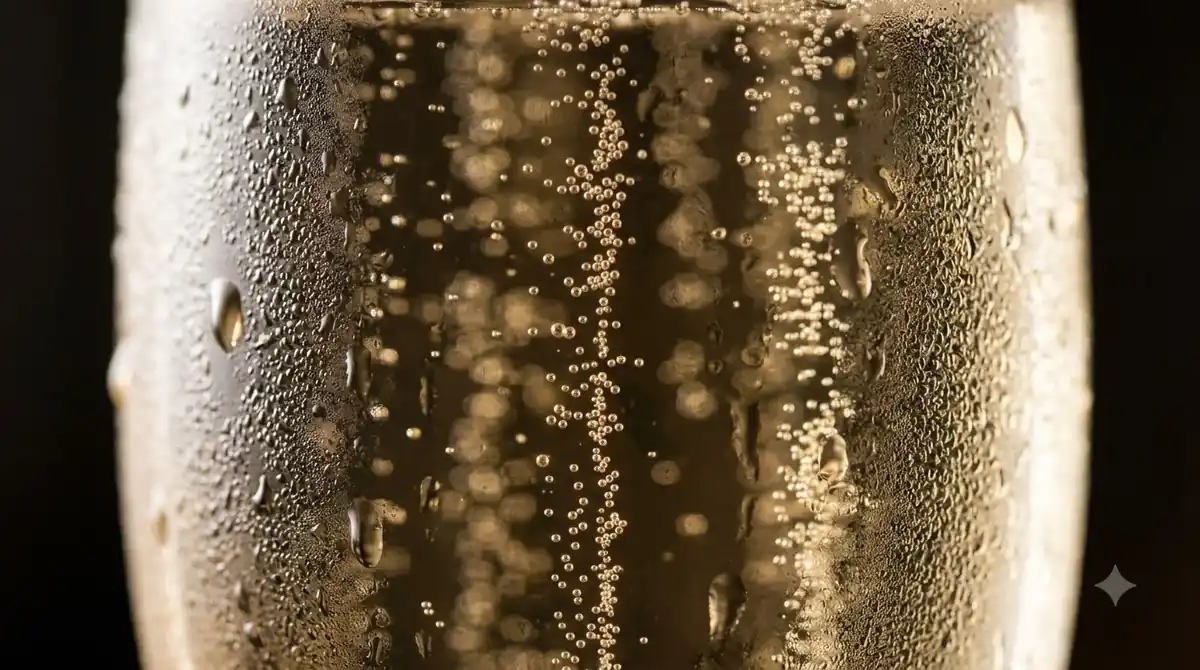
Always return the bottle to the refrigerator immediately after pouring, rather than leaving it on the kitchen counter during dinner. Even sweet red berry wines that you might prefer to drink slightly cool should be stored at standard refrigerator temperatures, then left on the counter for 15 minutes before serving to let the aromatics open up.
Store opened bottles upright rather than on their sides. While horizontal storage keeps corks moist for long-term aging of unopened bottles, an opened bottle stored upright minimizes the surface area of the wine exposed to the oxygen trapped inside the glass. Less surface contact means slower oxidation.
Tip: If you only plan to drink one glass at a time, decant the remaining fruit wine into a clean, smaller half-bottle or mason jar filled right up to the brim, leaving almost zero air space before sealing.
Reseal the bottle tightly between pours using the original screw cap, the clean end of the natural cork, or a silicone wine stopper. If the original cork has expanded and will not fit back into the neck easily, wrap a small piece of wax paper around the bottom end to help it slide smoothly into place without crumbling into the wine.
Signs Your Open Fruit Wine Has Gone Bad
Even with careful refrigeration, every opened bottle eventually passes its peak. Checking the wine’s appearance, aroma, and taste before pouring a full glass will immediately tell you whether it is still enjoyable or ready for the sink.
Start by examining the color and clarity in a well-lit room. Vibrant ruby raspberry or strawberry wines often shift toward a dull brick-brown or muddy orange hue as their pigments oxidize. White or golden fruit wines—such as peach, pineapple, or apple—tend to darken into a deep amber or brownish-yellow tone. Unexpected cloudiness or floating film on the surface is another clear indicator of microbial spoilage.
Next, give the glass a gentle swirl and smell the wine before taking a sip. Fresh fruit wine should smell distinctly of ripe orchards, berries, or stone fruit. If those pleasant aromas have been replaced by sharp nail polish remover (ethyl acetate), sour vinegar, bruised apples, or damp cardboard, oxidation has ruined the bottle.
Finally, take a small taste if the appearance and aroma seem borderline. Spoiled fruit wine loses its juicy mid-palate sweetness and finishes with a harsh, sour bite or unpleasant fizz in a wine meant to be still. While drinking oxidized wine is generally harmless, the flavor will be noticeably unpleasant.
How Different Fruits and Fortification Affect Longevity
Not all non-grape wines age at the same pace once opened, because the raw ingredients bring vastly different acid, sugar, and phenolic profiles to the fermentation tank. Looking across various wine types reveals clear patterns in how base ingredients dictate shelf life.
Dark berry wines made from blackberries, blackcurrants, elderberries, or blueberries naturally contain higher levels of anthocyanins and skin-derived phenolics than light-fleshed fruits. These compounds provide a modest buffer against oxygen, often allowing dark berry wines to stay vibrant a day or two longer than delicate strawberry, pear, or watermelon wines.
Stone fruit and tropical wines—such as mango, passionfruit, apricot, and peach—rely heavily on volatile aromatic esters for their signature bouquet. Because those aromatic compounds evaporate and oxidize rapidly once the seal breaks, tropical and stone fruit bottles can taste flat within 3 days even if they have not turned sour.
Fortified fruit wines sit in a category of their own. When winemakers add neutral grape spirits or fruit brandy to raise the alcohol content to 17 to 20 percent, the elevated alcohol stabilizes the liquid against both oxidation and bacteria. Much like how long does madeira last after opening, fortified fruit wines—especially sweet spiced apple or blackcurrant styles—can remain delicious for 3 to 4 weeks in the refrigerator, and even longer in a cool pantry.
Creative Ways to Use Leftover Fruit Wine
If an open bottle of fruit wine has lost its crisp edge after four or five days—or if you simply cannot finish it before leaving town—you do not have to pour it down the drain. Slightly oxidized fruit wine still carries concentrated fruit flavor and bright acidity that works wonderfully in the kitchen.
Simmering leftover berry, cherry, or plum wine on the stovetop with a splash of balsamic vinegar and a touch of honey creates a rich pan sauce for roasted pork tenderloin, duck breast, or grilled chicken. As the liquid reduces, the alcohol cooks off and the fruit flavors concentrate into a glossy glaze that masks any minor oxidation.
Dry apple, pear, or peach wines also make an easy poaching liquid for fresh pears, figs, or stone fruits, or a flavorful base for sangria when topped with fresh citrus slices, a splash of brandy, and club soda. For bottles that have already turned noticeably sour, you can even pour the remaining wine into a clean glass jar covered with cheesecloth to finish fermenting into homemade fruit vinegar for salad dressings.
Frequently Asked Questions
Does fruit wine need to be refrigerated after opening?
Yes, every style of fruit wine should be stored in the refrigerator after opening, including red berry wines. Cold temperatures significantly slow down oxidation and prevent bacteria from turning the wine into vinegar, extending its fresh flavor by several days compared to room-temperature storage.
Can you freeze leftover fruit wine to make it last longer?
You can freeze leftover fruit wine in an ice cube tray for up to 3 months to use later in cooking, sangria, or wine spritzers. However, freezing changes the texture and dulls delicate aromatics, so thawed fruit wine is best used as a culinary ingredient rather than served straight in a wine glass.
How long does homemade fruit wine last after opening?
Homemade fruit wine typically lasts 3 to 5 days in the refrigerator once opened, though sweeter batches may hold up for about a week. Because home winemakers often use lower sulfite levels than commercial wineries, homemade bottles can oxidize or spoil slightly faster if left warm or unsealed.
Does unopened fruit wine go bad over time?
Most commercial fruit wines are meant to be enjoyed young—within 1 to 2 years of bottling—while their fresh fruit aromatics are at their peak. While an unopened bottle stored in a cool, dark place will not become unsafe to drink, its bright berry or orchard flavors will gradually fade into dull, stewed notes after a couple of years.
Paying attention to sweetness, alcohol strength, and cold storage makes it easy to enjoy every last glass from an open bottle of fruit wine. Seal the bottle tightly right after pouring, keep it upright in the refrigerator, and let your eyes and nose guide you whenever you reach for a pour a few days later.
More in Wine Types & Grapes
 Zinfandel Sugar Content: Dry Red vs. White Zinfandel GramsUpdated Nov 21, 2026
 Best Zinfandel Substitute Options for Sipping and CookingUpdated Nov 21, 2026
 Zweigelt Food Pairing: Best Dishes, Cheeses, and Serving TipsUpdated Nov 21, 2026
 Zinfandel Tannins Explained: How Structure Shapes Every BottleUpdated Nov 21, 2026
 Zinfandel Sweetness Level: Dry Red vs. Sweet White Zin ExplainedUpdated Nov 21, 2026
 Xinomavro Food Pairing: Best Dishes, Styles, and Serving TipsUpdated Nov 21, 2026