

We may earn a commission when you buy through links on this page, at no extra cost to you. Learn more.
When asking how long does Bordeaux last unopened, the answer ranges from 2 to 5 years for everyday regional blends to 10 to 30 years or more for classified growths and sweet Sauternes, provided the bottle is stored properly. Entry-level Bordeaux Supérieur and dry white Bordeaux are crafted for early enjoyment within a few years of the vintage, whereas tannic Left Bank and Right Bank estate wines improve over decades. Regardless of the tier, steady storage around 55°F (13°C) in a dark, humid space is what determines whether a sealed bottle reaches its full lifespan.
Because Bordeaux covers dozens of appellations, multiple grape blends, and several distinct styles—from crisp dry whites to age-worthy Cabernet Sauvignon-dominant reds and honeyed dessert wines—no single expiration date applies to every bottle. Understanding which tier you own and how it has been kept makes it easy to open each bottle near its peak rather than too early or past its prime.
Lifespan by Bordeaux Style and Classification
Unopened Bordeaux longevity depends primarily on the wine’s style, classification tier, and balance of tannin, acidity, and sugar. While basic regional bottlings are meant to be opened within a few years, top estates from strong vintages regularly evolve for decades in a cool cellar.
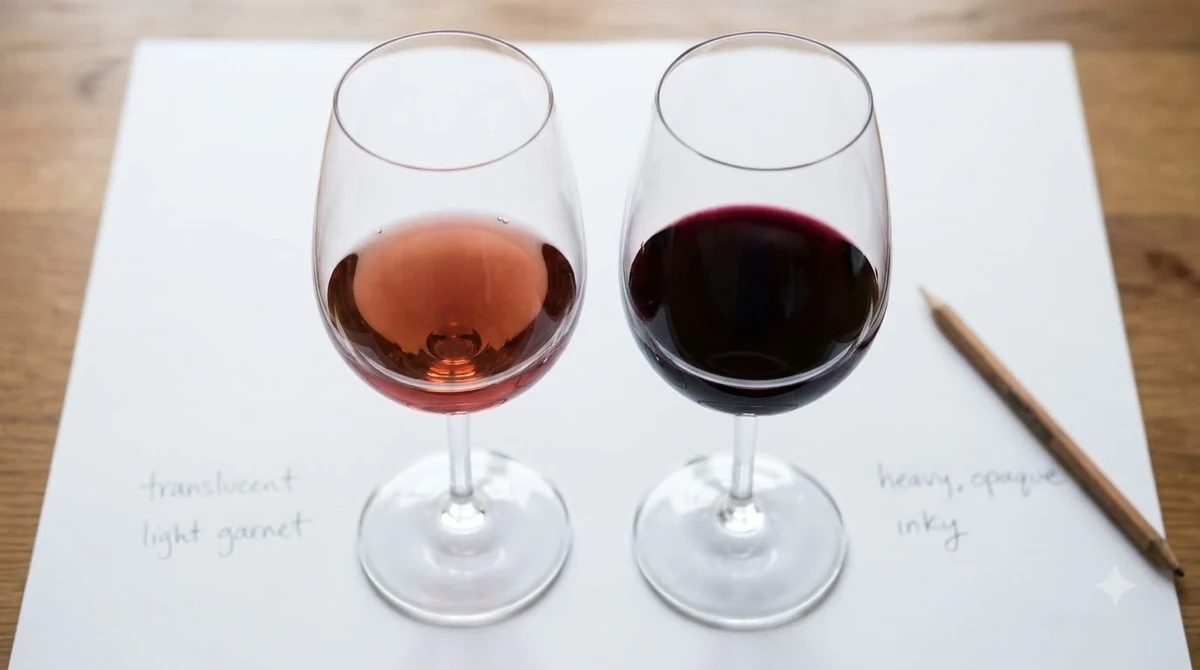
Everyday red Bordeaux—such as generic Bordeaux AOC, Bordeaux Supérieur, and lighter Côtes de Bordeaux wines—generally offers its brightest fruit between 2 and 5 years after the vintage. Winemakers craft these bottles with softer tannins and approachable Merlot-driven profiles so consumers do not need to wait years before pulling the cork. Holding a basic regional bottling for 15 years rarely improves it; instead, the fresh berry character fades into thin, dried-out notes.
Cru Bourgeois estates and solid mid-tier châteaux from the Médoc, Graves, Saint-Émilion, or Pomerol typically peak between 7 and 15 years after harvest. At the top of the pyramid, 1855 Classified Growths and leading Right Bank estates routinely reward cellaring for 15 to 30 years or longer. According to Decanter’s guide to the Bordeaux aging process, structured red Bordeaux passes through distinct phases—often shutting down aromatically a few years after bottling before opening up into complex cedar, leather, and savory tobacco notes after a decade or two.
White and sweet Bordeaux follow their own timelines. Standard dry white Bordeaux (Bordeaux Blanc) made from Sauvignon Blanc and Sémillon is best within 1 to 3 years of bottling, though barrel-fermented white wines from Pessac-Léognan can develop for 5 to 10 years. Meanwhile, botrytized sweet wines from Sauternes and Barsac rank among the longest-lived wines in the world, easily lasting 20 to 30 years or more unopened thanks to their high residual sugar and brisk acidity.
| Bordeaux Style / Tier | Typical Unopened Lifespan | Peak Drinking Window | Key Aging Driver |
|---|---|---|---|
| Dry White Bordeaux (Bordeaux Blanc) | 1 to 3 years | 1 to 2 years from vintage | Crisp natural acidity |
| White Pessac-Léognan (Oaked) | 5 to 10 years | 3 to 8 years from vintage | Acidity and oak structure |
| Regional Red Bordeaux / Bordeaux Supérieur | 2 to 5 years | 2 to 4 years from vintage | Moderate tannin and fresh fruit |
| Cru Bourgeois & Mid-Tier Estates | 7 to 15 years | 6 to 12 years from vintage | Balanced tannin and extract |
| Classified Growths & Top Right Bank | 15 to 30+ years | 10 to 25+ years from vintage | Dense tannins, acidity, and concentration |
| Sweet Bordeaux (Sauternes / Barsac) | 20 to 30+ years | 10 to 30+ years from vintage | High residual sugar and vibrant acidity |
Why Some Bordeaux Bottles Age for Decades
Long-lived Bordeaux relies on a natural chemical framework of phenolic tannins, brisk acidity, alcohol, and, in sweet styles, concentrated sugar. These structural components slow down oxidation and allow subtle tertiary aromas to replace primary fruit over time.
On the Left Bank—in appellations such as Pauillac, Saint-Julien, Margaux, and Saint-Estèphe—Cabernet Sauvignon forms the backbone of the blend. Cabernet Sauvignon brings thick grape skins rich in tannins and firm acidity, which act as natural preservatives inside the sealed bottle. If you compare Bordeaux to single-varietal New World bottles, the timeline closely parallels how long Cabernet Sauvignon lasts unopened, though Bordeaux’s maritime climate often yields even higher natural acidity for extended cellaring.
Right Bank wines from Pomerol and Saint-Émilion lean heavily on Merlot and Cabernet Franc. While Merlot delivers a plusher texture earlier in life, top Right Bank estates grow grapes on limestone and clay soils that preserve vibrant acidity and dense mineral structure. As Wine Folly’s Bordeaux vintage chart highlights, vintage weather also plays a decisive role: warm, balanced growing seasons like 2016, 2018, and 2019 produced deeply structured wines built for long-term cellaring, whereas cooler or rain-affected years mature earlier and have shorter windows.
How Storage Conditions Affect Unopened Shelf Life
Even a premier classified growth will spoil within a few years if kept in a warm kitchen or sunlit dining room. Temperature stability, humidity, darkness, and bottle orientation directly govern how slowly oxygen enters through the cork.
Temperature is the single most critical factor for any unopened wine. Ideal cellar storage sits at a steady 55°F (13°C), though any consistent spot between 50°F and 59°F (10°C to 15°C) works well. Rapid temperature swings cause the liquid inside to expand and contract, pushing air past the cork and accelerating premature oxidation. Storing Bordeaux above 70°F (21°C) permanently flattens its fruit aromas and can eventually push the cork slightly outward.
Relative humidity around 70 percent keeps natural corks supple so they maintain an airtight seal against the glass neck. In very dry rooms, corks shrink and let excess air seep into the bottle, while extreme dampness can damage paper labels without hurting the wine itself. Bottles sealed with natural cork should always rest horizontally so the wine stays in direct contact with the cork, whereas bottles sealed with screwcaps can stand upright without risk of the closure drying out. Keeping bottles away from direct sunlight and household vibrations further protects delicate aroma compounds as they mature.
Tip: If you do not have a temperature-controlled wine fridge or basement cellar, store unopened Bordeaux in the coolest interior closet on the lowest floor of your home, away from heating vents, appliances, and exterior walls.
How to Tell If an Unopened Bordeaux Has Gone Bad
Unopened wine does not spoil into a food-safety hazard, but poor storage or extreme age can push a bottle past its prime. Visual inspection before opening and sensory checks after pulling the cork reveal whether the wine is still enjoyable.
Start by examining the capsule and cork level while the bottle is still sealed. If the cork protrudes slightly above the rim of the glass or sticky wine residue has seeped beneath the foil capsule, the bottle has likely suffered heat damage. Check the fill level—known in the wine trade as ullage—by holding the bottle upright. In young bottles, the wine should sit right in the middle of the neck; while a slight drop to the upper shoulder is normal in bottles over 20 years old, a fill level down to the mid-shoulder or lower signals excessive evaporation and likely oxidation.
Once you pull the cork, let color and aroma guide you. Mature red Bordeaux naturally shifts from deep purple-ruby toward garnet and brick-orange at the rim, while older Sauternes deepens from pale gold to rich amber. However, a dry red that looks dull, murky brown throughout or a dry white that has turned dark gold has usually oxidized. Aromas of wet cardboard, sharp vinegar, nail polish remover, or stewed prunes confirm that the bottle is flawed or well past its drinking window.
Bordeaux vs. Other Wine Styles and Packaging
Comparing Bordeaux with everyday wine formats helps put its exceptional longevity into perspective. Most commercial wines on retail shelves are packaged and vinified for immediate consumption rather than multi-decade aging.
Unlike traditional glass bottles sealed with dense natural cork, alternative packaging prioritizes convenience and short-term freshness. For example, anyone checking how long boxed wine lasts unopened will find that bag-in-box containers typically stay fresh for only 6 to 12 months because the plastic bladder is slightly permeable to oxygen over long periods. Similarly, traditional honey wines have their own sugar- and alcohol-driven timelines, as covered in our guide on how long mead lasts unopened.
Even within the broader spectrum of wine by type, Bordeaux stands apart for how dramatically its lifespan varies across tiers. While a fresh Pinot Grigio or standard Prosecco peaks within 1 to 2 years of harvest, a well-stored classified Bordeaux bridges multiple decades, evolving from a primary fruit-driven beverage into a layered, savory classic.
Frequently Asked Questions
Does unopened Bordeaux wine expire?
Unopened Bordeaux does not expire in a way that makes it unsafe to drink, because alcohol and natural acidity prevent harmful pathogens from growing. Instead, every bottle has an optimal quality window after which its fruit fades and its flavors turn flat, nutty, or vinegary.
Can you store unopened Bordeaux in a regular kitchen refrigerator?
A standard kitchen refrigerator is fine for chilling white Bordeaux before serving or holding an unopened red bottle for a few weeks, but it is poorly suited for long-term storage. At around 38°F to 40°F (3°C to 4°C) with low humidity, a kitchen fridge can dry out natural corks over several months and stall the gradual aging process.
Do magnums of Bordeaux last longer than standard bottles?
Yes, magnum bottles (1.5 liters) age more slowly and evenly than standard 750-milliliter bottles. Because a magnum holds twice as much wine while exposing it to roughly the same size cork opening, the ratio of oxygen ingress to liquid volume is halved, extending the wine’s peak lifespan by several years.
How long does Bordeaux last once you open the bottle?
Once opened, red Bordeaux typically stays fresh for 3 to 5 days when recorked and kept in a cool, dark place or wine fridge, while dry white Bordeaux lasts 3 to 5 days refrigerated. Very old red Bordeaux over 20 years old is far more fragile and should be finished the same evening, whereas sweet Sauternes can remain delicious for 2 to 3 weeks in the refrigerator.
Knowing the classification, vintage, and storage history of your bottle takes the guesswork out of deciding when to pull the cork. Whether you have an everyday Bordeaux Supérieur ready for tonight’s dinner or a classified estate wine resting in a cool cellar, matching your timeline to the style inside the glass ensures every pour shows at its best.
More in Wine Types & Grapes
 Zinfandel Sugar Content: Dry Red vs. White Zinfandel GramsUpdated Nov 21, 2026
 Best Zinfandel Substitute Options for Sipping and CookingUpdated Nov 21, 2026
 Zweigelt Food Pairing: Best Dishes, Cheeses, and Serving TipsUpdated Nov 21, 2026
 Zinfandel Tannins Explained: How Structure Shapes Every BottleUpdated Nov 21, 2026
 Zinfandel Sweetness Level: Dry Red vs. Sweet White Zin ExplainedUpdated Nov 21, 2026
 Xinomavro Food Pairing: Best Dishes, Styles, and Serving TipsUpdated Nov 21, 2026