

We may earn a commission when you buy through links on this page, at no extra cost to you. Learn more.
houdini wine accessories are practical wine-opening, preserving and serving tools for everyday drinkers who want convenient equipment without complicated operation. The collection includes manual and electric corkscrews, vacuum wine preservers, aerating pourers and accessories for entertaining. Its strongest appeal is the variety of useful tools, although buyers should compare individual features, battery requirements and cleaning instructions before choosing a set.
A good wine accessory should solve a specific problem: removing a stubborn cork, keeping an unfinished bottle closed, controlling a pour or making a home bar easier to organize. Houdini covers several of these jobs with individual tools and coordinated sets. Its range includes straightforward manual openers for occasional bottles and electric equipment for people who open wine regularly. This review examines the available categories, practical specifications, reported owner experiences and limitations that matter when deciding whether Houdini belongs in a home wine collection.
Specs and Key Features of Houdini Wine Accessories
Houdini offers a varied collection rather than a single signature wine tool. The most useful distinction is between opening, preserving and serving equipment, because each category addresses a different part of the wine-drinking routine.
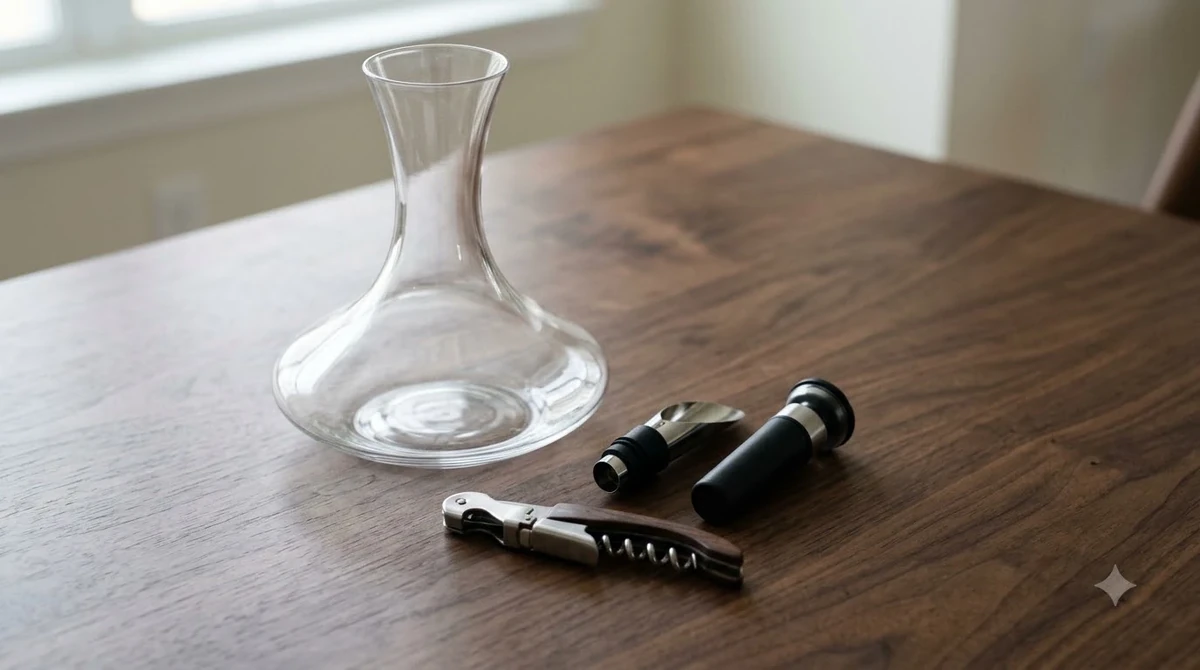
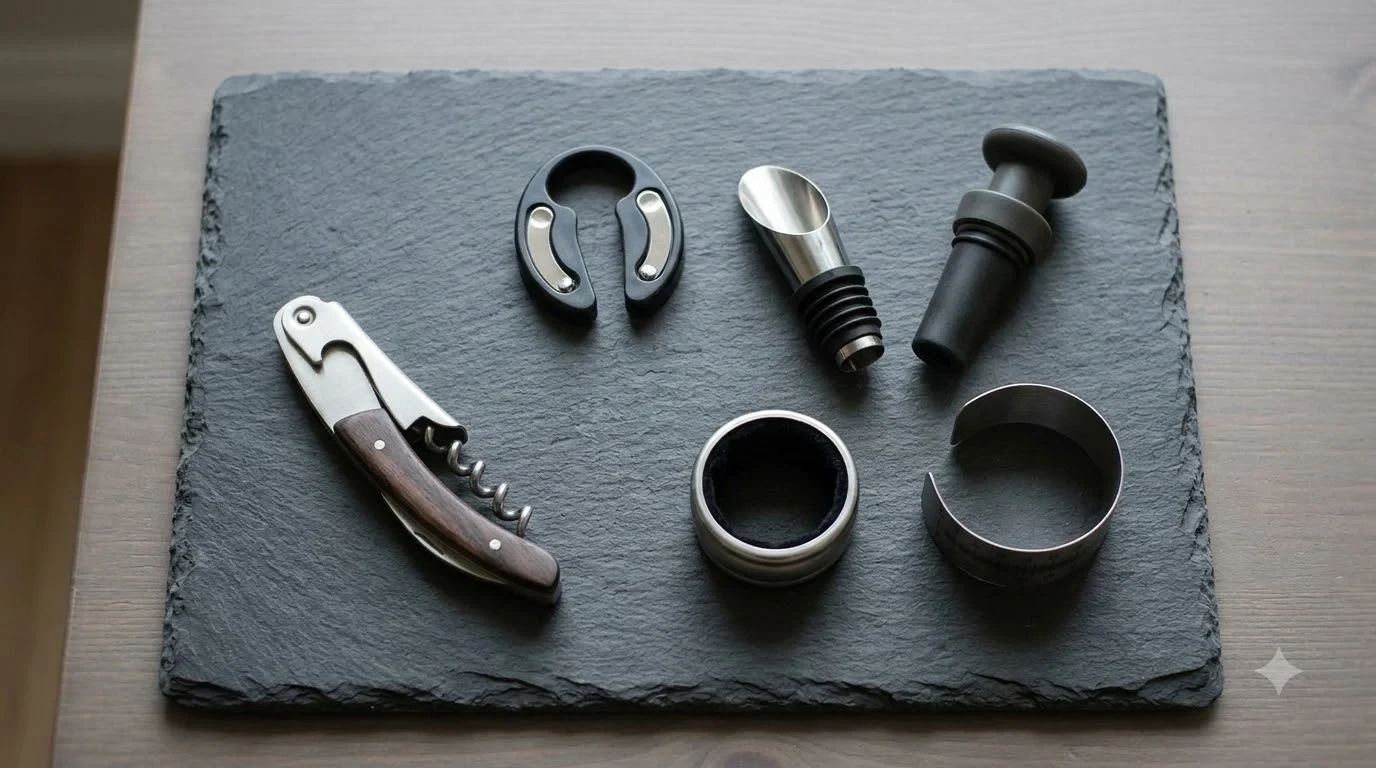
The official Rabbit website organizes its Houdini collection around wine and bar tools. Its assortment includes manual corkscrews, electric corkscrews, cocktail equipment, vacuum wine preservation products and serving accessories. That range makes the brand relevant to people building a small home bar as well as wine drinkers replacing an individual opener.
One particularly useful example is the Houdini electric wine corkscrew six-piece set. Target’s product specifications identify its components as an electric opener, an aerating pourer, a foil cutter, two wine-preserving stoppers and a storage base. The set uses stainless steel and ABS plastic and requires four AA alkaline batteries, which are sold separately.
| Product or category | Documented features | Best practical use |
|---|---|---|
| Electric corkscrew set | 6 pieces; 4 AA batteries required | Frequent bottle opening |
| Wing corkscrew | 1.06 x 7.87 x 3.35 inches; 0.67 pounds | Manual everyday opening |
| Vacuum wine preserver | Pump-and-stopper system | Closing unfinished bottles |
| Waiter’s corkscrew | Manual folding opener design | Portable wine service |
| Aerating pourer | Included in the six-piece electric set | Pouring and aerating wine |
| Wine-preserving stoppers | 2 included in the six-piece set | Sealing opened bottles |
| Bar tool set | 5-piece assortment | Basic cocktail preparation |
The wing corkscrew is an especially straightforward option. Shop TODAY identifies its dimensions as approximately 8 inches tall, 3.35 inches wide and 1.06 inches deep, with a weight of 0.67 pounds. Its raised arms help make the opening mechanism easier to understand for people unfamiliar with this style of opener.
Construction and care requirements vary by product. The electric set combines stainless steel and ABS plastic, while the wing opener has a different construction and a separate dishwasher-safety designation. These differences matter because a care instruction for one Houdini accessory should not automatically be applied to another.
For buyers who want a coordinated wine station, the variety is useful. A bar cart can accommodate an opener, stopper, pourer and glassware in one accessible location. However, purchasing a complete assortment makes less sense if the only actual requirement is replacing a basic corkscrew.
What Owners Like About the Opening and Serving Tools
The main attraction of Houdini’s opening tools is convenience. The collection provides different operating styles, allowing buyers to choose between a familiar manual mechanism and a battery-powered alternative.
The electric corkscrew is the obvious choice for someone who prefers button-operated equipment. Target describes its six-piece set as opening bottles with the touch of a button and accommodating natural as well as synthetic corks. This compatibility is useful because modern wine bottles do not all use the same closure material.
Another advantage is the coordinated equipment. Rather than buying an electric opener and searching separately for a foil cutter or aerating pourer, buyers receive several complementary accessories in the same package. The two preserving stoppers also make the set more useful after the first pour.
That arrangement can simplify entertaining. A host can remove the foil, open a bottle, pour through the aerating attachment and close the remaining wine with a stopper. The storage base gives the individual components a designated place on a kitchen counter or bar shelf.
Manual opening tools offer a different kind of convenience. The Houdini wing corkscrew is identified by Shop TODAY as beginner-friendly. Its automatically raised arms can help users understand how the wings respond while the spiral enters the cork. For someone who occasionally opens a bottle with dinner, that straightforward mechanism may be preferable to keeping batteries available.
The collection also includes a waiter’s corkscrew. This familiar folding style is particularly useful for compact storage, restaurant-style service and people who prefer a traditional manual tool. Its small footprint makes it easier to keep in a drawer or take along when traveling.
Serving accessories extend the usefulness beyond bottle opening. An aerating pourer is intended to introduce air during pouring, while a wine chiller and pourer stick combines serving and temperature-management functions. These tools can make a wine presentation more organized without requiring a large collection of specialized equipment.
The broader selection is also useful for gifting. A coordinated assortment gives a recipient several related tools rather than one isolated accessory. Someone setting up a first home bar may appreciate an opener, stopper and pourer together more than an elaborate piece of equipment that performs only one task.
Still, the practical value depends on frequency of use. An electric opener may save effort across repeated bottles, but an occasional wine drinker may find a simple manual corkscrew sufficient. The best feature is not necessarily the most technologically advanced one; it is the tool that gets used consistently.
Common Complaints and Potential Limitations
Houdini accessories cover many wine-related jobs, but individual products have limitations involving maintenance, supplies and opening performance. Understanding these drawbacks before buying helps prevent disappointment.
The first consideration with the electric six-piece set is its battery requirement. Target specifies four AA alkaline batteries, which are not included. Buyers who expect a rechargeable opener may be surprised because this particular set requires replaceable batteries rather than a supplied charging system.
That requirement also introduces an ongoing practical consideration. Batteries need to be available when the opener is used, and their condition can affect whether the motor operates as expected. A household that opens wine infrequently may prefer to avoid maintaining another battery-powered appliance.
The wing corkscrew has a different potential drawback. Shop TODAY reported mild cork splintering during its evaluation, although no cork pieces entered the wine. This does not mean every bottle will produce a damaged cork, but it shows that the condition of the closure and the way the spiral enters it can affect the opening experience.
Another limitation is the absence of a foil cutter with the wing corkscrew evaluated by Shop TODAY. Anyone purchasing that particular opener should consider whether a separate cutter is needed. A foil cutter is a small addition, but having to locate one separately can interrupt bottle service.
The electric set also requires more storage space than a single manual opener because it contains six separate pieces and a base. A compact countertop design is useful, but buyers with limited kitchen space may prefer a folding corkscrew and one universal stopper.
Cleaning requirements deserve attention, too. Target specifies spot cleaning or wiping for the electric set. That instruction is different from the dishwasher-safe designation reported for the Houdini wing corkscrew. Placing every component in a dishwasher without checking its individual care requirements could damage electrical or plastic parts.
Vacuum preservation equipment has a separate limitation: removing air does not make an opened bottle identical to a newly opened one. Wine continues to change after exposure to oxygen. A vacuum stopper can help manage storage, but it should not be treated as a guarantee that every wine will remain unchanged for an extended period.
Finally, buyers should avoid assuming that every accessory shown in a broader collection comes with every set. The contents of the electric package are clearly specified, but a standalone manual opener, wine preserver or aerator is a different purchase. Confirming the exact components prevents confusion between individual products and coordinated kits.
Tip: Before purchasing a Houdini set, check the included accessories, battery requirements and cleaning instructions separately. In particular, remember that the six-piece electric set requires four AA batteries and is specified for wipe cleaning.
Who Should Buy Houdini Wine Accessories and Who Should Skip Them
Houdini is worth considering for households that want accessible wine-opening and serving equipment without assembling every component individually. Its manual and electric choices make the collection adaptable to different routines.
Who should consider buying
Regular wine drinkers may appreciate the electric corkscrew because it simplifies the physical process of opening bottles. Someone who serves wine several times a week may find a button-operated opener more convenient than repeatedly using a traditional spiral corkscrew.
People building a home bar can benefit from the broader assortment. A wine preserver, aerating pourer, foil cutter and opener address several common tasks. Adding these tools to a dedicated bar cart keeps the serving area organized and reduces the need to search through kitchen drawers.
New wine enthusiasts may also find the collection approachable. A wing corkscrew provides a recognizable manual mechanism, while a coordinated electric set supplies several accessories for learning basic wine service. Neither option requires specialist knowledge of wine equipment.
People who entertain guests have another reason to consider a multi-piece set. Opening multiple bottles and serving different wines can involve several small tasks. Having the necessary tools together helps keep the process organized, especially when the dining table or serving area is already occupied.
Who should skip the collection
Minimalist buyers who only need to open an occasional bottle may not benefit from a multi-piece package. A simple waiter’s corkscrew can handle the primary job while occupying very little storage space.
Rechargeable-device shoppers should be careful about the battery-operated electric set. Its documented requirement is four AA alkaline batteries, not a built-in rechargeable battery. Someone who specifically wants USB charging should compare alternative products before purchasing.
Buyers seeking dishwasher convenience should also distinguish between products. The wing opener has a dishwasher-safe designation in Shop TODAY’s review, but Target specifies wipe cleaning for the electric set. The brand name alone does not establish a universal cleaning standard.
Collectors of specialized wine equipment may prefer to purchase individual tools designed around a particular serving requirement. For example, someone who regularly handles delicate older corks may want to compare specialized opening mechanisms rather than choosing an accessory primarily for its general convenience.
The key is to match the purchase to actual habits. A household that regularly opens wine, serves guests and saves unfinished bottles has more reasons to consider a coordinated set than someone who simply needs an opener for an occasional weekend dinner.
How Houdini Compares to Alternative Wine Accessories
Houdini’s main advantage is variety, but the right comparison depends on the task. Manual corkscrews, electric openers and vacuum preservers are not interchangeable, even if they all belong in the same wine-accessory collection.
For manual opening, the Houdini wing corkscrew offers a different experience from a waiter’s corkscrew. The wing design provides visible handles that rise during operation, while the waiter’s design uses a folding lever mechanism. Both can remove conventional corks, but they appeal to different preferences.
Shop TODAY’s evaluation is particularly relevant to buyers comparing the Houdini wing opener with more expensive manual alternatives. Its review names the OXO Steel Vertical Lever Corkscrew as its overall manual selection and identifies the Houdini Wing Corkscrew as a beginner-friendly choice. That distinction suggests that Houdini is worth considering for basic usability rather than assuming every opener is equally suitable for every user.
For electric opening, the Houdini six-piece set offers more than the opening mechanism alone. Its package includes a pourer, foil cutter, two stoppers and a base. Buyers comparing electric openers should consider whether these extra components are useful or whether a standalone electric device better suits their kitchen.
Preservation products require a separate comparison. A conventional stopper simply closes the bottle opening, while a vacuum preserver uses a pump to remove some air from the bottle. Houdini’s vacuum product is designed around the second approach, with a pump handle and push-button stopper.
The distinction matters for anyone who regularly saves half-finished bottles. A basic stopper is easy to store and use, but it does not perform the same function as a vacuum pump. Conversely, someone who normally finishes a bottle in one sitting may have little reason to purchase a dedicated preservation system.
For serving, an aerating pourer is different from a decanter. The pourer works as wine enters the glass, while decanting involves transferring wine into a separate vessel. Young, full-bodied red wines such as Cabernet Sauvignon may benefit from 30 to 60 minutes of decanting, depending on the wine and its structure. An aerating attachment offers a quicker serving approach, but it should not be assumed to provide exactly the same result as extended decanting.
Organization is another comparison point. A dedicated wine bottle holder addresses bottle storage, while Houdini’s accessories address opening, serving and preserving. These products complement each other rather than competing directly. A holder can keep bottles stable and accessible, while the accessories remain available for preparing the wine.
For a broader overview of manufacturers and product categories, the site’s Accessory Brands section provides a useful starting point. Buyers should compare the exact mechanism and included components instead of assuming that accessories with similar names perform identically.
For further product details, the official Houdini by Rabbit collection is the most useful starting point for examining the range of available accessories. Target’s Houdini electric corkscrew set specifications provide additional detail about the six-piece package and its battery requirements.
Care, Storage and Everyday Use
Good maintenance helps wine accessories remain functional and ready for regular use. The most important rule is to follow the care requirements of each individual tool rather than applying one cleaning routine to the entire collection.
For the Houdini electric corkscrew set, Target specifies spot cleaning or wiping. The electric mechanism should not be treated like an ordinary dishwasher-safe kitchen utensil. Keeping liquid away from electrical components and drying the exterior after cleaning are sensible precautions.
The wing corkscrew has a different care designation. Shop TODAY identifies the evaluated Houdini model as dishwasher-safe. Nevertheless, users should distinguish that particular product from other accessories in the collection. A dishwasher-safe manual opener does not establish that the electric opener, storage base or vacuum preserver can be washed the same way.
For corkscrews, keep the spiral clean and free of sticky wine residue. After opening a bottle, wipe away any visible debris before putting the tool away. A clean spiral is easier to handle and less likely to transfer residue to the next cork.
Vacuum stoppers should also be cleaned after contact with wine. Residue around the stopper can interfere with a secure fit. Allow reusable components to dry thoroughly before storing them, following the product’s individual instructions.
Storage organization makes a difference, particularly for a multi-piece electric kit. Keep the foil cutter, aerator and stoppers together with the opener’s base so that individual components do not disappear into separate drawers. If the device will not be used for an extended period, removing batteries is a sensible way to avoid problems associated with battery leakage.
Serving equipment should be stored separately from tools that come into contact with foil or cork debris. This reduces the possibility of transferring small particles into a wine glass. Pourers and stoppers should receive particular attention because they contact the bottle opening directly.
Wine itself also requires appropriate storage. Unopened bottles generally benefit from a stable environment near 55 degrees Fahrenheit, away from direct sunlight and temperature fluctuations. Bottles sealed with natural cork are commonly stored on their sides to keep the cork from drying out.
Once opened, most still wines are best refrigerated and consumed within approximately three to five days. Sparkling wines generally have a shorter window of about one to three days, while fortified wines can last several weeks depending on the style and storage conditions. A Houdini stopper or vacuum preserver can support storage, but neither replaces refrigeration when appropriate.
Temperature also influences the serving experience. Light whites and rosé are generally served around 45 to 50 degrees Fahrenheit, while full-bodied whites are often served around 50 to 55 degrees. Light reds work well around 55 to 60 degrees, and fuller reds around 60 to 65 degrees.
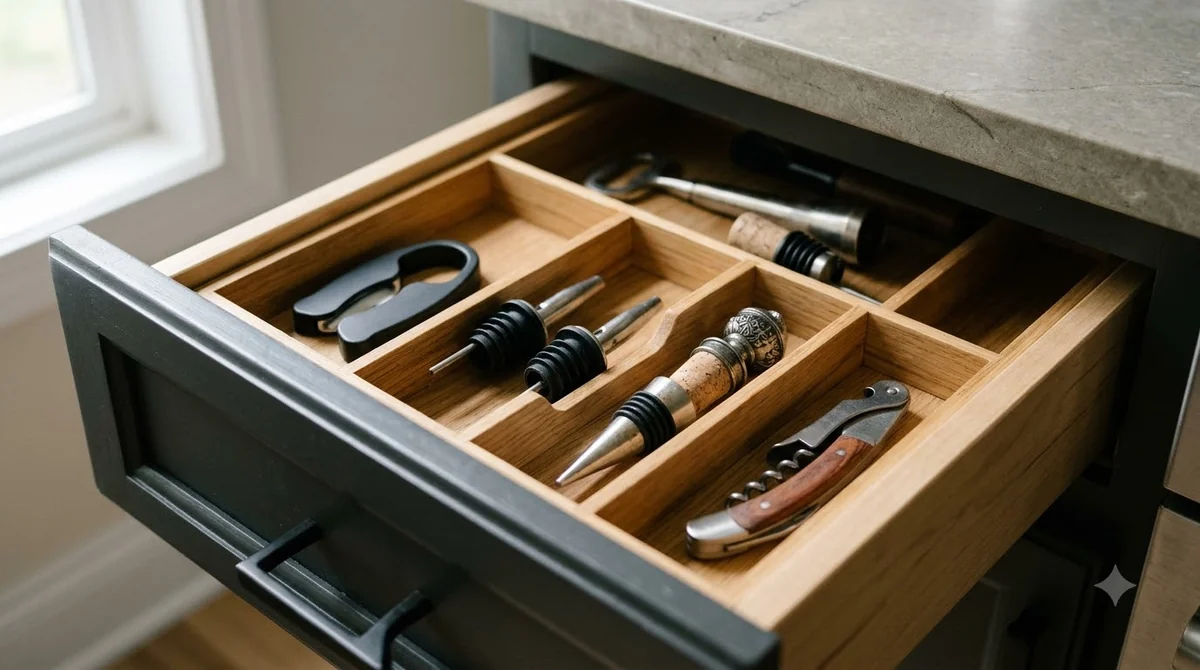
A useful home-bar arrangement is to keep the opener and foil cutter together, place the stoppers near the wine storage area and reserve a separate location for clean serving attachments. This makes the equipment easier to locate without crowding the countertop.
For seasonal entertaining, a coordinated bar cart can hold the accessories alongside glasses and serving pieces. A bar cart is particularly practical when the kitchen counter has limited space. Wine-related gifts and seasonal accessories can also complement a wine advent calendar, particularly for someone building a collection of wine-serving equipment.
Frequently Asked Questions
Who makes Houdini wine accessories?
Houdini products are presented through Rabbit’s official retail collection. The Rabbit website identifies itself as a division of Lifetime Brands, Inc. Its collection includes wine tools as well as broader barware products.
Can a Houdini corkscrew open bottles with synthetic closures?
Target specifically states that the electric corkscrew in its six-piece Houdini set works with synthetic corks as well as other cork types. This is useful for modern bottles that use manufactured closures instead of traditional natural cork. The specification should not automatically be extended to every manual opener in the collection.
Does the Houdini electric opener have a rechargeable battery?
The documented six-piece Houdini electric set uses four AA alkaline batteries, which are not included. Its product specifications do not identify a rechargeable battery or charging cable. Buyers who prefer rechargeable equipment should look for a model that explicitly lists that feature.
Does Houdini offer accessories for sparkling wine?
The broader Rabbit retail collection includes Champagne-related shopping categories alongside its other wine accessories. For sparkling bottles, a properly fitting sparkling-wine stopper is useful for containing carbonation after opening. A regular wine-preserving stopper should not automatically be considered suitable for sparkling wine.
Does Houdini offer customer support for its accessories?
The official Rabbit website lists [email protected] as its customer support email address. Buyers can use the published contact information to ask about product questions and support requirements. Keeping the product packaging and purchase information available can help identify the exact accessory involved.
Houdini wine accessories offer a practical assortment for opening, serving and preserving wine, with options ranging from simple manual corkscrews to coordinated electric sets. The six-piece electric package is particularly useful for buyers who want several complementary tools, while occasional wine drinkers may prefer a smaller manual setup. Choose according to your actual serving routine, storage space and maintenance preferences rather than purchasing more equipment than you need.
More in Wine Accessories
 Coravin Vs Vacu Vin: Choose the Right Wine Saver for Your BottlesUpdated Nov 21, 2026
 Zwilling Wine Stopper Review: Preserve Open Bottles LongerUpdated Nov 21, 2026
 Wine Enthusiast Wine Preserver Review: Features, Benefits and LimitationsUpdated Nov 21, 2026
 Wine Enthusiast Wine Stopper: An Easier Way to Reseal Open BottlesUpdated Nov 21, 2026
 Vintorio Wine Opener: Two-Step Cork RemovalUpdated Nov 21, 2026
 Zwilling Wine Aerator Review: Aerate, Pour, and Seal With One ToolUpdated Nov 21, 2026