

We may earn a commission when you buy through links on this page, at no extra cost to you. Learn more.
The govino wine tumbler is a lightweight, reusable, shatterproof alternative to traditional wine glasses, making it especially useful for patios, picnics, poolside gatherings, and other places where broken glass is a concern. Made from BPA-free Tritan polymer, it combines a clear, stemless design with a distinctive thumb notch for a more secure grip. Its biggest strengths are portability, durability, and easier outdoor entertaining, although traditional glass remains preferable for formal wine service and serious tasting.
Traditional wine glasses can be inconvenient outside the dining room. A dropped glass near a swimming pool, a broken stem on a boat, or fragile stemware packed for a picnic can quickly turn a relaxing occasion into an unpleasant cleanup. Govino addresses these problems with reusable polymer drinkware that looks more refined than disposable plastic cups. The following review examines its construction, available sizes, everyday performance, limitations, and the situations in which it makes the most sense.
Specs and Key Features
Govino’s defining feature is its combination of clear Tritan polymer, a stemless silhouette, and a recessed thumb grip. The result is a wine tumbler designed for casual drinking environments where traditional glassware is less practical. The current product range includes different capacities for white and red wine, with dishwasher-safe options that make repeated use more convenient.
The 12-ounce Shatterproof White Wine Glass and 16-ounce Shatterproof Red Wine Glass are two useful examples of the range. Both follow the same general design philosophy, but their different capacities accommodate different serving preferences. The smaller version is easier to manage for compact servings, while the larger bowl provides additional room for red wine and other beverages.
| Specification | 12 oz White Wine Glass | 16 oz Red Wine Glass |
|---|---|---|
| Capacity | 12 fl oz | 16 fl oz |
| Material | Tritan polymer | Tritan polymer |
| Construction | Stemless | Stemless |
| Grip design | Thumb notch | Thumb notch |
| Breakage resistance | Shatterproof | Shatterproof |
| BPA status | BPA-free | BPA-free |
| Dishwasher compatibility | Yes, designated model | Yes, designated model |
| Typical applications | White wine, sparkling wine, cocktails | Red wine, cocktails, mixed drinks |
Tritan construction
Tritan is a copolyester plastic used in durable drinkware. Govino uses this material because it can provide transparency and flexibility without the fragility associated with ordinary glass. Its lightweight construction is particularly useful when glasses must be carried between rooms, packed into outdoor entertaining supplies, or transported to a vacation property.
Govino describes its drinkware as BPA-free and BPS-free. The manufacturer also emphasizes that the material does not readily retain flavors or odors, making the glasses suitable for different cold and room-temperature beverages. That versatility is useful when one glass needs to serve wine during dinner and water or a cocktail later in the evening.
The signature thumb notch
The thumb notch is one of Govino’s most recognizable design details. Instead of relying on a traditional stem, the tumbler incorporates a recessed area that gives the thumb a natural resting position. This makes the glass easier to hold while standing, walking between guests, or sitting outdoors.
The notch is also a visual distinction from ordinary stemless plastic drinkware. It gives the tumbler a recognizable silhouette without adding a separate component that could break or become detached.
Capacity and drinking experience
The 12-ounce model is a practical choice for white wines, rosé, and moderate servings. It also leaves enough space for a conventional wine pour without filling the glass to the rim. The 16-ounce version offers more room for red wine, allowing additional headspace above a typical serving.
For reference, a standard wine serving is approximately 5 ounces, and a 750 ml bottle provides about five such servings. Neither Govino capacity should be confused with a recommended serving size. A larger glass simply provides additional room for the wine and its aromas.
Govino also highlights a polished drinking lip on its current designs. This is an important detail because the rim is one of the main places where plastic drinkware can feel noticeably different from conventional glass. A smoother edge makes the transition from glass to mouth more comfortable, even though the overall material still has a different feel from crystal or standard wine glass.
What Owners Like
The strongest reason to choose Govino is the freedom to use wine-shaped drinkware in places where fragile glass is inconvenient. Owners and reviewers particularly appreciate its resistance to breakage, practical grip, lightweight construction, and improved appearance compared with disposable cups. These benefits are most apparent during outdoor entertaining and informal gatherings.

Confidence around pools and patios
Poolside entertaining is one of the clearest applications for Govino. Many swimming areas restrict traditional glass containers because broken fragments can create a serious cleanup problem. A shatterproof polymer tumbler reduces that particular concern and makes it easier to serve wine or cocktails without bringing delicate stemware outside.
The manufacturer’s FAQ specifically identifies pools, beaches, camping, picnics, and outdoor events as suitable environments. This broad range of uses explains why the design appeals to homeowners who entertain outside regularly.
The Kitchn’s review also describes using Govino glasses around a swimming pool where traditional glass was prohibited. The reviewer appreciated the clear appearance, stemless shape, and thumb notch, particularly for family use. The smaller 12-ounce capacity was also considered easier for smaller hands to manage than the larger 16-ounce version.
More attractive than disposable cups
One recurring advantage in owner-oriented reviews is appearance. Ordinary disposable cups are convenient, but they rarely complement a carefully arranged outdoor table. Govino provides a recognizable wine-glass shape and clear construction, making it easier to serve guests without sacrificing the overall presentation.
The difference is especially noticeable when entertaining guests who prefer a more grown-up drinking experience. The tumbler does not look exactly like traditional glassware, but it offers a more deliberate presentation than a basic disposable cup.
A practical grip for moving guests
Drinkware used at standing receptions needs to be comfortable to carry. Traditional stemware can be awkward when guests are holding food, greeting friends, or moving between indoor and outdoor spaces. Govino’s thumb notch provides an additional contact point that helps the hand maintain a natural grip.
Drinkhacker’s review highlights this feature as a useful part of the design for casual parties where people are mingling rather than sitting at a formal dining table. The stemless construction also eliminates the delicate stem that can snap during handling or transportation.
Improvements to the newer designs
Version differences matter when evaluating Govino. Drinkhacker explains that earlier designs were thinner and could lose their shape when placed in a dishwasher despite their shatterproof construction. The reviewer describes the newer version as noticeably thicker and sturdier.
This distinction helps explain why older owner experiences do not always match current product descriptions. A review of an earlier polymer version may describe limitations that do not apply in the same way to newer Tritan drinkware. Buyers should pay attention to the specific generation and product designation rather than assuming every Govino tumbler has identical construction.
Useful for more than wine
Another advantage is versatility. Govino’s manufacturer identifies wine, cocktails, beer, coffee, tea, and seltzer among the possible uses for its drinkware. This makes the glasses useful for households that prefer fewer specialized drinking vessels.
For example, a 12-ounce tumbler can serve chilled Sauvignon Blanc during a backyard dinner and water during the following afternoon. A larger 16-ounce version can accommodate red wine or a mixed drink with additional space. The material’s resistance to retaining flavors and odors supports this multipurpose approach.
For readers comparing different reusable options, our guide to the best wine tumblers provides additional context about shapes, materials, and everyday applications.
Common Complaints
Govino solves several problems associated with fragile glassware, but it does not reproduce every quality of a traditional wine glass. Its polymer construction, lightweight feel, storage requirements, and care differences can be disadvantages depending on how the glass will be used. These limitations are important to consider before replacing an entire wine-glass collection.
Plastic still feels different from glass
The most obvious compromise is material. Tritan can provide impressive clarity, but it does not have the same weight, temperature sensation, or tactile character as a conventional glass or crystal wine glass. People who particularly enjoy the feel of fine stemware may find the difference noticeable immediately.
The drinking lip is another consideration. Although Govino emphasizes a polished rim on its current products, the sensation remains different from a thin crystal edge. For casual drinking, this distinction may be minor. For someone who places great importance on the physical experience of wine service, it can be significant.
Lightweight construction has trade-offs
A lightweight tumbler is easy to carry, but some drinkers prefer a heavier glass that feels more substantial on a dining table. Very light drinkware can also move more easily if placed on an exposed outdoor surface during windy conditions.
Some owner feedback highlights concerns about the light feel and thin rim of certain Govino versions. These experiences are not universal, and the current designs have been described as sturdier than earlier models. Nevertheless, buyers who prefer substantial glassware should consider this difference before purchasing a complete set.
Older versions had dishwasher limitations
Dishwasher compatibility has historically been a source of confusion. Earlier Govino products were not necessarily designed for machine washing, and Drinkhacker specifically describes how an older version lost its shape after an improper dishwasher cycle.
Current designated dishwasher-safe products are different, but Govino still has a separate hand-wash-only collection. The manufacturer advises checking the base for a hand-wash-only marking. This distinction matters because putting an incompatible product through a heated dishwasher can cause deformation.
Water spots and surface appearance
Transparent polymer drinkware needs appropriate cleaning and drying to maintain its appearance. GAYOT’s review of earlier Govino glasses identified water spots as an inconvenience because they can reduce the clear, glass-like appearance of the tumbler.
The manufacturer recommends buffing dishwasher-safe products with a lint-free cloth. This additional step may be inconvenient for households that expect every glass to emerge from the dishwasher ready for immediate storage.
Not a complete replacement for fine stemware
Wine enthusiasts often select glassware according to the wine’s structure and aromatic profile. Bowl shape, rim diameter, and the way a glass directs aromas toward the nose can influence the drinking experience.
Govino is designed to provide a practical alternative rather than replicate every characteristic of specialist wine glasses. A Cabernet Sauvignon served at a formal tasting may benefit from a dedicated glass with an appropriate bowl. A chilled Pinot Grigio served beside a swimming pool has different practical requirements.
For a broader look at conventional glassware, see our guide to best wine glasses, which covers the differences between everyday and more specialized designs.
Who Should Buy and Who Should Skip
Govino is best suited to people who prioritize convenience and resistance to breakage over the traditional weight and feel of glassware. It makes the most sense for outdoor entertaining, vacation properties, families, and casual gatherings where fragile stemware is an unnecessary risk.
Who should buy Govino
Pool and patio entertainers: Anyone who regularly serves wine outside can benefit from drinkware that does not create the same broken-glass concerns as traditional stemware. The stemless construction is especially practical around pool areas, outdoor kitchens, and patio furniture.
Families: Households that share drinking glasses between adults and children may appreciate the combination of clear appearance and shatterproof construction. The 12-ounce size is a sensible starting point because its smaller capacity can be easier for smaller hands to manage.
Campers and travelers: Govino is useful for people who want reusable wine-shaped drinkware without packing fragile glass. Its lightweight construction is convenient for picnics, camping trips, and vacation properties where storage space and breakage prevention matter.
Hosts who entertain casually: The thumb notch and stemless shape are useful when guests are standing, moving between rooms, or carrying several things at once. The glasses also offer a more coordinated appearance than ordinary disposable cups.
Who should skip Govino
Formal dinner hosts: If the goal is to create a traditional table setting with crystal stemware, Govino may not provide the desired presentation. Its recognizable polymer appearance is practical, but it is not a substitute for fine glassware.
Dedicated wine tasters: Drinkers who carefully compare aromatic development, temperature, and structure may prefer purpose-designed glass bowls. Govino can serve wine comfortably, but its main design priority is durability rather than specialist tasting performance.
People who dislike plastic drinkware: Some buyers simply prefer the weight and tactile qualities of glass. Even a clear, carefully designed polymer tumbler may not satisfy someone who considers glass an essential part of the wine experience.
Minimal-storage households: Stemless tumblers still occupy cabinet space. Buyers who need compact, stackable drinkware should consider the storage arrangement before choosing a large set.
Choosing between the 12-ounce and 16-ounce sizes
The 12-ounce version is the more practical everyday option for many households. Its smaller capacity works well for white wine, rosé, and sparkling wine, while remaining useful for water and other cold beverages.
The 16-ounce version is better suited to drinkers who prefer additional space for red wine. Its larger capacity offers more room above a standard pour, although a larger vessel does not automatically improve the wine’s aroma or flavor.
A mixed collection can make sense for households that serve several wine styles. For a smaller household, however, selecting one capacity based on the drinks served most frequently is usually simpler.
How It Compares to Alternatives
Govino occupies a useful middle ground between disposable plastic cups and traditional wine glasses. It prioritizes reuse and breakage resistance while retaining a recognizable wine-glass profile. Its closest alternatives differ mainly in material, insulation, portability, and the degree of attention they require during use.
Govino versus traditional glass
Traditional glass remains the preferred option for many formal wine occasions. It offers familiar weight, a hard transparent surface, and a wide selection of shapes designed for different grapes and wine styles.
Govino has a practical advantage where glass breakage is a concern. A tumbler that can be carried to a poolside table or packed for a picnic is more convenient than fragile stemware. For everyday indoor dining, either option can work, depending on the household’s preferences.
The distinction becomes clearer when comparing two different situations. A structured Bordeaux blend served during a seated dinner may call for a dedicated stemmed glass. A chilled rosé served during an afternoon barbecue is an excellent situation for Govino.
Govino versus disposable plastic cups
Disposable cups are inexpensive and convenient for large gatherings, but they create additional waste and often provide an ordinary drinking experience. Govino is designed for repeated use, with a more recognizable wine-glass shape and a thumb notch that improves handling.
The reusable construction makes it more appropriate for households that entertain regularly. Instead of repeatedly purchasing disposable drinkware for outdoor events, owners can wash and store their tumblers for the next occasion.
The trade-off is that reusable polymer glasses require cleaning, storage, and eventual replacement if their surfaces or shapes deteriorate. They are not maintenance-free simply because they are shatterproof.
Govino versus insulated wine tumblers
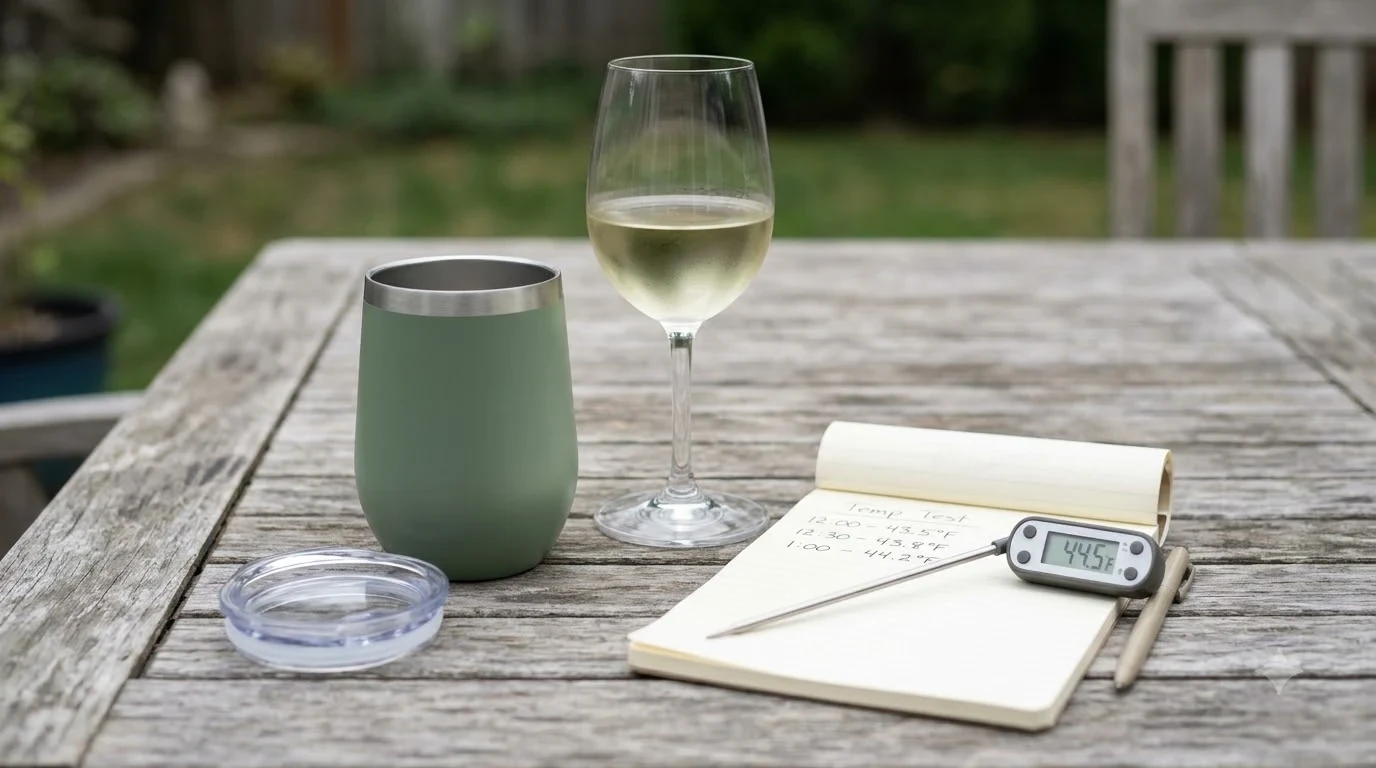
Insulated wine tumblers serve a somewhat different purpose. Their construction is generally designed to slow temperature changes, making them useful for outdoor drinking in warm weather. Govino’s clear polymer construction focuses more on visibility, lightweight handling, and the appearance of conventional wineware.
For a chilled white wine at a summer picnic, an insulated tumbler may be preferable if maintaining temperature is the primary concern. Govino is more appealing when seeing the wine’s color and keeping the glass lightweight are higher priorities.
Readers comparing temperature-focused options can explore our insulated wine tumbler recommendations to understand the differences in construction and intended use.
Govino versus other reusable polymer glasses
Other reusable plastic glasses can also provide breakage resistance, but design details influence the experience. Some use thicker walls, some have traditional stemmed profiles, and others prioritize stackability or compact storage.
Govino’s thumb notch gives it a distinctive handling advantage, while its transparent construction maintains a wine-oriented appearance. Buyers should compare the rim, capacity, material, cleaning instructions, and storage footprint rather than assuming every shatterproof glass offers the same experience.
For more brand comparisons and manufacturer information, the Glassware Brands section provides a useful starting point.
Independent reviews also offer useful context. The Kitchn’s Govino review highlights the practical benefits of its design for families and outdoor use, while Drinkhacker’s review discusses the improvements to newer versions compared with earlier models.
Frequently Asked Questions
These answers address several additional considerations that can help determine whether Govino fits a particular household’s drinking and entertaining habits.
Can Govino tumblers be used for hot beverages?
Govino’s product information says its glasses can hold warm beverages, but the manufacturer does not recommend boiling liquids or microwave heating for the 12-ounce model. This distinction is important because suitability for room-temperature drinks does not automatically mean a product is designed for high-temperature applications. For everyday use, cold and moderately warm beverages are the more appropriate choices.
Can Govino glasses be customized for weddings or corporate events?
Yes. Govino offers customization inquiries for businesses, events, and other organizations. The manufacturer indicates that custom orders can take approximately 3 to 5 weeks from printing through shipping. Event organizers should allow additional planning time for artwork approval, quantities, and delivery arrangements.
Can Govino drinkware be recycled at the end of its useful life?
Govino describes its drinkware as ultimately recyclable, but recycling acceptance depends on the material, local facilities, and collection rules. A recycling symbol or general recyclability statement does not guarantee acceptance in every municipal program. Contacting the local recycling provider is the best way to determine the appropriate disposal route.
Does Govino offer international shipping?
Govino’s official FAQ states that international shipping is available. Customers are responsible for applicable shipping costs and customs-related charges, and the manufacturer provides an international sales contact for inquiries. Buyers outside the United States should confirm destination availability and any import requirements before placing an order.
What should buyers do if a Govino tumbler arrives damaged?
Govino asks customers to contact its customer service team with their order number, the date the package arrived, and photographs of the product and packaging. The company states that damaged or incorrect deliveries are handled individually. Keeping the original packaging and taking photographs before disposing of shipping materials can make the support process easier.
Govino is a strong choice for people who want reusable, attractive wine drinkware without the fragility of traditional glass, particularly for outdoor entertaining and family use. Its Tritan construction, thumb notch, and available 12-ounce and 16-ounce capacities make it a practical alternative, although dedicated wine enthusiasts may still prefer conventional stemware for formal service and tasting. For most buyers, the best approach is to use Govino where convenience matters most and keep traditional wine glasses for occasions that call for them.
More in Wine Glasses
 Spiegelau Crystal Wine Glasses That Bring Clarity to Every PourUpdated Nov 21, 2026
 Zalto Crystal Wine Glasses: Are They Worth the Investment?Updated Nov 21, 2026
 Villeroy And Boch White Wine Glasses for a More Cohesive TableUpdated Nov 21, 2026
 Zalto Wine Glasses On Sale: Find the Right Denk’Art GlassUpdated Nov 21, 2026
 Zwiesel Glas Champagne Glasses: Features, Quality and Buying AdviceUpdated Nov 21, 2026
 Zwiesel Glas Decanter Review: A Durable, Elegant Choice for Wine ServiceUpdated Nov 21, 2026