

We may earn a commission when you buy through links on this page, at no extra cost to you. Learn more.
This gnarly head cabernet review finds that Gnarly Head Cabernet Sauvignon is a fruit-forward, full-bodied California red suited to drinkers who enjoy ripe dark fruit, noticeable oak character and firm tannins. Its flavor profile centers on black cherry, blackberry, peppercorn and charred oak, with additional red-fruit and herbal notes appearing in published vintage reviews. It makes the most sense alongside grilled meats, hearty pasta and other substantial dishes rather than delicate seafood or lightly seasoned meals.
Gnarly Head is a recognizable California wine brand that began with Old Vine Zinfandel before expanding into other grape varieties, including Cabernet Sauvignon. Its Cabernet follows the brand’s preference for generous fruit, substantial structure and approachable everyday drinking. Understanding its flavor profile, production choices and serving requirements helps determine whether this bottle fits your preferences or whether another Gnarly Head variety would be a better match.
Who This Is For: Cabernet Drinkers Who Prefer Bold Fruit
Gnarly Head Cabernet Sauvignon is primarily suited to red-wine drinkers who enjoy concentrated fruit, noticeable tannins and a recognizable oak influence. Its combination of black cherry, blackberry and peppercorn makes it a natural choice for people who prefer generous California Cabernet rather than delicate, restrained reds.
The producer describes the wine as dense and jammy, with a bold tannin structure and a generous finish. Those characteristics make it particularly appealing to drinkers who want a red wine with enough body to accompany grilled food, beef and tomato-based pasta. It is also worth considering for casual dinners where a straightforward, fruit-led Cabernet is more appropriate than a complex wine intended for extended contemplation.
There is useful independent evidence behind that general profile. Wine Enthusiast’s review of the 2023 California bottling identifies ripe red berries, vanilla cream and bay laurel on the nose, followed by red plum, red currant, cranberry, dried coriander and herbal tea. The reviewer also describes dry, grippy tannins. These details suggest that the wine is not simply a sweet-tasting fruit-forward red; it retains a recognizable Cabernet structure. The Wine Enthusiast 2023 Cabernet review provides a useful vintage-specific reference for buyers.
However, this is not necessarily the right Cabernet for everyone. Drinkers who prefer exceptionally soft tannins, delicate red-fruit flavors or minimal oak may find its style too assertive. Someone seeking a highly layered, age-worthy Cabernet with a strong sense of a particular vineyard may also want to explore more specialized California producers.
The wine is especially relevant to three groups:
- Everyday Cabernet drinkers: People looking for a familiar California red with dark-fruit flavors and enough structure for dinner.
- Grill enthusiasts: People who regularly prepare burgers, ribs, steak and roasted vegetables.
- Oak-influenced wine fans: Drinkers who appreciate vanilla, toasted wood, pepper and dark-fruit combinations.
Those who prefer lighter reds can explore Gnarly Head wine options beyond Cabernet, particularly the brand’s Pinot Noir. Comparing the varieties is useful because grape selection has a major effect on tannin, acidity, body and food compatibility.
Key Factors to Compare Before Buying Gnarly Head Cabernet
The most important factors are fruit intensity, tannin, oak influence, alcohol content and vintage consistency. These characteristics determine whether the wine suits your palate and whether it will work with the meal you have planned.

Gnarly Head’s official Cabernet description provides a useful starting point. The producer identifies black cherry, blackberry, peppercorn and charred oak as central aromatic characteristics. It also explains that the grapes come from older vines and that the finished wine receives aging in a combination of American and French oak. Its official Cabernet Sauvignon description and winemaking information explain how the producer approaches the wine’s fruit concentration and structure.
Independent vintage reviews add another dimension. Wine Enthusiast’s 2023 review lists 13.5% alcohol by volume and a 750 ml bottle size. Its tasting description includes red plum, cranberry, red currant and herbal tea. A separate 2022 review describes black cherry, baked plum, cedar, mocha and allspice. The differences illustrate why vintage-specific descriptions should not automatically be treated as identical across every bottle.
| Factor | What to Expect | Why It Matters |
|---|---|---|
| Grape variety | Cabernet Sauvignon | Provides recognizable dark-fruit character and substantial tannin. |
| Wine origin | California | Places the wine within a broad region known for approachable Cabernet styles. |
| Alcohol | 13.5% ABV in the reviewed 2023 vintage | Useful for understanding the wine’s weight and comparing bottles. |
| Bottle size | 750 ml | Provides approximately five standard 5 oz servings. |
| Primary fruit | Black cherry, blackberry, plum | Indicates a ripe, dark-fruit-oriented profile. |
| Additional aromas | Peppercorn, vanilla, charred oak | Contributes aromatic complexity and an oak-influenced character. |
| Tannin | Bold, noticeable structure | Works particularly well with protein-rich and fatty foods. |
| Oak aging | American and French oak | Helps develop the wine’s structured character and oak-associated flavors. |
Fruit concentration and sweetness perception
One of the most important distinctions is the difference between ripe fruit flavor and actual sweetness. Gnarly Head Cabernet can smell and taste fruit-forward without being a dessert-style wine. Black cherry, blackberry and plum naturally create a rich impression, while Cabernet’s tannins and dry finish provide structural balance.
Wine Enthusiast’s 2023 description is particularly useful here because it specifically identifies a dry finish. The wine’s ripe fruit character should therefore be understood as a flavor characteristic rather than evidence that it contains substantial residual sugar.
Tannins and oak influence
Cabernet Sauvignon is naturally a high-tannin grape variety. Gnarly Head’s own description emphasizes a bold tannin structure, while the producer identifies American and French oak as part of its aging approach. This combination helps explain why the wine can feel substantial even though its fruit is relatively approachable.
For buyers, the practical question is whether they enjoy that combination. People who like structured reds may appreciate the contrast between juicy fruit and drying tannins. Those who prefer very smooth, low-tannin wines may be happier with a softer Merlot or Pinot Noir.
Vintage and bottle information
Published information about one vintage should not be assumed to describe every subsequent release. The 2023 Wine Enthusiast review, for example, identifies red plum, cranberry and herbal notes, whereas the 2022 review mentions baked black plum, cedar, mocha and allspice.
When comparing bottles, consider the vintage, alcohol percentage and available tasting description together. This is more informative than relying on the front label or assuming that every release will have precisely the same balance of fruit, acidity and tannin.
Step-by-Step: How to Choose and Serve the Right Bottle
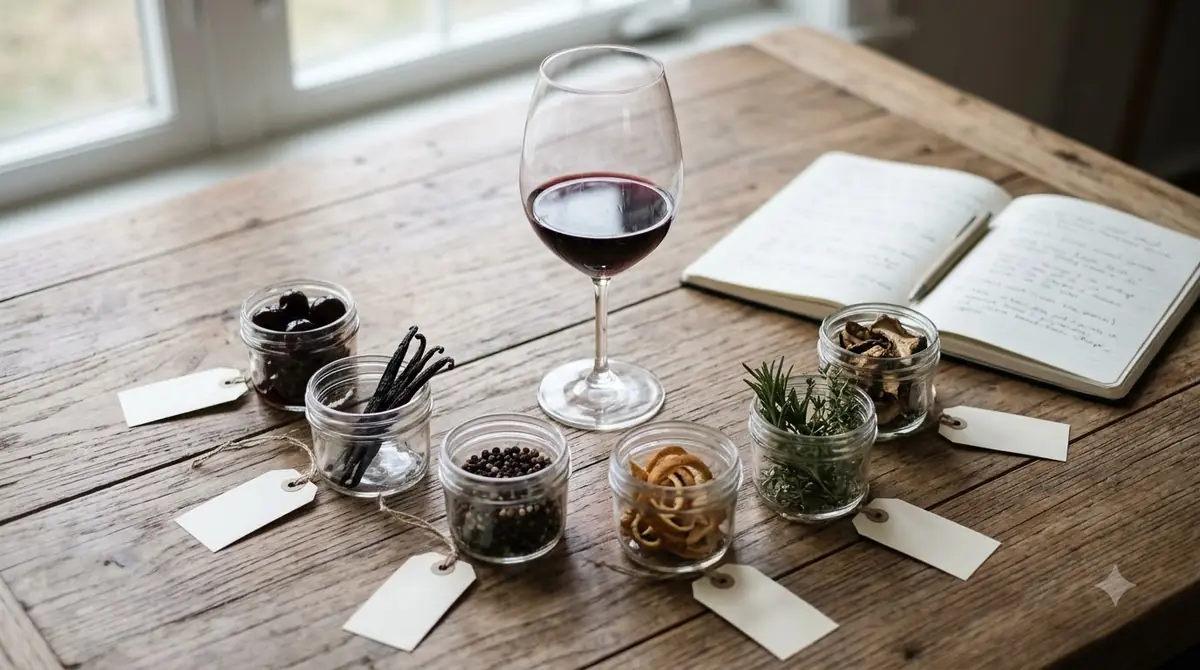
Choosing Gnarly Head Cabernet Sauvignon is easier when the decision follows a few practical steps. Start with your preferred red-wine style, consider the meal, then pay attention to bottle details and serving conditions.
-
Decide whether you enjoy Cabernet’s tannin.
Cabernet Sauvignon is generally a high-tannin grape. If you enjoy structured reds with a drying sensation along the gums, Gnarly Head’s bold profile is worth considering. If you usually choose soft Merlot or low-to-medium-tannin Pinot Noir, its structure may feel stronger than you prefer.
-
Identify your preferred fruit profile.
Look for the producer’s descriptions of black cherry, blackberry, peppercorn and charred oak. These are the main characteristics associated with Gnarly Head Cabernet. Wine Enthusiast’s vintage-specific notes also provide useful additional references, including red currant, cranberry, vanilla cream and herbal tea.
-
Match the wine to your meal.
Choose this Cabernet for braised beef short ribs, grilled burgers, ribeye steak or hearty Bolognese. The protein and fat in these dishes help soften the perception of tannin. For delicate white fish or lightly seasoned vegetables, a lighter wine may offer a better match.
-
Compare the vintage information.
Look at the vintage-specific tasting description and alcohol information. For reference, Wine Enthusiast lists 13.5% ABV for its reviewed 2023 bottling. The 2022 review offers a somewhat different aromatic description, demonstrating why vintage details can matter.
-
Prepare the bottle at an appropriate temperature.
Serve full-bodied reds around 60–65°F. This temperature range helps preserve aromatic detail without making the wine feel excessively warm or emphasizing alcohol.
-
Open and assess the wine.
Pour a small amount into a suitable red-wine glass and allow the aromas to develop. Swirling introduces oxygen and can make fruit, oak and herbal characteristics easier to distinguish. There is no need to decant automatically if the wine already seems expressive.
-
Consider decanting if the wine seems tightly structured.
A young, full-bodied red may benefit from approximately 30–60 minutes of decanting. Taste before deciding whether additional aeration is necessary. The goal is to make the wine more expressive, not to assume that every bottle requires the same treatment.
Tip: Start by serving Gnarly Head Cabernet at approximately 62°F. If the bottle has been stored at ordinary room temperature, give it time in the refrigerator to cool slightly before pouring. A glass that is too warm can make alcohol seem more prominent and reduce the freshness of the fruit aromas.
These steps also make it easier to compare Cabernet with other varieties in the same brand family. For example, someone who enjoys Gnarly Head’s fruit concentration but wants a softer drinking experience might prefer to investigate its Pinot Noir or Chardonnay rather than choosing another Cabernet automatically.
Types or Styles Explained: Cabernet, Zinfandel and Other Gnarly Head Wines
Gnarly Head offers several grape varieties, but its Cabernet Sauvignon is distinct from the Old Vine Zinfandel that originally established the brand. Understanding the differences helps buyers choose according to body, tannin, acidity and the type of food they typically serve.
The brand’s history is closely connected to Lodi, California. According to its official story, the winemaking team began searching the region for old-vine Zinfandel vineyards in 2004. The brand subsequently expanded beyond Zinfandel, using grapes from Northern California vineyards to create wines with its characteristic big, juicy house style.
Gnarly Head Cabernet Sauvignon
Cabernet is the natural choice for drinkers who prefer firm structure and dark-fruit flavors. Black cherry, blackberry, peppercorn and charred oak form the producer’s central description. Its bold tannins make it particularly suitable for rich meals.
Cabernet Sauvignon generally has high tannin and medium-to-high body, with acidity that helps balance its fruit concentration. In food pairing, this structure works particularly well with grilled beef, lamb and dishes containing enough fat or protein to soften tannin perception.
Gnarly Head Old Vine Zinfandel
Old Vine Zinfandel is the variety most closely associated with the brand’s origins. Its inspiration comes from traditional head-trained vines in Lodi, some of which the producer describes as having grown for more than a century.
Zinfandel typically offers ripe berry and dark-fruit flavors, often accompanied by spice. Compared with Cabernet Sauvignon, it can feel more fruit-driven and can have a warmer impression depending on alcohol level and ripeness. It is an interesting alternative for people who enjoy generous California reds but want something different from Cabernet’s characteristic tannin structure.
Readers considering this alternative can explore Gnarly Head Old Vine Zinfandel to understand how the brand’s original style differs from its Cabernet offering.
Gnarly Head Pinot Noir
Pinot Noir is generally lighter in body and lower in tannin than Cabernet Sauvignon. Gnarly Head describes its Pinot Noir through violet, black cherry and plum flavors, alongside sleek tannins.
This variety makes more sense for meals involving roasted chicken, mushroom dishes, pork and moderately rich pasta. Its lighter tannin structure also makes it a more flexible option when the meal includes ingredients that do not work particularly well with powerful red wines.
Gnarly Head Chardonnay
Chardonnay provides an alternative for buyers who prefer white wine. The producer describes its Chardonnay as fresh, vibrant and fruit-forward, with tropical flavors and a touch of vanilla.
Unlike Cabernet, Chardonnay is not tannic. Its medium acidity and white-fruit character make it more suitable for roast chicken, creamy pasta, seafood and dishes with moderate richness. Its suitability depends on the wine’s overall weight and oak influence.
How the main varieties differ
The following comparison uses typical grape-variety characteristics alongside the producer’s descriptions of its wines. It is intended as a practical selection guide rather than a claim that every bottle has identical characteristics.
| Variety | Typical Body | Tannin | Characteristic Flavors | Food Match |
|---|---|---|---|---|
| Cabernet Sauvignon | Medium-full to full | High | Black cherry, blackberry, oak | Steak, ribs, burgers |
| Old Vine Zinfandel | Medium-full to full | Medium to high | Ripe berries, spice, dark fruit | Barbecue, sausages, grilled meats |
| Pinot Noir | Light to medium | Low to medium | Violet, cherry, plum | Roast chicken, mushrooms, pork |
| Chardonnay | Medium | None | Tropical fruit, vanilla | Chicken, seafood, creamy pasta |
For anyone comparing the complete portfolio, the Gnarly Head Cabernet overview provides a useful starting point. The broader Wine Brands section can also help readers understand how different producers approach grape varieties, regional styles and everyday wine selections.
Common Mistakes When Buying and Drinking Gnarly Head Cabernet
The biggest mistakes involve confusing fruit intensity with sweetness, serving the wine too warm, pairing it with unsuitable food and assuming that every vintage tastes identical. Avoiding these errors can make a noticeable difference to the drinking experience.
Assuming jammy fruit means sweet wine
Blackberry, black cherry and plum can create a sweet impression even in a dry wine. Gnarly Head’s 2023 Cabernet review from Wine Enthusiast specifically describes a dry finish with grippy tannins.
This distinction matters because sweetness and fruit ripeness are not the same thing. A wine can have intense fruit aromas while still finishing dry. Buyers who prefer dry red wine should consider the overall structure instead of judging the wine from fruit descriptors alone.
Serving Cabernet at excessively warm temperatures
Many people serve red wine directly from a warm kitchen or dining room. However, full-bodied Cabernet is generally better around 60–65°F than at typical warm indoor temperatures.
Excessive warmth can make alcohol seem more prominent and reduce the impression of freshness. A little cooling before serving helps maintain a more balanced relationship between fruit, oak and tannin.
Pairing tannic Cabernet with delicate fish
Cabernet’s substantial tannin can overwhelm delicate food. Oily fish can also clash with tannic reds, producing an unpleasant combination. This is why steak, short ribs and grilled burgers are more dependable matches.
If the meal centers on fish, seafood or lightly seasoned vegetables, consider a more suitable white wine or a lighter red. Chardonnay or Pinot Noir may be better choices depending on the preparation.
Ignoring the effect of salt, fat and protein
Food composition matters as much as the main ingredient. Salt and fat can soften the perception of tannin, while protein-rich foods help make structured red wine feel more balanced alongside a meal.
For example, a grilled ribeye with a little salt and fat is generally a more natural Cabernet pairing than a lean, lightly seasoned chicken breast. Similarly, a rich Bolognese sauce is a better match than a delicate tomato salad with little fat or protein.
Expecting every vintage to taste identical
The published 2022 and 2023 Gnarly Head Cabernet reviews illustrate why vintage descriptions should be read individually. The 2022 review mentions baked black plum, cedar, mocha and black tea, while the 2023 review identifies red plum, cranberry, red currant and herbal tea.
These descriptions share a broad fruit-forward identity but are not interchangeable. Differences in growing conditions, fruit composition and winemaking can influence the final result.
Buying Cabernet for every occasion
A full-bodied Cabernet is not a universal food wine. It may be too powerful for delicate appetizers, lightly dressed salads and some seafood dishes. Choosing the wine based on the meal usually produces a better match than choosing a familiar grape variety automatically.
Likewise, buyers who prefer soft, low-tannin reds should not assume that a fruit-forward label guarantees a gentle finish. Gnarly Head’s own description emphasizes bold tannins, so that structural characteristic deserves attention before buying.
Care and Storage Tips for Better Flavor
Proper storage and serving conditions help preserve Cabernet’s fruit, aroma and structure. Keep unopened bottles away from heat and strong light, serve them at approximately 60–65°F, and refrigerate opened wine rather than leaving it on the counter.
Store unopened bottles correctly
Wine should ideally be stored in a cool, dark environment with a relatively stable temperature. A storage temperature near 55°F is a useful target for bottles intended to be kept for longer periods.
If the bottle has a traditional cork closure, horizontal storage helps keep the cork in contact with the wine. This reduces the risk of the cork drying out during extended storage. Avoid placing wine near ovens, radiators, sunny windows or other sources of temperature fluctuations.
For an everyday California Cabernet such as Gnarly Head, there is generally no reason to treat ordinary bottles as long-term cellar investments. Store them appropriately and enjoy them while their fruit-forward character is fresh.
Use the right serving temperature
Full-bodied red wines are generally served around 60–65°F. This is cooler than many modern indoor environments, which can make a red wine taste hotter and less balanced.
If a bottle has been sitting at room temperature, a short period in the refrigerator can help bring it closer to the preferred serving range. Avoid serving it extremely cold, since excessive chilling can suppress aromas and make tannins seem more pronounced.
Choose an appropriate glass
A medium-to-large red-wine glass with a reasonably wide bowl gives Cabernet room to release its aromas. The shape also makes swirling easier, helping expose the wine to oxygen before drinking.
A specialized glass is not essential. A clean standard red-wine glass is sufficient for enjoying the black cherry, blackberry, pepper and oak characteristics described by the producer.
Decant only when it helps
Young, full-bodied reds can benefit from approximately 30–60 minutes of decanting. This can help a tightly structured wine become more expressive, particularly when its initial aromas seem restrained.
However, decanting is not a mandatory step for every bottle of Gnarly Head Cabernet. Pour a small sample first. If the fruit and oak are already expressive, ordinary aeration in the glass may be sufficient.
Preserve opened wine
After opening, replace the cork or closure and refrigerate the remaining wine. Even red wine benefits from cold storage once exposed to oxygen. Allow the next serving to warm slightly in the glass rather than leaving the entire bottle unrefrigerated.
As a general guideline, opened still wines usually remain in reasonable drinking condition for approximately 3–5 days when properly refrigerated and sealed. The exact period depends on the wine, the amount remaining and its exposure to oxygen.
For better preservation, keep the bottle upright after opening and minimize the air space inside whenever practical. If the wine develops an unpleasant vinegar-like aroma or noticeably stale flavors, its quality has deteriorated.
Frequently Asked Questions
Is Gnarly Head Cabernet Sauvignon made entirely from Cabernet Sauvignon grapes?
The wine is marketed as Cabernet Sauvignon, but the publicly available product descriptions cited here do not provide a complete grape-composition breakdown. American wine labeling regulations generally permit a varietal designation when at least 75% of the wine comes from the named grape variety. That means the varietal name alone does not establish an exact 100% composition.
Does Gnarly Head Cabernet Sauvignon contain sulfites?
Yes, the retail product information identifies sulfites on its allergen and warning information. Sulfites occur naturally during fermentation and are also commonly used in winemaking as preservatives. Their presence is not unique to Gnarly Head or Cabernet Sauvignon.
Can Gnarly Head Cabernet Sauvignon be used for cooking?
Yes. A dry, fruit-forward Cabernet can be used in beef braises, tomato-based sauces and red-wine reductions. Add it early enough for the alcohol to cook off and the liquid to reduce, while remembering that concentrated wine flavors can become more pronounced during reduction.
How many servings are in a standard Gnarly Head Cabernet bottle?
A standard 750 ml bottle contains approximately 25.4 US fluid ounces. At a standard 5 oz pour, that works out to approximately five servings, with a small amount remaining. The actual number depends on the size of each pour.
Can Gnarly Head Cabernet Sauvignon be aged for several years?
The published descriptions establish its fruit-forward style and tannin structure, but they do not provide a specific cellar-aging recommendation. A structured wine is not automatically suitable for extended aging. For an everyday Cabernet intended for approachable fruit character, enjoying it relatively young is a sensible approach unless the producer provides more specific vintage guidance.
Gnarly Head Cabernet Sauvignon is a worthwhile option for drinkers who enjoy dark fruit, noticeable tannins and an oak-influenced California red. Its strongest food matches include grilled beef, braised short ribs and hearty pasta, particularly when served around 60–65°F. Choose it for a generous, structured everyday Cabernet rather than expecting a delicate or exceptionally soft red wine.
More in Wine Brands
 Louis Latour Wine Price: Compare Bottles by Style and TierUpdated Nov 20, 2026
 Yellow Tail Moscato Price: What to Expect Before You BuyUpdated Nov 20, 2026
 Sutter Home Sweet Red Review: Find the Right Food PairingsUpdated Nov 20, 2026
 Franzia Chillable Red Review: Find the Right Serving StyleUpdated Nov 20, 2026
 Veuve Clicquot Rose Review: Flavor, Food Pairings and Buying AdviceUpdated Nov 20, 2026
 Rombauer Wine Price: Compare Bottles Before You BuyUpdated Nov 20, 2026