

We may earn a commission when you buy through links on this page, at no extra cost to you. Learn more.
This gazela vinho verde review finds that Gazela is a light, refreshing Portuguese white wine with lively acidity, citrus and tropical fruit flavors, a gentle natural fizz, and approximately 9% ABV. It is a practical choice for casual meals, seafood, salads, and warm-weather entertaining. Its approachable sweetness and relatively light body make it particularly appealing to drinkers who prefer easygoing white wines over heavily oaked or full-bodied styles.
Gazela offers an accessible introduction to Vinho Verde, a Portuguese wine region known for fresh, aromatic wines. Produced by Sogrape Vinhos, this white blend combines traditional regional grapes with a straightforward winemaking approach that prioritizes freshness. Understanding its sweetness, acidity, alcohol level, and food-pairing strengths makes it easier to decide whether this bottle belongs in your next wine purchase.
Who This Wine Is For
Gazela Vinho Verde is best suited to people who enjoy refreshing white wines with bright fruit flavors, moderate sweetness, and a relatively light structure. Its approximately 9% alcohol content and lively acidity make it a convenient choice for informal meals and occasions where a heavier Chardonnay or Sauvignon Blanc might feel excessive.
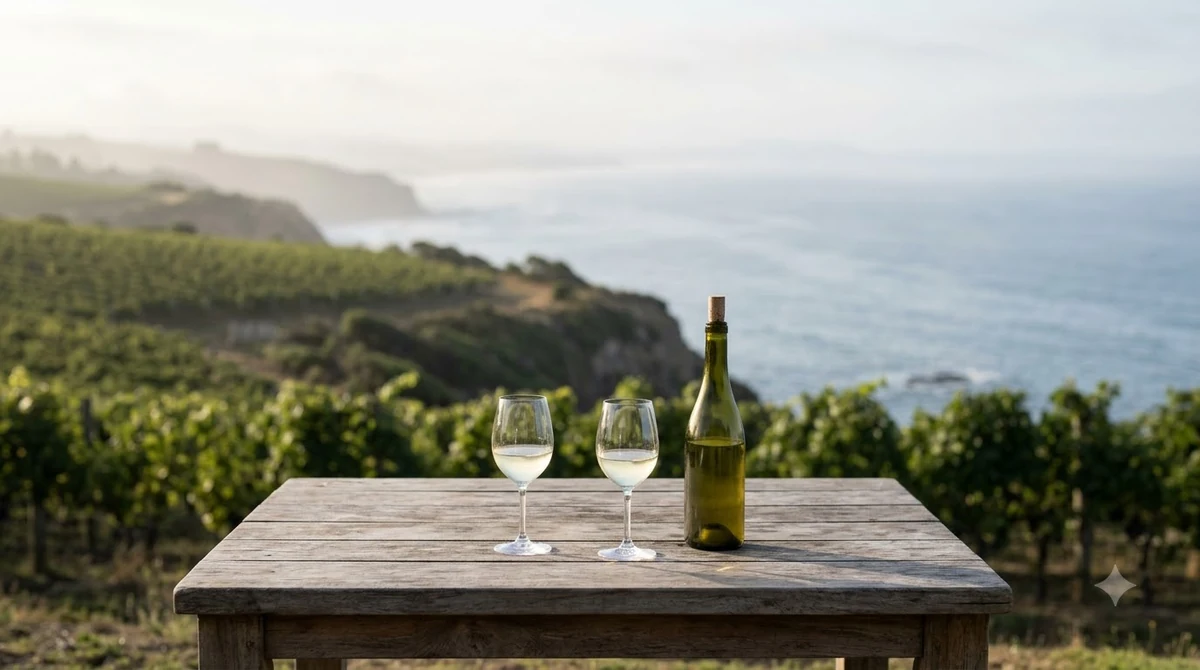
One of its strongest attractions is its approachable flavor profile. The producer describes Gazela White as aromatic, light, and refreshing, with citrus and tropical fruit characteristics. Its slight natural fizz adds a lively sensation without making it a conventional sparkling wine. This combination makes the wine particularly appealing to people who enjoy a crisp finish and a little extra freshness in the glass.
Gazela is especially suitable for the following drinkers:
- New wine drinkers: Its approachable fruit character and moderate alcohol level offer an uncomplicated introduction to Portuguese white wine.
- Fans of refreshing whites: People who enjoy citrus-driven wines with noticeable acidity will appreciate its lively character.
- Seafood enthusiasts: Its freshness works particularly well alongside grilled fish, shrimp, mussels, and other seafood dishes.
- Casual entertainers: A chilled bottle is easy to serve with appetizers, salads, and light meals.
- Drinkers who prefer moderate alcohol: Its approximately 9% ABV is lower than many conventional still white wines that commonly sit around 12% to 14% ABV.
However, Gazela is not the strongest choice for everyone. Drinkers who prefer bone-dry, concentrated whites, pronounced oak, substantial body, or complex age-worthy wines may find it too straightforward. Its relatively delicate structure is designed around freshness and immediate enjoyment rather than extended cellar development.
People expecting a fully sparkling wine should also understand the distinction. Gazela is classified as a still wine by its producer, even though its slight fizz contributes to its refreshing personality. That small amount of natural effervescence should not be confused with the sustained bubbles of Champagne or traditional sparkling wine.
For readers exploring other Portuguese bottles and producers, the broader Wine Brands collection provides a useful starting point for understanding different wine styles and labels.
Key Factors to Compare Before Buying
The most useful buying considerations for Gazela are its alcohol content, sweetness, acidity, grape composition, and production approach. These characteristics explain why the wine tastes light and refreshing and help distinguish it from other Portuguese and international white wines.
| Characteristic | Gazela White | What It Means |
|---|---|---|
| Country | Portugal | Portuguese white wine |
| Region | Vinhos Verdes | Northwestern Portugal |
| Classification | DOC Vinho Verde | Protected regional designation |
| Wine color | White | Light-colored white wine |
| Alcohol | 9% ABV ±0.5 | Relatively moderate alcohol |
| Total sugar | 12 g/L ±1 | Noticeable but restrained sweetness |
| Total acidity | 6.0 g/L ±0.5 | Lively, refreshing structure |
| pH | 3.1 ±0.1 | Supports its fresh acidic profile |
| Serving temperature | 43–46°F | Best enjoyed thoroughly chilled |
| Recommended opening window | Within 24 hours | Enjoy soon after opening |
These figures come from the producer’s technical information for Gazela White. They provide a more useful buying reference than broad descriptions such as crisp, fruity, or refreshing because they show how the wine’s measurable characteristics contribute to its drinking experience.
Alcohol Content
Gazela White contains approximately 9% alcohol by volume, with a stated tolerance of 0.5 percentage points. This places it below many conventional still white wines, making it an appealing alternative for people who prefer a lighter alcoholic profile without moving to alcohol-free wine.
Alcohol contributes to a wine’s body, warmth, and overall mouthfeel. At this level, Gazela generally feels lighter than a full-bodied Chardonnay or a high-alcohol Viognier. Its fresh acidity and fruit character also help maintain a lively impression instead of a heavy finish.
For a more detailed breakdown of the figures and what they mean, see the dedicated Gazela Vinho Verde alcohol content guide.
Sweetness and Acidity
The producer lists approximately 12 grams of total sugar per liter for Gazela White. This gives the wine a gently sweet impression rather than the completely austere character associated with many bone-dry whites. The SAQ product description also characterizes its sweetness as semi-sweet, while identifying its acidity as present.
Sweetness and acidity should be considered together. A small amount of residual sugar can soften the impression of sharp acidity, while the wine’s fresh structure prevents its fruit character from becoming excessively sugary. This balance is an important part of Gazela’s approachable style.
The producer’s stated acidity of approximately 6.0 g/L and pH of 3.1 support its lively profile. These measurements help explain why citrus flavors remain prominent and why the wine works particularly well with seafood and other dishes that benefit from freshness.
Grape Composition
Gazela White uses Loureiro, Pedernã, Trajadura, and other white grape varieties. These grapes are associated with Portuguese wine production, particularly the northwestern Vinho Verde region.
Loureiro is known for aromatic qualities, while Pedernã, also known as Arinto, contributes freshness and acidity in Portuguese white wines. Trajadura can contribute a softer fruit expression. The combined character helps explain why Gazela offers aromatic freshness rather than a single dominant grape flavor.
The precise proportions are not specified in the producer’s published technical information, so buyers should not assume that one variety dominates the blend.
Step-by-Step: How to Choose and Serve Gazela
Getting the best experience from Gazela involves choosing the appropriate bottle, serving it at the right temperature, and matching it with suitable food. A few straightforward steps help preserve the wine’s fresh character from purchase through the final pour.
-
Identify the correct Gazela style.
Start with Gazela Vinho Verde White if you want the classic pale-colored white wine with citrus and tropical fruit notes. The producer also publishes information for Gazela Rosé, which has a different grape composition and a red-fruit-focused flavor profile.
-
Check the alcohol level.
The white wine’s stated alcohol content is approximately 9% ABV. This is useful when comparing it with other whites, particularly fuller styles that commonly contain more alcohol.
-
Consider the sweetness.
Gazela has approximately 12 g/L of total sugar according to its producer. If you usually enjoy slightly off-dry whites, this profile may suit you better than a completely dry, austere wine.
-
Choose the right food.
Think about seafood, grilled fish, shellfish, fresh salads, and light appetizers. These dishes complement its acidity and delicate fruit character without overwhelming the wine.
-
Chill the bottle before opening.
Place it in the refrigerator until it reaches approximately 43–46°F. The producer recommends serving Gazela between 6°C and 8°C, which preserves its crisp impression and makes its slight fizz more noticeable.
-
Use appropriate glassware.
A standard white wine glass with a moderately narrow bowl is suitable. It allows the citrus and tropical aromas to collect while maintaining a practical shape for everyday serving.
-
Pour moderate servings.
A standard 5-ounce wine pour is a useful reference. A 750 mL bottle contains approximately five such servings, making it straightforward to plan quantities for a small dinner or gathering.
-
Enjoy it soon after opening.
The producer recommends drinking Gazela White within 24 hours after opening. Keep the remaining wine refrigerated and use a suitable closure between pours.
This process helps retain the qualities that make Gazela appealing: fresh fruit, noticeable acidity, a delicate texture, and a refreshing finish. There is little reason to complicate the preparation with decanting or lengthy aeration because this style is intended for immediate enjoyment.
Tip: Chill Gazela to approximately 43–46°F before serving. If the bottle becomes too cold, allow it to warm slightly in the glass so the citrus and tropical aromas become easier to appreciate.
Types and Styles Explained
Understanding Gazela’s position within the Vinho Verde category helps explain its distinctive combination of fruit, acidity, and freshness. The regional designation includes several wine styles, while Gazela White represents a particularly approachable interpretation of the area’s white wine tradition.
Gazela White
The classic white version is the central focus of this buying guide. Its pale citrine appearance, citrus and tropical fruit notes, lively acidity, and slight fizz create a light drinking experience.
The producer identifies Loureiro, Pedernã, Trajadura, and other white grape varieties in the blend. Fermentation takes place in stainless-steel vats at approximately 16°C, following gentle crushing and clarification. Bottling soon after fermentation and blending helps preserve the wine’s fresh aromatic profile.
Gazela White is classified as still wine, which is an important distinction. The slight fizz mentioned in its tasting description does not make it a conventional sparkling wine. Instead, it provides a subtle sensation of liveliness within a primarily still wine.
Gazela Rosé
Gazela also has a rosé expression. According to the producer’s separate product information, this version uses red grape varieties including Borraçal, Espadeiro, Amaral, and Vinhão.
Its tasting description identifies strawberry and tropical fruit aromas, a light pink appearance, and a fresh, lively palate. The producer lists approximately 9.5% ABV and 16 g/L of total sugar for this rosé version, making it different from the white wine in both grape composition and technical profile.
The rosé is recommended at 6–8°C and is suitable for occasions involving salads, seafood, sushi, and Asian-inspired dishes. It provides an alternative for drinkers who want a lighter pink wine rather than a conventional white.
Understanding the Vinho Verde Region
Vinho Verde is a protected wine designation from northwestern Portugal. The region is located between the River Minho to the north, the Atlantic Ocean to the west, and mountain areas to the east and south.
Its geographical conditions help explain the fresh character of many regional whites. The Portuguese wine authority identifies granite-based soils, generally sandy textures, and naturally acidic conditions among the region’s important characteristics.
Vinho Verde should not be confused with a grape variety or a reference to green-colored wine. It is a regional designation that covers white, rosé, red, and sparkling wines. Producers can create significantly different expressions depending on their grape varieties, vineyard locations, and winemaking choices.
The official Portuguese wine authority’s Vinho Verde regional overview explains the designation’s geographical boundaries, production categories, and regional wine characteristics.
For Gazela, the regional connection is important because the wine’s freshness is not simply a marketing description. Its grape selection, acidity, and production method reflect a recognizable regional approach to accessible Portuguese white wine.
Common Mistakes When Buying and Drinking Gazela
Most disappointments with Gazela come from expecting a different style of wine rather than from its actual characteristics. Understanding its sweetness, slight fizz, light body, and intended drinking window helps prevent common buying and serving mistakes.
Assuming All Vinho Verde Is Sparkling
One of the most common misunderstandings is treating Vinho Verde as a synonym for sparkling wine. The designation includes still and sparkling wines, and Gazela White is specifically identified as still wine by its producer.
Its slight natural fizz contributes to its freshness, but it does not produce the sustained bubbles associated with traditional sparkling wines. Buyers looking for Champagne-style effervescence should choose a properly designated sparkling wine instead.
Expecting a Completely Dry Flavor
Gazela’s fruit-forward character and approximately 12 g/L of residual sugar mean it does not taste like every bone-dry Sauvignon Blanc or unoaked Chardonnay. Its sweetness is balanced by lively acidity, creating a more approachable profile.
This distinction matters when pairing the wine with food. A slightly sweet white can complement mildly spicy dishes, but a dish with substantial chili heat may make the alcohol and acidity more noticeable. Choose moderate seasoning rather than assuming the wine will work with every spicy meal.
Serving It Too Warm
Serving Gazela at room temperature can make its refreshing qualities less pronounced. At approximately 43–46°F, the wine retains its crispness and delicate aromatic character.
However, excessively cold serving conditions can also suppress its aromas. If the citrus and tropical fruit notes seem muted immediately after refrigeration, give the glass a few minutes to warm slightly.
Pairing It With Heavy, Rich Foods
Gazela is designed around lightness and freshness, so very heavy dishes can overpower its relatively delicate structure. Large portions of rich red meat, thick cream sauces, and heavily seasoned grilled meats may overwhelm its subtle fruit profile.
For stronger dishes, consider how acidity, sweetness, and weight interact. A rich seafood pasta with moderate seasoning is a better match than an intensely spicy or heavily smoked dish. The wine’s freshness can provide contrast without needing to compete with dominant flavors.
Keeping an Open Bottle Too Long
Another mistake is treating Gazela as a wine intended for extended storage after opening. The producer recommends drinking the white version within 24 hours after opening to preserve its intended freshness.
Although refrigeration can slow the loss of freshness, it cannot completely prevent oxidation. If you plan to serve only one glass, consider sharing the bottle or selecting an appropriate smaller format when available.
Care, Storage, and Serving Tips
Gazela is best approached as a fresh, ready-to-drink white wine rather than a bottle intended for extended cellar aging. Proper storage before opening and careful refrigeration afterward help preserve its fruit, acidity, and delicate aromatic qualities.
Before Opening
Store the bottle in a cool, dark place away from direct sunlight and major temperature changes. A consistent storage temperature near 55°F is a useful general reference for wine, although Gazela should be chilled further before serving.
Keep bottles away from heat sources such as ovens, radiators, and sunny kitchen counters. Repeated temperature fluctuations can negatively affect wine quality, particularly for fresh styles intended for immediate consumption.
If the bottle has a natural cork closure, horizontal storage is appropriate for longer-term wine storage because it helps maintain contact between the cork and the wine. For short-term storage, avoiding heat and direct light is the main priority.
Chilling and Serving
The producer’s recommended temperature is 6–8°C, approximately 43–46°F. This is slightly colder than the general serving range for many light white wines, but it suits Gazela’s refreshing style.
A standard refrigerator can chill a bottle before serving. For a quicker option, place the bottle in an ice bucket containing ice and water, allowing the liquid to cool evenly. Avoid leaving the wine in a freezer for an extended period because forgotten bottles can become damaged as the liquid freezes.
Use a clean white wine glass and avoid oversized pours. A 5-ounce serving leaves enough room for the aromas to develop while making the wine easy to enjoy alongside food.
After Opening
Close the bottle securely and return it to the refrigerator after pouring. The producer recommends enjoying the wine within 24 hours, which is a more conservative window than the general three-to-five-day guideline sometimes used for opened still wines.
For Gazela, following the producer’s shorter recommendation is the sensible choice. Its appeal depends heavily on freshness, and the delicate fruit character can become less expressive after prolonged exposure to oxygen.
Should You Age Gazela?
Gazela is intended for immediate enjoyment rather than extended cellaring. Its light body, fresh fruit profile, and early bottling approach prioritize accessibility over the development of complex tertiary aromas.
Unlike structured white wines designed to evolve over several years, Gazela does not require a dedicated wine cellar or a carefully planned aging schedule. Buying it for a meal or gathering and serving it while fresh is the most practical approach.
For everyday use, keep the bottle protected from sunlight, chill it before serving, and finish it within the recommended opening window. These simple habits help preserve the wine’s intended character without unnecessary equipment or complicated storage routines.
Frequently Asked Questions
Is Gazela Vinho Verde suitable for beginners?
Yes. Its approachable fruit profile, moderate alcohol level, and relatively light body make it accessible to people who are still learning about Portuguese wine. It is also a useful introduction to the Loureiro and Trajadura grape varieties found in regional blends.
Does Gazela White contain sulfites?
Yes. The producer identifies sulfites as an allergen in Gazela White. Its published technical information also lists total sulfur dioxide at approximately 150 mg/L, with a stated tolerance of 20 mg/L.
Is Gazela Vinho Verde suitable for vegans?
The producer’s published information identifies Gazela White as suitable for vegetarians but not suitable for vegans. This distinction is important for consumers who follow plant-based purchasing standards and want to verify the production suitability of a particular wine.
How many calories are in Gazela Vinho Verde White?
The producer lists approximately 60 calories per 100 mL for Gazela White. This is equivalent to approximately 106 calories in a 175 mL serving, based on the published nutritional figure and a proportional calculation.
Does Gazela Vinho Verde need decanting?
No. Gazela is a fresh, approachable white wine that is intended to be served directly from its original bottle. Its stainless-steel fermentation and immediate bottling after blending are designed to preserve freshness, so lengthy aeration is unnecessary.
Gazela Vinho Verde is a sensible choice for drinkers seeking an approachable Portuguese white with lively acidity, citrus and tropical fruit, moderate alcohol, and a gentle touch of sweetness. Its strongest qualities are freshness, versatility, and compatibility with seafood and casual meals. Serve it thoroughly chilled and enjoy it young to get the most from the style.
More in Wine Brands
 Louis Latour Wine Price: Compare Bottles by Style and TierUpdated Nov 20, 2026
 Yellow Tail Moscato Price: What to Expect Before You BuyUpdated Nov 20, 2026
 Sutter Home Sweet Red Review: Find the Right Food PairingsUpdated Nov 20, 2026
 Franzia Chillable Red Review: Find the Right Serving StyleUpdated Nov 20, 2026
 Veuve Clicquot Rose Review: Flavor, Food Pairings and Buying AdviceUpdated Nov 20, 2026
 Rombauer Wine Price: Compare Bottles Before You BuyUpdated Nov 20, 2026