

We may earn a commission when you buy through links on this page, at no extra cost to you. Learn more.
This fre alcohol removed wine review finds that FRE is a practical choice for drinkers seeking familiar California wine styles with very little alcohol, particularly if they enjoy fruity whites, rosé, or sparkling wine. The brand starts with traditionally fermented wine and uses spinning cone technology and vacuum distillation to remove alcohol while retaining some original aromas and flavors. Its range covers several familiar grape varieties, although sweetness, body, and the reduced weight of alcohol are important considerations when choosing a bottle.
FRE is designed for people who want the appearance, serving ritual, and food-pairing possibilities of conventional wine without drinking a full-strength alcoholic beverage. Its selection includes Cabernet Sauvignon, Merlot, Red Blend, Chardonnay, Sauvignon Blanc, Moscato, Rosé, White Zinfandel, Pinot Grigio, and Sparkling Brut. Understanding how the wines are produced and how their individual styles differ makes it easier to choose one that suits your palate. This guide examines the production method, available varieties, flavor expectations, and practical buying considerations.
Who This Is For
FRE is worth considering for people who enjoy the social and culinary aspects of wine but want an alternative with substantially less alcohol. It is particularly suitable for shoppers who appreciate recognizable grape varieties and want something different from grape juice, soda, or conventional wine during meals and celebrations.
The range offers several options for different preferences. Someone who normally drinks Sauvignon Blanc may find FRE Sauvignon Blanc a familiar starting point, while someone who prefers fruit-forward sparkling beverages may enjoy Sparkling Brut. People who usually select Cabernet Sauvignon or Merlot can also explore alcohol-removed red styles without changing their preferred wine category entirely.
There is an important distinction between wanting less alcohol and wanting a beverage with absolutely no alcohol. FRE describes its wines as typically containing less than 0.5% alcohol by volume, so they should not automatically be treated as zero-alcohol products. Anyone who needs to avoid alcohol completely for personal, medical, recovery-related, religious, or other reasons should consider that distinction before purchasing. FRE is not necessarily suitable for every alcohol-free requirement.
FRE may also appeal to people curious about alcohol-removed winemaking. Unlike beverages made directly from unfermented grape juice, FRE begins with wine that has already completed fermentation. That gives the finished beverage a different production background and helps explain why it retains some recognizable wine characteristics.
However, shoppers expecting a perfect substitute for a traditional bottle should moderate their expectations. Alcohol contributes body, texture, aroma delivery, and warmth to wine. Removing it changes the drinking experience, even when a producer takes care to preserve the remaining flavor compounds. FRE is better understood as an alternative wine-style beverage than an exact reproduction of conventional wine.
For additional background on the brand and its selection, see our overview of Wine Brands. It provides useful context for comparing established wine producers and their different approaches to the category.
Key Factors to Compare
The most useful buying considerations are the remaining alcohol level, sweetness, grape variety, serving size, and intended occasion. Comparing these factors before choosing a bottle helps prevent disappointment, especially if you normally prefer dry wines with pronounced acidity or structured tannins.
| Buying factor | What to look for | Why it matters |
|---|---|---|
| Alcohol level | Typically below 0.5% ABV | Clarifies that some alcohol may remain. |
| White wine styles | Chardonnay, Sauvignon Blanc, Pinot Grigio | Offers different balances of fruit, acidity, and texture. |
| Red wine styles | Cabernet Sauvignon, Merlot, Red Blend | Provides familiar red-wine flavor profiles. |
| Rosé styles | Rosé and White Zinfandel | Suitable for fruit-forward, chilled occasions. |
| Sparkling style | Sparkling Brut | Provides carbonation for celebrations. |
| Standard bottle | 750 ml | Provides approximately five traditional 5-ounce servings. |
| Small bottle format | 187 ml | Provides a smaller individual portion. |
| Storage after opening | Refrigerate; finish within 1–2 days | Helps preserve freshness and flavor. |
Alcohol content deserves particular attention. FRE explains that its alcohol-removed wines generally contain less than 0.5% ABV. Individual product information can provide more specific figures. For example, the producer’s Cabernet Sauvignon page lists alcohol under 0.2% in its nutritional information. These figures should not be assumed to apply identically to every bottle in the collection.
Sweetness is another important comparison. Removing alcohol can make the remaining fruit and grape sweetness more noticeable because alcohol normally contributes warmth and balance. A wine described as crisp or slightly dry may still taste sweeter than a conventional wine with a similar grape variety. This is especially relevant when choosing sparkling wines and fruit-forward reds.
Texture also deserves consideration. Conventional Cabernet Sauvignon has substantial tannin, while Merlot is generally softer. FRE’s versions may retain familiar fruit and spice characteristics, but the absence of most of the alcohol changes their perceived structure. Someone who normally enjoys a full-bodied red should pay attention to the individual flavor descriptions rather than relying on grape variety alone.
Finally, consider how much wine you actually want to serve. A 750 ml bottle provides approximately five standard 5-ounce glasses. FRE Cabernet Sauvignon is also offered in 187 ml four-packs, according to the producer. Smaller portions can be useful when exploring a new variety without opening a full bottle.
Step-by-Step: How to Choose FRE Wine
A straightforward selection process starts with your usual wine preferences and ends with a decision about alcohol content and serving occasion. Following these steps helps narrow the collection to a style that is more likely to suit your taste.
Rather than selecting a bottle solely because it resembles your usual grape variety, consider its expected sweetness, acidity, and overall flavor profile. Those characteristics can have a greater influence on enjoyment than the variety name alone.
-
Decide how much residual alcohol is acceptable.
Start by establishing whether a beverage containing less than 0.5% ABV meets your requirements. FRE is alcohol-removed wine, not necessarily a completely alcohol-free product. If you require a confirmed 0.0% beverage, seek a product specifically labeled with that figure rather than assuming that every FRE bottle contains no alcohol.
-
Identify your preferred wine category.
Choose between red, white, rosé, and sparkling wine. This first decision eliminates several unsuitable options. Traditional Sauvignon Blanc drinkers can begin with FRE Sauvignon Blanc, while people who enjoy fruit-forward sparkling wine can consider Sparkling Brut.
-
Compare the flavor descriptions.
Look for recognizable aromas and flavors that match your preferences. FRE Cabernet Sauvignon features dark cherry, berries, and spice. Its Merlot emphasizes black plum, cherry, and spice, while its Sauvignon Blanc offers green grass, passion fruit, and mango.
-
Consider your preferred sweetness.
If you generally choose dry wine, start with Sauvignon Blanc and pay attention to its slightly dry finish. If you enjoy softer fruit flavors, Moscato, White Zinfandel, or Sparkling Brut may be more appealing. Remember that individual sweetness perception can differ from conventional wine expectations.
-
Match the wine to your meal.
Choose a red style for hearty dishes and a crisp white for lighter meals. FRE recommends pairing its Cabernet Sauvignon with steak and blue cheese. Sauvignon Blanc is a more natural choice for lighter seafood dishes, fresh vegetables, and salads.
-
Choose an appropriate bottle size.
A standard 750 ml bottle is suitable for sharing, while a 187 ml portion provides a smaller format. If you are unfamiliar with alcohol-removed wine, trying a smaller serving before committing to several full bottles is a sensible approach.
-
Plan how you will serve and store it.
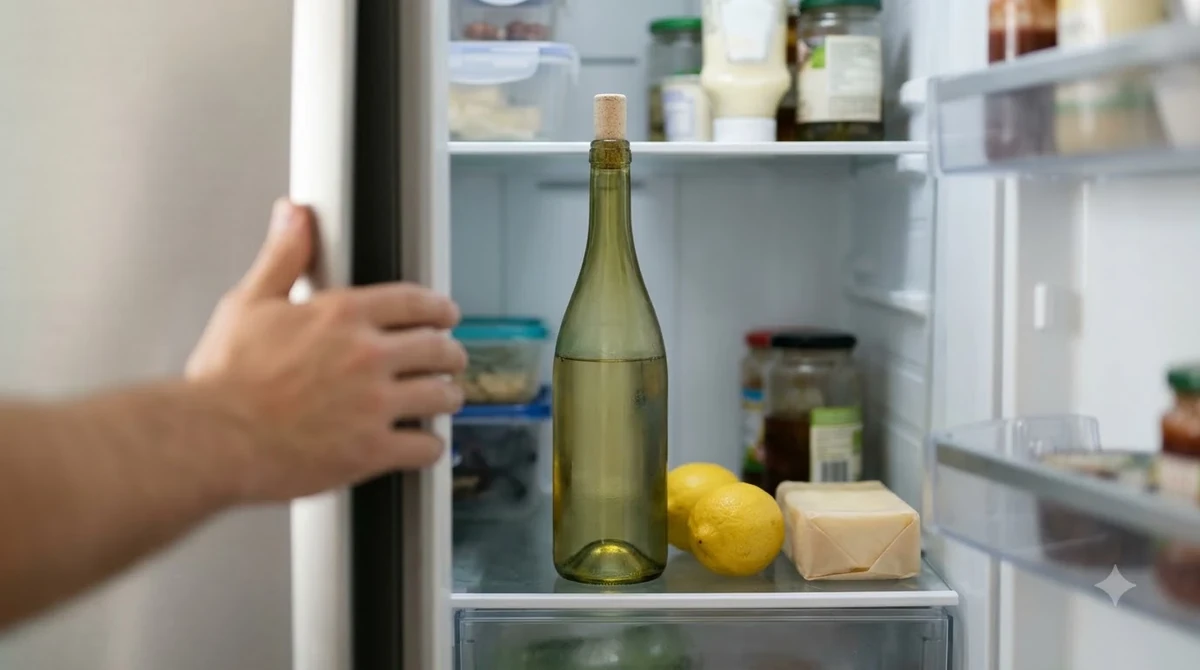
Chill whites, rosé, and sparkling wine before serving. Keep opened bottles refrigerated and aim to finish them within the producer’s recommended one-to-two-day period for the best flavor.
Tip: If this is your first alcohol-removed wine, begin with the variety you already enjoy most. A familiar grape profile makes it easier to judge the differences in sweetness, aroma, and texture introduced by dealcoholization.
For a more detailed explanation of the production category, our guide to FRE alcohol removed wine provides additional background on what distinguishes this style from conventional wine and other non-alcoholic beverages.
Types and Styles Explained
FRE offers several recognizable wine categories, each with a different balance of fruit, acidity, and texture. The best starting point depends on whether you prefer fresh white wine, softer red wine, fruit-forward rosé, or sparkling wine for celebrations.
Cabernet Sauvignon
FRE Cabernet Sauvignon is intended for people who enjoy dark-fruited red wine. The producer describes aromas of dark cherry, followed by berries and spice and a juicy finish. It is a logical choice for shoppers who normally prefer California Cabernet Sauvignon but want an alcohol-removed alternative.
The traditional grape variety is known for substantial tannin and a structured profile. However, the reduced alcohol changes how the finished beverage feels in the mouth. FRE recommends serving this Cabernet with steak topped with blue cheese, a pairing that brings together savory meat, salt, and richness. Grilled mushrooms, roasted vegetables, and hearty pasta dishes are also sensible food companions.
Merlot and Red Blend
Merlot generally offers softer tannins than Cabernet Sauvignon, making it an appealing option for people who prefer rounded red-fruit and plum characteristics. Retail descriptions of FRE Merlot emphasize black plum aromas and soft cherry and spice flavors. It is a reasonable starting point for someone who wants a red wine style without the more pronounced structure associated with Cabernet.
FRE Red Blend offers another fruit-oriented option. Retail descriptions emphasize black cherry, grape, and smoky flavors. Red blends can be useful for shoppers who are less concerned about a single grape variety and more interested in an approachable red-wine profile. Both styles work with tomato-based pasta, roasted vegetables, and mild cheeses.
Chardonnay
FRE Chardonnay is a white wine option with a richer fruit profile. Retail descriptions identify tropical aromas, creamy apple flavors, and crisp citrus notes. These characteristics make it a possible choice for drinkers who usually prefer Chardonnay over more aromatic white varieties.
Traditional Chardonnay generally has medium acidity, and its texture can vary substantially according to winemaking methods. The alcohol-removed version should not be expected to reproduce every aspect of a full-strength Chardonnay. Serve it chilled with roast chicken, creamy pasta, or mild cheeses.
Sauvignon Blanc
FRE Sauvignon Blanc is among the more straightforward choices for drinkers who prefer fresh, aromatic white wine. Its producer identifies green grass and tropical fruit aromas, with passion fruit and mango flavors. The wine is described as having bright acidity and a slightly dry finish.
That acidity makes it a natural companion for dishes with citrus, herbs, and fresh vegetables. It can also work with shellfish, grilled fish, and goat cheese. People who usually enjoy crisp white wines may find this a more familiar starting point than the richer Chardonnay.
Moscato and Pinot Grigio
FRE Moscato is aimed at drinkers who appreciate fragrant fruit and a softer, rounder flavor. Moscato is generally lower in acidity than Sauvignon Blanc, so its perceived sweetness can be more noticeable. This style is suitable for fruit-based desserts, mild cheeses, and lightly spiced dishes.
Pinot Grigio provides another white-wine category in the collection. Traditional Pinot Grigio is often light-bodied, with fresh citrus and orchard-fruit characteristics. It is a sensible option for shoppers who usually prefer uncomplicated white wine alongside salads, seafood, or lighter pasta dishes. Individual FRE product descriptions should guide expectations about its particular sweetness and flavor.
Rosé and White Zinfandel
FRE Rosé and White Zinfandel provide pink-wine alternatives for people who prefer red-berry flavors without the structure of a traditional red wine. These styles are best served chilled. They can complement salads, picnic foods, mild cheeses, grilled vegetables, and lighter poultry dishes.
White Zinfandel is particularly appropriate for shoppers who enjoy a fruit-forward profile rather than a crisp, bone-dry rosé. Rosé is a more versatile category for people who want a balance between fresh fruit and acidity. The distinction is useful when selecting a bottle for warm-weather meals or casual entertaining.
Sparkling Brut
FRE Sparkling Brut is designed for occasions where bubbles are part of the experience. Its producer describes green apple and ripe pear aromas, with apple and strawberry flavors and a dry, refreshing finish. Independent coverage from Consumer Reports characterizes the wine as refreshing, bubbly, and pleasantly sweet.
That sweetness is worth considering before buying it for a formal sparkling-wine occasion. Consumer Reports also noted that some tasters found the sweetness a reason they might not choose a second glass. Its evaluation offers useful additional perspective in its review of nonalcoholic sparkling wines. Serve FRE Sparkling Brut chilled with appetizers, fresh fruit, mild cheeses, or brunch dishes.
Common Mistakes When Buying FRE
The biggest purchasing mistake is assuming that alcohol-removed wine will taste exactly like conventional wine. Another is treating every bottle in the collection as equally dry, equally structured, or completely free of residual alcohol.
The production method helps preserve wine characteristics, but it cannot restore every quality that ethanol contributes. Alcohol influences aroma release, perceived body, warmth, and the relationship between acidity and sweetness. A dealcoholized Cabernet can retain dark-fruit aromas while feeling lighter than a traditional Cabernet from the same grape variety.
Another common mistake is confusing less than 0.5% ABV with 0.0% ABV. These are different alcohol-content statements. FRE describes its wines as typically containing less than 0.5% ABV, while its FAQ explains that people seeking absolutely no alcohol should look specifically for 0.0% ABV products. This distinction matters for anyone following strict avoidance requirements.
It is also easy to choose a wine based entirely on its grape name. Someone who enjoys dry Cabernet Sauvignon may assume that FRE Cabernet will provide the same tannin, depth, and finish. However, the reduced alcohol and the addition of unfermented grape juice can influence the overall balance. The same consideration applies to Chardonnay and other varieties.
Sweetness is another frequent source of disappointment. A shopper expecting an extremely dry sparkling wine may find Sparkling Brut noticeably fruity. Similarly, someone accustomed to crisp Sauvignon Blanc may find Moscato or White Zinfandel too sweet for regular meals. Matching the wine to your usual taste preference is more useful than relying on broad category descriptions.
Finally, do not assume that every alcohol-removed wine is made the same way. Some beverages are produced without traditional fermentation, while FRE starts with fermented wine and then removes alcohol. Understanding that distinction helps consumers compare different products on a more informed basis.
For further information about residual alcohol and the distinctions between alcohol-removed and other wine alternatives, see our explanation of FRE wine alcohol content.
Care and Storage Tips
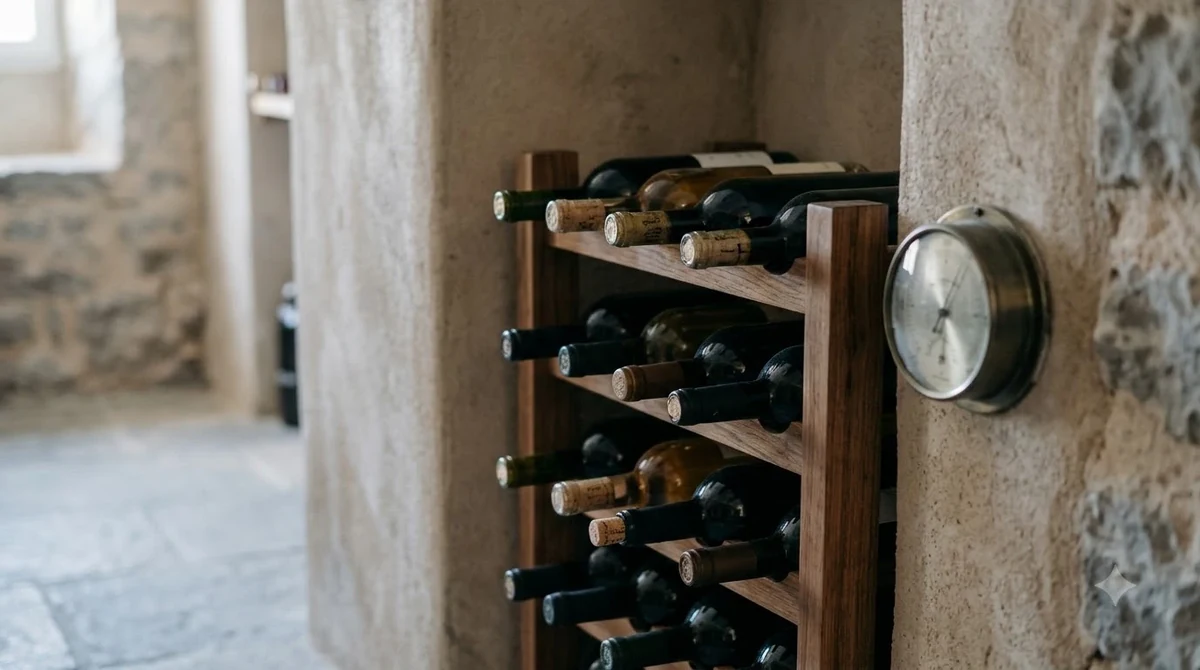
FRE recommends storing its wines in a cool, dark location and keeping opened bottles refrigerated. The producer also recommends consuming opened bottles within one to two days for the best flavor, making storage and serving temperature important parts of the buying decision.
Before opening a bottle, keep it away from direct sunlight, warm kitchen appliances, and locations with frequent temperature changes. Excessive heat can damage fresh fruit aromas and reduce the quality of the finished beverage. A cool cupboard or temperature-stable wine storage area is a sensible location for unopened bottles.
Unlike conventional wine bottles that are often stored horizontally to keep natural corks moist, FRE recommends upright storage where possible. Follow the producer’s guidance for the specific closure and packaging. Keeping bottles upright also makes it easier to store smaller formats in a refrigerator or beverage cabinet.
Serving temperature depends on the variety. FRE whites, rosé, and sparkling wines should be served chilled, while red styles are better slightly chilled rather than warm. A practical starting point is 45–50 degrees Fahrenheit for light whites and rosé, 40–50 degrees for sparkling wine, and 55–60 degrees for lighter red styles.
Do not serve alcohol-removed red wine at excessively warm room temperature. A modest chill can make fruit flavors more refreshing and help the beverage feel balanced. If the wine becomes too cold, allow it to warm slightly in the glass rather than using heat to raise its temperature quickly.
Once opened, replace the closure securely and refrigerate the bottle. Try to finish it within the recommended one-to-two-day window. Sparkling wine requires particular attention because carbonation gradually disappears after opening. A suitable sparkling-wine stopper can help preserve its bubbles, but it does not stop the gradual loss of freshness.
It is also useful to avoid pouring an entire bottle into a large decanter. Alcohol-removed wines are often intended to be enjoyed fresh, and extended exposure to air may diminish their delicate fruit aromas. Pouring individual glasses as needed is a more practical approach.
For everyday entertaining, consider opening a smaller bottle when only one or two people will be drinking. This reduces the amount left over and makes it easier to follow the producer’s freshness recommendations.
Frequently Asked Questions
Is FRE owned by Sutter Home?
FRE has a historical association with the Sutter Home wine brand, and some retailers list its products under Sutter Home. The current FRE website identifies Luminara Beverages, LLC, in St. Helena, California, in its website copyright information. Retailer brand categorization and current corporate ownership should not automatically be treated as identical.
Does FRE use added grape juice during production?
Yes. FRE explains that its production process recombines captured aroma and flavor essences with dealcoholized wine and unfermented varietal grape juice. The grape juice helps replace volume lost during alcohol removal. This is an important part of understanding why the finished beverage may have a different sweetness profile from conventional wine.
Can FRE wine be used in cooking?
FRE’s familiar wine-style flavors make it a possible ingredient in sauces, marinades, and other recipes that call for wine. However, cooking removes some liquid through evaporation and changes flavor concentration, so the result will differ from using conventional wine. Add it gradually and adjust other sweet or acidic ingredients to suit the recipe.
Does FRE offer smaller bottles for individual servings?
Yes. FRE Cabernet Sauvignon is listed in a 187 ml four-pack as well as a standard 750 ml format. The brand also offers other varieties in smaller formats, including Chardonnay. Availability and packaging can vary across retailers and locations.
Can FRE wines be used to make non-alcoholic cocktails?
Yes. FRE’s wine-style flavors can provide a base for sparkling spritzes, fruit-forward punches, and other mixed beverages. Sauvignon Blanc can work with citrus and sparkling water, while Sparkling Brut can be combined with fresh fruit or non-alcoholic mixers. Remember that the finished drink may still contain residual alcohol from the FRE wine used.
FRE is a useful starting point for people interested in California-style alcohol-removed wine, with a selection covering familiar red, white, rosé, and sparkling categories. Its strongest appeal is the variety of recognizable grape styles and a production method designed to retain some traditional wine characteristics. Choose according to your preferred sweetness, flavor profile, and acceptable alcohol level, then serve the bottle fresh and properly chilled.
More in Wine Brands
 Louis Latour Wine Price: Compare Bottles by Style and TierUpdated Nov 20, 2026
 Yellow Tail Moscato Price: What to Expect Before You BuyUpdated Nov 20, 2026
 Sutter Home Sweet Red Review: Find the Right Food PairingsUpdated Nov 20, 2026
 Franzia Chillable Red Review: Find the Right Serving StyleUpdated Nov 20, 2026
 Veuve Clicquot Rose Review: Flavor, Food Pairings and Buying AdviceUpdated Nov 20, 2026
 Rombauer Wine Price: Compare Bottles Before You BuyUpdated Nov 20, 2026