

We may earn a commission when you buy through links on this page, at no extra cost to you. Learn more.
Fortessa wine glasses are worth considering if you want elegant, clearly shaped stemware with a choice of specialized bowls and durable crystal construction. The Forté Tritan Crystal Glass collection is particularly interesting because it offers dedicated white wine, red wine, Burgundy, claret, and Champagne designs. However, Fortessa sells several distinct glassware collections, so construction, appearance, weight, and everyday practicality depend on the particular line you choose.
Fortessa occupies an interesting position in the glassware market: its catalog combines restaurant-oriented functionality with designs intended for attractive home entertaining. Some glasses emphasize clear crystal and traditional stemware proportions, while other collections introduce decorative textures, colored finishes, and more casual silhouettes. Understanding those differences is important before buying a set. This review examines the Forté collection as a representative crystal stemware option, considers customer feedback from other Fortessa glassware, and explains how to choose a shape that suits your wine-drinking habits.
Specs and Key Features of Fortessa Wine Glasses
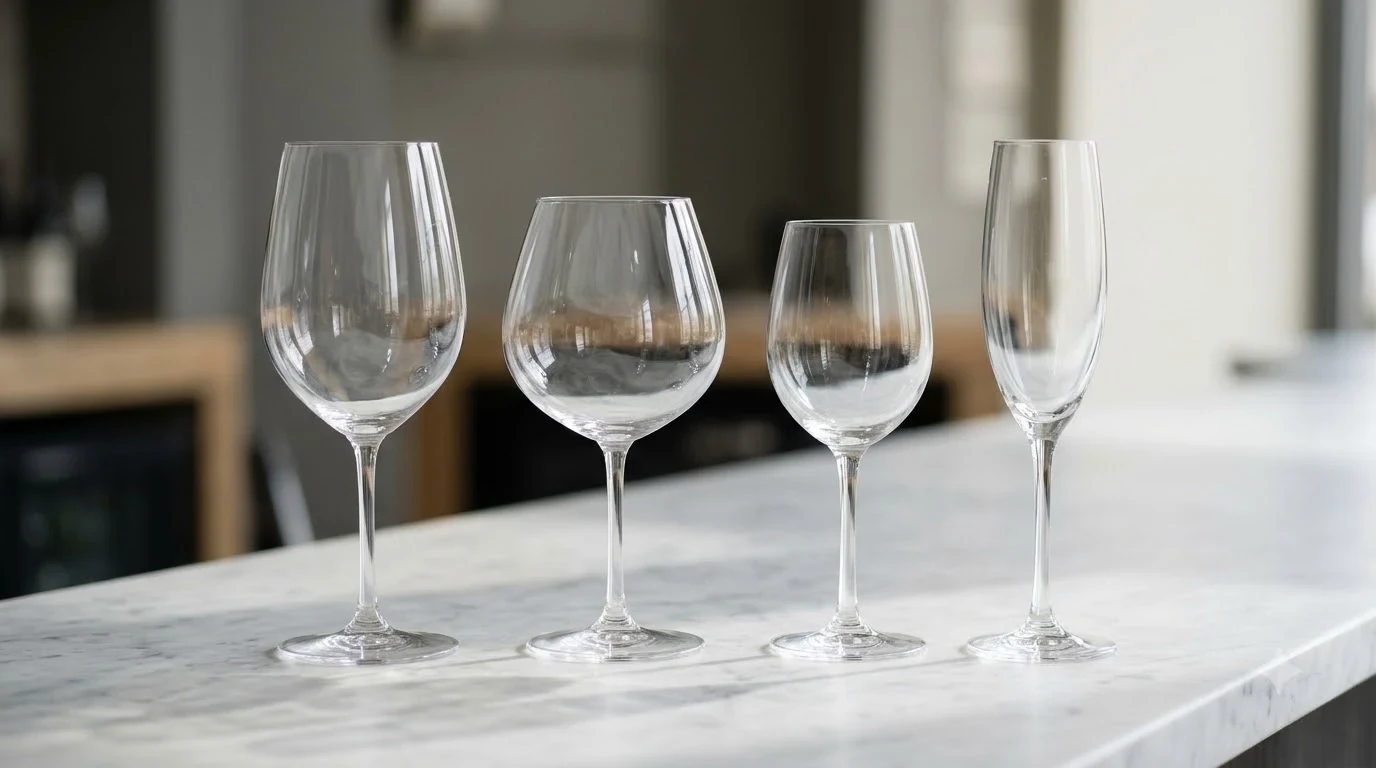
Fortessa’s Forté collection combines clear Tritan Crystal Glass with traditional wine-specific shapes. Its range includes smaller white wine glasses, larger red wine bowls, Burgundy-style glasses, claret goblets, and Champagne flutes, making it more versatile than a collection consisting of one universal shape.
One important distinction is that Fortessa is a brand with several glassware families, not a single standardized wine glass. The Forté line is associated with Schott Zwiesel Tritan Crystal Glass, while other Fortessa products use different glass compositions and decorative treatments. Fortessa describes its Tritan crystal as particularly durable, break-resistant, and designed for brilliant clarity. It also identifies Germany as the manufacturing origin for this crystal material.
The Forté collection is especially useful to compare because its published specifications identify capacities, dimensions, and pack quantities. Those measurements provide a practical starting point for deciding whether a glass will accommodate a standard pour, leave enough space above the wine, and fit comfortably in your cupboard.
| Forté glass style | Capacity | Dimensions (height × width) | Listed pack |
|---|---|---|---|
| White Wine | 9.8 oz | 8 × 2.9 in | 6 |
| Burgundy | 14.2 oz | 8.5 × 3.2 in | 6 |
| Red Wine | 17.4 oz | 8.9 × 3.5 in | 6 |
| Claret Goblet | 21.6 oz | 8.9 × 3.7 in | 6 |
| Claret Burgundy | 25.4 oz | 8.7 × 4.4 in | 6 |
| Champagne Flute | 7.7 oz | 8.9 × 2.8 in | 6 |
| All Purpose | 13 oz | 4.5 × 3.2 in | 6 |
| Universal Tumbler | 18.6 oz | 5 × 3.8 in | 6 |
| Rocks | 20 oz | 4 × 4 in | 6 |
These specifications come from Fortessa’s published Forté collection catalog. The All Purpose and tumbler designs provide additional serving options, although they are not substitutes for every specialized wine bowl. The catalog also includes a 15.3-ounce Water glass, which can coordinate with the stemware for a complete table setting.
Capacity deserves particular attention. A 17.4-ounce red wine glass has considerably more room than a 9.8-ounce white wine glass, but capacity does not mean that every pour should fill the bowl. A typical wine serving is approximately 5 ounces. Leaving room above the wine helps preserve space for aromas and makes swirling easier.
The Forté collection’s six-piece pack format is practical for households that regularly entertain. However, the size and shape of the glasses should influence your purchase more than the number of pieces in a set. A household that primarily drinks Sauvignon Blanc may have little reason to prioritize the largest Burgundy bowls.
For the official collection overview and the distinction between Fortessa’s crystal and other drinkware materials, consult Fortessa’s drinkware collection.
What Owners Like About Fortessa Glassware
Customer feedback on Fortessa glassware frequently highlights attractive designs, comfortable handling, and the ability to coordinate glasses with other tableware. The brand’s range also makes it easier to select glassware for different occasions rather than relying on one generic drinking glass.
Appearance is a recurring attraction. Fortessa’s portfolio includes clear crystal stemware as well as more decorative collections such as Jupiter and Vintage. That distinction matters because someone seeking a traditional, transparent wine glass may have very different priorities from someone furnishing a colorful dining table.
The Forté collection has a restrained appearance. Its transparent construction allows the wine’s color to remain visible, while the different bowl profiles give the glasses a recognizable purpose. This is especially useful when serving several varieties during the same meal. A narrower white wine glass and a broader red wine bowl create a visual distinction without requiring colored glass or elaborate decoration.
Customer comments on Fortessa Vintage glassware at Macy’s provide another perspective on the brand’s broader appeal. Some reviewers appreciate the modern appearance, convenient size, comfortable grip, and ability to coordinate the glasses with existing dinnerware. Another reviewer particularly liked the weight and subtle green tint of the glass.
These comments should not be interpreted as direct evaluations of Forté crystal stemware. Vintage is a separate product line, and its construction and appearance differ from those of the Forté collection. Still, the feedback illustrates why shoppers consider Fortessa beyond traditional crystal wine glasses: visual character and compatibility with a dining-room setting can be important purchasing factors.
Another positive consideration is the variety of shapes. A shopper can select a 9.8-ounce white wine glass for restrained everyday pours, a 17.4-ounce red wine glass for general red wine service, or a 25.4-ounce Claret Burgundy glass for wines that benefit from additional bowl space.
That selection is useful for households that enjoy different wine styles. Pinot Noir, Cabernet Sauvignon, Chardonnay, and sparkling wine do not necessarily benefit from identical glass proportions. A purpose-designed glass can make serving more organized and give each wine a suitable presentation.
Fortessa’s broader drinkware portfolio also makes coordination easier. The Forté collection includes water and tumbler designs alongside wine stemware, so a dining table can have a consistent glassware appearance without requiring every beverage to be served in the same type of vessel.
For a household that hosts occasional dinner parties, this combination of specialized stemware and matching everyday drinkware can be more appealing than purchasing unrelated glasses from several manufacturers.
Common Complaints and Quality Considerations
Fortessa’s glassware does not have one universal durability profile because the brand sells different materials, shapes, and finishes. Customer feedback on some collections includes concerns about chipped rims, manufacturing irregularities, packaging damage, and glasses that feel lighter than expected.
The Vintage line provides a useful example of why it is important to evaluate individual collections. Macy’s customer comments include praise for its appearance and practical size, but other purchasers report rough seams, imperfect drinking edges, and chips. One reviewer also found that the distinctive base retained water after dishwasher cleaning and needed additional towel drying.
These complaints should be treated as product-specific feedback rather than proof that Forté Tritan crystal has the same problems. The Vintage glass and Forté stemware are different products. Nevertheless, the reviews highlight several sensible inspection points when buying any glassware set.
First, examine the rim. A smooth, even drinking edge is important for comfort, and noticeable irregularities can make a glass unpleasant to use. Second, inspect the bowl for visible manufacturing imperfections, scratches, or cloudy patches. Third, examine the stem and foot, particularly where the stem meets the bowl and base. These areas deserve attention because they experience handling and washing stress.
Shipping is another consideration. Glassware can arrive damaged even when the underlying product is well made. A properly protected package should keep individual glasses from knocking against one another. When ordering a set, inspect the contents soon after delivery and follow the retailer’s stated procedure for reporting damage.
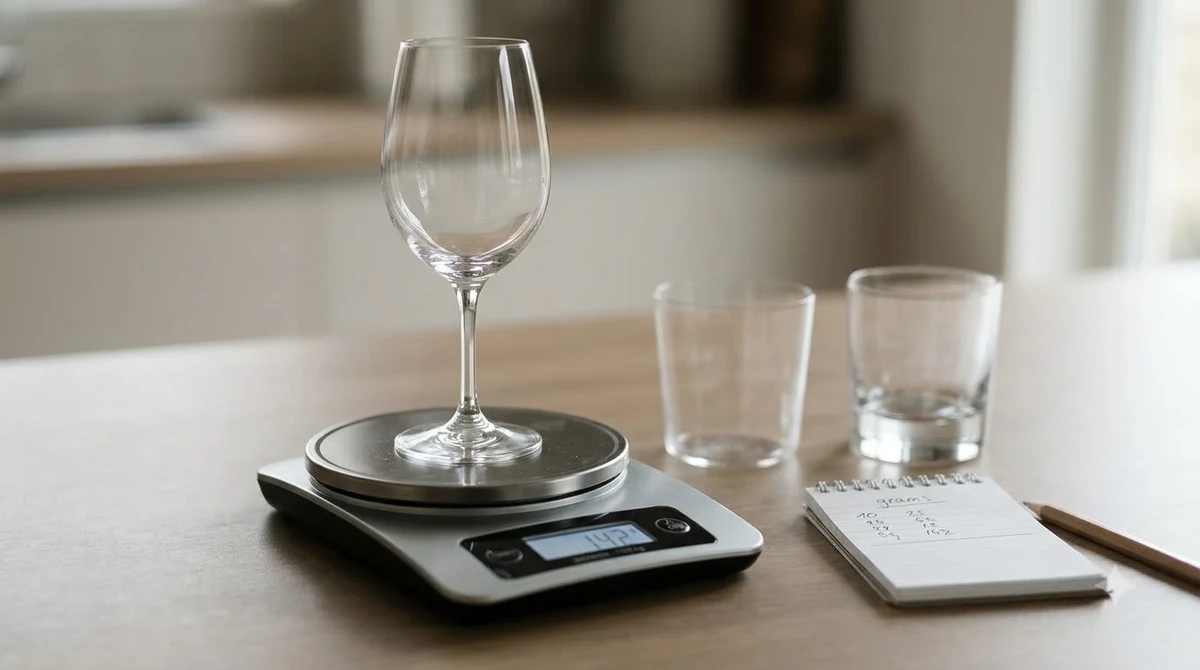
Weight is a matter of preference rather than a reliable quality test. Some buyers associate heavier glasses with sturdiness and a substantial feel. Others prefer lighter stemware that is comfortable to hold during a long meal. A lighter glass is not automatically inferior, and a heavier glass is not automatically more durable.
For the Forté collection, it is more useful to consider the published material, bowl proportions, and intended use than to assume that all Fortessa products have identical construction. Fortessa describes its Tritan crystal as break-resistant and durable, but that does not mean individual glasses are unbreakable. Crystal stemware still requires careful storage and handling.
There is also a practical distinction between a glass designed for formal dining and one intended for casual outdoor use. A large stemmed crystal glass may look appropriate at a dinner party but can be inconvenient around a crowded patio or pool. Fortessa’s broader portfolio includes other drinkware options for those situations.
Who Should Buy Fortessa Wine Glasses and Who Should Skip Them
Fortessa is a sensible option for buyers who value attractive table settings, multiple wine-specific shapes, and the availability of crystal stemware. It is less compelling for shoppers who prioritize inexpensive everyday replacements, unusually heavy construction, or glassware that can tolerate rough handling.
Good candidates include:
- Home entertainers: The Forté range offers separate wine, Champagne, water, and tumbler designs, making it possible to coordinate a complete beverage setting.
- Wine enthusiasts: Different bowl shapes provide useful options for Cabernet Sauvignon, Pinot Noir, Chardonnay, and other varieties.
- Traditional tableware buyers: The clear crystal appearance works with a wide range of dinnerware styles and formal place settings.
- People replacing an incomplete set: The collection’s separate glass styles make it possible to choose a particular type of stemware instead of purchasing a completely unrelated assortment.
- Buyers who appreciate understated designs: Forté offers a conventional crystal appearance rather than a highly decorative or brightly colored finish.
There are also shoppers who may prefer another type of glassware. Families that frequently experience broken glasses may be better served by a more casual construction. Buyers who want substantial, thick-walled glasses should pay attention to the particular product rather than assume that every Fortessa collection feels heavy.
People who primarily drink wine outdoors should also consider whether a traditional stemmed glass is appropriate. A stemless design or a suitable outdoor drinkware option can be more convenient for picnics, patios, and informal gatherings.
Storage space is another consideration. The Forté Claret Burgundy glass measures 8.7 inches tall and 4.4 inches wide. That relatively broad bowl can take up considerably more cupboard room than a compact everyday tumbler. Measure your available storage before selecting a larger stemware assortment.
For shoppers still comparing different manufacturers and glass shapes, our overview of wine glasses explains the main characteristics that distinguish everyday options from specialized stemware.
How Fortessa Compares to Other Wine Glass Options
Fortessa’s main appeal is the combination of specialized crystal stemware and a broader coordinated tableware range. The best alternative depends on whether you prioritize bowl shape, decorative appearance, everyday practicality, or the experience of drinking a particular wine.
Rather than comparing Fortessa with unrelated products as though every glass were made from the same material, it is more useful to compare the design priorities that influence a buying decision.
Fortessa versus universal wine glasses
A universal wine glass is designed to accommodate several wine styles reasonably well. It can be a practical choice for someone who drinks both red and white wine but does not want to maintain separate sets.
Forté offers dedicated shapes alongside its All Purpose design. That gives buyers more flexibility, particularly if they regularly serve different wines at the same dinner. A household that primarily drinks one or two varieties may find an all-purpose glass more convenient, while a wine enthusiast may appreciate having several bowl sizes available.
The distinction is not that specialized glasses are always necessary. A well-designed universal glass can serve many purposes. Specialized bowls simply give buyers additional choices when the dimensions of the glass are important to their preferred serving style.
Fortessa versus dedicated red wine glasses
Red wine glassware generally offers more bowl space than smaller white wine designs. This can be useful when serving Cabernet Sauvignon, Syrah, or other structured red wines.
Fortessa’s 17.4-ounce Red Wine glass is a straightforward option for general red wine service. Its 21.6-ounce Claret Goblet and 25.4-ounce Claret Burgundy provide larger alternatives for people who prefer more room in the bowl.
For a closer examination of specialized red wine shapes, see our guide to red wine glasses. It explains how bowl size and opening width can influence the serving experience.
Fortessa versus stemless glassware
Stemless wine glasses appeal to people who prefer compact storage and a casual appearance. They are generally easier to fit into everyday cupboard arrangements than tall stemware, although the hand warms the wine more directly when holding the bowl.
Fortessa’s Forté collection includes a Universal Tumbler with an 18.6-ounce capacity and an All Purpose design with a 13-ounce capacity. These give buyers alternatives to conventional stemware, although a tumbler does not provide the same handling characteristics as a traditional stemmed glass.
For more information about this category, our guide to stemless wine glasses covers the advantages and limitations of shorter wine-serving designs.
Where Fortessa fits
Fortessa makes the most sense for shoppers who want options rather than a single standardized glass. Its range includes traditional crystal, colorful decorative glasses, and practical tumblers. That diversity is an advantage, but it also means that buyers should identify the exact collection before evaluating material, durability, or expected handling characteristics.
For a broader look at the manufacturer and its glassware families, the Glassware Brands section provides additional context for comparing different makers.
Care, Storage, and Everyday Use
Proper care helps preserve the clarity and appearance of Fortessa glassware. The manufacturer’s handling guidance emphasizes avoiding abrasive cleaning, limiting temperature shocks, and preventing unnecessary contact between individual glasses.
Before first use, wash new glasses in hot water with mild detergent, then rinse and dry them. This removes dust and packaging residue. Use a soft cloth rather than an abrasive sponge, steel wool, or metal scraper when cleaning the bowl.
Fortessa’s glassware care instructions also recommend separating glassware from dinnerware and flatware when clearing the table. This reduces the chance of glasses being scratched or struck by heavier objects. Avoid placing utensils inside glasses, as direct contact can damage the glass surface.
Tip: Allow glasses to return to room temperature before washing them after serving chilled wine. Moving a very cold glass directly into hot water can create thermal stress and increase the risk of cracking.
Dishwasher suitability depends on the specific product and its finish. Fortessa’s general commercial glassware guidance indicates that glassware can be washed in high- and low-temperature commercial dish machines unless otherwise specified. However, the company recommends handwashing glassware with gold or platinum accents to help extend its service life.
For delicate crystal stemware, careful loading matters as much as the washing cycle. Place each glass in a suitable rack, ensure that the bowls do not strike one another, and avoid overcrowding. A properly sized glass rack also reduces the risk of damage during transportation.
Drying deserves attention because water spots can make clear glass appear cloudy. Remove residual water with a soft cloth when necessary. If polishing stemware, hold the glass by its stem rather than twisting the bowl and foot in opposite directions. This reduces unnecessary stress at the connection points.
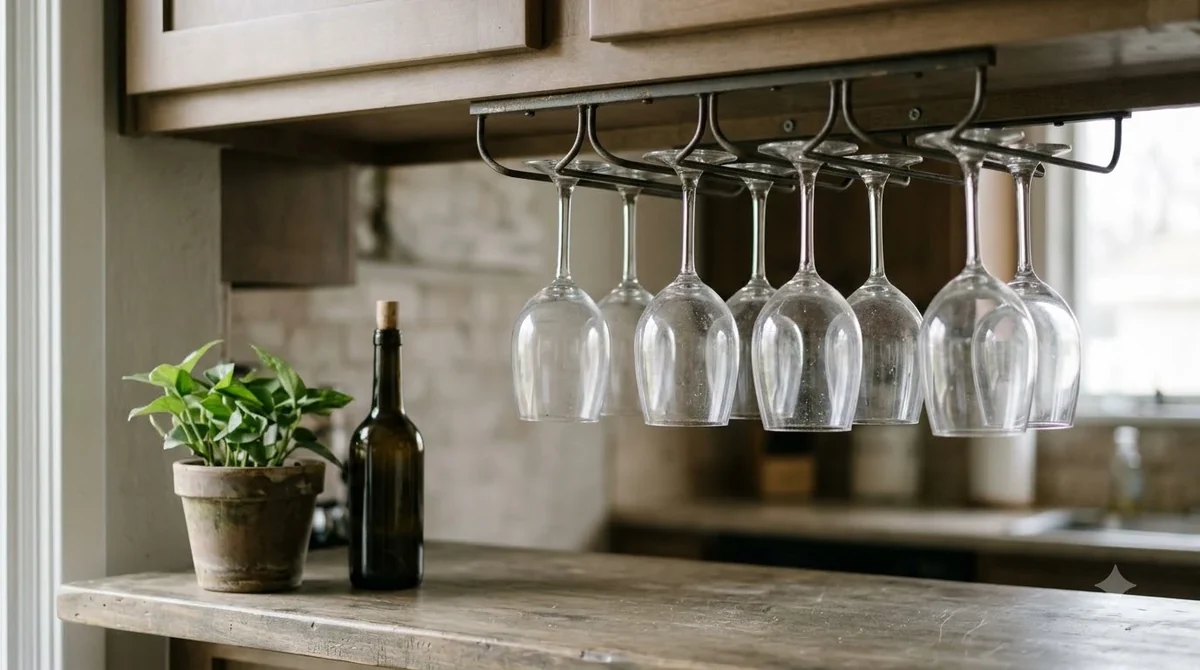
Storage should also prevent glass-to-glass contact. Keep stemmed glasses in a secure cupboard where their rims and bowls are protected from neighboring objects. Do not stack glasses unless the particular design is intended for stacking.
For wine service, use the glass shape according to the wine rather than filling every bowl to capacity. A standard 5-ounce serving is suitable for many still wines. A 17.4-ounce red wine glass can accommodate swirling and aroma development without requiring an oversized pour.
Temperature matters as well. Light whites and rosé are generally served around 45 to 50 degrees Fahrenheit, while full-bodied whites are commonly served around 50 to 55 degrees. Light reds work well around 55 to 60 degrees, and fuller reds around 60 to 65 degrees. The right glass makes serving more organized, but the wine’s serving temperature remains an important part of the experience.
These practices are useful for Forté crystal and other conventional stemware, although individual decorative products may have additional restrictions. Fortessa’s glassware care and handling instructions provide further guidance on washing, handling, drying, and storage.
Frequently Asked Questions
Are Fortessa wine glasses made in Germany?
Fortessa identifies its Tritan Crystal Glass as being made in Germany with regionally sourced materials. However, not every Fortessa glassware collection necessarily shares that manufacturing origin. Check the specifications of the particular collection when country of manufacture is important to your purchase.
What does Tritan mean in Fortessa crystal glassware?
Tritan is the crystal glass technology associated with Schott Zwiesel glassware in the Fortessa portfolio. It should not be confused with Tritan plastic, which is a separate material used in some reusable drinkware products. The Forté collection uses Tritan Crystal Glass rather than a plastic construction.
Can Fortessa wine glasses be used for cocktails?
Many conventional wine glasses can also serve cocktails, particularly drinks without large quantities of ice. The 13-ounce Forté All Purpose glass is a versatile option for certain mixed drinks, while the 20-ounce Rocks glass is more suitable for traditional spirits served over ice. Choose a glass according to the cocktail’s volume and preparation method.
How many ounces does a standard Fortessa wine glass hold?
There is no single standard capacity across the Fortessa range. The Forté collection includes designs from a 7.7-ounce Champagne Flute to a 25.4-ounce Claret Burgundy glass. These measurements describe total glass capacity rather than recommended serving sizes.
Are Fortessa glasses suitable as wedding or housewarming gifts?
They can make suitable gifts, particularly for recipients who enjoy entertaining or appreciate coordinated dining accessories. A six-piece assortment is a practical format for a couple establishing a new home. Before gifting, consider whether the recipient prefers traditional crystal stemware, colorful decorative glassware, or compact everyday drinkware.
Fortessa wine glasses are a worthwhile option for shoppers who appreciate clear crystal, traditional stemware shapes, and a broad selection of coordinated drinkware. The Forté collection is particularly appealing if you want separate bowls for different wines rather than one universal design. Choose according to the specific collection, glass dimensions, and care requirements, and inspect your set carefully when it arrives.
More in Wine Glasses
 Zwiesel Glas Champagne Flutes for Durable Everyday Sparkling WineUpdated Nov 20, 2026
 Vera Wang Crystal Wine Glasses: Design, Quality and Buying AdviceUpdated Nov 20, 2026
 West Elm White Wine Glasses: Compare Designs for Better Everyday Wine ServiceUpdated Nov 20, 2026
 Zalto Stemless Wine Glasses: Discover Their Distinctive DesignsUpdated Nov 20, 2026
 Viski Champagne Glasses That Match Your Style and Sparkling WineUpdated Nov 20, 2026
 Vista Alegre Decanter Review: Crystal Style and Wine ServiceUpdated Nov 20, 2026