

We may earn a commission when you buy through links on this page, at no extra cost to you. Learn more.
The best fluted wine glasses are tall, narrow flutes for sparkling wine and fluted stemmed glasses with a slightly open bowl for aromatic whites, and the right choice depends on whether you care most about bubbles, aroma, or durability. A flute keeps carbonation in the glass and lets bubbles rise where you can see them, while a fluted glass with a wider bowl gives a light white more room to release its scent. Plastic and tritan versions trade some elegance for safety around pools and parties.
This guide groups fluted glassware by what people actually need from it, so you can match a glass to the wines you drink most often. It also explains the shape differences that matter, what to look for in material and stem design, and how to avoid buying a glass that looks good on the shelf but performs poorly at the table.
Quick Comparison of Fluted Glass Types
Fluted glasses share a long, tapering silhouette, but the bowl shape underneath changes how the wine behaves. The table below compares the main types by bowl, use, and trade-offs.
| Type | Bowl shape | Best use | Keep in mind |
|---|---|---|---|
| Classic flute | Tall and narrow | Sparkling wine and Champagne | Narrow opening limits aroma |
| Tulip flute | Narrow at the top, wider at the base | Sparkling wine with more aroma | Slightly more bulk to store |
| Fluted stemmed white glass | Medium bowl with a gently open top | Aromatic whites and rosé | Not ideal for bold reds |
| Unbreakable fluted glass | Similar to classic flute, made of plastic or tritan | Pools, patios, and outdoor parties | Less clarity and feel than crystal |
Wine glass design has a long history. According to the Wikipedia entry on the wine glass, the champagne flute has a long stem and a tall, narrow bowl, and the narrow opening reduces the surface area so that carbonation lasts longer. That single design principle explains most of what you will see on the shelf.
Best for Everyday Prosecco and Cava
A classic tall flute is the simplest choice for casual sparkling wine. It is the shape most people picture when they hear the word fluted, and it works well for Prosecco, Cava, and many non-vintage Champagnes served at home.
Why it stands out: the tall bowl lets bubbles form a visible line from the bottom of the glass to the surface, which is the main reason flutes became standard. The narrow opening keeps the wine from going flat too quickly between pours, so a bottle opened for brunch still tastes lively an hour later.
Keep in mind: the narrow shape concentrates less aroma than a wider glass. If you want to smell the wine as much as you see the bubbles, look at the next group.
Best for: hosts who want an inexpensive, dependable set for regular sparkling wine.
Best for Aroma-Forward Sparkling Wine
A tulip-shaped flute is a middle path between a classic flute and a wine glass. It keeps the height and the visible bubble trail but opens slightly toward the top, so the aroma of the wine has more room to reach your nose.
Why it stands out: this shape suits sparkling wines with notes of toast, apple, or stone fruit, which show more of their character in a glass that is not so narrow. Many people find it easier to judge the wine when they can smell it as well as taste it.
Keep in mind: a tulip flute holds a little more and takes up slightly more space in a cabinet than a straight flute. It is also less common in budget sets, so check the bowl shape before you buy a full case.
Best for: people who like to compare sparkling wines side by side and want more aroma without giving up the flute look.
Best for Aromatic White Wines
A fluted stemmed glass with a medium bowl and a gently open top is built for still white wine. It suits aromatic whites such as Riesling, Sauvignon Blanc, and dry rosé, which are easier to enjoy in a glass that lets their scent collect.
Why it stands out: the bowl is wide enough to show the wine’s aroma, but the rim is still narrow enough that the glass does not feel like a large red wine glass. The stem keeps your hand away from the bowl, which helps the wine stay at the temperature it was poured.
Keep in mind: a fluted white glass is not the right tool for heavy reds, since the bowl is too small to open up full-bodied wines. Pair it with a separate red glass if you drink both colors regularly.
Best for: households that drink more white or rosé than red and want one elegant glass for weeknights and dinner parties.
Best for Decorative and Gift Sets
Fluted glasses with ribbed or textured bowls are often sold as sets for gifting, weddings, and holidays. They look striking on a table and make a practical present when the recipient already has basic glassware.
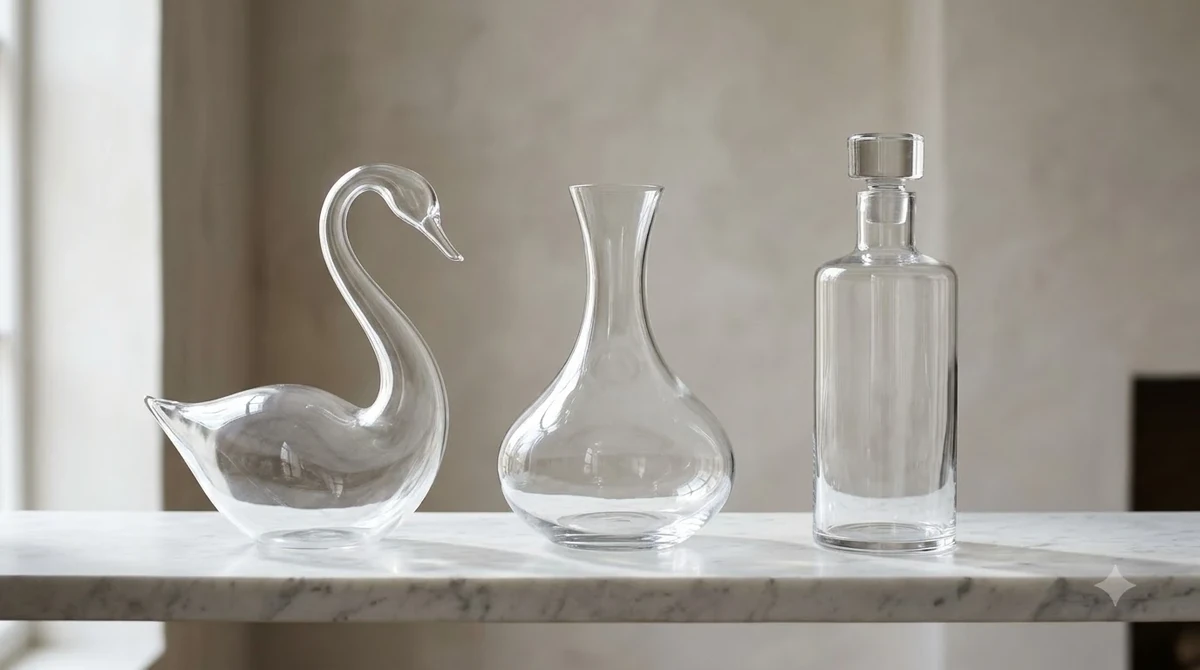
Why it stands out: decorative fluting adds texture to the glass and catches light well, which is part of why these pieces are popular as gifts. Crystal versions tend to ring more clearly and feel heavier in the hand, which many buyers notice right away.
Keep in mind: heavy texture can make a glass harder to clean and can trap residue in the grooves. Hand washing is usually the safest way to keep the surface clear, and some decorative glasses are not dishwasher safe.
Best for: gift buyers and anyone who wants a glass that doubles as table decoration.
Best for Pools, Patios, and Outdoor Parties
Unbreakable fluted glasses made from plastic or tritan copy the classic flute shape in a material that can go outdoors. They are a practical choice when a crystal glass would be a risk.
Why it stands out: the material is light and does not shatter when dropped on a patio or pool deck. Good versions keep the tall shape, so the sparkling wine still looks like it belongs in a flute.
Keep in mind: plastic and tritan do not feel like crystal, and they can hold onto odors or scratch over time. They are best for casual pours rather than tasting a special bottle.
Best for: families, poolside gatherings, and picnics where breakage would be a real problem.
How to Choose a Fluted Glass
Start with the wine you drink most often. If it is sparkling, choose a straight or tulip flute. If it is mostly white or rosé, choose a fluted stemmed glass with a medium bowl. Use the table below as a quick check before you buy.
| Your priority | Look for |
|---|---|
| Bubbles that last | Tall, narrow bowl with a small opening |
| Aroma in sparkling wine | Tulip-shaped flute with a slightly wider top |
| Aroma in white wine | Medium bowl with a gently open rim |
| Durability outdoors | Tritan or quality plastic in a flute shape |
Stem length matters too. A longer stem helps keep the bowl away from your hand, so the wine stays at its serving temperature. The how to hold a wine glass habit is useful here: hold the stem, not the bowl, to keep fingerprints off the glass and the wine cool.
Material is the next question. Riedel’s own glassware guide notes that its crystal stemware is designed so that the bowl’s shape, size, and rim diameter are calibrated to suit particular wine styles, and that stem height and base width support both temperature and stability, as described on its About RIEDEL page. Those points apply to fluted glasses too: a well-proportioned stem and a stable base matter as much as the bowl.
Frequently Asked Questions
Is a flute better than a tulip for sparkling wine?
A straight flute keeps bubbles visible and helps carbonation last, which is why it remains the classic choice. A tulip flute is a good option if you want to smell the wine more clearly, since its top opens slightly. Both shapes are used in serious tasting, so the choice mostly comes down to whether you value aroma or the traditional look.
Can I use fluted glasses for red wine?
Fluted glasses are designed for sparkling and light white wines, so they are not the best choice for full-bodied reds. A red wine glass has a wider bowl that gives bold wines more room to open. Keep a separate red glass for those bottles if you drink red often.
Why do fluted glasses have such narrow bowls?
The narrow bowl reduces the surface area exposed to air, which helps sparkling wine keep its carbonation for longer. It also lets bubbles rise in a visible stream, which many people find enjoyable to watch. Wider glasses release more aroma, so the design is a trade-off between bubbles and smell.
Are plastic fluted glasses good enough for a nice dinner?
Plastic and tritan fluted glasses are practical for outdoor settings and casual gatherings. They do not have the clarity or weight of crystal, so most people save them for everyday or outdoor use. For formal dinners and tasting a special bottle, a crystal glass gives a better experience.
Fluted glasses are simple to choose once you know the wine you drink most. Pick a straight flute for classic sparkling wine, a tulip flute for more aroma, and a fluted stemmed glass for whites. If you want a related guide, see the wine glasses overview, which compares other shapes for different styles.
More in Wine Glasses
 Spiegelau Crystal Wine Glasses That Bring Clarity to Every PourUpdated Nov 21, 2026
 Zalto Crystal Wine Glasses: Are They Worth the Investment?Updated Nov 21, 2026
 Villeroy And Boch White Wine Glasses for a More Cohesive TableUpdated Nov 21, 2026
 Zalto Wine Glasses On Sale: Find the Right Denk’Art GlassUpdated Nov 21, 2026
 Zwiesel Glas Champagne Glasses: Features, Quality and Buying AdviceUpdated Nov 21, 2026
 Zwiesel Glas Decanter Review: A Durable, Elegant Choice for Wine ServiceUpdated Nov 21, 2026