

We may earn a commission when you buy through links on this page, at no extra cost to you. Learn more.
An eisch decanter is a premium crystal wine vessel designed to combine elegant presentation, practical pouring, and wine aeration. EISCH offers several distinctive designs, including mouth-blown lead-free crystal models, decorative finishes, and its NO DROP EFFECT pouring feature. The right choice depends on whether the priority is aeration, sediment separation, comfortable handling, or an impressive centerpiece for entertaining.
EISCH occupies an interesting position in the wine-accessory market because its decanters are designed to serve as both functional wine equipment and decorative tableware. Some models emphasize traditional crystal craftsmanship, while others introduce unusual shapes, internal design details, or metallic finishes. This review examines the construction, practical features, everyday limitations, and important differences between the available designs so buyers can choose a decanter that suits their wine habits rather than simply selecting the most striking silhouette.
Specs and Key Features of EISCH Decanters
EISCH decanters combine crystal construction with distinctive pouring details and decorative design. Their defining practical feature is the NO DROP EFFECT, while individual models offer different capacities, dimensions, handling features, and approaches to aeration.
The brand’s range includes straightforward crystal vessels and more elaborate designs with platinum, silver, or stainless-steel details. The TOGETHER, ESSENCA, NET, and EDITION 1 models illustrate how substantially the appearance and intended use can differ within the collection. The specifications below come from EISCH’s published product information rather than estimates based on photographs.
| Model | Capacity | Height | Distinctive feature |
|---|---|---|---|
| TOGETHER | 750 ml | 228 mm | Hollow base and central grip detail |
| ESSENCA | 750 ml | 240 mm | Internal hemisphere for aeration |
| NET | 750 ml | 240 mm | Hand-finished silver decoration |
| EDITION 1 | 750 ml | 420 mm | Brushed stainless-steel base |
| Circo | 35 oz | 11.75 inches | Open-center sculptural design |
One important distinction is that the models are not interchangeable simply because they share the same general purpose. A conventional 750 ml decanter can accommodate a standard bottle of wine, whereas the EDITION 1 introduces a separate metal base and a much taller overall presentation. The Circo is another departure from conventional shapes, with its open center influencing both its appearance and the way wine is poured.
Crystal construction and craftsmanship
EISCH identifies several of its decanters as mouth-blown from lead-free crystal. This construction gives the glass its distinctive visual character and allows individual designs to incorporate curved profiles and unusual contours. The manufacturer also emphasizes handmade production for models such as TOGETHER and EDITION 1.
Lead-free crystal is an important specification for buyers comparing premium glassware. It should not, however, be confused with a guarantee of resistance to impact. Crystal remains breakable, and a large decanter can be particularly vulnerable when wet hands, a heavy base, or an awkward sink position make handling difficult.
NO DROP EFFECT
The NO DROP EFFECT is one of the collection’s most recognizable practical features. EISCH describes it as a pouring design intended to prevent wine from dripping down the exterior of the vessel. This matters during dinner service because wine running down the outside of a decanter can leave marks on tablecloths, wooden surfaces, and serving trays.
The feature should be understood as a pouring aid, not a replacement for careful handling. The angle of the vessel, the amount of wine remaining, and the speed of pouring still influence how cleanly a decanter empties. Its usefulness is especially relevant when transferring wine between the bottle, decanter, and serving glasses during a formal meal.
For additional background, the manufacturer’s EISCH decanter collection describes the design approach and the shared pouring feature across its carafes.
Capacity and practical dimensions
The 750 ml capacity found on the TOGETHER, ESSENCA, NET, and EDITION 1 models corresponds to the volume of a standard wine bottle. That makes these designs convenient for decanting a complete bottle without immediately needing a second vessel. However, capacity alone does not establish how much exposed wine surface a decanter provides or how quickly a particular wine will develop after pouring.
Dimensions deserve equal attention. A decanter measuring 228 mm high is easier to accommodate in many cabinets than one measuring 420 mm. Buyers should consider the full footprint, neck opening, base shape, and available storage space before selecting a design, particularly if the vessel will be used regularly rather than displayed between occasions.
What Owners and Wine Enthusiasts May Appreciate
The strongest appeal of EISCH decanters is their combination of visual character and practical wine-service features. Their crystal construction, carefully developed shapes, and attention to pouring make them attractive to people who want a dedicated decanting vessel rather than an ordinary glass pitcher.
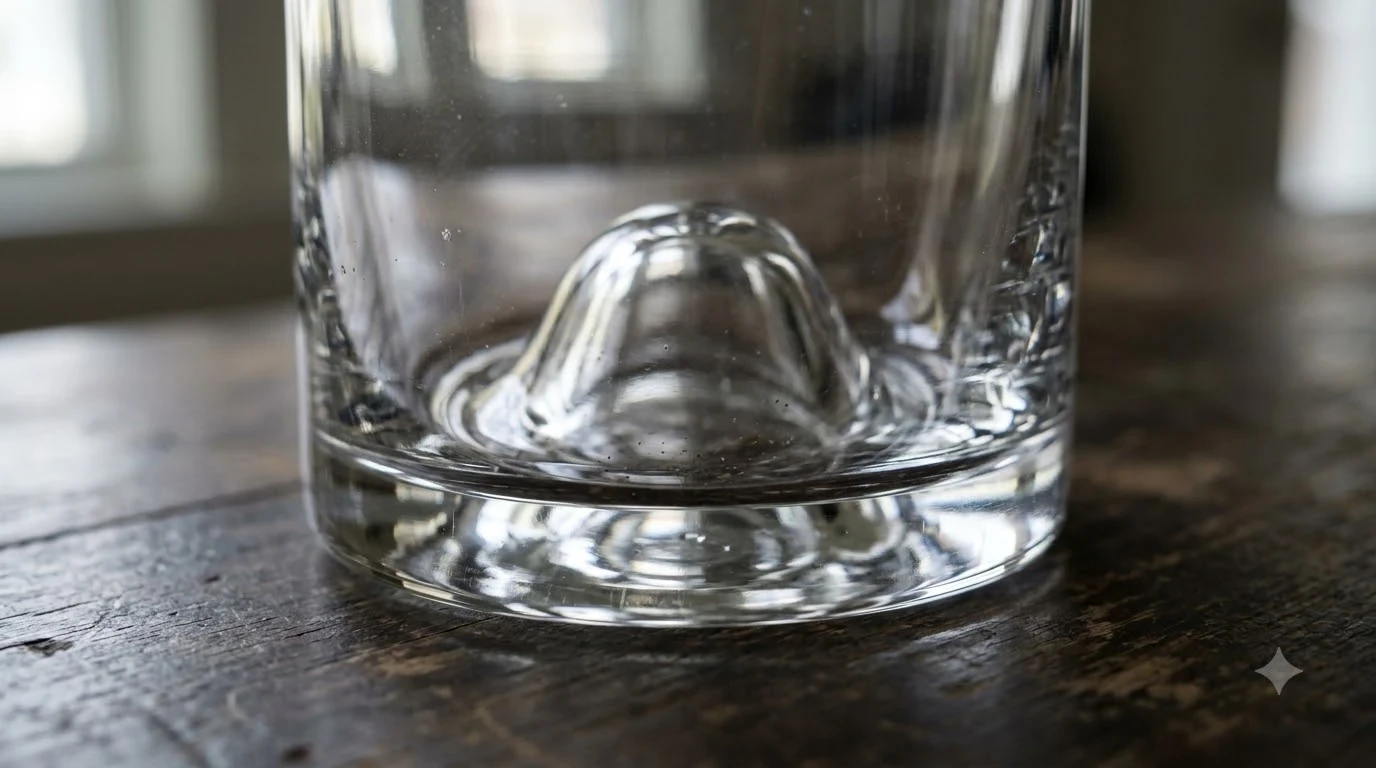
The TOGETHER is a particularly interesting example of design serving a practical purpose. Its hollow bottom and raised middle section provide places to hold the vessel while pouring. These details distinguish it from a simple smooth-sided carafe, where the user must rely almost entirely on the shape of the body and neck for control.
The ESSENCA offers a different attraction. Its internal hemisphere is designed to create more intensive aeration as young wine is poured into the vessel. EISCH also describes it as appropriate for older wine, where gentle pouring can help separate sediment. This dual-purpose approach is appealing because the owner does not necessarily need one vessel for younger wines and another for mature bottles.
Presentation without sacrificing serving function
Some decanters are purchased primarily to improve the appearance of a dining table. The NET and EDITION 1 are particularly relevant in this category. NET incorporates a hand-finished silver decoration, while EDITION 1 combines a sculptural crystal vessel with a brushed stainless-steel base.
These details create a more distinctive presentation than an ordinary clear decanter. They can also make the vessel a suitable gift for someone who enjoys entertaining or collecting decorative glassware. However, decorative features should be evaluated alongside practical requirements. A beautiful vessel that is difficult to clean or store may become an occasional display piece instead of a frequently used wine accessory.
Useful design differences between models
Another positive is that EISCH does not rely on a single silhouette across its entire collection. Buyers can select a relatively compact vessel such as TOGETHER, a specialized aeration design such as ESSENCA, or a taller sculptural option such as EDITION 1.
This variety matters because decanting is not a one-size-fits-all activity. A young Cabernet Sauvignon may benefit from exposure to oxygen before serving, while an older Pinot Noir may need more delicate handling. A full-bodied white wine may also benefit from decanting when its structure and style justify additional aeration. The shape and pouring characteristics of the vessel therefore deserve more attention than appearance alone.
Owners comparing the broader category can also explore wine glasses to create a coordinated serving setup. A suitable glass complements a decanter by giving the wine enough room to release its aromas after pouring.
Common Complaints and Practical Limitations
EISCH decanters have several considerations that buyers should understand before purchasing. Hand washing, careful storage, fragile crystal construction, and model-specific dimensions can make them less convenient than simpler everyday carafes.
The first consideration is cleaning. The TOGETHER and NET product specifications identify hand washing as the recommended care method, and these are not dishwasher-safe products. This requirement is especially relevant for households that prefer to put all glassware into an automatic dishwasher after dinner.
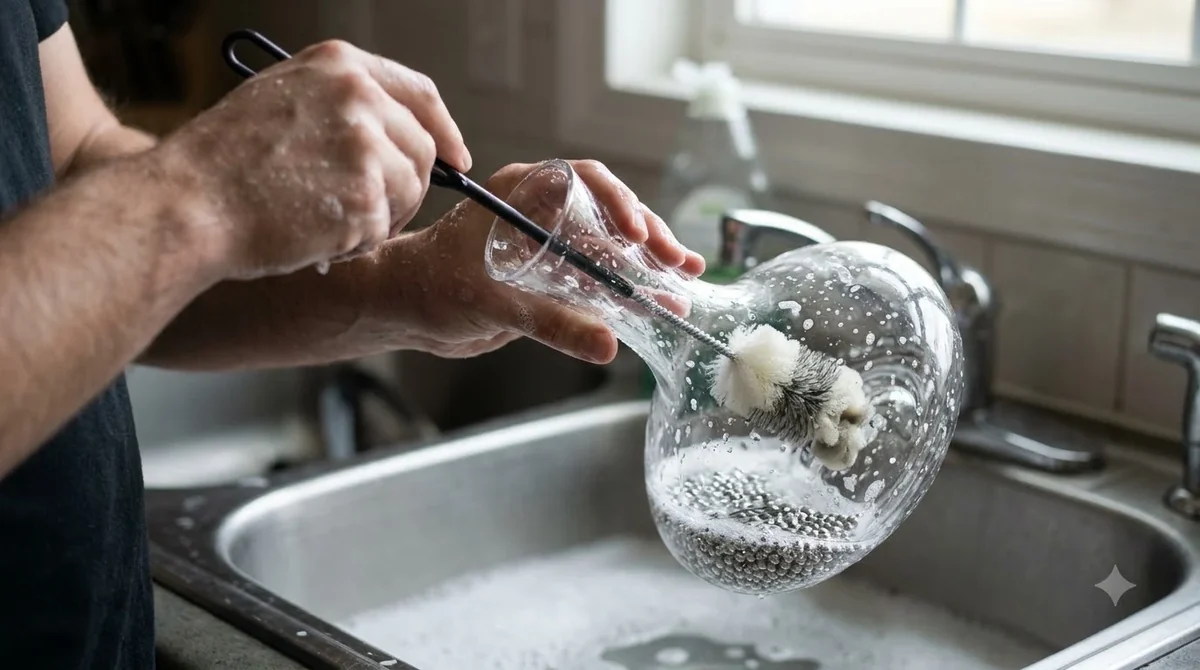
A narrow neck or complicated internal contour can also make cleaning more demanding. Residual wine may collect around the bottom or inside shaped sections, while ordinary dish brushes may not reach every surface. EISCH addresses this issue with dedicated cleaning pearls and an interior decanter dryer, but these accessories introduce additional steps to the cleaning routine.
Hand washing requires more attention
Hand washing is not particularly difficult, but a large glass vessel requires room and a suitable grip. Wet crystal can be slippery, especially when the body is broad or the base is unusually shaped. Rushing the cleaning process increases the chance of knocking the glass against a faucet, sink divider, or nearby dish.
Decorative finishes introduce another consideration. The NET model has a hand-finished silver net decoration, and EISCH specifically recommends occasional silver cleaning to preserve its appearance. Buyers who prefer completely maintenance-free glassware may find a plain, undecorated model more convenient.
Storage can be inconvenient
The difference between a compact 228 mm decanter and the 420 mm EDITION 1 is substantial. A tall vessel may require dedicated cabinet space or a display shelf rather than fitting comfortably beside ordinary glasses and serving dishes.
The footprint also deserves attention. A sculptural shape can be more difficult to position securely on a crowded table than a conventional bottle-shaped carafe. Before purchasing, consider where the decanter will stand during service, how it will be transported when full, and where it will dry after cleaning.
Decorative glass is not automatically better wine equipment
It is easy to assume that an elaborate design must provide better aeration than a simple decanter. That is not necessarily true. Aeration depends on the vessel’s geometry, the wine’s characteristics, the amount poured, and the time allowed before serving.
A specialized internal feature such as the ESSENCA hemisphere is a documented design difference, but it does not mean every wine requires that level of aeration. Delicate older wines can lose their aromatic character if exposed to air for too long. Buyers should select a decanter according to the wine styles they regularly serve rather than treating the most elaborate design as an automatic upgrade.
Who Should Buy an EISCH Decanter and Who Should Skip It
An EISCH decanter makes the most sense for wine drinkers who appreciate crystal craftsmanship, distinctive presentation, and a carefully designed pouring experience. It is less suitable for buyers who prioritize dishwasher convenience, inexpensive replacement, or compact everyday storage.
For regular red wine drinkers, a decanter can provide a useful way to introduce oxygen before serving. Young, structured Cabernet Sauvignon and Syrah are common candidates for decanting, particularly when they have pronounced tannins. EISCH models designed with aeration in mind can fit naturally into this type of wine routine.
However, someone who primarily drinks light-bodied whites, casual rosé, or wines intended for immediate consumption may not need a specialized decanter. These wines can often be served directly from the bottle. A decorative carafe can still be attractive for entertaining, but the functional benefit may be limited.
Best buyer profiles
Wine enthusiasts who entertain regularly: The NO DROP EFFECT, crystal construction, and distinctive designs make the collection appealing for dinner parties and formal wine service. A 750 ml model is particularly practical when a complete standard bottle is being served.
Collectors of premium glassware: The mouth-blown construction and decorative details make certain EISCH models interesting additions to a glassware collection. NET and EDITION 1 are especially relevant for buyers who appreciate unusual materials and sculptural presentation.
People who regularly decant young reds: The ESSENCA’s internal hemisphere is designed for intensive aeration during pouring. This feature makes it a particularly relevant option for drinkers who frequently open young, full-bodied wines.
Gift buyers: A distinctive crystal decanter can be a memorable present for someone who enjoys wine, entertaining, or decorative tableware. The decision is easier when the recipient has enough storage space and is comfortable with hand washing.
Who may prefer another option
Low-maintenance households: Anyone who wants dishwasher-safe glassware should look elsewhere. EISCH’s hand-washing recommendations are an important part of owning several of its decanter designs.
People with limited cabinet space: The 420 mm EDITION 1 is not an ideal choice for a small kitchen with limited vertical clearance. A more compact design is likely to be easier to store and retrieve.
Occasional wine drinkers: Someone who opens a bottle only occasionally may not benefit enough from a specialized crystal decanter to justify the extra storage and cleaning responsibilities.
Buyers seeking an inexpensive utility vessel: A straightforward glass carafe may provide the required serving function without the additional decorative elements and maintenance considerations associated with premium crystal.
How EISCH Compares to Alternative Decanter Designs
EISCH stands out through its combination of decorative glassmaking and practical design features. However, the right alternative depends on whether the buyer values aeration, ease of cleaning, serving capacity, or visual presentation most.
A basic glass decanter generally prioritizes straightforward service. Its uncomplicated shape can be easier to rinse, store, and replace. An EISCH model adds more distinctive design elements and, depending on the model, features such as a shaped grip, internal hemisphere, metallic decoration, or NO DROP EFFECT pouring design.
Another useful comparison is between conventional wide-bottom decanters and more sculptural vessels. A wide-bottom design typically provides a large exposed surface when a bottle is poured into it. This can be useful for young red wines that benefit from oxygen exposure. A more compact or unusual silhouette may offer a different balance of presentation and practical handling.
EISCH versus conventional crystal decanters
Conventional crystal decanters are often chosen for their straightforward appearance and familiar pouring method. They may have broad bases, narrow necks, and simple stoppers. EISCH adds more variation through its sculptural designs and proprietary pouring feature.
The TOGETHER is a good example of the difference. Its hollow base and central grip detail provide a more considered holding position than many smooth-sided vessels. The NO DROP EFFECT also addresses a common inconvenience associated with pouring wine from a traditional carafe.
However, a conventional model may still be preferable for someone who wants a familiar shape that is easy to replace and does not require special attention to decorative finishes.
EISCH versus decorative display decanters
Some decorative decanters are primarily intended for display or serving spirits. They may include ornate stoppers, elaborate contours, or substantial decorative bases. These characteristics can make them attractive bar accessories but do not necessarily make them suitable for wine aeration.
The Circo illustrates the importance of understanding intended use. IWA Wine describes its open-center construction as a distinctive design that allows pouring from the center. Its 35-ounce capacity is also larger than the 750 ml capacities of several other EISCH models. A buyer should therefore compare capacity and actual pouring requirements rather than selecting a vessel solely for its appearance.
Choosing the right serving glasses
A decanter is only one part of a wine-serving arrangement. The glasses used afterward also influence how comfortably the wine can be enjoyed. Larger bowls generally provide more room for swirling, while narrower shapes can help concentrate aromas.
For Cabernet Sauvignon, Merlot, and other structured reds, compare the options in red wine glasses. For sparkling wine service, a separate set of champagne flutes may be more appropriate than using a large decanting vessel. Buyers interested in different glass manufacturers can also consult the Glassware Brands category before assembling a complete collection.
The central distinction is that a decanter changes how wine is transferred and exposed to air, while the serving glass determines how it is presented for drinking. Neither accessory needs to be expensive or elaborate to perform its basic role well.
Care, Cleaning, and Everyday Use
Proper care is essential for preserving an EISCH decanter’s clarity and decorative finish. The most important practices are gentle hand washing, thorough rinsing, careful drying, and secure storage away from hard surfaces.
Begin by rinsing the decanter after use so wine residue does not remain inside for an extended period. Warm water is generally sufficient for fresh residue, while a small amount of mild washing-up liquid can be used when necessary. Avoid aggressive scrubbing, abrasive cleaning pads, and sudden temperature changes.
EISCH offers several cleaning accessories designed for vessels with difficult-to-reach interior surfaces. Its special-steel cleaning pearls can be placed inside the decanter with a little water and moved around gently to loosen residue. The pearls can then be poured into a sieve, rinsed, and reused.
Drying without water marks
Drying is one of the most overlooked parts of decanter care. A large glass vessel can retain water droplets around its base and interior curves, creating visible marks once the water evaporates.
EISCH’s decanter dryer is designed to reach the inside of the vessel and absorb moisture without leaving lint behind. Its glass-care range also includes a polishing cloth for the exterior. This combination is particularly useful for owners who want their crystal to remain clear when displayed on a dining table or bar.
The manufacturer’s glass-care instructions and accessories explain how the cleaning pearls, interior dryer, and polishing cloth work together. These tools are optional, but they address practical challenges associated with cleaning larger vessels.
Handling decorative finishes
Decorated models need additional attention. The NET decanter’s silver finish should be maintained with an appropriate silver cleaning product according to EISCH’s recommendations. Avoid treating a decorated surface like ordinary unfinished crystal, particularly when using abrasive cleaners or polishing materials.
Hand washing is also the safer routine for premium decorative designs. The manufacturer’s general guidance distinguishes unfinished glassware from hand-finished products, recommending manual cleaning for decorated surfaces to protect their appearance. This is particularly important for vessels featuring precious-metal details.
Using the decanter for different wines
For a young, full-bodied red wine, decanting can introduce oxygen and help the wine open before serving. A young Cabernet Sauvignon or Syrah may benefit from approximately 30 to 60 minutes in a decanter, depending on its structure and development. The ESSENCA is particularly interesting for this purpose because its internal hemisphere is designed to encourage intensive aeration during pouring.
Older wines require a different approach. Their primary reason for decanting may be to separate sediment rather than maximize oxygen exposure. Pour slowly and stop when sediment approaches the neck of the bottle. The goal is to transfer the clearer wine while minimizing unnecessary disturbance.
Full-bodied white wines can also be decanted when their style benefits from additional air. Chardonnay with substantial texture, for example, may be served from a decanter as part of a formal meal. Lighter whites and rosé usually need less intervention, so direct bottle service remains perfectly reasonable.
Tip: Match the decanting time to the wine rather than automatically leaving every bottle in the vessel for an hour. Young, tannic reds may benefit from 30 to 60 minutes, while mature wines often need only gentle transfer immediately before serving.
Temperature matters too. Full-bodied reds are generally served around 60 to 65 degrees Fahrenheit, while lighter reds are better around 55 to 60 degrees Fahrenheit. A decanter does not replace temperature control, so avoid leaving a bottle in a warm room simply because it has already been opened and transferred.
Frequently Asked Questions
Does an EISCH decanter come with a stopper?
Stopper arrangements depend on the particular model or gift set. EISCH offers a decanting set that includes a handmade decanter top for temporarily closing the vessel. Buyers who want to cover wine between pours should confirm whether the specific model includes a compatible stopper.
Is an EISCH decanter suitable for serving whisky?
Crystal decanters can also be used for spirits, provided their opening and closure suit the intended use. However, wine decanters are primarily designed for transferring and serving wine, rather than long-term spirit storage. A dedicated whisky decanter with a properly fitting stopper is a more suitable choice when storage and evaporation control are priorities.
Can a full bottle of sparkling wine be poured into an EISCH decanter?
Several EISCH models have a 750 ml capacity, but that does not automatically make them ideal for sparkling wine. Carbon dioxide escapes as sparkling wine is transferred and exposed to air. Champagne and other traditional-method sparkling wines are generally better served directly from a chilled bottle into appropriate glasses.
Should a new EISCH decanter be cleaned before its first use?
Yes. EISCH specifically instructs owners to wash the TOGETHER decanter before use. A gentle rinse and appropriate hand wash remove any packaging residue or dust before the vessel comes into contact with wine. Allow the interior to dry properly before filling it.
Does every EISCH decanter have the same shape and pouring capacity?
No. The collection includes different profiles and specialized constructions. For example, the Circo is listed with a 35-ounce capacity, while several other models hold 750 ml. The EDITION 1 also has a substantially taller 420 mm profile, making its storage requirements different from those of more compact models.
An EISCH decanter is a compelling choice for wine enthusiasts who value crystal craftsmanship, distinctive presentation, and thoughtful pouring details. The TOGETHER suits buyers who appreciate practical handling, ESSENCA offers a more specialized aeration design, and NET or EDITION 1 appeal to those who want a decorative centerpiece. Choose according to the wines you serve, the space available for storage, and your willingness to hand wash and maintain premium glassware.
More in Wine Glasses
 Zwiesel Glas Champagne Flutes for Durable Everyday Sparkling WineUpdated Nov 20, 2026
 Vera Wang Crystal Wine Glasses: Design, Quality and Buying AdviceUpdated Nov 20, 2026
 West Elm White Wine Glasses: Compare Designs for Better Everyday Wine ServiceUpdated Nov 20, 2026
 Zalto Stemless Wine Glasses: Discover Their Distinctive DesignsUpdated Nov 20, 2026
 Viski Champagne Glasses That Match Your Style and Sparkling WineUpdated Nov 20, 2026
 Vista Alegre Decanter Review: Crystal Style and Wine ServiceUpdated Nov 20, 2026