

We may earn a commission when you buy through links on this page, at no extra cost to you. Learn more.
The dumol wine price typically ranges from about $55 to $125 or more for a 750 ml bottle, depending on the grape, vineyard designation, vintage, and availability. DuMOL is a premium California producer known for its vineyard-focused Pinot Noir and Chardonnay, along with Syrah, Cabernet Sauvignon, and other small-production wines. Entry-level selections and regional bottlings generally cost less than limited estate and single-vineyard releases, making the wine’s designation an important part of understanding its retail value.
Shopping for DuMOL requires a slightly different approach from buying widely distributed California wine. The winery releases its wines in seasonal allocations, produces limited quantities, and offers several bottlings from individual vineyards. As a result, two bottles made from the same grape can have noticeably different retail prices. Understanding the portfolio, comparing current retailer listings, and considering the style you prefer can help you find a bottle that delivers the right balance of quality, character, and cost.
Who Should Consider Buying DuMOL Wine?
DuMOL is particularly appealing to wine drinkers who appreciate California wines with a strong sense of vineyard identity, balanced fruit, and detailed winemaking. Its Russian River Valley Pinot Noir and Chardonnay are natural starting points, while its Syrah and Napa Valley Cabernet Sauvignon provide alternatives for people who prefer more structured reds.
The winery focuses heavily on cool-climate vineyards in Sonoma County, especially the Russian River Valley and Sonoma Coast. Its wines are not simply divided into red and white categories. Different vineyard sites, growing conditions, and winemaking choices create meaningful distinctions between bottlings. For example, the Wester Reach wines combine fruit from multiple subdistricts, while selections such as Bressay Estate Vineyard and Hyde Vineyard emphasize specific vineyard sources.
That approach makes DuMOL a good choice for collectors interested in comparing terroir-driven wines. Someone who enjoys tasting different expressions of Pinot Noir from the same general region may appreciate the differences between Highland Divide, Finn, Ryan, and Wester Reach. Chardonnay drinkers can make similar comparisons between Chloe, Highland Divide, Lorenzo, and Estate Vineyard bottlings.
DuMOL is also worth considering for special dinners, thoughtful wine gifts, and cellar purchases. Its more expensive bottles can offer distinctive vineyard character, although a higher price does not automatically make a particular selection the best match for every drinker.
Budget-conscious shoppers should approach the brand with realistic expectations. DuMOL is not positioned as an everyday inexpensive wine producer. Its limited production and premium positioning mean that even its more accessible bottles occupy a higher price category than many supermarket California wines.
Key Factors That Affect DuMOL Wine Price
The most important factors are grape variety, vineyard designation, production volume, vintage, and retail availability. Comparing these details is more useful than assuming every DuMOL Pinot Noir or Chardonnay should cost approximately the same amount.
| Price factor | What to compare | Why it matters |
|---|---|---|
| Grape variety | Pinot Noir, Chardonnay, Syrah, Cabernet Sauvignon | Different wines occupy different market segments. |
| Vineyard designation | Regional, estate, or single vineyard | Specific vineyard bottlings may be more limited. |
| Production | Regular releases versus small-production wines | Scarcity can influence retail availability. |
| Vintage | 2022, 2023, 2024, and older releases | Age and collector demand can affect asking prices. |
| Bottle size | 750 ml versus larger formats | Different formats require different price comparisons. |
| Retail channel | Winery, specialist retailer, and secondary market | Stock, location, and seller pricing differ. |
Vineyard designation is one of the most important distinctions. A regional wine can combine fruit from several locations, while a vineyard-designated wine highlights a more specific growing site. This difference can influence production quantities, wine character, and the price a retailer places on the bottle.
For example, DuMOL describes its 2024 Wester Reach Pinot Noir as a layered interpretation of the Russian River Valley, bringing together several regional subdistricts. By comparison, its 2024 Bressay Estate Vineyard Pinot Noir emphasizes the character of a particular estate vineyard. These are different expressions of the region, so shoppers should not treat them as interchangeable products simply because both are Pinot Noir.
Vintage also deserves attention. Older bottles can attract interest because of their maturity, scarcity, or reputation. However, age alone does not guarantee a higher-value purchase. A bottle’s storage history, provenance, condition, and drinking window matter, particularly when considering older vintages from a specialist retailer.
Retail availability adds another layer. DuMOL’s official website explains that its wines are made in small quantities and released through seasonal member allocations. The winery also maintains an Open Cellar selection, but availability varies. A bottle that is difficult to find through the winery may appear at an independent wine retailer, sometimes with a different asking price.
Current Retail Price Examples
Retail listings provide a useful starting point for understanding the brand’s pricing. Woodland Hills Wine Company lists several 750 ml DuMOL bottles at different price levels, illustrating how the wine’s grape and vineyard designation influence its cost. Its DuMOL wine selection and retailer listings provide a practical reference for comparing available vintages and bottle categories.
| DuMOL wine | Vintage | Retail price range |
|---|---|---|
| Wester Reach Pinot Noir | 2024 | About $70–$80 |
| Wester Reach Chardonnay | 2024 | About $60–$70 |
| Wild Mountainside Syrah | 2024 | About $70–$90 |
| Hyde Vineyard Chardonnay | 2015 | About $60–$80 |
| Meteor Vineyard Cabernet Sauvignon | 2015 | About $110–$140 |
These are indicative ranges based on the listings at Woodland Hills Wine Company, not guaranteed winery prices or universal market averages. The retailer’s displayed listings include approximately $74.95 for the 2024 Wester Reach Pinot Noir, $64.95 for the 2024 Wester Reach Chardonnay, $79.95 for the 2024 Wild Mountainside Syrah, $69.95 for the 2015 Hyde Vineyard Chardonnay, and $124.95 for the 2015 Meteor Vineyard Cabernet Sauvignon. Prices vary by state and retailer.
For a broader look at producer categories and regional styles, the Wine Brands resource can help put DuMOL’s premium positioning into perspective.
Step-by-Step: How to Find the Right DuMOL Bottle
A sensible buying process begins with the wine style rather than the most expensive bottle available. Decide whether you want a red or white wine, establish a realistic spending range, and then compare vineyard designations and vintages within that category.
-
Choose your preferred grape variety.
Start with Pinot Noir if you enjoy aromatic red wines with red fruit, freshness, and relatively moderate tannins. Choose Chardonnay for a white wine with citrus, orchard fruit, texture, and varying degrees of richness. Syrah is a better direction if you prefer darker fruit and savory flavors, while Cabernet Sauvignon suits drinkers who enjoy firmer structure and fuller-bodied reds.
-
Set a bottle budget.
Use a realistic range based on current retailer listings rather than assuming the winery has a fixed price for every wine. A buyer considering a bottle around $60 to $80 has different options from someone seeking a more expensive vineyard-designated Cabernet. Leave room for applicable taxes and shipping.
-
Compare regional and vineyard-specific bottlings.
Look at wines such as Wester Reach alongside Highland Divide or individual vineyard selections. Regional blends can offer an appealing introduction to the producer’s overall style, while single-vineyard wines are useful for people interested in specific sites and more individual expressions.
-
Read the vintage information.
Compare the producer’s description of the vintage and the wine’s expected drinking characteristics. A younger Pinot Noir may emphasize primary fruit, while a mature bottle can show more developed aromas. For older vintages, consider storage and provenance rather than relying only on the bottle’s age.
-
Check the retailer and bottle details.
Confirm that the wine name, vineyard designation, vintage, and 750 ml format match your intended purchase. Specialist retailers may have older vintages alongside current releases, and the difference can be substantial.
-
Compare availability before purchasing.
Visit the official DuMOL website and its Open Cellar selection before checking specialist retailers. The winery’s seasonal release system means a wine may not be available continuously throughout the year.
-
Consider when you will drink the wine.
Choose an approachable bottle for a near-term dinner and reserve more expensive or collectible selections for occasions when their specific character matters. A bottle’s value is partly determined by whether it suits the experience you want.
This process avoids a common shopping mistake: paying a premium for a prestigious vineyard name without knowing whether the wine’s style suits your preferences. A less expensive regional bottling can be a more satisfying purchase than a rare selection that does not match your taste.
Tip: Compare at least two DuMOL wines from the same grape category and vintage before buying. For example, place Wester Reach Pinot Noir beside Highland Divide Pinot Noir rather than comparing a Pinot Noir with an unrelated Cabernet Sauvignon. This makes the differences in vineyard character and pricing easier to understand.
DuMOL Wine Types and Styles Explained
DuMOL offers several distinct wine categories, with Pinot Noir and Chardonnay forming central parts of its portfolio. Understanding the typical characteristics of each category helps explain why bottles carry different prices and why certain selections appeal to different drinkers.
Pinot Noir
Pinot Noir is one of the most recognizable parts of the DuMOL range. The grape is naturally suited to cool-climate regions and can express differences between vineyards through variations in fruit character, acidity, texture, and aromatic complexity.
The 2024 Wester Reach Pinot Noir offers notes of rose petal, hibiscus, black cherry, dark raspberry, dried herbs, and Asian spice, according to the producer. The 2024 Highland Divide Pinot Noir is described as particularly fruit-driven. Meanwhile, the 2024 MacIntyre Estate Vineyard Pinot Noir emphasizes purity, focus, and bright energy.
These differences matter when comparing bottles. A shopper looking for a versatile Russian River Valley Pinot Noir might begin with Wester Reach, while someone particularly interested in estate-grown character could investigate MacIntyre Estate Vineyard or other vineyard-designated releases.
Chardonnay
Chardonnay provides another important entry into the brand. DuMOL’s portfolio includes regional expressions and more specific vineyard bottlings, allowing buyers to compare citrus-driven freshness with richer fruit and more substantial textures.
The 2024 Wester Reach Chardonnay features lemon, nectarine, thyme, mint, flint, and anise. The 2024 Highland Divide Chardonnay combines citrus and stone fruit with a broad texture and vibrant acidity. Its Chloe Chardonnay takes a different direction, emphasizing ripe orchard fruit and slightly lower acidity than the producer’s coastal Chardonnay wines.
For buyers comparing Chardonnay prices, these stylistic differences can be just as important as the vineyard name. Someone who prefers freshness and mineral character may favor one bottling, while someone who enjoys rounder peach and orchard-fruit flavors may prefer another.
Syrah
Syrah is a useful alternative for people who enjoy red wine with deeper fruit character and savory complexity. DuMOL’s Wild Mountainside Syrah is associated with its cool-climate Sonoma approach rather than a simple heavy, jammy style.
The producer describes the 2024 Wild Mountainside Syrah as having an inky dark-fruit core, cool-climate freshness, and supple medium-bodied tannins. Eddie’s Patch Syrah is another notable selection, with mountain character and concentrated fruit. These wines can appeal to drinkers who want a more structured alternative to Pinot Noir without necessarily moving to Cabernet Sauvignon.
Cabernet Sauvignon
DuMOL’s Meteor Vineyard Cabernet Sauvignon brings Napa Valley fruit into the portfolio. The producer describes the 2024 vintage as a cool-climate expression with silky texture and concentrated fruit character.
Cabernet Sauvignon generally has more substantial tannin than Pinot Noir. That makes it a useful choice for people who prefer fuller-bodied red wines and food pairings involving grilled beef, lamb, or richer preparations. Its vineyard designation and limited availability can also make it a different pricing proposition from the winery’s Russian River Valley wines.
Other White Wines and Specialty Bottlings
Chenin Blanc, rosé, Viognier, Mencía, and Zinfandel broaden the range beyond the better-known Pinot Noir and Chardonnay selections. These wines are worth considering when a buyer wants something different from the winery’s core categories.
The 2024 Sonoma Coast Chenin Blanc, for example, offers a richer coastal expression that develops from a tense, taut character toward a broader style. The Sonoma Coast Rosé of Pinot Noir provides a lighter alternative, while Mencía offers a less familiar red grape variety. Their seasonal availability means that shoppers may need to look beyond a single retailer to find a particular bottling.
For detailed information about the vineyards, production methods, and individual wine characteristics, DuMOL’s official 2024 Wester Reach Chardonnay wine notes provide a useful example of the level of detail the producer publishes for individual releases. The page identifies four contributing vineyards, the Russian River Valley appellation, and the wine’s barrel-aging process.
Common Mistakes When Comparing DuMOL Prices
The biggest mistake is treating every bottle from the producer as though it belongs to the same pricing category. A regional Pinot Noir, a limited single-vineyard Chardonnay, and a Napa Cabernet Sauvignon serve different purposes and may have substantially different retail values.
Another mistake is assuming that the highest-priced wine must be the best purchase. Price reflects more than flavor preference. Vineyard scarcity, production volume, collector demand, vintage reputation, and distribution all contribute to what a bottle costs.
Buyers should also avoid comparing different vintages without considering their age and condition. An older bottle may have developed more complex aromas, but it may also have been stored improperly. For wines purchased as collectibles, the seller’s storage practices and the bottle’s provenance are important considerations.
Retailer comparisons can also become misleading when the bottle size differs. A 750 ml bottle is the standard reference for most DuMOL price comparisons. Larger formats should be evaluated separately, with attention to the amount of wine included and the practical implications of opening and storing them.
Finally, do not overlook the difference between winery allocations and retail inventory. DuMOL releases its wines to members seasonally, while retailers may hold inventory from several vintages. A wine that appears unavailable directly from the producer may still be available elsewhere, but the price and storage history may differ.
For context, shoppers comparing premium California producers with widely distributed labels can also explore Barefoot wine. The two brands occupy very different market positions, so the comparison is most useful for understanding how production, positioning, and availability affect the amount consumers spend.
DuMOL Wine Care, Storage, and Serving Tips
Proper storage and serving conditions help preserve the character of a premium bottle. This is particularly important when buying limited releases or older vintages, because poor handling can reduce the enjoyment and value of the wine regardless of its original retail cost.
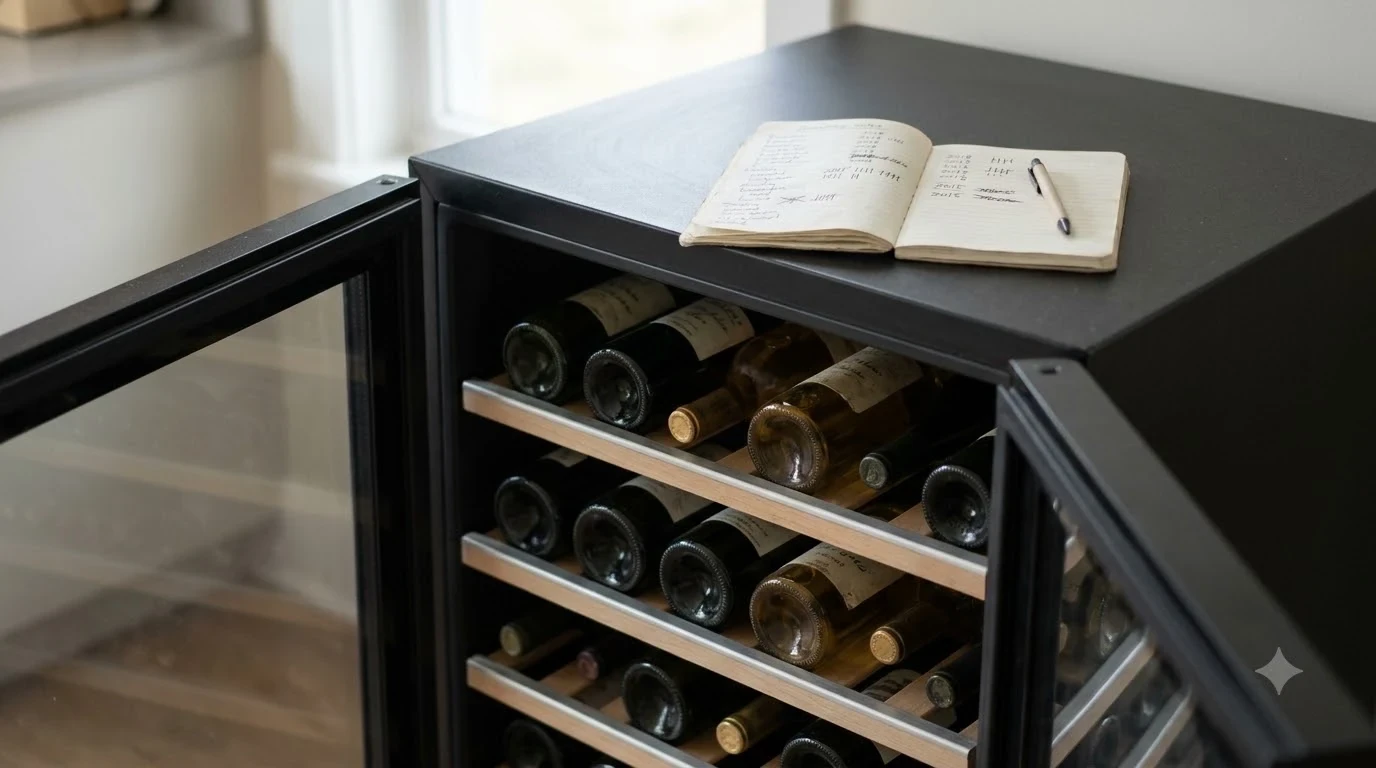
Store unopened DuMOL bottles in a cool, dark environment with a relatively stable temperature near 55 degrees Fahrenheit. Bottles with traditional cork closures should generally be stored on their sides to keep the cork from drying out. Avoid locations near ovens, sunny windows, heating equipment, or other sources of temperature fluctuation.
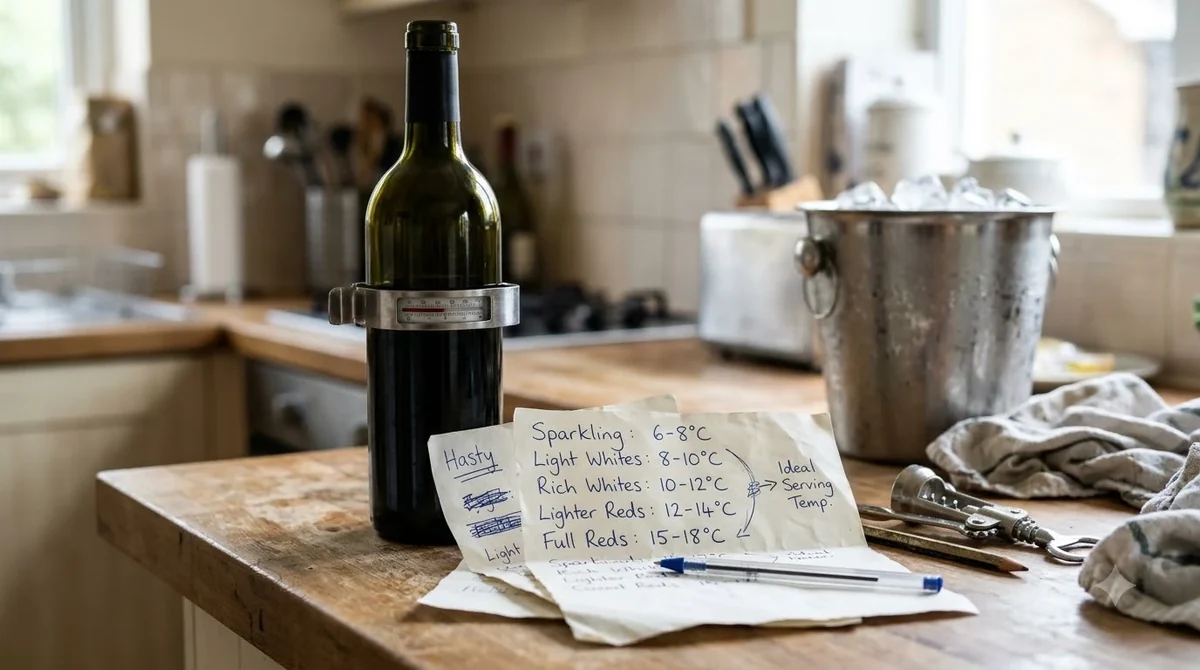
Serving temperature should reflect the wine style. DuMOL Chardonnay is generally best served around 50 to 55 degrees Fahrenheit, allowing its fruit, acidity, and texture to show without becoming excessively cold. Pinot Noir and other lighter-bodied reds are generally served around 55 to 60 degrees Fahrenheit. Fuller-bodied Cabernet Sauvignon and Syrah can be served around 60 to 65 degrees Fahrenheit.
For younger full-bodied reds, decanting for approximately 30 to 60 minutes can help the wine open up. Pinot Noir does not always require lengthy aeration, although a short period in the glass can reveal additional aromatic detail. Older bottles should be handled more cautiously because prolonged exposure to oxygen may diminish delicate developed aromas.
Food pairing can also influence the overall experience. Pinot Noir works well with roasted chicken, duck, mushrooms, and salmon, while Chardonnay can complement seafood, poultry, and creamy dishes. Syrah is a natural match for grilled lamb and savory roasted meats. Cabernet Sauvignon is particularly suited to richer beef dishes, where protein and fat can soften its tannins.
After opening, refrigerate unfinished bottles and use a suitable closure. Most still wines are best enjoyed within approximately three to five days, although their condition will depend on the wine’s age, storage, and exposure to oxygen. A premium bottle deserves the same careful handling after opening as it receives before serving.
Gift buyers should also consider presentation and transport. Avoid leaving a bottle in a hot car, particularly during summer, and allow it to settle after shipping before opening. When buying an older DuMOL vintage, ask the retailer about storage conditions and shipping protection rather than relying on the vintage designation alone.
For anyone exploring other sparkling and everyday wine categories alongside premium California bottles, La Marca Prosecco provides a contrasting example of a different wine style and purchasing occasion.
Frequently Asked Questions
Is DuMOL considered a luxury wine brand?
DuMOL occupies the premium California wine category, with a portfolio centered on vineyard-focused wines and limited seasonal releases. Its emphasis on specific growing sites and relatively small production makes it particularly attractive to enthusiasts interested in regional and vineyard comparisons. Its pricing is considerably different from that of mass-market California wine brands.
Does DuMOL make organic wine?
DuMOL describes certain estate vineyards, including MacIntyre Estate, in terms of organic farming. However, farming practices should not automatically be interpreted as certification of every wine in the portfolio. Buyers interested in a specific certification should confirm the status of the particular vineyard and release.
How many bottles does DuMOL release each year?
The winery does not provide one universal annual bottle count on the general wine listings page. Its production varies across wines and vineyards, and its releases are organized into four seasonal periods. Certain bottlings are particularly limited, and the 2024 Bressay Estate Vineyard Chardonnay is specifically described by the producer as extremely limited in production.
Can DuMOL wines be purchased outside California?
Specialist wine retailers can list DuMOL bottles for customers in different US markets, although shipping eligibility depends on the destination state’s alcohol regulations and the seller’s policies. Buyers should confirm delivery restrictions, shipping methods, and temperature protection before completing an order. Availability can differ considerably between states.
Are older DuMOL vintages suitable for long-term collecting?
Some DuMOL wines are made with aging potential, but the appropriate cellaring period depends on the specific bottling, vintage, and storage conditions. The winery’s own wine notes identify particular older vintages of Highland Divide Chardonnay and Pinot Noir as drinking especially beautifully. Collectors should evaluate provenance and bottle condition before purchasing mature wine.
DuMOL is a strong option for wine drinkers who appreciate distinctive California Pinot Noir, Chardonnay, and carefully sourced vineyard expressions. The dumol wine price depends on the individual bottling, so comparing grape varieties, vineyard designations, vintages, and retailer availability is the most practical way to find the right purchase. Start with a regional selection if you are new to the producer, then explore its more limited vineyard wines as your preferences develop.
More in Wine Brands
 Louis Latour Wine Price: Compare Bottles by Style and TierUpdated Nov 20, 2026
 Yellow Tail Moscato Price: What to Expect Before You BuyUpdated Nov 20, 2026
 Sutter Home Sweet Red Review: Find the Right Food PairingsUpdated Nov 20, 2026
 Franzia Chillable Red Review: Find the Right Serving StyleUpdated Nov 20, 2026
 Veuve Clicquot Rose Review: Flavor, Food Pairings and Buying AdviceUpdated Nov 20, 2026
 Rombauer Wine Price: Compare Bottles Before You BuyUpdated Nov 20, 2026