

We may earn a commission when you buy through links on this page, at no extra cost to you. Learn more.
This daou cabernet review finds that DAOU Cabernet Sauvignon is a strong choice for drinkers who enjoy full-bodied California reds with ripe dark fruit, approachable tannins and savory oak-influenced flavors. Its Paso Robles origins give it a distinctive combination of blackberry, cassis, cherry and herbal character. The standard Discovery Cabernet is the most accessible starting point, while Reserve offers greater concentration and extended oak aging for drinkers seeking more complexity.
DAOU has developed a recognizable Cabernet Sauvignon style built around generous fruit, a substantial palate and polished structure. However, choosing a bottle involves more than recognizing the producer’s name. Different DAOU Cabernet expressions have different aging periods, flavor profiles and intended drinking occasions. Understanding those distinctions makes it easier to choose the right bottle, serve it properly and pair it with food that complements its character.
Who This Is For
DAOU Cabernet Sauvignon is particularly suitable for people who enjoy California Cabernet but prefer generous fruit and relatively approachable tannins rather than extremely austere, tightly structured reds. Its combination of dark berries, spice and savory herbal notes provides a familiar Cabernet experience with a distinct Paso Robles personality.
One useful starting point is the distinction between everyday Cabernet drinkers and collectors seeking more structured wines. DAOU’s Discovery expression is positioned as its approachable, value-oriented Cabernet, while Reserve is designed for greater concentration and complexity. These are meaningful differences when deciding whether a bottle is intended for a casual meal, a dinner party or a more deliberate wine occasion.
Drinkers who enjoy ripe California Cabernet
People who regularly choose Cabernet Sauvignon for its blackberry, black cherry, cassis and dark chocolate flavors will recognize much of the DAOU profile. The producer’s descriptions of its wines emphasize dark fruit, herbs, spice and oak-derived nuances rather than delicate floral aromas or light-bodied freshness.
The 2021 vintage provides a useful independent reference. Wine Enthusiast awarded it 91 points and described aromas of anise, oregano, pencil shavings, blackberry and cocoa. Its tasting commentary also identified fennel pollen and roasted nut flavors, with tannins that were light but present. Those details suggest a Cabernet that retains its varietal identity without requiring an especially demanding approach to drinking.
People choosing wine for dinner
DAOU Cabernet can work well with meals built around grilled beef, roasted lamb, burgers, mushroom dishes and hard cheeses. Its dark-fruit character complements browned meat, while Cabernet’s natural tannin structure can balance the richness of fatty dishes.
It is less suitable for delicate seafood, lightly seasoned white fish or dishes dominated by chili heat. Cabernet Sauvignon generally has high tannin, and alcohol and tannin can make spicy food seem hotter. If the menu includes grilled salmon or a highly seasoned seafood dish, a lower-tannin Pinot Noir or an appropriately structured white wine may be a better match.
Who may prefer another style
People who favor light-bodied reds, pronounced acidity and subtle fruit may find DAOU Cabernet too substantial. Those who prefer sweet wines should also understand that ripe blackberry and cherry aromas do not automatically mean residual sugar. Cabernet Sauvignon is generally made as a dry red wine, and the impression of sweetness can come from ripe fruit and alcohol rather than actual sugar.
For a lighter red, Pinot Noir is a reasonable alternative. For someone who wants another recognizable California Cabernet expression, comparing DAOU with Caymus Cabernet can help clarify preferences around fruit intensity, richness and overall structure.
Key Factors to Compare
The most useful comparisons involve grape composition, oak aging, alcohol, tannin structure and flavor intensity. These characteristics explain why two bottles from the same producer can deliver noticeably different experiences.
DAOU’s standard Cabernet and its more ambitious expressions should not be treated as interchangeable. The producer publishes distinct aging information for Discovery, Reserve and Soul of a Lion, making oak treatment an especially practical comparison point.
| Comparison factor | Discovery Cabernet | Reserve Cabernet | Soul of a Lion |
|---|---|---|---|
| Region | Paso Robles | Paso Robles | Adelaida District, Paso Robles |
| Oak aging | 8 months | 18 months | 22 months |
| New French oak | 50% | 50% | 100% |
| Style | Approachable and fruit-forward | Concentrated and structured | Bordeaux-style and powerful |
| Producer’s positioning | Everyday enjoyment | Complexity and aging potential | Flagship expression |
The figures in this comparison come from DAOU’s published descriptions of its Cabernet collection. They illustrate the differences in production approach, rather than guaranteeing a particular flavor intensity in every vintage.
Grape composition and blending
Although Cabernet Sauvignon is the principal grape, the wine can include other Bordeaux varieties. This matters because blending can change the balance between fruit, acidity, tannin and texture.
Wine.com’s published composition for the 2022 DAOU Cabernet Sauvignon is 77.5% Cabernet Sauvignon, 15.6% Petit Verdot, 6.5% Merlot and 0.4% Cabernet Franc. This combination retains Cabernet as the dominant variety while incorporating grapes that can contribute additional structure, fruit character and aromatic complexity.
It is important not to assume that every vintage uses precisely the same blend. Vintage-specific composition is more useful than applying one published percentage breakdown to every bottle carrying the DAOU Cabernet Sauvignon name.
Alcohol and body
The 2021 and 2023 standard Cabernet listings provide a useful reference point: both are reported at 14.5% alcohol by volume in the sources consulted. This is a substantial red wine rather than a particularly light or low-alcohol option.
Alcohol contributes to the impression of warmth and body. Combined with concentrated dark fruit and oak influence, it can make the wine feel generous and weighty. Serving temperature matters here: a full-bodied red is generally best served around 60 to 65 degrees Fahrenheit rather than at a warm room temperature.
Independent reviews and tasting descriptions
Professional reviews are helpful, but individual tasting notes should be treated as descriptions of particular vintages rather than permanent characteristics of every DAOU bottle.
For example, Wine Enthusiast’s 91-point review of the 2021 Cabernet emphasizes anise, oregano, pencil shavings, blackberry and cocoa. The producer’s description of the 2022 Discovery emphasizes black cherry, cassis, plum, desert sage and sandalwood. These descriptions overlap in their dark-fruit and savory character while highlighting different aromatic details.
The Wine Enthusiast review of the 2021 DAOU Cabernet is particularly useful for understanding how the wine’s fruit and tannin balance appears in an independent tasting assessment.
Step-by-Step: How to Choose a DAOU Cabernet
A sensible purchase starts with the intended occasion, then moves through the wine’s style, vintage, structure and serving requirements. Following these steps helps prevent choosing a more concentrated bottle when an approachable everyday Cabernet would be more appropriate.
-
Decide what kind of occasion you are buying for.
For a casual dinner, a relaxed weekend meal or an introduction to Paso Robles Cabernet, Discovery is the logical starting point. For a more substantial dinner or a bottle intended to receive greater attention, consider Reserve. Soul of a Lion belongs in a different category, with its Bordeaux-style positioning and extended oak treatment.
-
Choose the desired level of concentration.
Discovery emphasizes ripe blackberry, cherry and subtle vanilla spice. Reserve emphasizes concentrated cassis and blackberry with espresso and integrated oak. If you prefer a more immediately accessible fruit profile, Discovery is the more straightforward choice. If you enjoy a more pronounced oak influence and deeper structure, Reserve is worth considering.
-
Compare the vintage-specific information.
Do not assume that a 2021 bottle and a 2023 bottle will taste identical. The 2021 review from Wine Enthusiast describes an herbal profile with anise, oregano and pencil-shaving aromas. The published 2022 Discovery description includes cassis, desert sage, sandalwood and blueberry compote. Such differences can affect which vintage best matches your preferences.
-
Consider the food you intend to serve.
For grilled steak, lamb chops or a rich beef stew, Cabernet’s substantial body and tannin can complement the meal. For dishes with tomato sauce, acidity matters: choose a preparation with enough richness and seasoning to balance the wine rather than an extremely sharp, acidic sauce.
-
Plan the serving temperature.
A full-bodied Cabernet is generally served at 60 to 65 degrees Fahrenheit. If the bottle has been stored in a warm kitchen, a short period of refrigeration can help bring it closer to the preferred temperature. Excessive warmth can exaggerate alcohol and reduce the impression of freshness.
-
Decide whether decanting is appropriate.
A young, full-bodied red may benefit from 30 to 60 minutes of aeration before serving. This can help soften the initial impression of tight tannin and allow aromas to become more expressive. Discovery may be enjoyable with less preparation, while a more structured bottle can benefit from additional air.
-
Compare the intended drinking window.
If the bottle will be opened shortly after purchase, choose an expression whose fruit and structure suit immediate enjoyment. If you are considering keeping a bottle, distinguish between the producer’s stated aging potential and a guaranteed drinking window. Storage conditions and the individual vintage both influence how wine develops.
These steps also help when comparing DAOU with other California Cabernet producers. Rather than relying on brand reputation alone, consider the combination of grape composition, oak treatment, alcohol and the meal being planned.
Tip: If this is your first DAOU Cabernet, start with Discovery rather than moving immediately to the more extensively aged Reserve or Soul of a Lion. It gives you a practical reference for the producer’s dark-fruit character before you decide whether you prefer additional oak influence and structure.
Types or Styles Explained
DAOU’s Cabernet range includes approachable and more ambitious expressions, with differences in aging and intended drinking experience. Understanding the distinctions is more useful than assuming that a higher-tier bottle will automatically suit every Cabernet drinker.
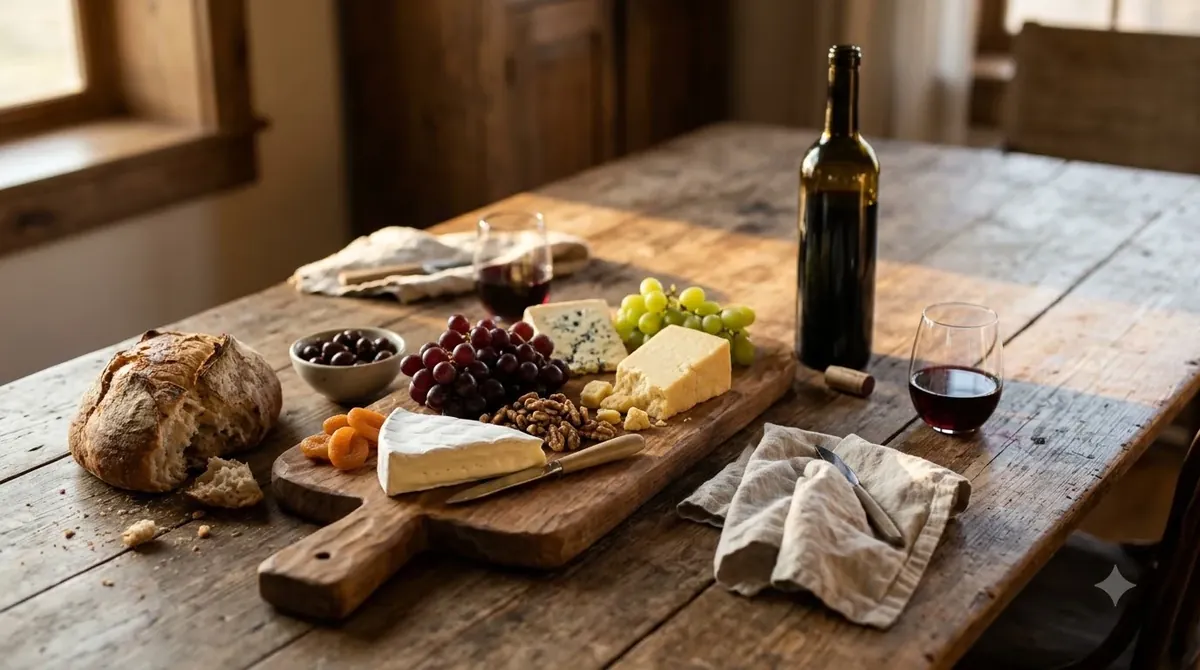
Discovery Cabernet Sauvignon
Discovery is the natural entry point for someone interested in DAOU. The producer identifies it as its most approachable and value-oriented red, emphasizing ripe blackberry, cherry, vanilla spice and smooth tannins.
Its published production description specifies 8 months of aging in French oak, with 50% new barrels. That treatment provides an oak influence without placing it in the same extended-aging category as Reserve or Soul of a Lion.
The 2022 Discovery description offers additional detail. It identifies black cherry, cassis, plum, desert sage and sandalwood on the nose, followed by black raspberry, spicy currant, blueberry compote and baking spice on the palate. Ripe, fine-grained tannins carry through to a structured finish with cherry, espresso and vanilla accents.
This is a suitable style for people who want a substantial California red that can accompany dinner without requiring a lengthy explanation of its structure. It is also a useful starting point for comparing DAOU’s other Cabernet expressions.
Reserve Cabernet Sauvignon
Reserve is positioned for drinkers who want more concentration, depth and complexity. DAOU specifies 18 months of aging in 50% new French oak, substantially longer than the 8 months listed for Discovery.
The producer identifies cassis, blackberry and espresso among its characteristic flavors, with well-integrated oak and a long finish. These characteristics make it a logical option for people who prefer richer dark-fruit flavors and a more developed oak profile.
Reserve is also the more relevant comparison for someone who enjoys structured reds with a substantial palate. However, greater aging time does not automatically mean that the wine will be better for every drinker. Someone who prefers brighter fruit and less pronounced oak may find Discovery more appealing.
Soul of a Lion
Soul of a Lion is a different level of DAOU’s range. The producer describes it as a Bordeaux-style wine from the Adelaida District of Paso Robles, with a blend-oriented approach and a more substantial oak program.
Its published aging specification is 22 months in 100% new French oak. DAOU describes black currant, tobacco and exotic spice as central elements, with a powerful structure and substantial aging potential.
This is not simply another version of the standard Cabernet. It is positioned as a flagship expression and is better suited to someone specifically seeking a more elaborate, structured wine. Drinkers who want an uncomplicated Cabernet for a casual weeknight dinner may not need this additional level of concentration.
Understanding the broader DAOU range
The differences among Discovery, Reserve and Soul of a Lion show why the label matters. All three are associated with the same producer, but the aging specifications and stylistic descriptions point toward different experiences.
Discovery is the approachable choice, Reserve emphasizes complexity, and Soul of a Lion represents the more ambitious Bordeaux-style direction. These distinctions are useful when reading producer descriptions or comparing tasting notes from different vintages.
For additional background on the producer’s wider offerings, the DAOU Cabernet collection provides a useful starting point. Readers interested in the descriptive side of the wine can also consult the site’s DAOU Cabernet tasting notes.
Common Mistakes
Many disappointing Cabernet experiences come from incorrect expectations, poor serving conditions or mismatched food. DAOU’s ripe fruit profile makes it approachable, but it remains a full-bodied Cabernet Sauvignon with meaningful alcohol and tannin.
Assuming dark fruit means sweetness
Blackberry, cassis, cherry preserve and plum can create an impression of sweetness even in a dry red wine. Aromatic fruit intensity is not the same as residual sugar.
This distinction matters when selecting wine for someone who prefers sweet beverages. A person who expects a noticeably sweet red may be surprised by Cabernet’s dry finish and tannin. A sweeter wine style would be a more appropriate selection for that preference.
Serving the wine too warm
Full-bodied reds are often served at ordinary indoor room temperature, but modern homes can be warmer than the traditional cellar conditions associated with red wine service. At temperatures above the recommended range, alcohol warmth may become more prominent and the fruit can seem less balanced.
A target of 60 to 65 degrees Fahrenheit is a more reliable starting point. Cooling a bottle briefly is often more helpful than allowing it to sit in a warm dining room for an extended period.
Pairing it with delicate fish
Cabernet Sauvignon typically has high tannin, which can clash with oily fish and delicate seafood. The resulting combination can make the wine taste harsher and the food less appealing.
Grilled beef, roasted lamb and dishes containing mushrooms are generally more suitable. If seafood is on the menu, a lighter red with lower tannin or a fresh white wine will usually be easier to pair.
Using excessive decanting time
Decanting can help a young, structured red open up, but leaving every bottle exposed to air for several hours is unnecessary. A starting point of 30 to 60 minutes is reasonable for young, full-bodied reds.
Begin with a small pour before deciding whether the wine needs additional aeration. If its fruit and savory aromas are already expressive, further waiting may not improve the experience.
Comparing different vintages as if they were identical
Vintage variation can influence aroma, texture, fruit concentration and tannin. The 2021 and 2022 tasting descriptions demonstrate why it is important to distinguish one vintage from another.
It is also a mistake to transfer the published blend percentages of the 2022 bottle to another vintage without supporting information. A wine’s identity remains recognizable, but the composition and resulting expression may change.
Care and Storage Tips
Proper storage and serving make a noticeable difference to Cabernet Sauvignon. Temperature stability, limited exposure to light and sensible handling help preserve the wine’s fruit and structure.
Store bottles in stable conditions
For longer-term storage, keep bottles in a cool, dark location near 55 degrees Fahrenheit. Avoid placing them next to ovens, heating equipment or windows with direct sunlight. Temperature fluctuations can be more damaging than a consistently cool environment that is slightly outside the ideal target.
For bottles sealed with natural cork, horizontal storage helps keep the cork in contact with the wine. This reduces the risk of the cork drying out over extended storage periods. Avoid unnecessary movement, particularly if a bottle has been stored for a considerable time.
Serve at the right temperature
DAOU Cabernet generally benefits from a serving temperature around 60 to 65 degrees Fahrenheit. This allows the wine’s dark fruit, oak and savory characteristics to remain balanced without excessive alcohol warmth.
Pouring immediately after removing a bottle from a warm storage area is not ideal. Allow it to cool gradually, then check the temperature before serving. Wine glasses with a reasonably wide bowl can also help concentrate the aromas as the wine is swirled.
Use appropriate glassware
A large red-wine glass with a broad bowl is a practical choice for Cabernet Sauvignon. The shape gives the wine room to move and provides space for aromas to collect above the liquid.
A standard wine pour is approximately 5 ounces. A 750 ml bottle therefore provides about five standard glasses. For a dinner with several courses, smaller initial pours allow guests to revisit the wine without filling their glasses too heavily.
Decant when appropriate
Young, full-bodied Cabernet can benefit from 30 to 60 minutes in a decanter. This is particularly useful when the first pour seems closed or when the tannins feel firm.
Decanting also provides an opportunity to observe how the wine changes with air. Try a small taste immediately after opening, then another after approximately 30 minutes. The comparison helps determine whether additional aeration is useful for that particular bottle.
Preserve opened bottles
After opening, reseal the bottle and refrigerate the remaining wine. Even red wines generally last longer when stored in the refrigerator after exposure to air because cooler temperatures slow oxidation.
Still wines commonly remain enjoyable for approximately 3 to 5 days after opening, although the precise period depends on the wine and storage conditions. Before serving again, allow the bottle to move toward the recommended drinking temperature.
For bottles intended to be kept for several years, storage conditions are especially important. Do not assume that a more expensive or extensively aged DAOU expression will automatically improve in an ordinary kitchen cupboard. A stable wine-storage environment is more important than the label’s prestige.
Frequently Asked Questions
Is DAOU Cabernet Sauvignon vegan?
Vegan suitability cannot be established from the grape variety or tasting description alone. Winemaking fining agents can include animal-derived materials, and practices can differ between wines and vintages. Contact DAOU directly for confirmation about the particular bottle and its production methods.
Does DAOU Cabernet Sauvignon contain sulfites?
DAOU Cabernet Sauvignon is a conventional wine, and sulfites are a normal consideration in wine production. Wine.com identifies sulfites in its product information for the wine. Bottles sold in the United States may also carry the applicable sulfite declaration when required.
Can DAOU Cabernet Sauvignon be used for cooking?
Yes, a dry Cabernet can be used in recipes such as beef braises, red-wine pan sauces and slow-cooked short ribs. Its dark-fruit and savory characteristics can complement rich meat dishes. Use a wine whose flavor you enjoy drinking, and reduce it gradually rather than adding a large quantity of wine to a finished sauce.
How many servings are in a DAOU Cabernet bottle?
A standard 750 ml bottle contains approximately 25.4 US fluid ounces. At a conventional 5-ounce serving, that works out to roughly five glasses with a small amount left over. Smaller tasting pours can provide more individual servings at a dinner gathering.
Does DAOU Cabernet Sauvignon require a special wine opener?
A conventional corkscrew or two-pronged wine opener is generally sufficient for a standard cork-sealed bottle. A double-hinged waiter’s corkscrew is a practical option because it provides leverage while keeping the opening process controlled. Older corks may require extra care because they can become fragile during removal.
DAOU Cabernet Sauvignon is a compelling option for drinkers who enjoy full-bodied California reds with ripe dark fruit, savory detail and substantial structure. Discovery is the sensible starting point for an approachable bottle, while Reserve and Soul of a Lion offer more extensive oak aging and more ambitious styles. Choosing the right expression, serving it at the proper temperature and pairing it with rich, savory food will help make the most of what DAOU’s Paso Robles Cabernet range offers.
More in Wine Brands
 19 Crimes Cali Red Price: What to Expect and How to BuyUpdated Nov 21, 2026
 Louis Latour Wine Price: Compare Bottles by Style and TierUpdated Nov 20, 2026
 Yellow Tail Moscato Price: What to Expect Before You BuyUpdated Nov 20, 2026
 Sutter Home Sweet Red Review: Find the Right Food PairingsUpdated Nov 20, 2026
 Franzia Chillable Red Review: Find the Right Serving StyleUpdated Nov 20, 2026
 Veuve Clicquot Rose Review: Flavor, Food Pairings and Buying AdviceUpdated Nov 20, 2026