

We may earn a commission when you buy through links on this page, at no extra cost to you. Learn more.
The typical DAOU Cabernet price is about $25 to $35 for a standard 750 ml bottle, while Reserve Cabernet generally costs about $55 to $65. Premium bottlings such as Soul of a Lion and Patrimony occupy a considerably higher price tier. The right purchase depends on the specific wine, vintage, retail availability, and how much concentration and aging potential you want from your Cabernet Sauvignon.
DAOU has developed a recognizable following for its Paso Robles Cabernet Sauvignon, a California red associated with generous dark fruit, structured tannins, and savory oak characteristics. However, the name covers several distinct wines rather than one uniform bottle. Understanding the differences between the standard Cabernet, Reserve, Soul of a Lion, and Patrimony makes it easier to compare retail prices and decide whether a particular bottle fits your occasion and budget.
Who This Price Guide Is For
This guide is for wine shoppers comparing DAOU Cabernet Sauvignon bottles before purchasing, whether they want an approachable dinner wine or a more ambitious bottle for a special occasion. Knowing the portfolio’s different price levels helps prevent paying premium-wine money for a bottle that offers a different experience than expected.
DAOU is associated with Paso Robles, California, and its Cabernet Sauvignon portfolio includes wines with different levels of selection, concentration, and positioning. The standard Cabernet is generally the logical starting point for someone who enjoys full-bodied California reds. Reserve is intended for drinkers seeking a more structured and concentrated expression, while the estate-level wines occupy a separate premium category.
Shoppers who are unfamiliar with the producer should begin by exploring the Wine Brands category to understand how winery portfolios are organized. A producer’s entry-level, Reserve, and estate collections do not necessarily represent interchangeable versions of the same wine. They can involve different fruit selections, production choices, and intended drinking occasions.
Price comparisons are particularly useful for people who already enjoy Cabernet Sauvignon but are deciding between Paso Robles and other California regions. A wine’s retail cost alone does not establish quality. Vintage, alcohol level, blend composition, oak treatment, availability, and personal taste all influence whether a purchase makes sense.
It is also important to distinguish a winery’s suggested or direct retail pricing from the price at a particular American wine shop. Shipping costs, state alcohol regulations, retailer inventory, and vintage availability can change the final amount. A bottle listed at one store may not be available at the same price in another state.
Key Factors That Affect DAOU Cabernet Price
The main factors are the specific collection, vintage, vineyard selection, and retail channel. A standard bottle, Reserve Cabernet, and estate-level release should be compared as separate purchases rather than treated as identical wines at different prices.
| Wine category | Typical US retail range | General buying purpose |
|---|---|---|
| Standard DAOU Cabernet Sauvignon | About $25–$35 | Regular dinners and entertaining |
| DAOU Reserve Cabernet Sauvignon | About $55–$65 | More concentrated, structured Cabernet |
| Soul of a Lion | About $140–$160 | Premium occasions and collecting |
| Patrimony Cabernet Sauvignon | About $250–$300 | Luxury purchases and special collections |
These are approximate US retail ranges, not guaranteed winery prices. DAOU’s official portfolio lists its 2023 standard Cabernet at $26 and its 2022 Reserve at $60. Wine Enthusiast also lists the 2023 standard Cabernet at $30 and the 2023 Reserve at $60. Those published examples support the approximate ranges, although prices vary by state and retailer. Shoppers can consult DAOU’s official Cabernet Sauvignon portfolio to compare its collection descriptions and listed releases.
The premium categories require a different budget. DAOU’s official portfolio lists its 2023 Patrimony Cabernet Sauvignon at $275, while retail listings for Soul of a Lion can place a bottle around $140 to $160. These premium examples are useful reference points, but allocations, vintage differences, and limited availability can move the actual retail cost. Prices vary by state and retailer.
Collection and grape selection
Collection placement is one of the most useful indicators of where a bottle sits within the DAOU portfolio. The winery describes its main DAOU Selection as wines sourced from Paso Robles. Its Reserve Collection uses fruit from Paso Robles AVAs selected for the expression of individual varietals. Patrimony is a separate estate collection with a stronger emphasis on concentrated fruit characteristics.
These distinctions help explain why two bottles bearing the same winery name can have substantially different retail prices. More selective fruit sourcing and positioning within a premium collection can change the production economics and the intended market for a wine. However, a higher collection tier is not automatically the right choice for every Cabernet drinker.
Vintage and bottle availability
Vintage is another important consideration. Grapes are harvested under different weather conditions, and those conditions can influence ripeness, acidity, tannin development, and the overall balance of a finished Cabernet Sauvignon. Two bottles from different harvest years may therefore offer noticeably different experiences.
Limited quantities can also affect pricing. Older vintages sometimes become difficult to find, while current releases may be distributed more widely. A retailer may price an older bottle differently because of its availability rather than because it necessarily tastes better.
Retailer and location
American alcohol distribution varies by state. Some retailers operate in several states, while others focus on local customers. Taxes, delivery restrictions, shipping fees, and local inventory can produce noticeable differences in the final purchase cost.
Compare the price of the same wine, vintage, and bottle size. Comparing a 375 ml bottle with a 750 ml bottle, or comparing standard Cabernet with Reserve, can create a misleading impression of savings. The label and vintage should be treated as essential parts of the comparison.
Step-by-Step: How to Find the Right DAOU Bottle
A good purchase starts with the standard Cabernet and moves upward only if the additional complexity and price serve a clear purpose. Following a few straightforward steps can help shoppers avoid confusing different collections or paying more than necessary.
-
Identify the exact wine.
Start by determining whether the bottle is standard DAOU Cabernet Sauvignon, Reserve Cabernet Sauvignon, Soul of a Lion, or Patrimony. These names refer to different portfolio positions. Do not rely on the DAOU name alone when comparing listings.
-
Confirm the vintage.
Record the harvest year shown on the bottle or retailer listing. For example, the 2023 standard Cabernet and 2023 Reserve have separate published Wine Enthusiast reviews. Their differences should be evaluated independently rather than assumed to come from collection placement alone.
-
Compare bottle sizes.
A standard 750 ml bottle provides approximately five 5 oz servings. A 375 ml half-bottle provides approximately two and a half servings, while a 1.5 L magnum holds twice the wine of a standard bottle. Calculate the cost per 750 ml equivalent when comparing different formats.
-
Establish your budget.
Use the standard Cabernet’s approximate $25 to $35 range as a starting point. If you are considering Reserve, plan for approximately $55 to $65. Move into premium estate bottlings only when their characteristics and occasion justify the additional expenditure.
-
Read the tasting description.
Look for dark fruit, black cherry, blackberry, plum, cocoa, espresso, tobacco, and herbal notes. These characteristics help indicate whether the wine suits your preferences. Someone who prefers lighter, more delicate reds may find a full-bodied Paso Robles Cabernet too powerful.
-
Check the blend and alcohol level.
Cabernet Sauvignon can be blended with other Bordeaux varieties. Kroger’s listed DAOU bottling, for example, identifies 80.4% Cabernet Sauvignon, 11.5% Petit Verdot, 7.8% Merlot, and 0.3% Cabernet Franc. Its listed alcohol level is 14.5% ABV.
-
Compare reputable retailers.
Check at least two or three established retailers selling the same vintage. Look at the total purchase cost, shipping conditions, and bottle size rather than choosing solely by the first displayed price.
-
Choose according to the occasion.
Standard Cabernet is a sensible choice for a weeknight steak dinner or a casual gathering. Reserve is more appropriate when a structured red is the focus of a meal, while premium releases are suited to occasions where their additional cost is part of the experience.
Tip: Compare identical vintages and bottle sizes before deciding that one DAOU retailer offers better value. A lower price on a different vintage or a half-bottle does not establish that you are getting the same wine for less.
Once you have identified the bottle, consider how soon you intend to drink it. A young, structured Cabernet can benefit from aeration, while an older bottle may require more careful handling because of sediment and its stage of development.
Types of DAOU Cabernet Sauvignon Explained
DAOU’s Cabernet portfolio ranges from approachable Paso Robles wine to more concentrated Reserve and premium estate selections. The standard Cabernet is the practical starting point, while Reserve and the upper-tier releases serve shoppers with different expectations and budgets.
Standard DAOU Cabernet Sauvignon
The standard Cabernet is the most straightforward place to begin. It offers the recognizable characteristics associated with California Cabernet Sauvignon: dark berry fruit, noticeable structure, oak influence, and a substantial palate. Its position in the portfolio makes it suitable for shoppers who want a recognizable winery bottling without moving into premium collection pricing.
Retailer descriptions of the wine include cherry, blackberry jam, black raspberry, pomegranate, dark chocolate, tobacco leaf, and desert sage. The 750 ml bottling described by Kroger is listed at 14.5% ABV and is identified as a full-bodied red with fine-grained tannins.
Wine Enthusiast’s review of the 2023 standard Cabernet identifies cherry, toasted wood, red flower, thyme, blackberry, and mocha. The publication lists that vintage at $30 and gives it 91 points. This provides a useful independent reference for shoppers assessing the standard wine’s positioning. Read the Wine Enthusiast review of the 2023 DAOU Cabernet Sauvignon for its full tasting assessment.
For a closer look at the bottle’s flavor profile, read our DAOU Cabernet tasting notes. Comparing aroma descriptions with your own preferences is a more useful way to decide whether the wine fits your palate than relying on price alone.
DAOU Reserve Cabernet Sauvignon
Reserve is the next major step in the Cabernet portfolio. DAOU describes its Reserve Collection as sourcing grapes from Paso Robles AVAs that produce an appropriate expression of each varietal. The winery also explains that it works closely with vineyards to maintain its fruit-quality standards.
The 2023 Reserve Cabernet reviewed by Wine Enthusiast is listed at $60 for a 750 ml bottle, with 15.2% ABV and a score of 93 points. The tasting description includes black plum, roasted walnut, wood spice, blackberry, pepper, and nut flavors. Its structured character makes it an interesting option for drinkers who prefer more substantial reds.
The distinction between standard and Reserve should be considered in terms of the complete drinking experience. Reserve costs more, but that does not mean every buyer will prefer it. Someone who wants a generous, fruit-forward wine for ordinary dinners may be perfectly satisfied with the standard bottling.
Soul of a Lion
Soul of a Lion occupies a premium position in the DAOU portfolio. The official winery portfolio associates this wine with the Adelaida District of Paso Robles and presents it as an estate-level Cabernet-focused wine. Its positioning is considerably more exclusive than that of the regular DAOU Selection.
The premium cost makes more sense for collectors, experienced Cabernet drinkers, and people purchasing a centerpiece bottle for a significant occasion. It is not a necessary upgrade for someone who simply wants a reliable Paso Robles Cabernet to accompany dinner.
Availability is another consideration. Estate-level releases may be sold through restricted allocations or limited retail channels. A shopper comparing different vintages should consider provenance and storage history, especially when evaluating older bottles.
Patrimony Cabernet Sauvignon
Patrimony represents a particularly high-end part of the portfolio. DAOU’s official website lists its 2023 Patrimony Cabernet Sauvignon at $275. The winery describes its estate fruit in terms of high phenolic compounds, which contribute to the wine’s color, taste, and texture.
This is a substantially different purchase from a standard bottle. Patrimony is aimed at shoppers who specifically want a luxury Cabernet and are comfortable spending several times the amount associated with the main DAOU Selection.
Its price should be evaluated alongside vintage, provenance, availability, and the occasion. A luxury bottle is not automatically the most enjoyable option for someone whose preferences lean toward softer, more approachable reds.
Common Mistakes When Comparing DAOU Cabernet Prices
The biggest shopping mistake is comparing different DAOU wines as though they were the same product. Bottle size, vintage, collection, and retailer pricing all matter, and overlooking any of these details can lead to an inaccurate comparison.
Confusing standard Cabernet with Reserve
The standard Cabernet and Reserve are different portfolio offerings. Their price difference reflects more than a simple label change. DAOU describes its Reserve sourcing and production approach separately from its primary selection.
Shoppers should therefore avoid treating the lowest advertised price for any DAOU Cabernet as the market price for all DAOU Cabernet wines. A listing for standard Cabernet cannot establish the value of Reserve, Soul of a Lion, or Patrimony.
Assuming the most expensive bottle is always best
Wine preference is subjective. Some drinkers enjoy a bold Cabernet with concentrated black fruit and noticeable oak, while others prefer more restrained fruit and softer tannins. The higher price of a premium wine does not guarantee that its particular style will suit every palate.
A useful comparison is between the standard 2023 Cabernet and the 2023 Reserve. Wine Enthusiast describes different aromatic and structural characteristics for each. The standard bottling features cherry, blackberry, and mocha, while the Reserve description emphasizes black plum, roasted walnut, pepper, and a firmer structure.
Ignoring the vintage
A retailer’s product photograph may show a different vintage from the one being sold. This is particularly relevant for online listings, where bottle images can remain unchanged as inventory changes. Always distinguish the actual wine being offered from the photograph used to represent it.
Vintage also matters when considering an older bottle. Storage conditions and the wine’s development over time can influence its current drinking condition. A previous vintage is not automatically better merely because it has spent more time in a bottle.
Comparing different bottle sizes
A half-bottle may appear less expensive than a standard bottle, but it contains only 375 ml. A magnum contains 1.5 L, equivalent to two standard 750 ml bottles. Comparing total prices without accounting for volume can distort the perceived value.
For a meaningful comparison, convert each bottle to a standard 750 ml equivalent. This makes it easier to compare the same wine across different packaging formats and retailers.
Overlooking shipping and local availability
Online wine purchases can involve shipping restrictions, adult-signature requirements, delivery fees, and state-specific alcohol regulations. These factors can make an apparently inexpensive bottle more expensive by the time it reaches the buyer.
Some retailers also display prices for products that are unavailable in particular locations. Confirming inventory before planning a purchase avoids confusion and helps establish a realistic total cost.
Serving and Storage Tips for DAOU Cabernet Sauvignon
Proper serving and storage help preserve the wine’s aromas, fruit character, and structure. A full-bodied Cabernet generally shows better balance when served slightly cooler than typical room temperature and given enough time to open in the glass.
Serving temperature
Serve DAOU Cabernet Sauvignon at approximately 60 to 65 degrees Fahrenheit. This range is appropriate for fuller-bodied red wines and helps balance the impression of alcohol, fruit, oak, and tannin.
Serving Cabernet too warm can make the alcohol feel more pronounced and can reduce the wine’s freshness. If the bottle has been stored in a warm room, place it in the refrigerator briefly before serving. Avoid serving it directly from a warm kitchen or near a heat source.
Decanting and aeration
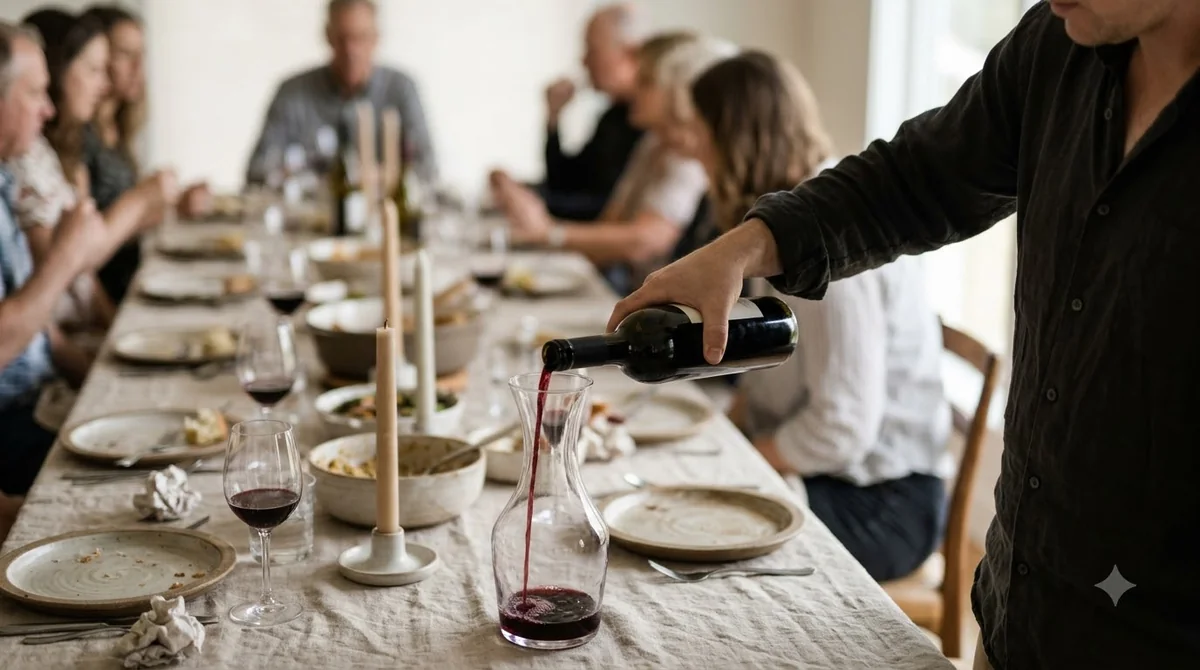
A young, full-bodied red such as a structured Cabernet Sauvignon can benefit from approximately 30 to 60 minutes of decanting. Exposure to air can help soften the initial impression of tannin and make the wine’s fruit and savory aromas more expressive.
Decanting is not mandatory for every bottle. A standard DAOU Cabernet poured into a large wine glass may open sufficiently during dinner. Reserve and premium bottlings may benefit from additional aeration when young, depending on their structure and the vintage.
Food pairings
Cabernet Sauvignon is a natural companion for foods with substantial flavor and protein. The wine’s tannins and body can work particularly well alongside grilled beef, roasted lamb, braised short ribs, and savory pasta dishes.
Salt and fat can soften the perception of tannin, which explains why a structured Cabernet often works with a well-marbled steak. Grilled mushrooms, aged hard cheeses, and dishes containing roasted herbs can also complement its savory characteristics.
For a simple meal, pair DAOU Cabernet with grilled ribeye, roasted potatoes, and sautéed mushrooms. For a pasta dinner, choose a tomato-based sauce with beef or sausage rather than a delicate seafood preparation. Highly acidic foods generally need wines with comparable acidity, so a particularly sharp sauce may make a full-bodied Cabernet seem less fresh.
Very spicy dishes deserve some caution. Chili heat can become more noticeable alongside alcohol and tannin. Similarly, oily fish is generally a less comfortable match for tannic reds than grilled beef or roasted vegetables.
Storing an unopened bottle
Store unopened bottles in a cool, dark environment with a reasonably stable temperature. Around 55 degrees Fahrenheit is a useful target for longer-term wine storage. Keep bottles away from direct sunlight, temperature fluctuations, and appliances that generate heat or vibration.
For bottles sealed with natural cork, horizontal storage helps maintain contact between the wine and cork. This is particularly relevant if the wine is being held for an extended period rather than opened shortly after purchase.
Preserving an opened bottle
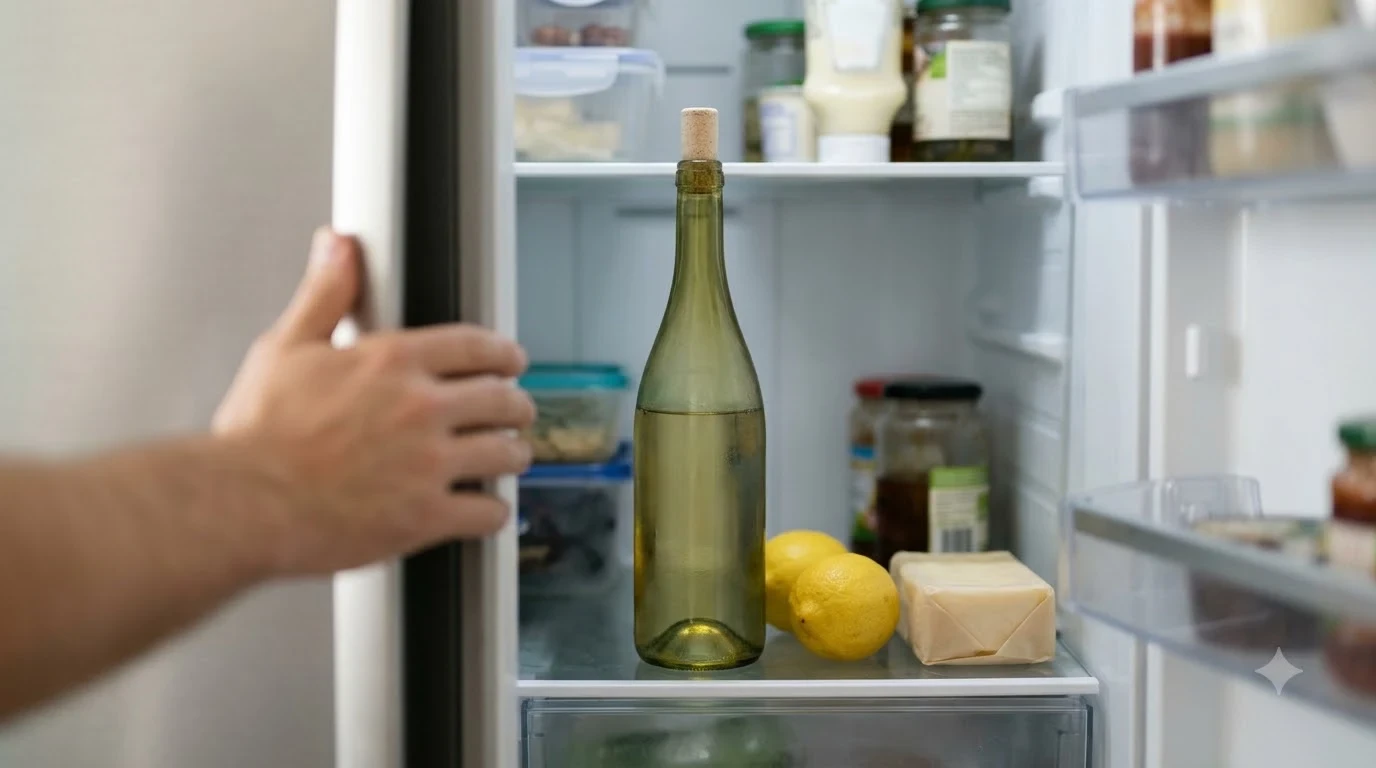
After opening, replace the closure and refrigerate the remaining wine. Most opened still wines retain their best qualities for approximately three to five days, although the exact period depends on the wine, storage conditions, and exposure to oxygen.
Before serving the remaining Cabernet again, allow it to warm gradually toward its preferred serving temperature. Refrigeration slows oxidation, but it does not stop the wine from changing. If the aromas become noticeably dull or the fruit tastes stale, the bottle may have passed its best drinking window.
Frequently Asked Questions
Is DAOU Cabernet Sauvignon a dry wine?
Yes. DAOU Cabernet Sauvignon is generally presented as a dry red wine rather than a sweet dessert-style wine. Ripe fruit aromas such as blackberry and cherry can create an impression of sweetness without indicating substantial residual sugar. The wine’s tannins and oak characteristics also contribute to its overall impression of dryness.
Does DAOU Cabernet Sauvignon contain sulfites?
Wine naturally contains sulfites, and additional sulfites may be used during winemaking to help protect wine from oxidation and microbial spoilage. The presence of sulfites is not unique to DAOU or to Cabernet Sauvignon. Bottled wine labeling requirements in the United States include a sulfite declaration when total sulfur dioxide reaches the applicable regulatory threshold.
How many calories are in a glass of DAOU Cabernet?
The exact calorie content depends on the particular vintage, alcohol concentration, and residual sugar. A typical 5 oz serving of dry red wine at approximately 14% to 15% alcohol is often estimated at roughly 120 to 130 calories. This is a general wine estimate rather than a laboratory-confirmed nutritional value for a specific DAOU bottling.
Can DAOU Cabernet Sauvignon be purchased in a half-bottle?
Some DAOU Cabernet releases are offered in 375 ml formats. A half-bottle contains approximately two and a half standard 5 oz servings. Availability varies by vintage and retailer, so the format should be confirmed before ordering rather than assumed from a standard bottle listing.
Does DAOU Cabernet Sauvignon have a screw cap or cork closure?
Closure type can vary by bottling and format. Retail listings and bottle photographs may not always show the exact packaging supplied, particularly when retailers reuse images across vintages. Contacting the retailer before purchasing is the most reliable way to confirm the closure if it is important for storage, transport, or serving plans.
For most shoppers, standard DAOU Cabernet Sauvignon offers the most practical introduction to the producer, while Reserve is a worthwhile comparison for those who prefer more concentrated structure. Soul of a Lion and Patrimony serve a more premium audience with different expectations and budgets. Compare the exact vintage, collection, and bottle size before purchasing, and choose the wine that best matches your taste and occasion.
More in Wine Brands
 Louis Latour Wine Price: Compare Bottles by Style and TierUpdated Nov 20, 2026
 Yellow Tail Moscato Price: What to Expect Before You BuyUpdated Nov 20, 2026
 Sutter Home Sweet Red Review: Find the Right Food PairingsUpdated Nov 20, 2026
 Franzia Chillable Red Review: Find the Right Serving StyleUpdated Nov 20, 2026
 Veuve Clicquot Rose Review: Flavor, Food Pairings and Buying AdviceUpdated Nov 20, 2026
 Rombauer Wine Price: Compare Bottles Before You BuyUpdated Nov 20, 2026