

We may earn a commission when you buy through links on this page, at no extra cost to you. Learn more.
The dahlonega wine trail is a scenic route through North Georgia’s mountain wine country, linking estate vineyards, tasting rooms, and winery restaurants around Dahlonega, Georgia. The local tourism bureau describes a 39-mile scenic drive that takes about 1 hour and 15 minutes without extended stops. The area includes the Dahlonega Plateau American Viticultural Area (AVA), where mountain conditions support European grapes, French hybrids, and American varieties. Plan for two or three winery visits, allow time for a meal, and arrange a sober driver before you begin.
Rather than a single attraction or walking path, the trail is a way to organize visits among separate wineries and downtown tasting rooms. You can focus on vineyard scenery, compare regional grapes, or make a longer weekend of wine, food, and Dahlonega’s historic square.
What the Dahlonega Wine Trail Covers
The Dahlonega wine trail centers on Dahlonega and nearby Lumpkin County in the foothills of the Blue Ridge Mountains. Discover Dahlonega describes a 39-mile scenic route with an estimated drive time of 1 hour and 15 minutes, while its winery directory lists eight wineries and 12 tasting rooms in the area.
Those numbers describe a regional collection, not a continuous walking path. Some tasting rooms are downtown; vineyard estates sit outside the center along country roads and hillsides. The visitor bureau identifies seven downtown tasting rooms in the National Register historic district, making the square a useful starting or ending point. Spend part of the day in town, then choose one or two vineyards for the landscape and production setting.
Know the difference between a winery, vineyard, and tasting room. An estate winery may grow grapes, make wine, and serve it on the property; a tasting room may pour wines made elsewhere or operate as a satellite location. The area also has Etowah Meadery, a honey-wine producer rather than a grape-wine estate. The 1-hour-15-minute figure is driving time, not a full day of tastings and meals, so leave space between stops.
For a broader explanation of American wine regions and designations, the site’s Wine Regions resource can help put the Dahlonega Plateau in context.
How the Dahlonega Plateau Shapes Local Wine
The Dahlonega Plateau AVA gives the area a recognized growing identity, with topography and climate that distinguish it from much of the surrounding Southeast. The federal Alcohol and Tobacco Tax and Trade Bureau established the 133-square-mile AVA in portions of Lumpkin and White counties in 2018; it is not located inside another established AVA.
Wine Enthusiast describes the plateau as sitting just above 1,500 feet, with clay-loam soils that provide drainage and enough sun exposure to help grapes ripen. Elevation moderates heat, while warm days and cooler mountain nights can help grapes develop flavor while retaining acidity. The result is not one uniform wine style: a vineyard’s slope, aspect, drainage, grape choice, and cellar decisions all influence the bottle.
An AVA is a geographic origin designation, not a quality score or a promise that every wine tastes alike. The federal TTB announcement establishing the Dahlonega Plateau AVA explains the designation and its geographic purpose.
Vintage conditions vary. Wine Enthusiast notes that warm January and February periods can be followed by late freezes in March or April, making budburst a sensitive time for growers. The region grows European vinifera, French hybrids, and American grapes across more than 100 planted acres and nine vineyards. Ask which wines use estate-grown fruit to connect the glass with the vineyard around you.
Which Wineries to Put on Your Route
Choose wineries by the kind of visit you want instead of trying to check every name off a list. Three Sisters, Frogtown, Wolf Mountain, Montaluce, Kaya, and Cavender Creek offer different combinations of vineyard setting, wine list, food, and hospitality.
Three Sisters Vineyards and Winery
Three Sisters is a useful stop for visitors interested in estate-grown Georgia fruit. Wine Enthusiast reports that Sharon and Doug Paul co-founded the family winery in 1995 and that it makes wines from Georgia-grown fruit, including grapes from 20 acres in Lumpkin County. Its range includes red, white, rosé, and sparkling wines. Cabernet Franc, Merlot, and Cynthiana Norton account for about 10 acres, while Chardonnay, Vidal Blanc, Pinot Noir, Pinot Blanc, and Touriga Nacional are among the other reported varieties.
Frogtown Cellars
Frogtown is a strong option for visitors curious about a broad estate planting. Explore Georgia reports 44 acres of vines and more than 25 grape varieties, including Cabernet Sauvignon, Chardonnay, and Viognier. That range lets tasters compare familiar international grapes grown in North Georgia.
Wolf Mountain, Montaluce, Kaya, and Cavender Creek
Wolf Mountain is known for a European-influenced approach and a winery setting with a cellar and wine-focused dining. Montaluce pairs winery visits with an on-site restaurant, while Kaya offers another vineyard setting on the Dahlonega circuit. Cavender Creek provides a more informal farm-winery option. Food service, live music, tours, and special events vary by property and day, so confirm hours and policies directly. Explore Georgia’s visitor information notes that Wolf Mountain requires reservations for groups of more than eight. Check official winery websites for current contact details, services, and opening schedules, and build the day around the producer you most want to visit.
What to Taste in North Georgia
A Dahlonega tasting is an opportunity to compare European grapes, French hybrids, and American varieties in one region. Ask which wines use estate-grown fruit and which varieties are currently available, then compare the same grape across producers when possible.
Cabernet Franc is a useful grape to seek out because it appears in Three Sisters’ reported estate planting and is grown in North Georgia. It can show red-fruit character, herbal notes, and enough structure for grilled foods, although ripeness and winemaking style change the result. Merlot generally has medium tannin and a softer feel, making it approachable with roast chicken, pork, or mushroom dishes. Cabernet Sauvignon, listed among Frogtown’s plantings, usually has higher tannin and a firmer structure; pair it with substantial protein-rich food rather than delicate fish. Chardonnay is a useful white-wine comparison because it can range from crisp and restrained to fuller-bodied and oak-influenced. Its acidity is typically medium, so a fresh version can work with roast chicken, creamy dishes, or richer fish. Viognier, another variety associated with Frogtown’s plantings, is often aromatic and fuller in texture, suiting herbs and gentle spice. Vidal Blanc, Pinot Blanc, and Touriga Nacional are other grapes identified in the Three Sisters estate mix, so ask whether any are poured as single-variety wines or as blends.
Do not overlook Cynthiana, also known as Norton. Wine Enthusiast identifies it as part of Three Sisters’ plantings and notes its reputation as a Southern counterpart to Cabernet Sauvignon. You may also encounter muscadine or fruit wines as part of Georgia’s wider wine tradition. Muscadine is native to the Southeast and historically important in the state, but it is stylistically different from Cabernet Franc or Chardonnay. Taste each on its own terms instead of expecting all Georgia wines to share one profile.
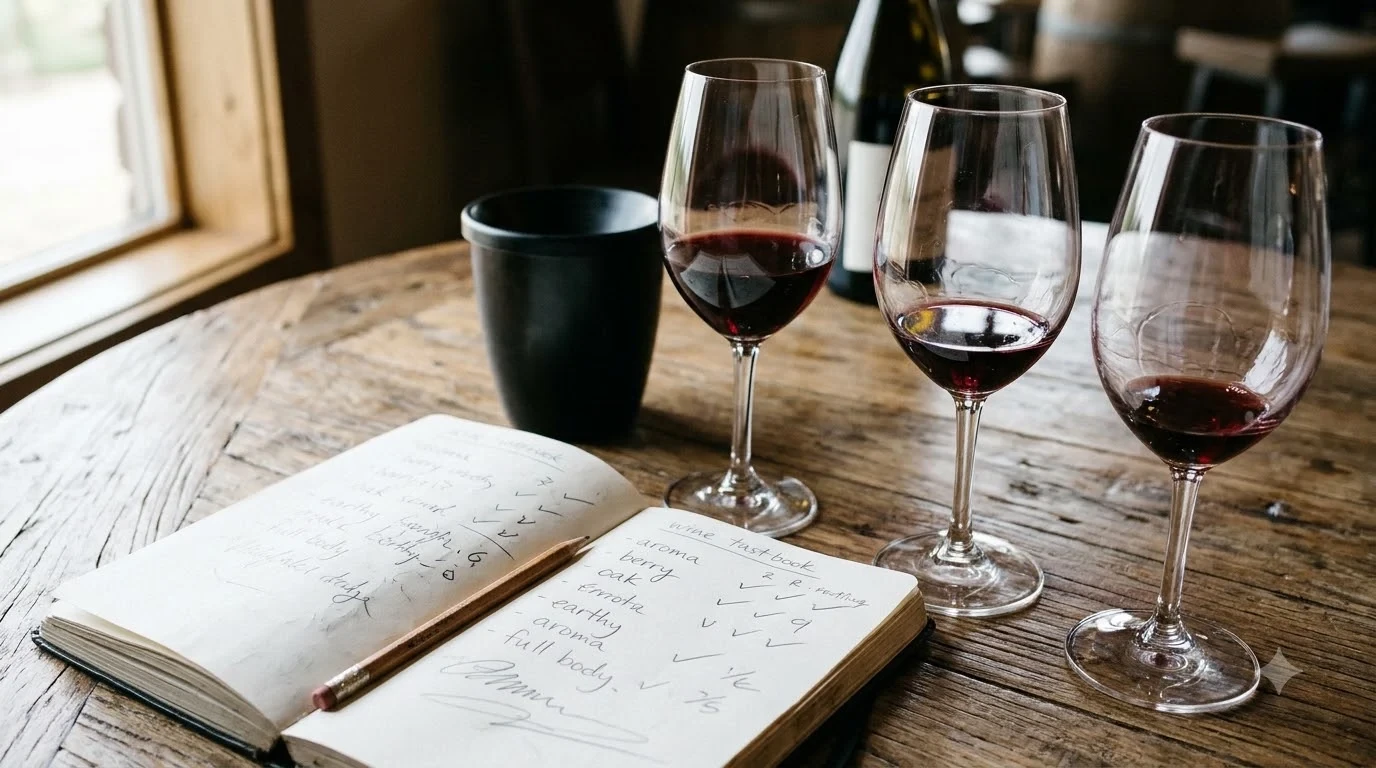
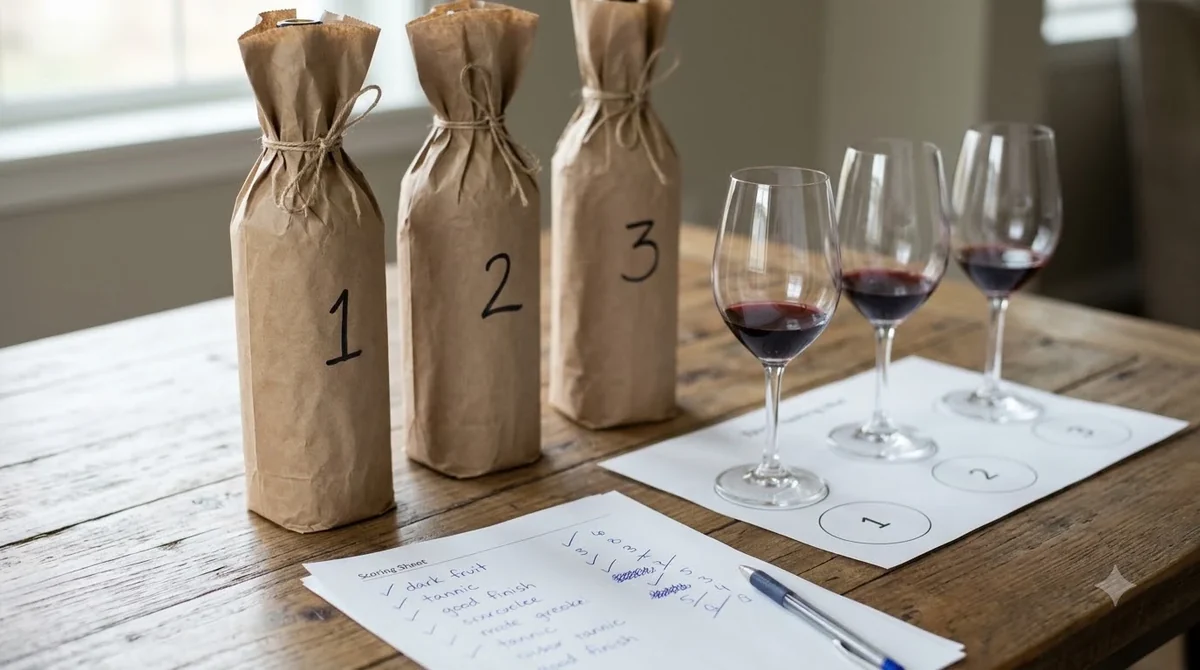
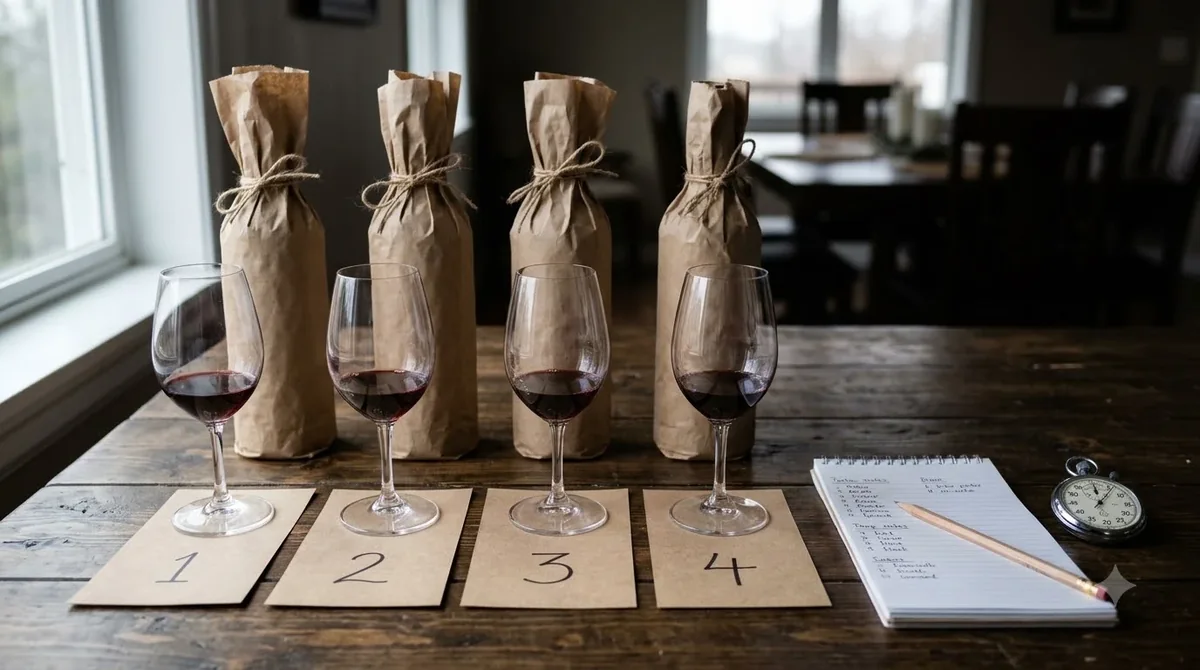
For a focused flight, compare one white, one rosé, and two reds from different producers. Note acidity, tannin, body, and finish. High-acid whites pair well with tangy foods, while salt and fat soften tannin. A dessert wine should be at least as sweet as the food; chili heat can feel stronger beside high-alcohol or tannic wines. For another eastern U.S. itinerary, see the Charlottesville wine trail.
How to Plan a One-Day Itinerary
Build a one-day visit around two or three winery stops rather than racing through the entire 39-mile scenic route. A manageable schedule leaves room for a relaxed tasting, lunch, time outdoors, and short drives between properties.
Begin in downtown Dahlonega if you want an easy introduction to local wine and a look at the historic square. With seven downtown tasting rooms identified by the visitor bureau, you can compare regional pours without immediately committing to a longer drive. This is also a practical place to pick up visitor information or adjust the day if the weather changes. Keep the first tasting modest if you plan to visit estates later, and do not try to fit every tasting room into one afternoon.
For the middle of the day, select one or two estate wineries that match your priorities. Three Sisters or Frogtown may suit visitors interested in vineyard plantings, while Montaluce or Wolf Mountain may appeal to guests who want to combine wine with a meal. If scenery is the priority, choose a property with outdoor seating or a view and allow time to enjoy it. Ask ahead about tours, food service, accessibility, and reservations; a standard tasting and a guided vineyard visit are not always the same offering.
Leave the afternoon flexible because tasting rooms may have different closing times and a long lunch can shift the schedule. Return to the square for dinner or shopping, or make a final stop at a winery you particularly enjoyed. For a weekend visit, spread appointments across two days and add local history or outdoor activities. Plan transport as carefully as the winery list: a designated driver should remain alcohol-free, or arrange a commercial tour or another safe way between stops. Do not assume rideshare service will be available at every rural property; confirm pickup arrangements before the first tasting. The 1-hour-15-minute drive is not the total time required for a day out. Seasonal events can change the feel of the route: Discover Dahlonega highlights an annual Dahlonega Wine Trail Weekend in August, when participating wineries offer coordinated sampling. Expect more planning around crowds and transportation, or choose an ordinary tasting day for a quieter visit.
Tip: Choose your must-visit winery first, confirm its hours and booking rules, and add no more than two other stops. This leaves room for a meal and prevents one delayed tasting from disrupting the day.
Food Pairings, Serving Temperatures, and Bottle Care
Food makes regional wines easier to understand, especially when a tasting moves from crisp whites to fuller reds. Match weight and intensity first, then use acidity, sweetness, tannin, salt, and spice to fine-tune the pairing.
Try a fresh white or rosé with salads, grilled chicken, trout, or vegetable dishes. Chardonnay’s medium acidity can handle richer sauces, while aromatic Viognier can complement herbs and gentle spice. Cabernet Franc and Merlot suit grilled pork, roast poultry, burgers, or mushrooms, depending on the wine’s body. A more tannic Cabernet Sauvignon calls for substantial food with protein and fat. Oily fish can clash with tannic reds, while acidic food needs a wine with equal or greater acidity or the wine may taste flat. Serve wine cool enough to preserve freshness, but not so cold that its aromas disappear; the ranges below are practical targets for common styles. If a tasting room pours a wine at a different temperature, let it warm slightly in the glass before judging it.
| Wine style | Serving temperature | Useful examples |
|---|---|---|
| Sparkling | 40–50°F | Traditional-method sparkling wines |
| Light whites and rosé | 45–50°F | Pinot Blanc, crisp rosé |
| Full-bodied whites | 50–55°F | Fuller Chardonnay |
| Light reds | 55–60°F | Lighter Pinot Noir |
| Full-bodied reds | 60–65°F | Cabernet Sauvignon, structured blends |
| Sweet whites | 43–50°F | Sweet aromatic whites |
A standard pour is about 5 ounces, so a 750-milliliter bottle provides roughly five glasses. Store bottles on their sides in a cool, dark place near 55°F when they have natural cork closures and are intended for keeping. Avoid a sunny counter, a hot car, or repeated temperature swings. During a summer visit, keep purchases out of direct sunlight and never leave bottles in a parked vehicle while sightseeing.
After opening, refrigerate still wines and aim to finish them within three to five days. Sparkling wine generally keeps for one to three days with a suitable stopper, while fortified wines can last several weeks. A young, full-bodied red may benefit from 30 to 60 minutes in a decanter. When buying bottles to take home, note the producer, grape, vintage, and style while the details are fresh; also record the food you enjoyed with the wine.
Frequently Asked Questions
How do you pronounce Dahlonega?
Wine Enthusiast gives the pronunciation as “duh-lah-neeguh.” The name comes from a Cherokee word meaning “yellow” or “gold,” a reference connected with the area’s gold history.
Why is Dahlonega associated with the Georgia gold rush?
Dahlonega was the primary location of Georgia’s first gold rush in 1829. The town’s mining history remains an important part of its identity, so visitors can pair wine tasting with local history museums and historic sites.
Is the Dahlonega Plateau Georgia’s only wine AVA?
No. Wine Enthusiast identifies the Upper Hiwassee Highlands AVA, shared with North Carolina, as Georgia’s other AVA. The two regions offer different mountain-growing areas to explore within the state.
Can a visitor include mead in a Dahlonega tasting day?
Yes. Etowah Meadery is part of the local wine-and-drink scene and makes mead from honey, fruit, and spices. Mead is a fermented honey-based drink rather than grape wine, so it offers a different comparison from a Cabernet Franc or Chardonnay tasting.
How much of an AVA wine must come from its named region?
For an American wine to use a specific AVA name on its label, at least 85 percent of the grapes must come from that AVA. The rule helps establish geographic origin, while the wine’s grape variety, sweetness, and production method remain separate labeling details.
The Dahlonega wine country is best enjoyed at a measured pace: choose a few producers, taste across the region’s grape varieties, and leave space for mountain scenery and a good meal. With advance planning and safe transportation, the trail makes an inviting introduction to Georgia’s growing wine identity.
More in Wine Regions
 Willcox Wine Trail: Discover Arizona’s High-Elevation Wine CountryUpdated Nov 20, 2026
 Yakima Valley Wine Region: Find the Best Styles to TryUpdated Nov 20, 2026
 Vosne Romanee Wine Tasting: Identify Aromas and Choose Better PairingsUpdated Nov 20, 2026
 Yakima Valley Wine Festival: Find the Best Seasonal Wine EventsUpdated Nov 20, 2026
 Wales Vineyards: Discover Cool-Climate Wines and Where to VisitUpdated Nov 20, 2026
 Yountville Wine Festival: Discover Napa Wines and Local FoodUpdated Nov 20, 2026