

We may earn a commission when you buy through links on this page, at no extra cost to you. Learn more.
The crete wine region is one of Greece’s most distinctive wine-producing areas, known for indigenous grapes such as Vidiano, Vilana, Kotsifali, and Liatiko, diverse mountain vineyards, and historic appellations. Located on Greece’s largest island, Crete combines a warm Mediterranean climate with cooling sea breezes, limestone and schist soils, and vineyards at elevations that can exceed 800 meters. Its wines range from fresh, aromatic whites to structured red blends and traditional sweet bottlings, offering a different expression of Greek wine beyond the country’s better-known mainland and island varieties.
Crete has an unusually long relationship with wine. The island’s winemaking tradition reaches back to Minoan civilization, while centuries of Mediterranean trade helped establish its wines beyond Greece. Although the industry experienced significant disruption during the 20th century, renewed attention to native grapes has brought new interest to its vineyards. Understanding the island’s geography, grape varieties, appellations, and food culture makes it easier to recognize what distinguishes a bottle of Cretan wine and which styles are worth exploring first.
Crete’s Geography and Mediterranean Vineyard Climate
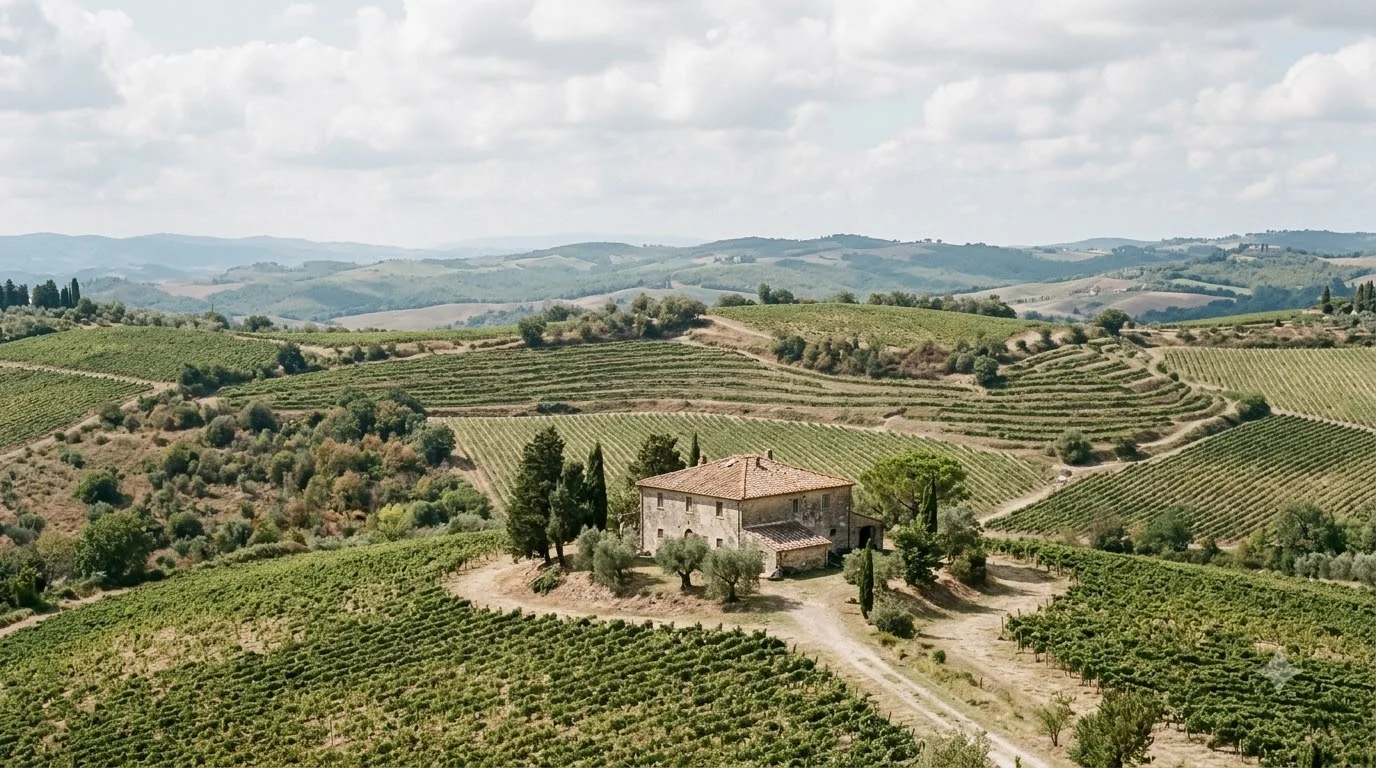
Crete’s wine identity begins with its varied landscape. Mountain ranges, elevated plateaus, coastal vineyards, and fertile valleys create different growing conditions across the island, allowing indigenous grapes to develop a range of aromatic and structural characteristics.
Crete sits in the southern Aegean Sea, between the Greek mainland and the North African coast. Its mountainous interior influences rainfall, wind exposure, and vineyard temperatures. The island’s limestone and schist soils provide different growing environments, while the Cretan Sea and Libyan Sea influence vineyards along the northern and southern coasts.
Although summers are hot and dry, not every Cretan vineyard experiences the same conditions. Higher elevations provide cooler nights and can help grapes retain acidity during the growing season. Some vineyards sit above 500 meters, with certain plantings reaching approximately 800 meters or higher. These differences matter particularly for aromatic white varieties such as Vidiano, Vilana, and Dafni.
Mountain vineyards also help explain why Cretan wine cannot be described by a single flavor profile. A white wine from an elevated vineyard may show brighter acidity and more restrained fruit, while grapes grown in warmer conditions can develop riper aromas and fuller body. Red varieties likewise respond differently to altitude, sunlight, and soil composition.
The island’s principal wine-growing areas include Heraklion in central Crete, Lasithi in the east, Rethymno, and Chania in the west. Heraklion is especially important because several established appellations and well-known producers operate in its surrounding countryside. Peza, Archanes, and Dafnes are among the best-known wine areas in this part of the island.
Crete’s geography also helps explain the coexistence of traditional and international grape varieties. Syrah, Merlot, Cabernet Sauvignon, and Sauvignon Blanc grow alongside native grapes, but the indigenous varieties remain the most distinctive reason to explore the region.
For comparison, the Savoie wine region also demonstrates how mountainous geography can influence wine style. Crete, however, combines Mediterranean warmth with significant differences in elevation and coastal exposure, creating a particularly broad range of wine expressions.
A Wine History Dating Back to Minoan Civilization
Crete’s winemaking tradition stretches back thousands of years, making it one of the historically significant wine regions of the Mediterranean. Minoan archaeological sites, medieval trade connections, and modern vineyard restoration all contribute to the island’s present-day wine identity.
Archaeological evidence links wine production to the Minoan civilization of the Bronze Age. Sites such as Knossos and Phaistos contain remains associated with wine production and storage, suggesting that wine played an important role in the island’s economy and social life. Ancient wine presses and storage installations provide additional evidence of organized winemaking.
Wine remained important through later periods of Cretan history. During Byzantine rule, religious communities and monasteries helped preserve agricultural and winemaking traditions. Venetian rule, which extended from the 13th through the 17th centuries, expanded the island’s commercial connections. During the 14th and 15th centuries, Venetian merchants helped distribute Cretan wines across European markets.
Sweet and fortified wines became particularly important in the island’s historic reputation. Muscat and Malvasia-based wines were among the styles associated with Mediterranean trade. Their popularity reflected the commercial importance of wines that could travel and retain their character over longer journeys.
The modern industry experienced serious setbacks. According to Wine Enthusiast, phylloxera damaged most of Crete’s historic vineyards during the 1970s. Subsequent agricultural decisions encouraged extensive planting of Vilana, reducing attention to some of the island’s other indigenous varieties.
Renewed interest in native grapes gradually changed that direction. Producers began exploring Vidiano, Plytó, Dafni, and other varieties that had received comparatively little attention. This movement helped establish a more diverse identity for contemporary Cretan wine, with producers emphasizing individual grape characteristics, vineyard location, and more carefully defined wine styles.
The island’s historical connection to wine is therefore not simply a matter of ancient archaeology. It continues to influence the grapes that producers cultivate and the styles they choose to bottle. Traditional varieties now appear in both classic blends and modern single-variety wines.
Indigenous White and Red Grapes to Know
Crete’s indigenous grapes are the strongest starting point for understanding its wines. Vidiano and Vilana lead the white-wine conversation, while Kotsifali, Mandilari, and Liatiko are particularly important among the reds.
Vidiano
Vidiano is widely regarded as Crete’s flagship white grape. It produces wines with a relatively full texture, aromatic complexity, and fruit characteristics that can include apricot, peach, citrus, and pear. Some examples also show floral, herbal, or mineral notes.
Its combination of fruit richness and freshness makes Vidiano especially versatile at the table. Depending on vineyard conditions and winemaking choices, it can produce a relatively fresh white or a fuller-bodied wine with a creamy texture. Some producers also use oak aging to add another dimension.
Vilana
Vilana is one of Crete’s traditional white grapes and has historically been widely planted across the island. It generally produces lighter, fresh wines with citrus and orchard-fruit characteristics. Lemon, pear, and subtle floral notes are common descriptors.
Vilana is a useful introduction for drinkers who enjoy straightforward Mediterranean whites. Its refreshing character makes it suitable for seafood, salads, grilled vegetables, and lighter appetizers. It also appears in blends, including wines associated with Peza.
Dafni and Plytó
Dafni is an aromatic white variety named after the laurel plant, whose herbal character provides a useful comparison for understanding its distinctive aroma. Its wines can show savory, botanical notes that distinguish them from more familiar citrus-driven Mediterranean whites.
Plytó is a relatively rare indigenous grape that has received renewed attention from producers. It is associated with refreshing acidity, lemon aromas, and lighter-bodied wines. Its revival illustrates the broader effort to preserve Cretan varieties that were once at risk of disappearing from commercial vineyards.
Thrapsathiri and Other Aromatic Whites
Thrapsathiri is widely cultivated in Crete and produces balanced wines with substantial flavor. It is particularly important in white wines associated with Sitia. Depending on the blend and growing conditions, its character can complement the freshness of other local grapes.
Muscat of Spina and Malvasia di Candia provide another dimension. Both are aromatic varieties associated with scented wines, including dry and sweet styles. Their floral and fragrant qualities connect modern Cretan production with the island’s historic reputation for aromatic wines.
Kotsifali, Mandilari, and Liatiko
Kotsifali is a soft, fruit-driven red grape often associated with plum-like aromas. Its relatively gentle structure makes it an important component of traditional Cretan red blends. It is sometimes compared with Merlot because of its supple fruit character.
Mandilari, also called Mandilaria or Mantilari, provides a contrasting profile. It contributes stronger tannin, color, and structure, making it a natural partner for Kotsifali. Together, these grapes form the foundation of important red wines from Peza and Archanes.
Liatiko is an ancient red variety with a lighter color than many international red grapes. It produces aromatic, spicy wines that can range from medium-bodied dry bottlings to sweet wines. Its versatility is particularly visible in Dafnes and Sitia.
Romeiko deserves attention as well. It produces lively reds and is traditionally associated with Marouvas, a distinctive Cretan wine with a Sherry-like character. The variety’s relatively high alcohol and unusual traditional production style make it a fascinating part of the island’s wine heritage.
These grapes provide a practical tasting sequence: begin with Vilana, move to Vidiano, compare Kotsifali with Liatiko, and finish with a structured Kotsifali-Mandilari blend. This progression highlights the differences between the island’s fresh whites, aromatic reds, and more structured bottlings.
The Main Cretan PDO Appellations
Crete’s protected wine appellations identify particular geographical areas and traditional production styles. Peza, Archanes, Dafnes, and Sitia are four especially important PDO names, each associated with characteristic grape varieties.
PDO stands for Protected Designation of Origin. It identifies wines produced under defined geographical and production requirements. The designation helps consumers understand where a wine comes from and which regional traditions shape its production.
The four traditional areas provide a useful introduction to the island’s wine geography:
Peza
Peza is located southeast of Heraklion and is one of the island’s most important wine-producing areas. Its PDO wines include white wines based on Vilana and red wines made from Kotsifali and Mandilari. The official Wines of Greece profile of PDO Peza explains the appellation’s geographical boundaries, permitted grapes, and production styles.
The area’s red wines demonstrate how blending can balance fruit and structure. Kotsifali contributes softness and ripe fruit, while Mandilari supplies tannin and additional structure. Peza is therefore a good place to begin exploring traditional Cretan red wine.
Archanes
Archanes lies south of Heraklion and is particularly associated with dry red wines based on Kotsifali and Mandilari. Its wines illustrate the traditional relationship between the two varieties.
The contrast between their characteristics is important. Kotsifali provides approachable fruit and warmth, while Mandilari contributes more pronounced tannin and structure. The resulting wines can offer a combination of supple fruit and firmer red-wine character.
Dafnes
Dafnes is southwest of Heraklion and is especially associated with Liatiko. Both dry and sweet styles are part of its regional identity.
Dry Liatiko can show red-fruit, spice, and herbal characteristics, while sweet versions connect the appellation with Crete’s historic dessert-wine tradition. The grape’s naturally lighter color makes its aromatic and structural qualities particularly important when evaluating these wines.
Sitia
Sitia occupies the eastern part of Crete, in the Lasithi regional area. Its wine traditions include red Liatiko and white wines involving Vilana and Thrapsathiri, as well as other permitted varieties and styles.
Sitia is particularly interesting for drinkers who want to explore the range of Liatiko. Both dry and sweet wines demonstrate how one indigenous grape can produce significantly different expressions.
| PDO area | Location | Important grapes | Typical wine styles |
|---|---|---|---|
| Peza | Heraklion | Vilana, Kotsifali, Mandilari | Dry white and red |
| Archanes | Heraklion | Kotsifali, Mandilari | Dry red |
| Dafnes | Heraklion | Liatiko | Dry red and sweet red |
| Sitia | Lasithi | Liatiko, Vilana, Thrapsathiri | Dry and sweet red, white |
These four appellations are a useful introduction rather than an exhaustive list of protected Cretan wine names. Wine Enthusiast also identifies Malvasia Sitia-Lasithi and Handakas-Candia, including Malvasia Handakas-Candia, among the island’s six PDO districts. These additional designations demonstrate the broader geographical and stylistic diversity of Cretan wine.
There is also PGI Crete, or Protected Geographical Indication Crete. This designation allows a broader range of wines and grape combinations than the more tightly defined PDO appellations. It is particularly relevant to producers experimenting with indigenous and international varieties in contemporary blends.
Modern Cretan Wine Styles and Producers
Contemporary Cretan wine combines traditional grapes with modern vineyard management and winemaking. The result is a selection of fresh whites, textured whites, aromatic reds, structured blends, rosés, and sweet wines.
White wine is an important part of the island’s current identity. Vidiano is a particularly good example of the move toward more distinctive regional bottlings. Its combination of apricot, citrus, and fuller texture makes it suitable for both casual drinking and more substantial meals.
Vilana provides a contrasting style. Its lighter body and citrus character make it suitable for warm-weather drinking, particularly alongside seafood and vegetable-based dishes. Wines made from Dafni and Plytó offer additional aromatic interest for consumers who want to explore less familiar varieties.
Red wines range from softer, fruit-forward expressions of Kotsifali to more structured blends incorporating Mandilari. Liatiko occupies a separate position because it can produce relatively elegant dry reds as well as sweet bottlings. These wines show why Cretan reds should not automatically be associated with heavy body or deep color.
International grapes also play a role. Syrah and Merlot, for example, can be blended with Kotsifali to produce wines that combine familiar international characteristics with local identity. Sauvignon Blanc and other international white varieties also appear in the broader regional wine landscape.
Producers Worth Recognizing
Several wineries have contributed to the modern reputation of Cretan wine. Douloufakis is particularly associated with the development and promotion of indigenous varieties, including Vidiano and Liatiko. Its wines have helped introduce these grapes to international consumers.
Lyrarakis is another important name for anyone interested in the island’s native grape diversity. The producer has played a role in bringing attention to varieties such as Dafni and Plytó, helping demonstrate their potential as distinctive single-variety wines.
Alexakis is another producer worth recognizing. Its wines include bottlings that combine indigenous grapes with international varieties, illustrating the range of approaches used by contemporary Cretan winemakers.
These producers represent different approaches rather than a single regional formula. Some emphasize individual grape varieties, others focus on traditional blends, and some experiment with vineyard sites, fermentation methods, and maturation. Comparing their wines can reveal how different winemaking decisions affect the expression of the same indigenous grape.
For additional regional context, the Wine Regions collection provides a useful way to compare Crete with other wine-producing areas. Its identity is especially interesting alongside the Tasmania wine region, where cool-climate conditions also play an important role in shaping distinctive regional wine styles.
Cretan Food Pairings, Serving Temperatures, and Storage
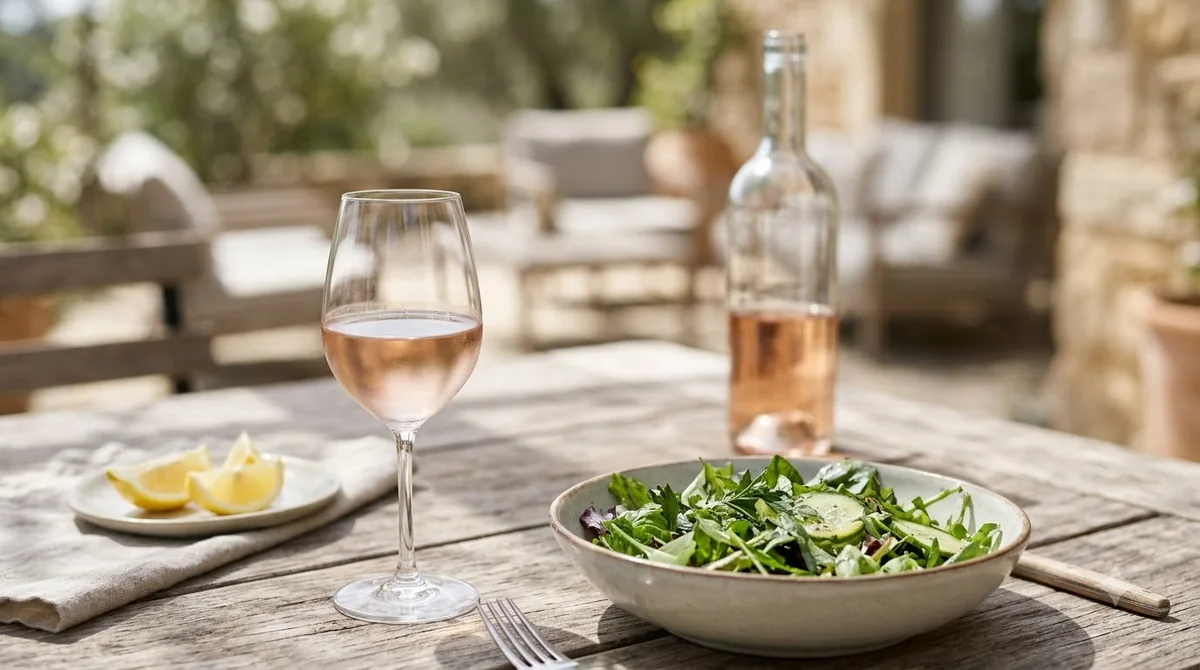
Cretan wines work particularly well with Mediterranean cooking because their acidity, fruit, and aromatic character complement seafood, vegetables, herbs, grilled meats, and local cheeses. Matching the weight of the wine to the food is the easiest way to build successful pairings.
Vidiano is an excellent partner for grilled fish, roasted chicken, and seafood dishes with olive oil and herbs. Its fuller texture can stand up to richer preparations without overwhelming delicate flavors. A moderately rich Vidiano also works well with grilled vegetables, particularly zucchini, eggplant, and peppers.
Vilana is a natural match for lighter dishes. Try it with grilled sea bass, shrimp, calamari, Greek salads, and fresh cheeses. Its citrus-driven profile works particularly well when the dish includes lemon, fresh herbs, or olive oil.
Dafni and Plytó are interesting choices for herb-driven dishes. Their aromatic character can complement oregano, thyme, parsley, and other Mediterranean seasonings. They also pair well with vegetable appetizers, fresh salads, and lightly seasoned seafood.
For red wines, Kotsifali-based bottlings pair well with grilled lamb, roast chicken, tomato-based dishes, and moderately seasoned pork. Its softer tannin and ripe fruit make it more flexible than a heavily structured red. Kotsifali-Mandilari blends work particularly well with grilled lamb chops, roasted meats, and dishes featuring concentrated tomato sauces.
Liatiko is a useful option for roasted vegetables, grilled meats, and dishes with Mediterranean spices. Its medium-bodied character means it can work with food that might overpower a delicate white but does not necessarily require a powerful red.
Sweet Liatiko and other dessert wines should be paired with food that is no sweeter than the wine. Fruit desserts, honey-based pastries, and almond sweets can work particularly well. A dessert that is sweeter than the wine can make the wine seem thin or overly acidic.
Serving Temperatures
Temperature makes a noticeable difference to the balance and aroma of Cretan wines. Serving whites too cold can suppress their aromatic character, while serving reds too warm can make alcohol seem more pronounced.
Use these general temperature ranges as a starting point:
| Wine style | Serving temperature | Suggested Cretan example |
|---|---|---|
| Light-bodied white | 45-50°F | Vilana |
| Fuller-bodied white | 50-55°F | Vidiano |
| Rosé | 45-50°F | Cretan dry rosé |
| Light-bodied red | 55-60°F | Elegant Liatiko |
| Fuller-bodied red | 60-65°F | Kotsifali-Mandilari blend |
| Sweet white | 43-50°F | Sweet Malvasia style |
Storage and Opening
Store unopened bottles in a cool, dark location with a relatively stable temperature near 55°F. Bottles sealed with natural cork should generally be stored horizontally to keep the cork from drying out. Avoid direct sunlight, frequent temperature changes, and storage near heat-producing appliances.
Once opened, most still Cretan wines remain in good condition for approximately three to five days when refrigerated and properly resealed. Sparkling wines generally last one to three days with an appropriate stopper. Fortified wines can remain enjoyable for several weeks, depending on their style and storage conditions.
Tip: If you are opening a young, structured Kotsifali-Mandilari red, allow approximately 30-60 minutes of decanting before serving. For Vidiano, begin with a moderate white-wine temperature rather than serving it straight from an especially cold refrigerator. This helps reveal the wine’s fruit and aromatic complexity.
Food and serving choices can also help explain why Cretan wine deserves attention beyond its historical interest. Its indigenous grapes are suited to the island’s cuisine, where olive oil, seafood, herbs, vegetables, and grilled meats are everyday ingredients rather than occasional pairings.
Frequently Asked Questions
Is Crete the oldest wine region in Greece?
Crete is among Greece’s oldest documented winemaking areas, with evidence of wine production associated with the Minoan civilization. Archaeological discoveries at Vathypetro, near Heraklion, include an ancient wine press that provides evidence of organized winemaking during the Bronze Age. The island’s long history does not mean it was Greece’s only early wine-producing area, however.
Can you find organic and natural wines from Crete?
Yes. Some Cretan producers work with organic viticulture and lower-intervention winemaking approaches. However, these practices are not universal across the island, and natural wine is not a protected regional designation. Consumers interested in these styles should look for explicit producer information about vineyard certification, fermentation, and sulfur additions.
What is Marouvas wine?
Marouvas is a traditional Cretan wine associated with the indigenous Romeiko grape. It has a distinctive oxidative character and is often compared with Sherry because of its unusual aromatic and structural profile. It represents a separate historical tradition from the island’s more familiar fresh whites and modern dry reds.
Does Crete produce sparkling wine?
Crete’s best-known regional identity centers on still white, red, rosé, and sweet wines rather than sparkling wine. Nevertheless, sparkling bottlings can be found among the broader range of Greek wine production, including wines made outside traditional Cretan PDO styles. The grape variety and production method determine the resulting style.
When can visitors attend the Open Doors winery event?
The Greek National Tourism Organisation identifies May as the annual period for Crete’s Open Doors winery event. Participating wineries welcome visitors for tastings, vineyard walks, and opportunities to learn about production. Individual winery participation and opening arrangements can vary, so visitors should confirm schedules directly before arranging transportation.
The Crete wine region offers much more than a long history: its indigenous grapes, contrasting vineyard elevations, and distinctive PDO appellations create wines with a clear Mediterranean identity. Start with Vidiano and Vilana for whites, then explore Kotsifali, Mandilari, and Liatiko to understand the island’s reds. For anyone interested in discovering lesser-known European wine regions, Crete is an especially rewarding place to begin.
More in Wine Regions
 Willcox Wine Trail: Discover Arizona’s High-Elevation Wine CountryUpdated Nov 20, 2026
 Yakima Valley Wine Region: Find the Best Styles to TryUpdated Nov 20, 2026
 Vosne Romanee Wine Tasting: Identify Aromas and Choose Better PairingsUpdated Nov 20, 2026
 Yakima Valley Wine Festival: Find the Best Seasonal Wine EventsUpdated Nov 20, 2026
 Wales Vineyards: Discover Cool-Climate Wines and Where to VisitUpdated Nov 20, 2026
 Yountville Wine Festival: Discover Napa Wines and Local FoodUpdated Nov 20, 2026