

We may earn a commission when you buy through links on this page, at no extra cost to you. Learn more.
Connecticut wine region offers cool-climate wines shaped by three AVAs, coastal influence, and upland vineyards across the state. Its wineries make crisp whites, structured reds, rosé, sparkling wine, and fruit-based specialties. Compare coastal and inland vineyards, then taste the grapes that thrive in each setting.
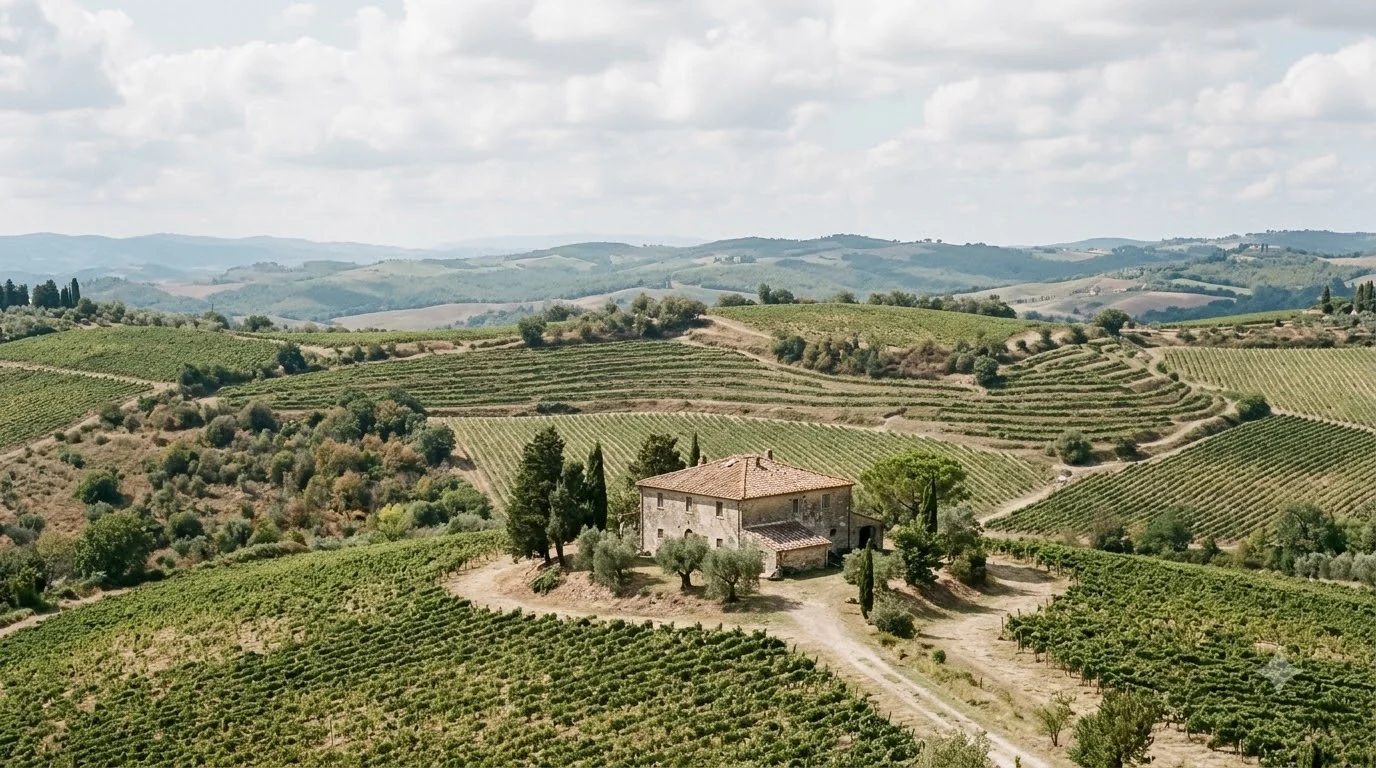
Connecticut may be better known for its shoreline and small farms than for vineyards, but grape growing has deep roots here. The modern industry expanded after the state made farm winemaking legal, combining familiar European grapes with hybrids bred for cold, damp conditions. That gives Connecticut a distinct New England identity rather than a smaller copy of a warmer wine region.
Climate and Soils Shape Connecticut Wine
Connecticut’s wines reflect a cool, humid growing environment moderated by water and varied by elevation. Long Island Sound, the Atlantic coast, and the Connecticut River Valley create local differences in temperature, growing-season length, and exposure.
Near Long Island Sound, maritime influence can soften temperature extremes and slow summer ripening, helping grapes retain acidity. The Southeastern New England AVA extends beyond Connecticut into Rhode Island and Massachusetts, sharing this coastal character. For another cool coastal growing area, compare the Tasmania wine region. Wine Enthusiast’s overview of New England’s maritime wine regions explains why the shoreline matters to grape growing.
Move inland and the picture changes. Western Connecticut Highlands has a short growing season and soils that include sandstone, shale, and basalt. In the east, elevated sites and mineral schist create another combination of drainage, exposure, and soil character. Cold air drains downhill, so a vineyard on a slope can avoid some of the frost pockets that affect lower ground. Moisture is also important: Connecticut’s wet climate can increase fungal disease and mildew pressure, making canopy management and careful grape selection essential. A grape that succeeds on a breezy slope may need more protection in a sheltered, humid hollow, so growers match varieties to individual sites.
Three AVAs Define the Connecticut Wine Region
Three American Viticultural Areas connect Connecticut to place-based wine labeling: Southeastern New England, Western Connecticut Highlands, and Eastern Connecticut Highlands. They do not all sit wholly inside the state, and they describe growing areas rather than guaranteeing a particular grape or flavor.
A federal AVA is distinguished by geographic or climatic features; Connecticut has two single-state AVAs, while Southeastern New England is shared with Rhode Island and Massachusetts. An AVA is an origin designation, not a quality ranking or a promise that every wine from the area tastes alike. The TTB’s established AVA list provides official county coverage.
| AVA | Recognition | Geographic footprint | Growing clues |
|---|---|---|---|
| Southeastern New England | 1984 | Connecticut, Rhode Island, and Massachusetts | Coastal influence and moderated temperatures |
| Western Connecticut Highlands | 1988 | Fairfield, Hartford, Litchfield, and New Haven counties | About 1 million acres; cool, short growing season |
| Eastern Connecticut Highlands | 2019 | Hartford, Middlesex, New Haven, New London, Tolland, and Windham counties | About 1,246 square miles; upland and rocky sites |
Southeastern New England is the broad coastal designation. In Connecticut, it covers the southern part of the state east of Interstate 91 and south of Routes 80 and 82. Established in 1984, it is the earliest of the three AVAs associated with Connecticut. Western Connecticut Highlands followed in 1988, covering Litchfield and parts of Fairfield, New Haven, and Hartford counties; its roughly 1 million acres include sandstone, shale, and basalt soils. Cabernet Franc, Chardonnay, Pinot Noir, Seyval Blanc, and Vidal Blanc are associated with this cool, short-season area.
Eastern Connecticut Highlands became an AVA in 2019 and covers about 1,246 square miles across six counties. Vineyards can reach elevations approaching 1,000 feet, and rocky terrain and mineral schist are notable features. Riesling is an important point of comparison for this cool-climate area, although slope, exposure, and vineyard practice still shape individual wines.
Grapes Adapted to New England Conditions
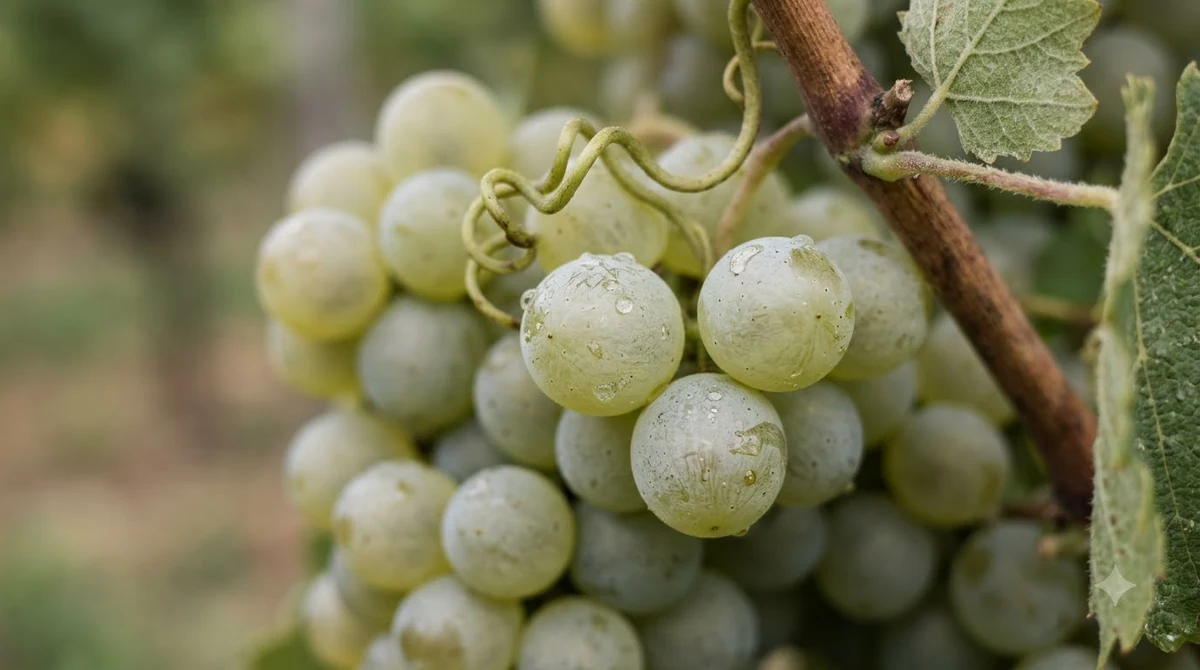
Connecticut growers plant European wine grapes and cold-hardy hybrids, selecting varieties that can ripen during a short season and withstand wet weather. Chardonnay, Riesling, Pinot Gris, Pinot Noir, Cabernet Franc, and Merlot are among the familiar vinifera grapes grown in the state.
Cabernet Franc is especially suited to cooler conditions because it ripens earlier than Cabernet Sauvignon. It can make reds with fresh acidity, red-berry fruit, herbal notes, and moderate tannin. Pinot Noir offers a lighter-bodied alternative, while Merlot can provide a softer texture; Chardonnay ranges from bright, unoaked styles to richer barrel-fermented versions.
Hybrids broaden the options. White varieties include Seyval Blanc, Vidal Blanc, and La Crescent; red grapes include Baco Noir, Frontenac, and Marquette. These are selectively bred varieties, not genetically modified organisms. Some are valued for cold tolerance and resistance to mildew compared with grapes better suited to warmer, drier climates.
Flavor profiles give tasters a starting point: Seyval Blanc can show citrus and apple, Vidal Blanc pineapple and grapefruit, and La Crescent tropical fruit and apricot. Baco Noir may suggest black plum, coffee, and smoke; Frontenac bright cherry and currant; Marquette plum, pepper, and baking spice. Ripeness, fermentation, oak, and vintage conditions can change the result. For another cool-climate comparison, explore the Savoie wine region, where growers also adapt local varieties to specific conditions.
Tip: Taste unfamiliar hybrids side by side rather than judging a grape from one bottle. A dry Seyval Blanc and a fruit-forward Vidal Blanc can show how acidity and ripeness alter a white wine’s profile.
Wine Styles and Flavors Across the State
Connecticut wineries make dry red, white, rosé, and sparkling wines, along with sweet wines, ice wine, fortified bottlings, and blends fermented with other fruits. The range gives visitors options whether they prefer crisp acidity, softer reds, or sweeter pours.
Riesling and Seyval Blanc are useful white-wine starting points: Riesling’s high acidity suits seafood, salty cheeses, and dishes with a touch of sweetness, while crisp, citrus-driven Seyval Blanc works with shellfish, goat cheese, and lighter vegetables. Vidal Blanc can offer a rounder fruit profile while retaining freshness. For reds, Cabernet Franc pairs with roasted poultry, grilled pork, mushrooms, and tomato-based dishes; lighter-tannin Pinot Noir suits salmon or roast chicken, while Baco Noir and Frontenac can work with burgers or aged cheeses. Chardonnay also appears in fresh and richer styles: fuller examples can match roasted poultry and cream sauces, while crisp versions suit shellfish. Sparkling wine is a flexible choice for salty appetizers.
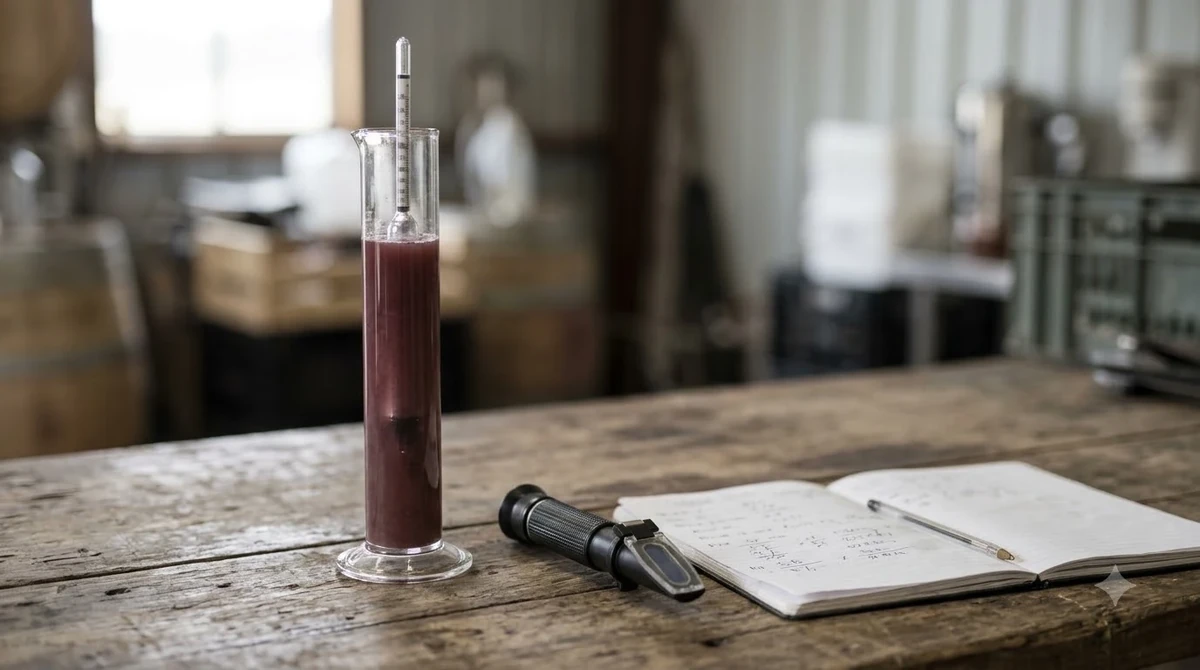
Serve sparkling wine at 40–50°F, light whites and rosé at 45–50°F, and fuller whites at 50–55°F. Match a sweet wine with a dessert that is equally sweet or less sweet. Acidic food needs a wine with equal or higher acidity; salt and fat soften tannin, while chili heat can make alcohol and tannin seem more aggressive.
Fruit-based wines and co-ferments reflect Connecticut’s broader farm culture. Some producers work with apples, pears, berries, or other local crops alongside grape wines. Ask whether a fruit wine is dry, off-dry, or sweet before pairing it with a meal.
Connecticut Winemaking From Colonial Grapes to Farm Wineries
Connecticut’s wine history extends well beyond its modern tasting rooms. Its current industry follows centuries of experimentation and periods when commercial production contracted.
European settlers brought wine-drinking customs with them and encountered native grapes growing along the woods and waterways, experimenting with local fermentation even when commercial methods were uncertain. By 1860, state vineyards produced 20,000 gallons, compared with 1.6 million gallons nationwide, according to a state history account. Italian immigration helped winegrowing expand again at the turn of the twentieth century, but Prohibition sharply reduced the vineyards; by 1922, many had disappeared. Later shifts in farming, imported wine, and changing drinking habits also interrupted the industry’s continuity.
The modern era began with Haight-Brown Vineyard in Litchfield, established in 1975 and recognized as the state’s first commercial winery. The Connecticut Farm Winery Act followed in 1978, allowing farm wineries to sell wine wholesale and directly to the public. The law gave growers a route from vineyard to customer and helped encourage new winery businesses.
The Connecticut Wine Trail links eastern and western routes from the Housatonic Valley and Litchfield area toward the Connecticut River Valley and Long Island Sound. WineAmerica describes a 33-winery trail, while the state’s Passport program lists more than 30 participants; these are program counts, not necessarily every winery in the state. Family farms remain part of the appeal: Hopkins Vineyard in Warren grew from a former dairy farm near Lake Waramaug, while Jones Family Farms in Shelton combines a vineyard with a wider agricultural operation.
Planning a Connecticut Winery Visit
The most rewarding visit usually starts with a geographic plan rather than an attempt to cross the whole state in one day. Connecticut’s western and eastern routes cover different landscapes, and visiting a cluster of nearby wineries makes comparisons easier.
In western Connecticut, build a day around Litchfield County and the Housatonic Valley. Haight-Brown in Litchfield and Hopkins Vineyard in Warren offer historical context; White Silo Farm and Winery in Sherman and Sunset Meadow Vineyards in Goshen provide other ways to explore the upland countryside. Check individual tasting-room schedules before setting out because seasonal hours and tour availability vary.
For an eastern itinerary, Stonington Vineyards and Saltwater Farm Vineyard are both in Stonington; Jonathan Edwards Winery is in North Stonington, and Priam Vineyards is in Colchester. Central stops such as Gouveia Vineyards in Wallingford and Sharpe Hill Vineyard in Pomfret offer further comparisons between sites and styles.
The state’s Passport to CT Wine Country is a useful planning tool: it welcomes visitors from outside Connecticut who are at least 21, requires no purchase for a winery stamp, and runs annually from May 1 through December 31. Check whether a winery requires reservations, what styles it pours, and whether food is available. At a tasting, try a dry white before a sweeter pour and a lighter red before a more structured one. Some tasting rooms operate on working farms, so designate a driver or arrange transport that does not require anyone who is tasting to drive.
Reading Connecticut Wine Labels and Serving the Bottles
A label can distinguish a wine tied to Connecticut from one tied to a specific AVA. Federal rules require at least 85 percent of the grapes in an AVA-labeled wine to come from the named area, while a Connecticut wine label has a separate state-origin threshold commonly described as 75 percent of the grapes grown in Connecticut.
Those percentages answer different questions: 85 percent connects the bottle to a named growing area, while 75 percent connects it to the state. A Connecticut producer’s wine does not automatically qualify for every geographic label. For more context on how wine places and appellations work, see our overview of Wine Regions.
Serving temperature and food structure both matter. Chill sparkling wine to 40–50°F, light whites and rosé to 45–50°F, and fuller whites to 50–55°F; light reds generally show well at 55–60°F and fuller reds at 60–65°F. Cabernet Franc has more tannin than Pinot Noir, so salt and fat can soften its grip, while high-acid Riesling suits similarly acidic dishes. Avoid strongly tannic reds with oily fish and take care with hot peppers.
Store unopened bottles on their sides in a cool, dark place near 55°F when they have cork closures. Refrigerate opened still wine and aim to finish it within three to five days; sparkling wine generally keeps for one to three days with a proper stopper. A 750-milliliter bottle provides about five 5-ounce pours.
Frequently Asked Questions
These quick details help first-time visitors make sense of the passport program and a few less familiar parts of Connecticut’s wine heritage.
Can visitors from outside Connecticut use the wine passport?
Yes. The program is open to anyone who is at least 21, whether or not they live in Connecticut. A purchase is not required to collect a winery stamp, so the passport tracks visits rather than sales. Its mobile application is free to download through the Apple App Store and Google Play.
How many winery visits are needed for passport reward levels?
The state lists three thresholds: Taster after at least 12 farm-winery visits, Sommelier at 18 or more, and Winemaker at 35 or more. Participants can redeem each level as they collect stamps.
What is Cayuga, and what grapes were crossed to create it?
Cayuga is a white hybrid developed by Cornell grape breeders at the Geneva Experiment Station. It is a cross of Schuyler and Seyval Blanc, and its wines are often described as fruity and mild in intensity, with a profile that can invite comparison with Riesling.
What did the early Saybrook grapevine seal symbolize?
The Saybrook settlement used a grapevine seal in 1639, and that image was chosen for the Connecticut Colony’s shield in 1665. The vine symbolized good luck, felicity, peace, and recognition of the fruit’s abundance in the region.
How many American Viticultural Areas are established across the United States?
The TTB’s established-AVA listing gives a national total of 280. California accounts for 154 of them, placing Connecticut’s three associated AVAs within a much larger federal appellation system.
Connecticut rewards curious drinkers who compare its coastal, western, and eastern growing areas. Start with a local white or Cabernet Franc, add a hybrid variety to the tasting, and use the wine trail to see how much difference a few miles of terrain can make. It is a satisfying way to discover how shoreline exposure, elevation, and grape choice shape the glass.
More in Wine Regions
 Willcox Wine Trail: Discover Arizona’s High-Elevation Wine CountryUpdated Nov 20, 2026
 Yakima Valley Wine Region: Find the Best Styles to TryUpdated Nov 20, 2026
 Vosne Romanee Wine Tasting: Identify Aromas and Choose Better PairingsUpdated Nov 20, 2026
 Yakima Valley Wine Festival: Find the Best Seasonal Wine EventsUpdated Nov 20, 2026
 Wales Vineyards: Discover Cool-Climate Wines and Where to VisitUpdated Nov 20, 2026
 Yountville Wine Festival: Discover Napa Wines and Local FoodUpdated Nov 20, 2026