


We may earn a commission when you buy through links on this page, at no extra cost to you. Learn more.
Cheap prosecco can taste fresh, fruity, and lively when you choose a properly made Prosecco DOC bottle with the right sweetness level and sparkling style. The best buying strategy is to prioritize freshness, Glera-based fruit character, and a recognizable Italian designation rather than assuming a more expensive label guarantees better drinking. Brut and Extra Dry are particularly useful starting points for everyday enjoyment, parties, and cocktails.
Prosecco is popular partly because its uncomplicated fruit flavors and lively bubbles make it easy to serve on many occasions. Affordable bottles can deliver the green apple, pear, citrus, and floral aromas that make the wine appealing without requiring a special occasion. However, inexpensive sparkling wines are not all alike. Understanding the label, production method, sweetness, and intended use helps you find a bottle that offers genuine drinking pleasure rather than simply choosing the least expensive option on the shelf.
Who Cheap Prosecco Is For
Affordable Prosecco is particularly suitable for casual celebrations, brunch, informal dinners, and mixed drinks where fresh fruit character matters more than extended aging or complex production. A good everyday bottle should offer clean aromas, lively acidity, refreshing bubbles, and enough fruit flavor to remain enjoyable on its own.
Budget-conscious shoppers often have several different reasons for buying sparkling wine. Some want an inexpensive bottle to open before dinner, while others need several bottles for a birthday gathering, wedding reception, or weekend brunch. These situations call for slightly different purchasing priorities.
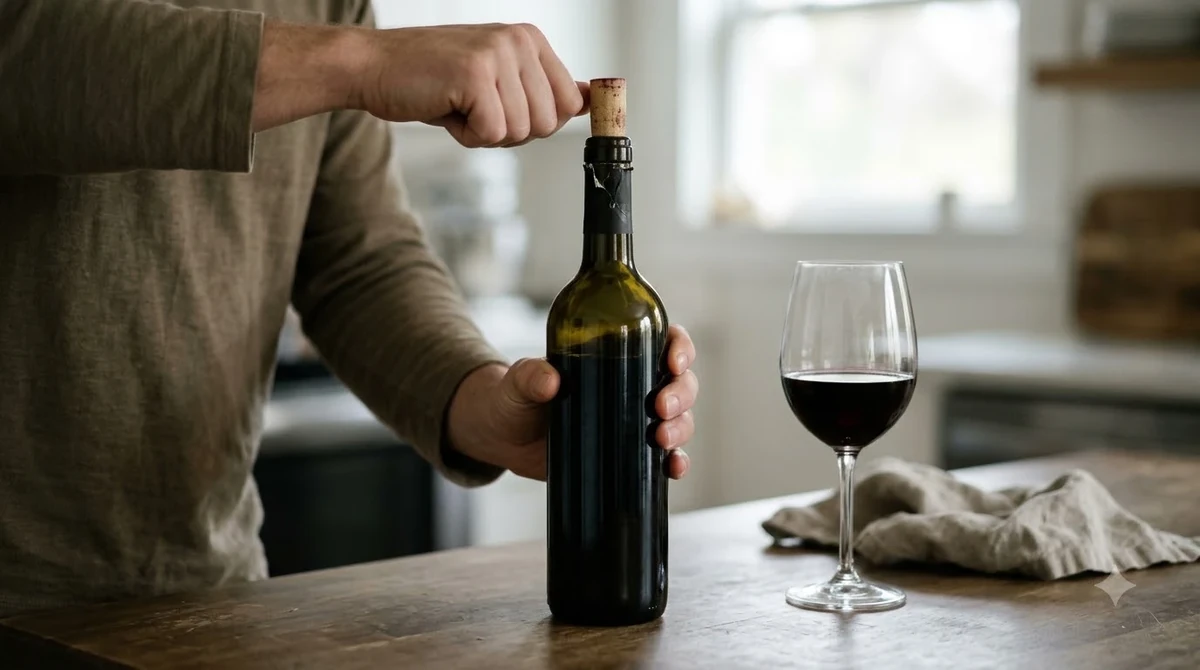
Everyday drinking and casual celebrations
For drinking without food, Brut and Extra Dry Prosecco are sensible starting points. Brut generally tastes drier and more citrus-driven, while Extra Dry has a little more residual sugar and can seem rounder, fruitier, and softer. Both styles can work well as an aperitif.
Look for familiar fruit characteristics rather than expecting the complexity of a traditional-method sparkling wine. Green apple, pear, lemon, melon, and white flowers are common descriptors for Glera-based Prosecco. A clean, refreshing finish is more important for casual drinking than elaborate winemaking terminology.
Brunches, parties, and cocktails
Prosecco is also a practical choice when serving several guests. Its approachable flavor profile works with light appetizers, fresh fruit, and many brunch dishes. A standard 750 ml bottle provides approximately five 5-ounce glasses, making it relatively straightforward to estimate quantities for a gathering.
For mimosas, a straightforward Brut or Extra Dry bottle generally works well. Orange juice already contributes sweetness, so a very sweet sparkling wine can make the finished drink taste heavy. For an Aperol Spritz, the wine should provide refreshing bubbles and acidity without overwhelming the bittersweet character of the other ingredients.
Who may prefer something different
Shoppers looking for extended lees aging, pronounced brioche aromas, or the more developed texture associated with traditional-method sparkling wine may prefer Champagne or another bottle-fermented alternative. Those characteristics are not the primary purpose of ordinary tank-fermented Prosecco.
Likewise, anyone expecting a dessert-level sweet sparkling wine should not assume every inexpensive Prosecco will meet that preference. Most widely available American-market bottles are Brut or Extra Dry. A sweeter style requires more careful attention to the sweetness designation.
Key Factors to Compare When Buying
The most useful comparison points are the production designation, sweetness category, sparkling style, freshness, and alcohol content. These details tell you more about what you are buying than decorative packaging or an unfamiliar marketing description.
| Buying factor | What to look for | Why it matters |
|---|---|---|
| Origin | Prosecco DOC | Identifies wine made under defined Italian production rules. |
| Grape | Glera | Provides the characteristic fresh fruit and floral profile. |
| Sweetness | Brut or Extra Dry | Helps match the wine to personal taste and food. |
| Residual sugar | Brut: under 12 g/L | Indicates a comparatively dry sparkling style. |
| Residual sugar | Extra Dry: 12–17 g/L | Offers a slightly sweeter, rounder impression. |
| Alcohol | Typically around 11% ABV for sparkling DOC | Provides a useful indication of the wine’s strength. |
| Effervescence | Spumante | Indicates fully sparkling wine. |
| Production method | Charmat or tank method | Preserves youthful fruit and fresh aromas. |
| Serving temperature | 40–50°F | Helps maintain freshness and lively bubbles. |
Prosecco DOC versus DOCG
Prosecco DOC is the main geographical designation and covers a substantial production area in northeastern Italy. Its regulations identify the permitted grapes, geographical boundaries, and production requirements. For shoppers seeking affordable sparkling wine, DOC is often the most practical starting point.
Prosecco Superiore DOCG comes from more specific hillside areas, particularly Conegliano Valdobbiadene and Asolo. These designations have more restrictive production requirements and can deliver greater site expression and complexity. However, DOCG is not a sweetness designation, and it does not automatically mean that every bottle will taste better to every drinker.
For an uncomplicated brunch or cocktail, a well-made DOC can be entirely suitable. For drinking without mixers, a more distinctive DOCG bottle may be worth considering if you want additional aromatic definition and a stronger sense of origin. The official Prosecco DOC production regulations explain the geographical and production requirements behind the designation.
Sweetness matters more than many shoppers expect
One of the most confusing details on sparkling wine labels is that Extra Dry is sweeter than Brut. The terminology comes from established sparkling-wine classification rather than ordinary everyday descriptions of dryness.
Brut is generally the safer choice for shoppers who enjoy crisp, dry sparkling wine. Extra Dry is useful for those who prefer a slightly softer impression of fruit and sweetness. Dry and Demi-Sec are progressively sweeter options, although they are less commonly encountered in mainstream American Prosecco selections.
The distinction is particularly important when pairing wine with food. A wine should generally be at least as sweet as the dessert it accompanies. A dry Brut served with a very sweet cake can taste sharply acidic and thin by comparison.
Production method and freshness
Most Prosecco undergoes its second fermentation in pressurized stainless steel tanks. This approach, known as the Charmat or Martinotti method, allows producers to retain the fresh fruit and floral character of Glera while making sparkling wine efficiently.
That method is not an indication of poor quality. It is a production choice suited to the intended style. Prosecco generally emphasizes immediate freshness rather than the toasted bread, brioche, and extended lees-aging characteristics commonly associated with bottle-fermented sparkling wines.
For further background on choosing a bottle from this category, the best Prosecco brands guide can help shoppers understand the different producers and styles available.
Step-by-Step: How to Choose a Good Bottle
A simple buying routine makes affordable sparkling wine easier to compare. Start with the origin and sweetness designation, then consider how you intend to serve it before deciding whether a more specific appellation or style is worthwhile.

-
Decide how you will serve the wine.
Choose whether the bottle is intended for drinking on its own, serving with food, or mixing into cocktails. For a simple aperitif, Brut is a useful starting point. For fruit-forward brunch drinks, Extra Dry can provide a softer profile.
-
Look for the Prosecco DOC designation.
Choose a bottle identifying Prosecco DOC if you want wine produced under the official Italian geographical regulations. The designation is more meaningful than a generic sparkling-wine description. It identifies a protected origin and production framework.
-
Compare Brut and Extra Dry.
Read the sweetness term carefully. Brut contains less than 12 grams of residual sugar per liter, while Extra Dry generally contains 12 to 17 grams. This difference can noticeably change how the wine feels alongside food or in a cocktail.
-
Check the sparkling style.
Spumante means fully sparkling, while Frizzante means semi-sparkling. If you want the familiar lively bubbles associated with most party and brunch Prosecco, Spumante is usually the appropriate selection.
-
Consider whether DOCG offers additional value.
If you plan to drink the wine without mixing it, compare Prosecco DOC with Conegliano Valdobbiadene Prosecco Superiore DOCG or Asolo Prosecco DOCG. A more specific hillside origin may provide greater aromatic detail, but the difference may matter less in a cocktail.
-
Examine the bottle condition.
Choose a bottle with an intact closure and no visible leakage. Avoid bottles that appear to have been stored in direct sunlight or near a strong heat source. Excessive heat and poor storage conditions can damage fresh sparkling wine.
-
Buy for freshness rather than long-term storage.
Most Prosecco is intended to be enjoyed while its fruit and bubbles are fresh. Choose a current retail bottle with good storage conditions rather than purchasing several bottles for years of cellaring.
Tip: If you are uncertain which style to choose, start with Prosecco DOC Brut. It is a versatile option for aperitifs, seafood appetizers, salty snacks, and mimosas. Choose Extra Dry if you prefer a softer, slightly sweeter taste.
Following these steps helps separate genuine value from packaging and marketing. The most useful purchase is the bottle that suits its intended purpose, not necessarily the one with the most elaborate label or highest classification.
Types and Styles Explained
Prosecco is not one uniform style of sparkling wine. Its sweetness, pressure, color, and geographical designation can all change the drinking experience, even when two bottles share the same principal grape variety.
Brut Prosecco
Brut is one of the most versatile options for everyday drinking. It has less than 12 grams of residual sugar per liter and generally tastes crisp, fresh, and relatively dry.
Expect flavors such as green apple, lemon, pear, and white flowers, although the exact profile depends on the producer and bottling. Brut works well with salty appetizers, seafood, fried snacks, and light pasta dishes. Its acidity and bubbles help refresh the palate between bites.
It is also a sensible choice for cocktails that contain their own sweet ingredients. For example, orange juice in a mimosa provides enough sweetness that an additional sweet wine is usually unnecessary.
Extra Dry Prosecco
Extra Dry is a traditional and widely encountered Prosecco style. Despite the name, it is sweeter than Brut, with approximately 12 to 17 grams of residual sugar per liter.
That additional sweetness can make the wine seem rounder and more approachable, especially for drinkers who find very dry sparkling wines too sharp. Fruit impressions can include ripe pear, apple, melon, and citrus.
Extra Dry works particularly well with fresh fruit, mild cheeses, prosciutto, and lightly spiced appetizers. It can also balance some dishes containing chili because a little sweetness can soften perceived heat.
For a more detailed explanation of this particular style, see the guide to dry Prosecco and how its sweetness classifications compare.
Dry and Demi-Sec Prosecco
Dry Prosecco contains approximately 17 to 32 grams of residual sugar per liter. It is noticeably sweeter than both Brut and Extra Dry, despite the everyday meaning of the word dry.
Demi-Sec is sweeter still, with approximately 32 to 50 grams of residual sugar per liter. These styles may appeal to people who prefer sweeter sparkling wine or want something to accompany fruit-based desserts.
They are less versatile than Brut for some savory food pairings, but that does not make them inferior. The right choice depends on the balance between sweetness, acidity, and the food being served.
Shoppers who specifically enjoy sweeter sparkling wine can compare these categories with the recommendations in the sweet Prosecco guide.
Spumante and Frizzante
Spumante refers to fully sparkling wine, while Frizzante describes a lighter, semi-sparkling style. The difference is primarily the level of effervescence rather than the sweetness.
For shoppers seeking the lively bubbles commonly associated with celebrations, Spumante is generally the more familiar choice. Frizzante can offer a gentler sparkling experience and may be appropriate for casual meals or occasions where less intense carbonation is preferred.
Prosecco Rosé
Prosecco DOC Rosé combines Glera with Pinot Nero, also known as Pinot Noir. Official production rules require 85% to 90% Glera and 10% to 15% Pinot Nero vinified as red wine.
The result is a pink sparkling wine that can offer delicate strawberry, raspberry, and other red-fruit impressions alongside the familiar freshness of Prosecco. Its permitted sweetness categories range from Brut Nature through Extra Dry.
Rosé is a useful option for shoppers who want something visually distinctive for a celebration without moving away from the refreshing, fruit-led style of sparkling Prosecco.
Common Mistakes When Buying Cheap Prosecco
The biggest purchasing mistakes involve confusing sweetness with dryness, assuming all Italian sparkling wine is Prosecco, and paying too much attention to packaging. A little label knowledge helps avoid these problems.
Assuming Extra Dry means drier than Brut
This is one of the most common misunderstandings. Extra Dry is sweeter than Brut, so choosing a bottle based on the ordinary English meaning of its name can lead to disappointment.
If you prefer a crisp, dry sparkling wine, start with Brut. If you like more obvious fruit sweetness, Extra Dry is generally the better starting point. The difference becomes particularly apparent when comparing the wines side by side with food.
Confusing DOCG with sweetness
DOC and DOCG describe geographical and production classifications, not sweetness. A Conegliano Valdobbiadene Prosecco Superiore DOCG bottle can be Brut or Extra Dry, depending on the producer’s choice and the applicable regulations.
Always understand the two pieces of information separately. The designation explains where the wine comes from, while the sweetness category explains its residual sugar level.
Buying only because of attractive packaging
A decorative bottle, unusual label, or prominent gold lettering does not guarantee better sparkling wine. Packaging can help a bottle stand out on a shelf, but it does not replace information about its origin, production, or sweetness.
Focus on a recognizable designation and the style you actually enjoy. If you are choosing wine for a large gathering, consistency and suitability for the occasion are more important than presentation alone.
Expecting Champagne characteristics
Prosecco and Champagne are made using different production approaches. Most Prosecco uses the tank method, whereas Champagne undergoes its second fermentation in the bottle.
The resulting wines have different typical characteristics. Prosecco generally emphasizes fresh fruit and floral aromas, while traditional-method sparkling wine can develop more pronounced bread, biscuit, and brioche notes.
Comparing the two solely on complexity can lead to an unfair assessment of an affordable Prosecco. It is designed to offer a different style of enjoyment.
Choosing a sweet bottle for every occasion
Not every gathering needs the same sweetness level. A sweeter Dry or Demi-Sec Prosecco may work with fruit desserts, but it can make an already sweet cocktail taste overly sugary.
For fried appetizers, salty cheese, and seafood, Brut is often more balanced. Extra Dry is a flexible middle ground for fruit plates and mildly spicy dishes. Matching sweetness to the food is one of the easiest ways to improve an inexpensive bottle’s performance.
Ignoring the intended drinking window
Most Prosecco is made to be enjoyed young and fresh. Buying it for extended cellaring is rarely the best approach, especially if the goal is to preserve its lively fruit and bubbles.
Rather than building a long-term collection of everyday sparkling wine, purchase bottles closer to the occasion when they will be opened. Good storage conditions also matter more than simply keeping a bottle for a long time.
Care, Serving, and Storage Tips
Proper serving and storage can make a meaningful difference to an affordable bottle. Keep Prosecco cool, protect it from light and temperature fluctuations, and serve it cold enough to preserve its refreshing character.
Serve at the right temperature
Serve sparkling Prosecco at approximately 40–50°F. This temperature range helps maintain its bubbles and freshness while preventing the wine from becoming excessively warm in the glass.
A bottle that is too warm can seem less refreshing and may release its carbonation quickly. On the other hand, serving it extremely cold can suppress the aromas of pear, apple, citrus, and white flowers that give Glera-based wine its appeal.
Refrigerate the bottle before serving rather than relying on a last-minute freezer session. A wine bucket filled with ice and water can also chill a bottle efficiently when guests arrive unexpectedly.
Choose suitable glassware
A sparkling wine flute helps retain visible bubbles and creates an elegant presentation. However, a tulip-shaped sparkling wine glass can provide more room for the aromas to develop.
For casual gatherings, ordinary clean wine glasses are also acceptable. The most important factors are serving temperature, clean glassware, and a controlled pour that preserves the carbonation.
Store unopened bottles properly
Keep unopened bottles away from direct sunlight, radiators, ovens, and other heat sources. A cool, dark storage location with a relatively stable temperature is preferable to a warm kitchen counter.
For longer storage, bottles can be kept on their sides in a suitable wine-storage environment near 55°F. However, everyday Prosecco is generally intended for relatively early consumption rather than long-term aging.
Temperature stability matters because repeated heating and cooling can affect the wine’s freshness. Avoid leaving a bottle in a hot vehicle or near a sunny window before serving.
Preserve opened Prosecco
Once opened, sparkling wine gradually loses carbonation. Refrigerate the remaining wine immediately and use a stopper specifically designed for sparkling bottles.
A reasonable expectation for opened sparkling wine is approximately one to three days in the refrigerator, although the precise result depends on the wine, closure, and storage conditions. The wine may remain drinkable after opening but become noticeably less lively.
Use leftover Prosecco promptly in another mimosa, a spritz, or a light sparkling cocktail if its carbonation has weakened. It is generally better suited to short-term enjoyment than extended storage after opening.
Pour sensible serving sizes
A standard 750 ml bottle provides approximately five 5-ounce servings. For a gathering, calculate the number of guests who actually want sparkling wine instead of assuming every attendee will drink it.
Smaller pours can be useful during receptions where guests may want to sample several beverages. They also leave room for food and help maintain the freshness of the wine in each glass.
Frequently Asked Questions
Is inexpensive Prosecco real Italian sparkling wine?
Yes. Prosecco DOC is an officially regulated Italian designation, not simply a generic description for inexpensive sparkling wine. Authentic bottles identify the protected designation on their labels and carry the required identification features. A low retail price does not automatically mean a bottle is outside the official production system.
Can Prosecco be made from grapes other than Glera?
Yes. Prosecco DOC regulations permit specified additional grape varieties alongside Glera, including Chardonnay, Pinot Bianco, Pinot Grigio, and Pinot Nero under the applicable rules. For white Prosecco, Glera remains the principal variety and the additional permitted grapes cannot exceed 15%. Prosecco DOC Rosé has its own specific Glera and Pinot Nero requirements.
Does Prosecco contain carbonation added artificially?
Official Prosecco DOC Spumante is produced through natural secondary fermentation in pressurized tanks. The resulting carbon dioxide creates the wine’s bubbles. This is different from simply injecting carbonation into an otherwise still beverage.
Can Prosecco be made without alcohol?
Traditional Prosecco DOC has minimum alcohol requirements, including 11% total alcohol by volume for sparkling wine. Alcohol-free sparkling beverages may imitate its fruity and bubbly style, but they are not the same regulated wine category. A genuinely alcohol-free alternative should be identified separately rather than assumed to be ordinary Prosecco.
What does Millesimato mean on a Prosecco bottle?
Millesimato identifies a vintage-designated Prosecco. Under the Prosecco DOC rules, the term and corresponding year are required when at least 85% of the grapes come from the stated harvest. It therefore provides information about the vintage rather than directly describing sweetness or quality.
Finding a satisfying inexpensive Prosecco is mainly about understanding the label and choosing a style that fits the occasion. Start with Prosecco DOC Brut for a crisp, versatile bottle or Extra Dry for a slightly sweeter, fruitier experience. Serve it cold, enjoy it while fresh, and save more specialized DOCG selections for occasions when their additional character is something you particularly want.
More in Wine Buying Guides
 Cheap Red Blend: How to Find a Flavorful Bottle for LessUpdated Nov 20, 2026
 Pinot Grigio Gift: How to Choose a Bottle They’ll EnjoyUpdated Nov 20, 2026
 Best White Wine at Total Wine for Every MealUpdated Nov 20, 2026
 Wine Fridge Replacement Shelves: Find the Right FitUpdated Nov 20, 2026
 Best Sparkling Wine Under 20: Find Bubbles Worth BuyingUpdated Nov 20, 2026
 Best Wine For Birthday Celebrations With Perfect Party PairingsUpdated Nov 20, 2026