

We may earn a commission when you buy through links on this page, at no extra cost to you. Learn more.
The best cheap moscato comes from bottles that balance natural grape sweetness with bright acidity, low alcohol around 5 to 8 percent ABV, and recent bottling dates. Looking at origin labels like Italy’s Moscato d’Asti DOCG or crisp domestic Muscat Canelli helps buyers skip syrupy, flat wines. Checking carbonation style, closure type, and harvest or lot codes ensures fresh peach and orange-blossom aromas without overspending.
Moscato is one of the easiest wine categories to shop on a modest budget because the grape naturally produces intense floral perfume without expensive oak barrels or years of cellar aging. Across grocery aisles and neighborhood wine shops, however, bottles labeled Moscato range from delicately sparkling Italian classics to heavy, candy-sweet blends. Knowing how to read back labels, spot fresh stock, and match sweetness to the occasion makes choosing an affordable bottle straightforward.
Who Cheap Moscato Is For
Affordable Moscato suits casual hosts, brunch planners, spicy-food fans, and newcomers who want a fruit-forward, low-alcohol wine that needs no decanting or special glassware. Because the grape delivers immediate aromatics, entry-level bottles still showcase recognizable stone fruit and citrus notes when made cleanly.
Shoppers who dislike bitter tannins or sharp, bone-dry whites often gravitate toward Moscato as an approachable starting point. Made from Muscat Blanc à Petits Grains—one of the oldest cultivated wine grapes in the world—authentic bottles owe their signature mandarin, ripe pear, and honeysuckle scent to a natural aromatic compound called linalool, according to Wine Folly’s guide to Moscato wine styles. Because those aromas sit right at the surface of young wine, producers do not rely on costly French oak or extended bottle maturation to create flavor.
Budget-minded buyers hosting large gatherings also benefit from Moscato’s lower alcohol content. While standard dry table wines hover near 13 percent ABV, classic lightly sparkling Moscato sits around 5.5 to 7 percent ABV, allowing guests to enjoy a full 5-ounce pour at afternoon showers, backyard barbecues, or holiday brunches without palate fatigue. Anyone seeking a dedicated dessert bottle will also find plenty of options in the sweet moscato category that outperform pricier late-harvest wines alongside fruit tarts and soft cheeses.
On the other hand, buyers looking for full-bodied oak texture, pronounced minerality, or cellar-worthy structure should look elsewhere. Entry-level Moscato is built for immediate, chilled enjoyment within months of release rather than multi-year aging.
Key Factors to Compare When Shopping
Comparing alcohol percentage, carbonation pressure, origin designation, and closure type reveals more about a bottle’s quality than the front label artwork. A quick scan of those four details separates vibrant, balanced bottles from cloying, one-note pours.
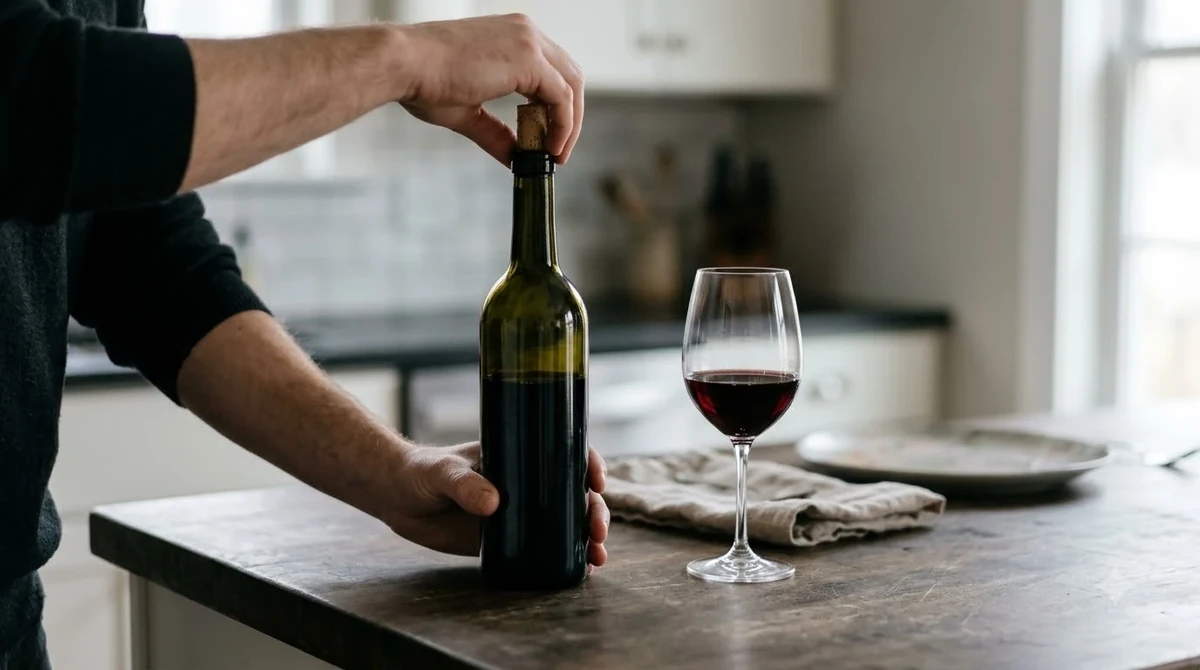
Alcohol by volume is the clearest clue to sweetness and body in Moscato. Winemakers create classic low-alcohol Moscato by chilling the fermenting grape must early, halting yeast activity before all natural grape sugars turn into alcohol. As a result, a bottle listed at 5 to 6 percent ABV retains noticeable sweetness paired with a light, buoyant mouthfeel, whereas a still bottle fermented up to 11 or 12 percent ABV converts more sugar into alcohol and tastes drier and fuller.
Carbonation level matters just as much for balance. Moscato naturally has low to medium acidity compared with high-acid grapes like Sauvignon Blanc or Riesling, so dissolved carbon dioxide provides crucial lift on the palate. Semi-sparkling frizzante styles carry gentle, prickly bubbles that cut through residual sugar, while completely still budget bottles can taste heavy unless harvested early for crisp natural tartness.
| Style Category | Typical ABV | Carbonation Level | Sweetness & Acidity | Best Serving Occasion |
|---|---|---|---|---|
| Moscato d’Asti DOCG | 5%–6.5% | Light spritz (frizzante) | Sweet with lively citrus acidity | Brunch, fruit desserts, spicy takeout |
| Asti Spumante DOCG | 7%–9.5% | Full sparkling bubbles | Medium-sweet with crisp lift | Toasts, parties, celebratory apéritif |
| Domestic Still Moscato | 8%–11% | Still (no bubbles) | Sweet, lower perceived acidity | Casual sipping, chilled porch pours |
| Pink or Red Moscato | 6%–10% | Light spritz or still | Sweet with berry fruit notes | Cookouts, chocolate-dipped fruit |
| Dry Muscat / Moscatel | 11.5%–13% | Still (no bubbles) | Dry finish with floral perfume | Seafood, herb-roasted poultry, salads |
Origin and classification on the label provide a reliable quality filter. In Northern Italy’s Piedmont region, government rules restrict Moscato d’Asti DOCG to 52 approved communes and mandate grape purity, gentle fizz, and strict production standards, according to VinePair’s overview of Moscato d’Asti production. Outside Italy, looking for regional names like California’s Russian River Valley, Oregon’s Rogue Valley, or Australia’s South Eastern regions signals dedicated cool-climate fruit rather than anonymous bulk blends.
Tip: Turn the bottle around and check the closure and glass tint before buying. Screw caps and mushroom-style sparkling corks seal in delicate aromas reliably on young wines, while clear glass bottles stored directly under bright fluorescent store lights can develop stale, cooked-fruit notes faster than green or amber glass.
Step-by-Step: How to Buy a Great Bottle on a Budget
Following a repeatable four-step routine at the shelf helps buyers consistently pick bright, aromatic Moscato without guessing from flashy labels. Each step narrows down freshness, style, and food compatibility in under a minute.
- Check the style and ABV first. Decide whether the occasion calls for a lightly sparkling 5.5 percent ABV frizzante bottle, a celebratory 7 to 9 percent ABV fully sparkling Asti, or a higher-alcohol still white.
- Verify the harvest year or freshness cues. Moscato relies on delicate primary fruit aromatics that fade with age, so choose the most recent vintage on the shelf or look for bottles from high-turnover sections rather than dusty top racks.
- Read the origin and grape wording. Look for specific appellations such as Moscato d’Asti DOCG, Muscat Canelli, or Moscatel rather than vague table wine labels that omit geographic sourcing.
- Match the bottle to your menu or glass count. Plan on five 5-ounce pours per 750 ml bottle, choosing crisper, lightly fizzy styles for savory meals and richer still bottles for solo sipping or simple fruit plates.
Freshness deserves extra attention when buying inexpensive Moscato. Unlike red wines built to soften over five or ten years, Moscato d’Asti producers store unfermented grape juice cold and ferment staggered batches throughout the year so bottles reach stores within two to three months of bottling. Picking a bottle from a busy refrigerated case or fast-moving display ensures you taste the bright peach and lemon-blossom notes the winemaker intended.
Shoppers comparing labels across regions can also explore broader Wine Buying Guides to see how vintage dates, appellation tiers, and bottle closures affect value across other aromatic white varieties.
Moscato Types and Styles Explained
The word Moscato covers several distinct wine styles that vary dramatically in sweetness, bubble pressure, color, and alcohol strength. Understanding the five main categories prevents unpleasant surprises when popping the cork or twisting the cap.
Moscato d’Asti and Asti Spumante
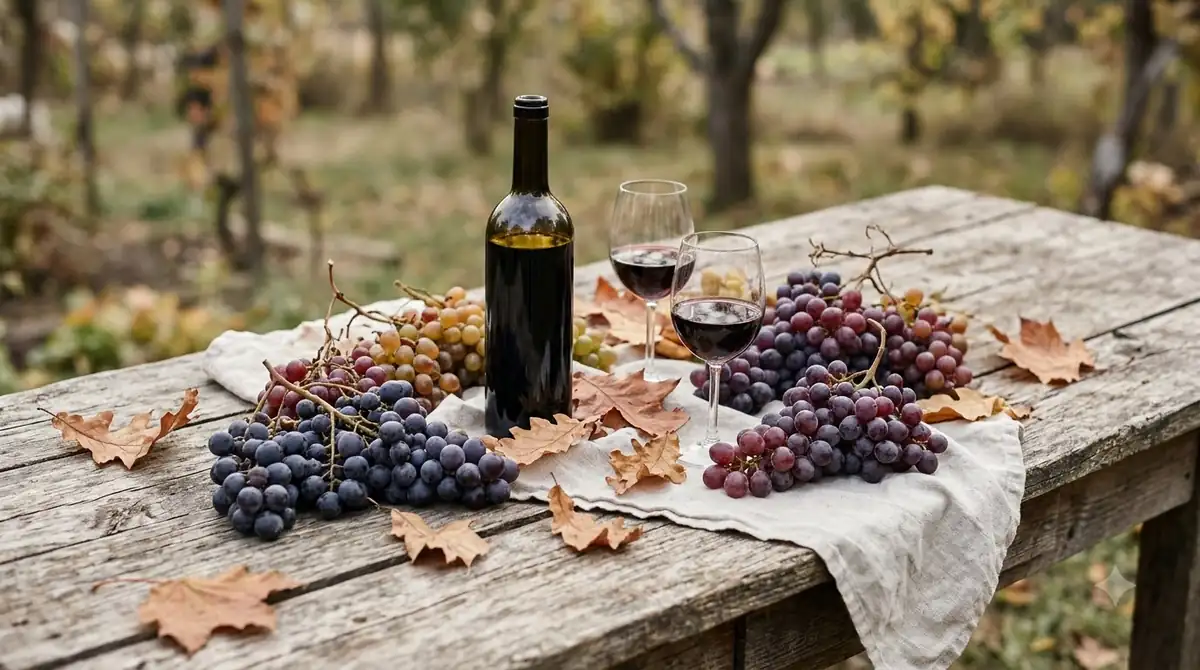
Both classic Italian styles come from Piedmont and use Moscato Bianco, a grape documented in the town of Canelli as early as the 13th century. Moscato d’Asti is bottled at low pressure with a gentle frizzante tickle, roughly 5 to 6.5 percent ABV, and layered flavors of apricot, sage, and orange blossom. Asti Spumante undergoes a fuller tank fermentation that builds higher carbonation pressure—similar to Prosecco—along with slightly higher alcohol around 7 to 9.5 percent ABV and a brisker, more celebratory mousse.
Still Sweet Moscato
Many affordable American and Australian bottles omit carbonation altogether, offering a smooth, still pour made from Muscat Blanc or Muscat of Alexandria. Without bubbles to lift the sugar on the tongue, still sweet Moscato feels rounder and softer in the mouth, highlighting ripe tropical fruit, lychee, and sweet mandarin. Serving these bottles thoroughly chilled keeps their lower natural acidity tasting crisp rather than syrupy.
Pink and Red Moscato
Common Mistakes When Buying Budget Moscato
Buying inexpensive Moscato often goes wrong when shoppers judge bottles strictly by label color or confuse sweet dessert styles with dry aromatic whites. Avoiding four frequent missteps keeps flavor bright and prevents syrupy, mismatched pours.
The first mistake is grabbing an older vintage off a warm top shelf. Because Moscato relies on volatile floral terpenes like linalool rather than oak tannins or heavy acidity for structure, older bottles often lose their vibrant peach and orange-blossom lift and taste flat or candy-like. Reach toward the back of a chilled display or pick the newest harvest year available.
A second error is pairing sweet Moscato with overly sugary desserts such as dark chocolate fudge or rich buttercream cake. A fundamental wine pairing rule holds that the wine must be at least as sweet as the dish, otherwise the food strips the wine of fruit flavor and leaves it tasting thin and sour. Pair sweet bottles with fresh peach tarts, shortbread, or lightly sweetened mascarpone berries instead.
Third, many buyers overlook how well low-alcohol Moscato handles spicy savory dishes. Chili heat is amplified by high alcohol and astringent tannins, which makes bold red wines feel fiery alongside hot peppers. By contrast, a 5.5 percent ABV Moscato d’Asti cools the palate and complements Sichuan, Thai, and Vietnamese dishes seasoned with chili, ginger, cardamom, and lime, as well as sweet-savory takeout like General Tso’s chicken.
Finally, shoppers sometimes confuse standard Moscato with fortified Muscat wines on specialty shelves. Styles such as France’s Muscat de Beaumes-de-Venise or Australia’s Rutherglen Muscat add neutral grape spirit to stop fermentation, raising alcohol significantly higher and creating dense, raisiny sweetness suited for small dessert pours rather than casual glasses. Reviewing reliable producers in a roundup of the best moscato brands also helps buyers distinguish everyday frizzante bottlings from richer specialty releases.
Serving, Chilling, and Storage Tips
Proper temperature control and prompt refrigeration protect Moscato’s delicate bubbles and floral aromatics from the moment a bottle comes home from the store. Serving the wine too warm dulls its modest natural acidity and makes residual sugar taste heavy.
Chill still and lightly sparkling sweet Moscato to between 43°F and 50°F before pouring, and aim for the colder end of that range for fully sparkling Asti Spumante. Chilling a bottle thoroughly in a standard kitchen refrigerator or an ice-and-water bucket brings a room-temperature bottle into the ideal serving zone. Standard white wine glasses or tulip-shaped flutes capture the orange-blossom perfume better than wide red wine bowls.
Once opened, reseal the bottle immediately and store it upright in the refrigerator. Lightly sparkling frizzante and sparkling Asti styles retain lively fizz for only a couple of days when capped with a sparkling wine stopper, whereas completely still Moscato stays fresh slightly longer in the fridge. Unopened bottles meant to be enjoyed soon should rest in a cool, dark cabinet or wine fridge away from direct sunlight and kitchen heat.
Drinkers who enjoy the floral perfume of Muscat grapes but prefer minimal sugar at dinner can also explore dry moscato options, which follow the same 45°F to 50°F chilling guidelines while finishing crisp alongside herb-roasted poultry and shellfish.
Frequently Asked Questions
How many calories are in a glass of Moscato?
A 6-ounce pour of classic Moscato d’Asti contains roughly 110 to 170 calories, according to Wine Folly’s nutritional breakdown of the style. Even though the alcohol level sits low around 5.5 percent ABV, unfermented natural grape sugars contribute to the total calorie count.
Why is authentic Moscato d’Asti available year-round at the grocery store?
Unlike still wines that ferment all at once right after the autumn harvest, Piedmontese producers store unfermented Moscato grape must in refrigerated tanks at near-freezing temperatures, according to VinePair. Winemakers then transfer small batches into pressurized tanks to ferment throughout the calendar year so freshly bottled wine reaches stores continuously.
What is the difference between Pink Moscato and Brachetto d’Acqui?
Pink Moscato is usually a white Muscat wine tinted with a small splash of red wine such as Merlot to add berry notes and rosy color. Brachetto d’Acqui, by contrast, is an authentic Piedmontese DOCG red sparkling wine made primarily from the aromatic red Brachetto grape, delivering natural ruby color and bright strawberry character.
Does Moscato ever use oak barrels during winemaking?
Most commercial and DOCG Moscato wines are fermented and stored in stainless steel tanks without oak aging. Avoiding oak preserves the grape’s fragile primary aromas of mandarin, pear, and honeysuckle while keeping production clean and direct from tank to bottle.
What does the Italian DOCG seal on a Moscato bottle guarantee?
DOCG stands for Denominazione di Origine Controllata e Garantita, the highest quality tier in Italian wine law. On bottles of Moscato d’Asti or Asti Spumante, the numbered neck strip certifies that the grapes were grown within approved Piedmontese communes and passed government lab analysis and blind tasting panels before release.
Shopping smart for affordable Moscato comes down to checking a few factual cues—low alcohol, gentle carbonation, regional origin, and a recent bottling—rather than relying on ornate labels. With the right bottle chilled to 43°F–50°F, you can bring vibrant stone-fruit aromatics and balanced sweetness to brunches, spicy dinners, and simple fruit desserts.
More in Wine Buying Guides
 Cheap Red Blend: How to Find a Flavorful Bottle for LessUpdated Nov 20, 2026
 Pinot Grigio Gift: How to Choose a Bottle They’ll EnjoyUpdated Nov 20, 2026
 Best White Wine at Total Wine for Every MealUpdated Nov 20, 2026
 Wine Fridge Replacement Shelves: Find the Right FitUpdated Nov 20, 2026
 Best Sparkling Wine Under 20: Find Bubbles Worth BuyingUpdated Nov 20, 2026
 Best Wine For Birthday Celebrations With Perfect Party PairingsUpdated Nov 20, 2026