

We may earn a commission when you buy through links on this page, at no extra cost to you. Learn more.
Cheap malbec is an excellent choice for affordable, fruit-forward red wine, particularly when you look for straightforward Argentine bottles with ripe plum, blackberry, and balanced tannins. You do not need an expensive reserve wine to enjoy the grape’s characteristic dark fruit and smooth texture. The smartest purchases prioritize a reliable producer, a recognizable growing region, and freshness rather than elaborate packaging or unnecessary oak aging.
Malbec has become one of the most approachable red wine varieties for everyday drinking. Its popularity comes partly from Argentina, where sunny growing conditions and high-altitude vineyards produce wines with generous fruit, satisfying body, and enough acidity to complement a wide range of meals. Affordable examples can deliver plenty of character without the additional cost associated with extended barrel aging, limited production, or prestigious vineyard designations. Understanding a few buying principles makes it easier to find a bottle that suits your taste, budget, and dinner plans.
Who This Is For
Affordable Malbec is particularly appealing to shoppers who enjoy medium-to-full-bodied red wine with recognizable dark fruit flavors and relatively approachable tannins. It offers an accessible alternative to more expensive Cabernet Sauvignon and reserve-level wines, especially for casual dinners, informal gatherings, and regular weeknight meals.
Everyday red wine drinkers are the natural audience. If you regularly serve hamburgers, grilled chicken, pizza, or pasta with tomato sauce, a straightforward Argentine Malbec can be a useful bottle to keep available. Its fruit-forward character provides enough flavor to accompany substantial food without requiring an elaborate meal or formal wine service.
New wine drinkers may also appreciate the variety. Malbec is generally dry, but ripe plum and blackberry flavors can create an impression of sweetness. That distinction matters because shoppers who enjoy fruity beverages sometimes assume a wine with generous fruit flavors must contain considerable residual sugar. In most cases, affordable Argentine Malbec is fermented dry and simply expresses naturally ripe fruit characteristics.
Value-conscious shoppers should focus on consistency rather than prestige. A dependable entry-level wine from Mendoza can be more useful for everyday drinking than a more expensive bottle purchased mainly for its impressive-sounding label. The goal is to find clean fruit, balanced structure, and a finish that remains pleasant after each sip.
This guide is also useful for people comparing several Malbec styles. Some shoppers prefer a fresh, unoaked red, while others enjoy richer wines with chocolate, vanilla, and spice characteristics. Understanding those differences helps narrow the selection before buying.
There are also useful distinctions between conventional and organic malbec. Organic certification concerns vineyard and production practices rather than guaranteeing a particular flavor profile or quality level. An organic bottle can be fruity, structured, or oak-influenced just like another Malbec.
Key Factors to Compare
The most useful buying criteria are the growing region, producer, fruit character, tannin level, and winemaking approach. Comparing these five characteristics provides a more reliable indication of drinking style than judging a bottle by its label design alone.
| Factor | What to Look For | Why It Matters |
|---|---|---|
| Region | Mendoza, Uco Valley, or Luján de Cuyo | Provides a useful indication of Argentine origin and regional style. |
| Grape | Malbec as the principal variety | Helps identify the expected dark-fruit character. |
| Body | Medium-full to full-bodied | Provides enough weight for grilled meat and hearty meals. |
| Tannin | Medium and balanced | Creates structure without making the wine excessively drying. |
| Fruit profile | Plum, blackberry, cherry | Indicates the recognizable character associated with Malbec. |
| Oak influence | Unoaked or restrained oak | Helps distinguish fresh fruit styles from richer, wood-influenced wines. |
| Serving temperature | 60–65°F | Helps maintain freshness and keep alcohol from dominating. |
| Bottle size | 750 ml standard format | Provides approximately five standard 5-ounce servings. |
Region is a useful starting point. Mendoza is Argentina’s best-known Malbec-producing province, and its different growing areas offer a range of expressions. The Uco Valley and Luján de Cuyo are particularly recognized for quality-focused Malbec. However, an affordable wine from a broader Mendoza designation can still offer attractive fruit and balanced structure.
Fruit and tannin should work together. Look for ripe plum, blackberry, and black cherry rather than a wine that tastes dominated by bitterness or excessive alcohol. Malbec naturally has substantial color and tannin, but the finished wine should still feel balanced. A pleasant combination of fruit, acidity, and moderate astringency is more important than maximum concentration.
Oak is another useful comparison. Barrel aging can introduce vanilla, coffee, chocolate, and additional texture. However, oak treatment adds production costs, and a simple fruit-focused Malbec does not need extensive barrel aging to be enjoyable. Wine Folly explains that affordable Malbec commonly emphasizes juicy fruit, with less oak influence than more expensive examples. Its Malbec grape and buying guide provides useful background on these stylistic differences.
Finally, consider the occasion. A wine intended for hamburgers and pizza can be straightforward and fruit-driven. A bottle for slow-cooked beef or a special dinner may benefit from more concentration, developed flavors, and additional structure. Matching the style to the meal prevents unnecessary spending on characteristics you might not notice during casual drinking.
Tip: When comparing two similarly positioned Malbec wines, prioritize the producer, regional information, and fruit character over claims such as premium, reserve, or special selection. Those descriptions alone do not guarantee a better drinking experience.
Step-by-Step: How to Choose a Good Bottle
A reliable buying process starts with the region and ends with a practical check of the wine’s intended style. These six steps help shoppers compare affordable bottles without getting distracted by marketing language.
- Start with Argentina. Argentina is the most recognizable source of modern Malbec, and Mendoza is a sensible first region to explore. Look for an identifiable Argentine origin rather than assuming that every red labeled Malbec has the same characteristics.
- Compare producers. Look for an established winery with a consistent range of wines. Producer familiarity can be helpful when choosing an everyday bottle because it gives you a reference point for future purchases. It is not a guarantee, but it is a more useful starting point than attractive packaging alone.
- Identify the intended style. Decide whether you want fresh, juicy fruit or a richer wine with noticeable oak. A straightforward Malbec is generally a practical choice for casual meals, while a more structured reserve style may suit longer dinners and richer dishes.
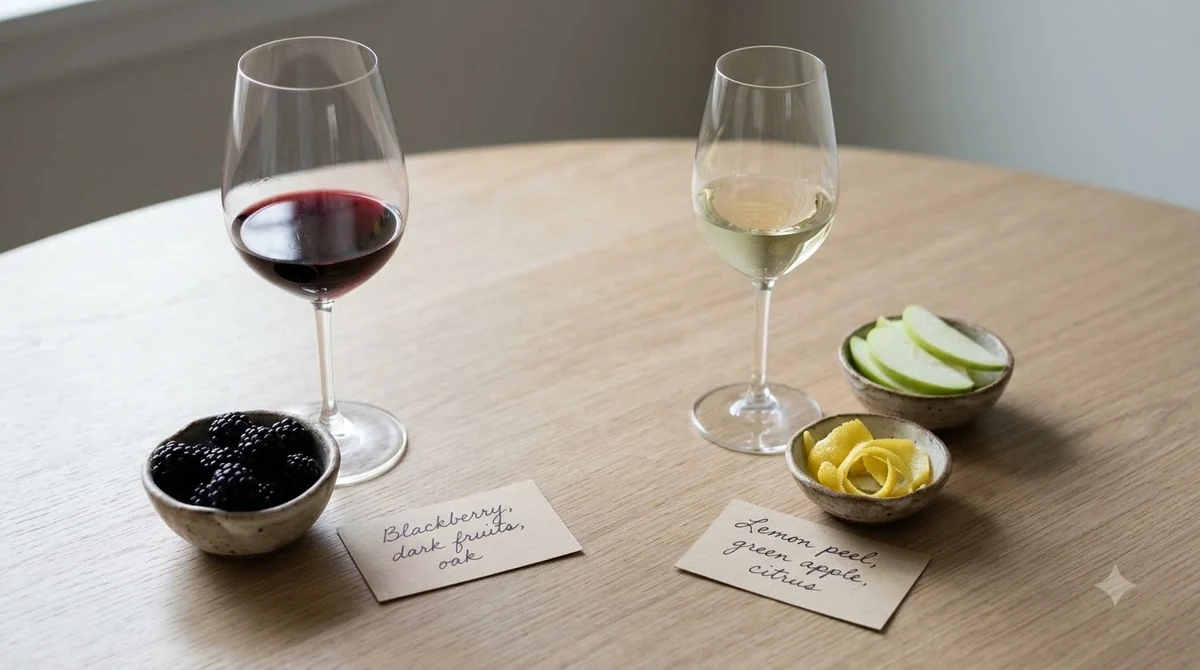
- Look for recognizable tasting characteristics. Plum, blackberry, black cherry, violet, and subtle spice are common Malbec descriptors. Vanilla, coffee, and chocolate can indicate oak influence. Choose a profile that matches the flavors you already enjoy.
- Compare the complete label. Pay attention to the producer, country, region, grape variety, and any stated aging information. If you are comparing two bottles, these details are more informative than decorative illustrations or claims about exceptional quality.
- Consider how the wine will be served. A fruit-forward Malbec intended for pizza or burgers does not need complicated preparation. A more concentrated bottle can benefit from a little aeration and a larger wine glass. Match the purchase to the occasion rather than automatically choosing the most elaborate option.
It is also useful to keep track of wines you enjoy. Note the producer, region, and general flavor profile after opening a bottle. Over time, these simple observations can help identify which styles consistently suit your preferences.
For shoppers comparing several types of red wine, the broader Wine Buying Guides collection can help explain regional terminology, grape varieties, and common label descriptions. Learning these basics makes future purchases more straightforward, particularly when exploring unfamiliar producers.
Do not assume that the newest-looking label represents the freshest or most enjoyable wine. Malbec is generally approachable when young, but vintage information alone is not a complete quality assessment. The producer’s style, storage conditions, and intended drinking window all contribute to the final experience.
Types and Styles Explained
Affordable Malbec is not a single uniform style. Differences in geography, harvest conditions, blending, and oak treatment create wines ranging from bright and uncomplicated to darker, more structured expressions.
Fresh Argentine Malbec
This is the familiar entry point for many shoppers. Fresh Argentine Malbec generally emphasizes plum, blackberry, cherry, and other ripe fruit characteristics. It is often made for relatively early drinking rather than extended cellar aging.
These wines are useful for everyday meals because they offer recognizable Malbec character without demanding extensive preparation. They can work with burgers, grilled sausages, roasted vegetables, and tomato-based pasta dishes. A straightforward bottle with balanced tannins and fresh fruit is often a sensible starting point for someone discovering the variety.
Mendoza Malbec
Mendoza is the leading reference point for Argentine Malbec. The region’s sunny conditions and substantial vineyard elevations help produce grapes with ripe flavors and a balance of fruit and acidity.
Broader Mendoza-designated wines can be approachable and versatile. They are often useful for shoppers who want a recognizable regional identity without specifically seeking a single-vineyard expression. The Uco Valley and Luján de Cuyo offer more detailed regional identities, although the presence of either name does not automatically establish that a bottle is superior.
Uco Valley and Higher-Altitude Malbec
Higher-altitude growing areas can produce Malbec with a different balance of ripeness, acidity, and tannin. Cooler nighttime temperatures help preserve freshness while sunny days encourage grape ripening.
The Uco Valley and Gualtallary are particularly interesting areas for shoppers who want to explore more structured Argentine Malbec. These wines may show firmer tannins, more pronounced acidity, and greater aging potential than uncomplicated everyday examples. However, regional prestige should not replace personal preference. A fresh, affordable Mendoza wine may be more enjoyable for casual drinking.
Unoaked Malbec
Unoaked Malbec emphasizes the natural fruit character of the grape. Expect plum, blackberry, and cherry to take the leading role, with less emphasis on vanilla, toast, or coffee.
This style is useful for shoppers who prefer a direct expression of the variety. It also makes sense for food pairings where the wine should complement rather than compete with seasoning and cooking flavors. Grilled vegetables, burgers, and simple pasta dishes are particularly suitable options.
Oak-Aged Malbec
Oak-aged Malbec can introduce additional layers of vanilla, chocolate, coffee, and baking spice. The amount of influence depends on the type of barrel, the time spent aging, and whether the winery uses new or previously used oak.
Wine Folly notes that affordable versions may spend approximately four to six months in oak, while some higher-end examples receive considerably longer aging. That does not mean every inexpensive bottle should avoid oak. Moderate oak influence can add texture and complexity without overwhelming the fruit.
French Malbec from Cahors
Shoppers interested in alternatives to Argentina can explore Cahors in southwestern France. French Malbec, also known as Côt, often has a darker, firmer, and more tannic character than many approachable Argentine examples.
These wines can show black fruit, earthy notes, spice, and a more structured finish. Cahors is worth exploring if you prefer a firmer red wine, although it is not necessarily the easiest introduction to Malbec for someone who primarily enjoys soft, juicy reds.
There is also a difference between dry and sweet wine that deserves attention. Most traditional red Malbec is dry, regardless of its ripe fruit flavors. Shoppers specifically looking for a sweeter profile should compare sweet malbec selections with conventional dry examples rather than relying on the grape name alone.
Common Mistakes When Buying Cheap Malbec
The biggest purchasing mistakes involve confusing fruitiness with sweetness, assuming higher prices guarantee better quality, and overlooking regional differences. Avoiding these habits makes it easier to identify wines that genuinely suit your preferences.
Confusing Fruity Flavors with Sugar
Malbec can taste richly fruity without being sweet. Ripe plum and blackberry flavors may create a soft, almost sweet impression, but the wine can still be fermented dry. This is one of the most important distinctions for shoppers who prefer fruit-forward red wines but do not want noticeable residual sugar.
Pay attention to the overall structure. A dry Malbec should generally have fruit flavors balanced by acidity and tannins rather than a sugary finish. If sweetness is your priority, look for a specifically sweeter style instead of assuming that any inexpensive Malbec will deliver it.
Choosing by Label Design
Dark bottles, elaborate illustrations, and impressive-sounding names do not establish wine quality. A simpler bottle from a recognizable producer may offer a more enjoyable drinking experience than packaging designed to suggest luxury.
Use the producer, region, grape, and winemaking information as your primary comparison points. A Mendoza designation and clear Malbec identity provide more useful information than decorative claims about tradition or exclusivity.
Assuming Every Argentine Malbec Tastes the Same
Argentina produces several different Malbec expressions. A broad Mendoza bottling may be fruit-driven and approachable, while a higher-altitude Uco Valley wine can show firmer structure and more noticeable acidity.
These differences matter when selecting food pairings. A softer, fruit-forward wine may suit pizza and burgers, whereas a more structured version can stand up to grilled beef and richer preparations.
Expecting Expensive Oak Characteristics in Every Bottle
Some shoppers associate quality with prominent vanilla, smoke, chocolate, and toast. Those characteristics can be attractive, but they are not essential to good Malbec. A fresh, unoaked bottle can show excellent varietal character through fruit, acidity, and texture alone.
Extended oak aging also increases production costs. For everyday drinking, choosing a well-made fruit-focused wine may be more practical than paying for a more elaborate winemaking approach that does not match your preferences.
Ignoring Food Compatibility
Malbec is versatile, but that does not mean it suits every meal equally well. Its tannins and fuller body can overwhelm delicate dishes, particularly mild seafood and lightly seasoned vegetables.
It generally performs better with grilled meat, rich sauces, roasted mushrooms, and hard cheeses. Avoid pairing heavily tannic red wine with oily fish, which can create an unpleasant metallic impression. Very spicy food can also make alcohol and tannins seem more pronounced.
Care, Serving, and Storage Tips
Proper serving and storage help affordable Malbec show its fruit and structure at their best. A few simple habits, including serving at approximately 60–65°F and keeping opened bottles refrigerated, can make a noticeable difference.
Serve Slightly Cool
Malbec should generally be served at approximately 60–65°F. This is cooler than a typical warm room, especially during hot weather. Excessive warmth can make alcohol feel more prominent and cause the wine to seem heavier than intended.
If the bottle has been stored at room temperature, place it in the refrigerator for approximately 20 minutes before serving. Adjust the timing according to the starting temperature. The objective is to cool the wine gently rather than serve it extremely cold.
Choose a Suitable Glass
A standard red wine glass with a reasonably generous bowl is suitable for Malbec. The additional space allows the wine to be swirled, helping release aromas of plum, blackberry, spice, and oak.
A universal wine glass is also perfectly practical. There is no need to purchase specialized glassware simply to enjoy an affordable bottle. A clean glass with enough room for the wine to move is the important consideration.
Decide Whether to Decant
Most straightforward young Malbec wines can be poured directly from the bottle. However, a more concentrated example may benefit from approximately 30 minutes of aeration.
Decanting allows oxygen to interact with the wine, helping some aromas become more expressive. It can also make a structured red feel more approachable. A large glass can provide a similar effect over the course of a meal, so a dedicated decanter is optional for everyday drinking.
Store Unopened Bottles Properly
Wine should be stored in a cool, dark place with a relatively stable temperature. A location near 55°F is a useful storage target. Avoid direct sunlight, repeated temperature changes, and areas near ovens, radiators, or other heat sources.
Traditional cork-finished bottles are generally best stored horizontally so the cork remains in contact with the wine. This helps prevent the cork from drying out over extended storage periods. Everyday Malbec is usually intended to be enjoyed while its fruit is fresh, so there is little reason to keep inexpensive bottles for many years.
Preserve Opened Wine
Once opened, recork the bottle and place it in the refrigerator. Most still wines, including Malbec, retain their best character for approximately three to five days after opening when properly stored.
Allow refrigerated red wine to warm slightly before pouring another glass. Taking it out approximately 15–20 minutes before serving can help restore some of its aromatic expression, depending on the refrigerator temperature and room conditions.
Serving size also helps with planning. A standard 750 ml bottle provides approximately five 5-ounce glasses. This makes it straightforward to estimate how many bottles are needed for a dinner with several guests without opening more wine than necessary.
Frequently Asked Questions
Is Malbec a good red wine for beginners?
Yes. Malbec is a useful starting point for people exploring red wine because its dark fruit flavors are recognizable and its texture can be approachable. Its thick grape skins contribute substantial color, which is why the wine often appears deep purple or nearly opaque in the glass.
Is Malbec the same grape as Merlot?
No. Malbec and Merlot are different grape varieties, although both are permitted in traditional Bordeaux red blends. Malbec generally has darker fruit characteristics, while Merlot commonly emphasizes softer plum and red cherry flavors.
Can Malbec be made into rosé wine?
Yes. Although red Malbec is much more widely recognized, the grape can also produce rosé. These wines are made using different skin-contact techniques, which help determine their color and extraction level.
What does Côt mean on a French wine label?
Côt is another name for Malbec, particularly associated with southwestern France. It is commonly encountered in connection with Cahors, where the grape has a long regional history and often produces more structured red wines.
When is World Malbec Day celebrated?
World Malbec Day takes place on April 17. The date commemorates an important milestone in the history of Malbec in Argentina and provides an annual opportunity for wineries and wine enthusiasts to celebrate the variety.
Cheap Malbec can be a rewarding everyday purchase when you focus on regional identity, ripe fruit, balanced tannins, and a style that matches your meals. Start with a straightforward Argentine bottle from Mendoza, explore different oak treatments and growing areas, and pay attention to the producers you enjoy. A little knowledge about the grape makes it easier to find satisfying red wine without paying for features you do not need.
More in Wine Buying Guides
 Cheap Red Blend: How to Find a Flavorful Bottle for LessUpdated Nov 20, 2026
 Pinot Grigio Gift: How to Choose a Bottle They’ll EnjoyUpdated Nov 20, 2026
 Best White Wine at Total Wine for Every MealUpdated Nov 20, 2026
 Wine Fridge Replacement Shelves: Find the Right FitUpdated Nov 20, 2026
 Best Sparkling Wine Under 20: Find Bubbles Worth BuyingUpdated Nov 20, 2026
 Best Wine For Birthday Celebrations With Perfect Party PairingsUpdated Nov 20, 2026