

We may earn a commission when you buy through links on this page, at no extra cost to you. Learn more.
A Charlottesville wine tasting usually means a day among the rolling hills of the Monticello American Viticultural Area, where dozens of estate wineries pour Virginia wines made from Viognier, Cabernet Franc, Chardonnay and Bordeaux-style blends. Most tasting rooms are a short drive from town, many sit on working farms, and reservations are common on weekends and during the fall harvest season.
This guide explains what to expect from a Charlottesville wine tasting, which grapes and styles are most often poured, how a typical day is organized, and how to plan a visit that fits your time and tastes. It also covers serving and food pairing so you can get more from each pour.
Why Charlottesville Is a Wine Destination
Charlottesville sits inside the Monticello AVA, a federally recognized growing area that was approved in 1984. Reference sources describe the district as having more than 30 wineries, with roughly 30 grape varieties planted across the area. The soils are largely granite-based clay loam, and the climate is humid with a long growing season, which gives winemakers a wide range of grapes to work with.
That mix of grapes and small producers is the main reason visitors come. Some wineries focus on European-style reds, others on crisp whites, and several make sparkling wine or fruit-forward blends for casual sipping. Because the tasting rooms are spread across the countryside rather than clustered in one strip, a visit often feels more like a farm outing than a city tour.
The region also draws a mix of visitors. Weekend trips often bring couples and small groups, while weekday visitors tend to be wine students, collectors and people combining a tasting with a stay at a nearby inn. That variety means tasting staff are used to answering detailed questions as well as casual ones, which helps newcomers who are still learning the vocabulary.
Grapes and Styles You Will Taste
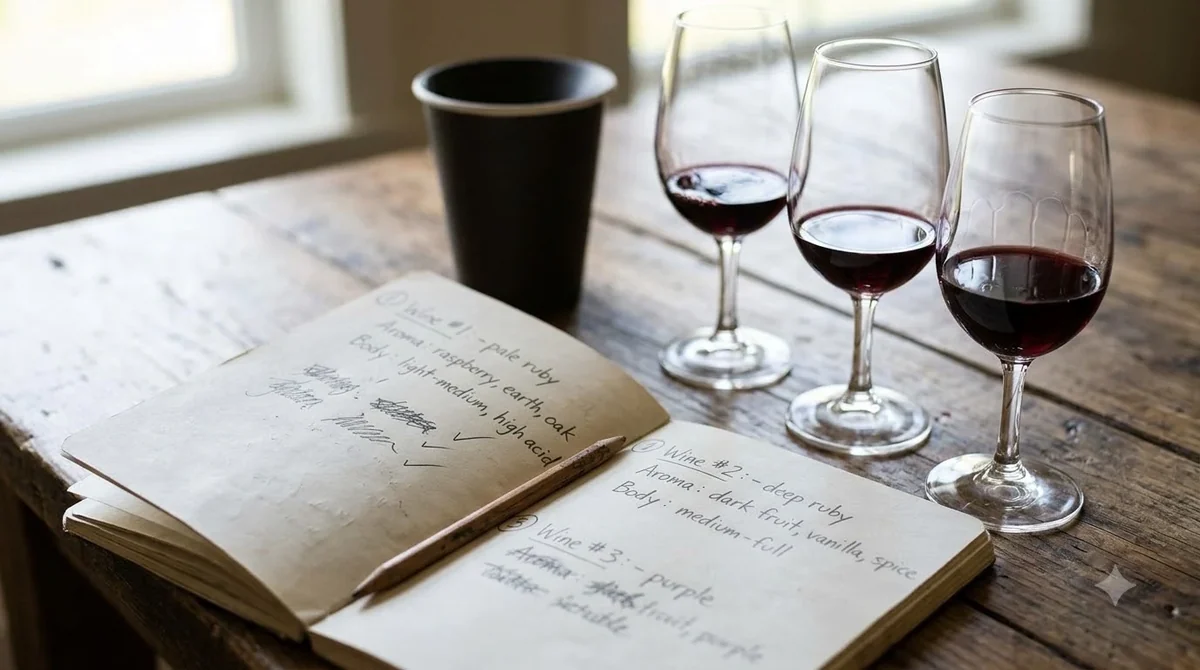
Most Charlottesville wine lists lean on a handful of grapes. Viognier is the signature white in many parts of the state, with aromas of apricot, honeysuckle and white peach. Cabernet Franc is the red that shows up most often, and reference guides describe it as having red fruit, herbal notes and bell pepper, with medium-high acidity and tannin. Chardonnay appears in both oaked and unoaked versions, and Bordeaux-style blends built around Cabernet Sauvignon and Merlot are common at estates that want a structured red for cellaring.
When you read a tasting menu, look for the grape name first and the style second. A Cabernet Franc labeled as a varietal will usually be lighter and more aromatic than a Bordeaux-style blend from the same winery. Both can be good choices, depending on whether you want something to drink with dinner or something to age for several years.
For a deeper look at the grape itself, the VinePair guide to Cabernet Franc explains how climate changes its flavor, from cool-climate red fruit to riper, more concentrated styles.
How a Charlottesville Tasting Day Works
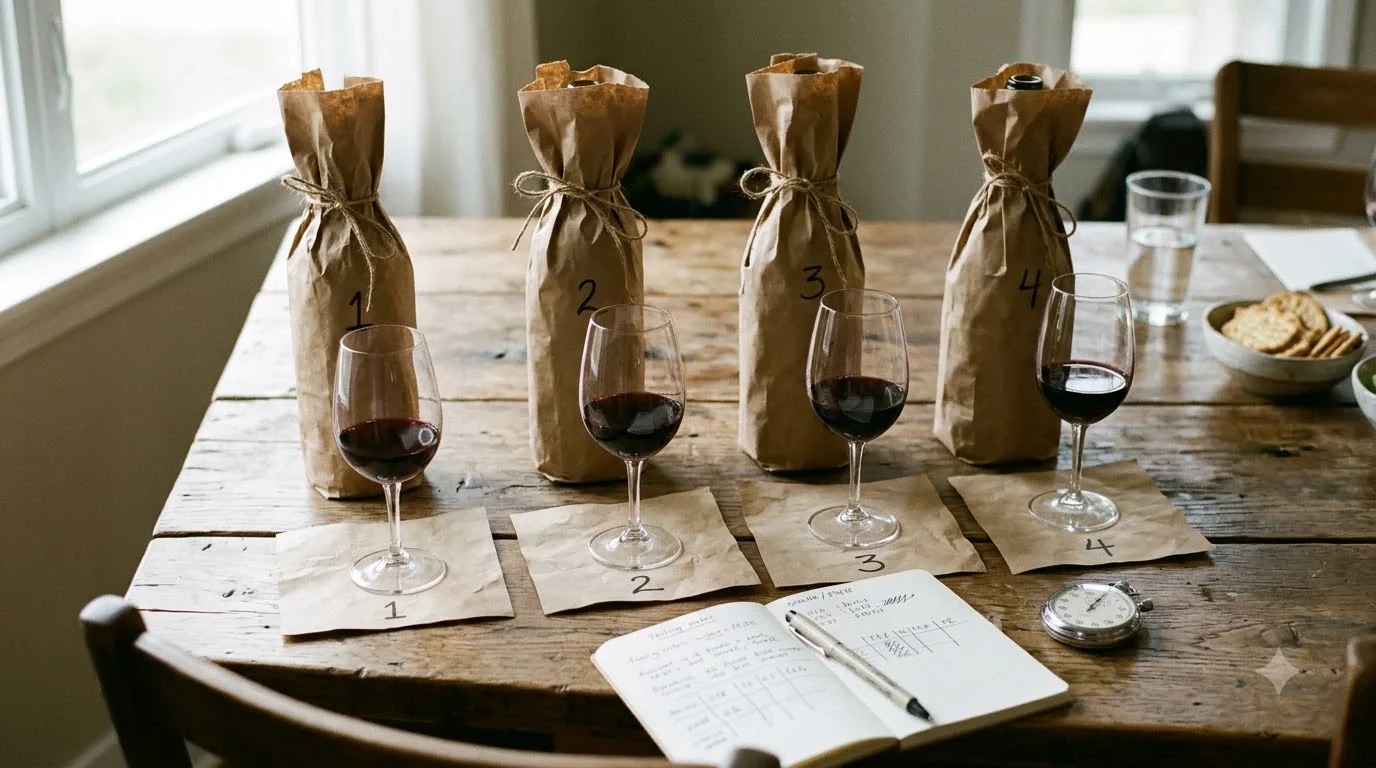
A typical day starts with two or three stops, spaced far enough apart that you are not rushing between them. Many tasting rooms offer a seated flight of four to six pours, while others run a standing bar with a few options by the glass. Staff usually explain each wine, and it is normal to ask questions about how the vineyard is farmed or how long a wine has been aged.
Plan for travel time between wineries, since rural roads can be slow and parking is sometimes limited on busy days. Many visitors also add a food stop or a picnic. Some estates have restaurants on site, while others allow guests to bring their own food to enjoy on the lawn.
Pace matters more than the number of stops. A tasting at a large estate with a long flight can take an hour or more, while a standing bar at a small producer may take twenty minutes. Build in water and something to eat between pours, and avoid planning a third winery if the first two ran long. Guests who try to fit too much into one afternoon usually remember less of the wines they tasted.
Many tasting rooms also offer vineyard walks, barrel tastings or seasonal events such as harvest dinners and music nights. These extras are often bookable in advance and can cost more than a standard flight, so check the event calendar before you choose a date. Ask the staff which wines in the flight are their current favorites, since those bottles are often the most interesting part of the lineup.
| Visit type | What it usually includes | Best for |
|---|---|---|
| Single estate visit | Seated flight, vineyard view, staff tour | Learning one producer well |
| Two-stop afternoon | Two flights and a light snack | First-time visitors |
| Guided group tour | Transport, several stops, lunch | Visitors who do not want to drive |
| Harvest-season visit | Busy tasting rooms, special events | Those who enjoy a lively atmosphere |
Serving Tips and Food Pairing
Serving temperature changes how a wine tastes, so ask for a little time with a glass before judging it. Reference guides suggest serving Cabernet Franc slightly below room temperature, roughly 60 to 68 degrees Fahrenheit, which keeps the fruit lively and the tannins smooth. Lighter reds can be chilled a little more, while fuller Bordeaux-style blends often open up after about 30 minutes in the glass.
Food pairing is easier than it sounds. Viognier works well with roast chicken, shellfish and creamy pasta sauces. Cabernet Franc pairs with tomato-based dishes, grilled vegetables and herb-heavy recipes, since its herbal and pepper notes match fresh thyme or sage. Chardonnay with a little oak is a good match for mild cheeses and roasted pork.
Tip: Ask the tasting staff which bottle they would pair with the food you plan to eat, then compare it with the wine you already like. Small pours make this easy.
Planning Your Visit
Choose a short list of wineries before you go, and check whether each one requires a reservation. Weekend afternoons fill up quickly, especially in spring and early fall. Weekday visits are often quieter and give staff more time for questions. If you are visiting in the fall, expect the busiest weeks to coincide with harvest and the local festival season, when parking lots fill early and tasting rooms may limit walk-in seating. If you plan to buy bottles, ask whether the estate ships to your state, since shipping rules for wine vary widely across the United States.
If you are comparing regions, the wine regions guide explains how Virginia’s growing areas differ from other parts of the country. For a similar trip style in another part of the country, see the Cape May wine tasting guide or the Columbia Gorge wine tasting overview, which cover coastal and river-valley visits.
Frequently Asked Questions
How many wineries are in the Charlottesville area?
Reference sources describe the Monticello AVA as having more than 30 wineries. The exact number changes as new estates open, so check a current regional map before planning a route.
Do I need a reservation for a Charlottesville wine tasting?
Many wineries accept walk-ins on weekdays, but reservations are strongly recommended for weekends and for seated flights. Some estates require booking for groups above a certain size.
What is the most common grape at Charlottesville wineries?
Viognier and Cabernet Franc are among the most widely poured grapes in the area. Chardonnay and Bordeaux-style blends are also common, and many estates make a range of styles.
Is a Charlottesville wine tasting suitable for beginners?
Yes. Tasting rooms are used to explaining wine to first-time visitors, and most offer small pours that let you compare styles without committing to a full glass. Asking questions is part of the experience.
A Charlottesville wine tasting works best when you pick a few estates, leave time between stops, and ask staff what makes each wine different. Start with a Viognier and a Cabernet Franc, compare them side by side, and note which style you prefer before buying a case. Drink responsibly, and arrange a designated driver or a tour if you plan to visit several wineries in one day.
More in Wine Regions
 Willcox Wine Trail: Discover Arizona’s High-Elevation Wine CountryUpdated Nov 20, 2026
 Yakima Valley Wine Region: Find the Best Styles to TryUpdated Nov 20, 2026
 Vosne Romanee Wine Tasting: Identify Aromas and Choose Better PairingsUpdated Nov 20, 2026
 Yakima Valley Wine Festival: Find the Best Seasonal Wine EventsUpdated Nov 20, 2026
 Wales Vineyards: Discover Cool-Climate Wines and Where to VisitUpdated Nov 20, 2026
 Yountville Wine Festival: Discover Napa Wines and Local FoodUpdated Nov 20, 2026