

We may earn a commission when you buy through links on this page, at no extra cost to you. Learn more.
The best champagne under 50 is usually a non-vintage Brut from a respected Champagne house or an independent grower, offering traditional bottle-fermented character, fresh acidity, and balanced fruit without the cost of prestige cuvées. Strong candidates include Henriot Brut Souverain NV, Nicolas Maillart Platine Brut Premier Cru, Boizel Brut Réserve, and Gremillet Sélection Brut. The right choice depends on whether you prefer crisp citrus, ripe apple, toasted brioche, or a richer Pinot Noir-driven style. Start by comparing the producer, grape blend, sweetness level, and intended food pairing rather than choosing by label recognition alone.
Champagne has a reputation for special occasions, but a sensible buying budget can still open the door to interesting producers and carefully made wines. The trick is understanding what different bottles offer. Some emphasize freshness and citrus, others bring richer fruit and bread-like aromas, and independent growers can offer distinctive expressions of individual vineyard areas. This guide explains how to compare those choices, recognize worthwhile styles, and serve your bottle properly.
Who Should Buy Champagne in This Price Category
Champagne in this category suits buyers who want authentic French sparkling wine for celebrations, dinner parties, gifts, or a more interesting weekend bottle. Non-vintage Brut is usually the most practical starting point because it emphasizes a producer’s recognizable house style rather than the character of one harvest.
First-time Champagne buyers should look for established producers with recognizable entry-level cuvées. Taittinger, Deutz, Piper-Heidsieck, and Moët & Chandon are useful names to understand because their house styles offer different approaches to fruit, acidity, and texture. Wine Folly describes Taittinger as relatively lean and refined, with yellow plum, white cherry, and bready notes. Deutz is associated with richer, buttery, marzipan-like character, while Piper-Heidsieck leans toward salty, smoky, and clean flavors.
More experienced drinkers may prefer to explore grower Champagne. These producers generally work more directly with their own vineyards and can emphasize particular villages, grape varieties, and farming decisions. Guy de Forez Tradition Brut, for example, is a Pinot Noir-based grower Champagne from the Côte des Bars. L. Aubry Fils Brut offers another interesting direction, with Premier Cru vineyard fruit and a substantial perpetual reserve component.
Champagne also makes sense for buyers who want traditional-method sparkling wine rather than simply a bottle with bubbles. Its second fermentation takes place inside the bottle, helping produce the fine mousse and lees-derived flavors associated with the category. Buyers seeking a less expensive alternative can also investigate Crémant from Alsace, Burgundy, or the Loire, although those wines are not legally Champagne.
The main audience for this category includes three groups:
- Celebration buyers: People who want recognizable Champagne character for birthdays, holidays, anniversaries, and New Year’s Eve.
- Food-focused drinkers: People who appreciate sparkling wine with oysters, seafood, poultry, fried appetizers, and creamy dishes.
- Curious wine enthusiasts: Buyers interested in comparing grower producers, established houses, Chardonnay-led blends, and Pinot Noir-driven wines.
If the bottle is intended as a gift, a recognizable house may be the easiest choice. If the recipient already knows Champagne, an independent producer or less familiar Premier Cru bottling can make a more interesting selection.
Key Factors to Compare Before Buying
The most useful buying criteria are producer reputation, grape composition, sweetness, aging character, and the wine’s intended role at the table. These factors tell you considerably more about a Champagne’s likely personality than elaborate packaging or a familiar label.
Producer and blend: Start with the producer’s approach. Larger Champagne houses blend wines from different vineyards and harvests to maintain a recognizable style. Grower producers can offer a more localized expression of their vineyards. Neither approach is automatically superior; the important question is whether the style matches your preferences.
Chardonnay generally brings freshness, acidity, and citrus character. Pinot Noir contributes structure, red-fruit suggestions, and greater weight, while Pinot Meunier often adds approachable fruit and roundness. A balanced blend can combine all three characteristics, although individual producers vary in their proportions and winemaking decisions.
Sweetness: Brut is the most versatile starting point for many buyers. Extra Brut and Brut Nature are drier options, while Extra Dry is actually sweeter than Brut. The sweetness classification refers to residual sugar, not simply how fruity a wine smells. Buyers who enjoy a softer, sweeter sparkling wine should compare sweet Champagne styles rather than assuming every bottle labeled Brut will taste identical.
Aging and texture: Time spent aging on the lees can contribute aromas associated with bread, pastry, nuts, and brioche. A youthful Champagne may emphasize lemon, apple, and fresh fruit, while a bottle with more developed lees character can seem creamier and more layered. Lees aging is one reason traditional-method Champagne can offer a different experience from tank-fermented sparkling wine.
Use the following comparison as a starting point when reading descriptions and choosing a bottle.
| Buying factor | What to look for | Likely character | Best use |
|---|---|---|---|
| Grape blend | Chardonnay-led | Citrus, apple, freshness | Seafood and aperitifs |
| Grape blend | Pinot Noir-led | White cherry, fuller texture | Roast poultry and richer dishes |
| Grape blend | Three-grape blend | Fruit, freshness, structure | General entertaining |
| Sweetness | Brut Nature | Very dry, lean impression | Oysters and salty appetizers |
| Sweetness | Extra Brut | Dry, focused character | Shellfish and savory food |
| Sweetness | Brut | Balanced dry style | Versatile food pairing |
| Serving | 40–50°F | Fresh, lively bubbles | General Champagne service |
| Pour size | 5 oz | Standard wine serving | Individual glass |
Another useful distinction is the difference between a house Champagne and a grower Champagne. A large house often has access to fruit from numerous vineyard sources, helping maintain consistency. An independent grower may offer more noticeable differences between villages, vineyard sites, and individual cuvées.
For further comparisons between producers, consult our overview of the best Champagne brands. It helps explain why familiar houses and smaller producers can offer quite different experiences even within the same general style.
Step-by-Step: How to Choose the Right Bottle
A simple selection process makes Champagne shopping easier. Begin with the occasion, establish your preferred sweetness and flavor profile, and then narrow the choices by producer and grape composition.
-
Decide whether authentic Champagne is essential.
If the protected Champagne designation matters, look for wine produced in the Champagne region of France. Crémant, Cava, Prosecco, and American sparkling wine can all be enjoyable alternatives, but they are different categories. Wine Folly explains the distinction between Champagne and other traditional-method sparkling wines in its guide to Champagne and sparkling wine by budget.
-
Start with a non-vintage Brut.
Non-vintage Champagne blends wines from multiple harvests to create a consistent house style. This makes it a sensible first purchase because the producer’s signature character is usually more important than finding a particular vintage. Brut also provides a useful middle ground between very dry and noticeably sweet sparkling wines.
-
Choose the flavor profile you enjoy.
For citrus, green apple, and a fresh finish, explore Chardonnay-led wines. For more body, white cherry, and a fuller impression, consider Pinot Noir-driven bottles. If you prefer a combination of fruit, acidity, and structure, a traditional three-grape blend is a practical starting point.
-
Compare the producer’s approach.
Established houses such as Henriot, Taittinger, Deutz, and Piper-Heidsieck offer recognizable house styles. Independent producers such as Guy de Forez and L. Aubry Fils provide opportunities to explore more specific grower expressions. Look at the producer’s reputation and the character of the individual cuvée.
-
Consider how the Champagne will be served.
A bottle intended for oysters or a seafood appetizer benefits from a dry, high-acidity profile. For a dinner featuring roast chicken, creamy pasta, or salty appetizers, a fuller Champagne can work particularly well. If the bottle is intended for a dessert course, choose a Champagne at least as sweet as the dessert.
-
Check bottle condition and storage history.
Purchase from a retailer with good stock rotation and appropriate storage conditions. Avoid bottles that have been exposed to prolonged heat or direct sunlight. A damaged capsule, leaking closure, or unexpectedly low fill level can also be a reason to choose another bottle.
-
Plan the serving temperature.
Refrigerate the bottle before serving and aim for approximately 40–50°F. This keeps the wine refreshing while allowing its aromas and texture to remain accessible. Open it carefully, keep the bottle chilled between pours, and use appropriate sparkling wine glasses.
Tip: When comparing two unfamiliar bottles, prioritize the producer, grape composition, and sweetness classification before considering label design. A clearly described non-vintage Brut from a respected producer is often a more dependable starting point than an unfamiliar bottle selected solely for its presentation.
These steps also help prevent a common purchasing mistake: confusing a prestigious-looking label with a style that suits the occasion. A crisp, lean Champagne can be excellent, but it may not be the most satisfying choice for someone who prefers rich, toasty sparkling wine.
Champagne Types and Styles Explained
Champagne comes in several recognizable styles, and each can suit a different palate or occasion. Understanding the differences between Brut, Extra Brut, Blanc de Blancs, Blanc de Noirs, rosé, and vintage Champagne makes it easier to select a bottle with the right character.
Brut: Brut is the familiar dry Champagne category and is a versatile choice for general entertaining. It can combine citrus, apple, floral notes, and subtle bread-like aromas. Because individual producers use different blends and dosage levels, two Brut Champagnes can still taste quite different.
Extra Brut and Brut Nature: These categories appeal to drinkers who prefer particularly dry sparkling wine. Brut Nature is the driest category in the standard Champagne sweetness classification, followed by Extra Brut and then Brut. Their restrained sweetness can work especially well with oysters, shellfish, and savory appetizers.
Blanc de Blancs: This style is made entirely from white grapes, most commonly Chardonnay. Expect a profile that emphasizes citrus, apple, freshness, and sometimes floral or chalk-like impressions. It is a natural choice for aperitif service, delicate seafood, and lighter dishes.
Blanc de Noirs: Blanc de Noirs is white Champagne made from black grape varieties, typically Pinot Noir, Pinot Meunier, or both. Despite the dark-skinned grapes, the wine is not necessarily pink. It often offers a fuller impression, with white fruit and additional texture.
Rosé Champagne: Rosé adds red-fruit character, often suggesting strawberry, raspberry, or cherry. Its appearance can range from pale salmon to deeper pink. It is particularly useful with charcuterie, salmon, roast poultry, and fruit-based desserts that are not sweeter than the wine.
Vintage Champagne: Vintage Champagne comes from a single harvest rather than a blend designed to maintain a consistent non-vintage profile. It can express the conditions of a particular growing season and often receives extended aging. For buyers prioritizing value and consistency, non-vintage Champagne is usually the easier place to begin.
There are also meaningful differences in the sweetness classifications. The following order runs from driest to sweetest:
- Brut Nature
- Extra Brut
- Brut
- Extra Dry
- Dry
- Demi-Sec
- Doux
Extra Dry is a particularly confusing term because it is sweeter than Brut. Buyers who prefer a noticeably sweet sparkling wine should pay attention to the classification rather than relying on the English meaning of the words.
Another useful distinction is the winemaking method. Champagne undergoes its second fermentation in the bottle, whereas Prosecco is generally made using the tank method. Prosecco is primarily produced from Glera grapes and generally has a fruit-forward profile, making it a different choice rather than a direct substitute in flavor and texture.
For drinkers who want to explore a particularly dry profile, our explanation of dry Champagne provides more detail about sweetness classifications and what to expect in the glass.
Common Champagne Buying Mistakes
The most frequent mistakes involve misunderstanding sweetness labels, overlooking the producer, and assuming every bottle labeled Champagne will have the same flavor profile. A little attention to the label and intended use can prevent an unsuitable purchase.
Confusing Extra Dry with Brut: Extra Dry sounds like the driest option, but it actually contains more residual sugar than Brut. Someone seeking a crisp, restrained Champagne should compare Brut, Extra Brut, and Brut Nature instead. A buyer who prefers a softer, fruitier impression may find Extra Dry more appealing.
Buying solely for the brand name: Familiar Champagne houses can be dependable, but a famous label does not automatically make a bottle the best match for every palate. Henriot Brut Souverain NV, for example, is described by sommelier Willi Sherer as dry and full-bodied, with toasted brioche, citrus peel, and chalky minerality. That profile may suit someone seeking depth better than someone who wants a particularly light, delicate wine.
Ignoring independent producers: Grower Champagne deserves attention because it can highlight specific vineyards and local grape character. Guy de Forez Tradition Brut is a useful example of a Pinot Noir-focused wine from the Côte des Bars. L. Aubry Fils Brut offers another approach through Premier Cru vineyard sourcing and the use of reserve wines.
Assuming every Champagne is Chardonnay-dominant: Pinot Noir and Pinot Meunier are also important Champagne varieties. A Pinot Noir-led wine may have more body and fruit weight than a lean Chardonnay-focused bottle. Buyers should not assume that every Champagne will taste primarily of lemon and green apple.
Choosing an extremely dry bottle for every occasion: Brut Nature and Extra Brut can be excellent with seafood and salty food, but their lean character may not satisfy someone looking for a rounder sparkling wine. For a general celebration, Brut is often a more flexible choice.
Serving Champagne too warm: Warm Champagne can seem less refreshing and its bubbles may feel more aggressive. Very cold Champagne, however, can suppress aromas and make the wine seem less expressive. The recommended 40–50°F range offers a practical compromise.
Assuming Champagne must be served only as an aperitif: Champagne can accompany an entire meal. Its acidity and bubbles make it particularly useful with salty, fried, creamy, and seafood dishes. A fuller Pinot Noir-led bottle can also work with roast poultry and richer preparations.
Expecting every affordable bottle to taste like prestige Champagne: Non-vintage entry-level bottlings are designed to express a house style consistently and provide an accessible introduction to the region. They are not necessarily intended to imitate long-aged vintage or prestige cuvées. Judge them by balance, freshness, texture, and suitability for the occasion.
Serving and Storage Tips for Better Champagne
Proper temperature and careful handling make a noticeable difference to Champagne. Chilling the bottle before opening, using appropriate glassware, and limiting exposure to air after opening help preserve its freshness and lively bubbles.
Chill before serving: Aim for 40–50°F. A refrigerator is a convenient option, although a wine refrigerator with a suitable temperature setting can also work. If you need to chill a bottle more quickly, use an ice bucket containing a mixture of ice and water rather than leaving the bottle in a warm room.
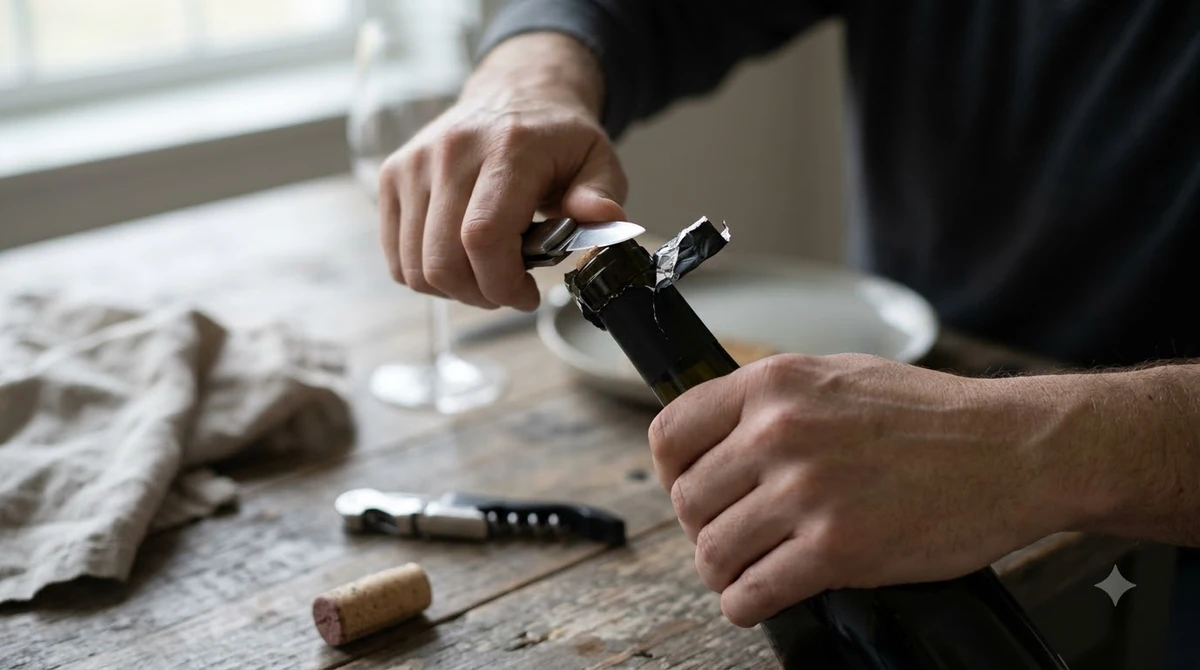
Open carefully: Remove the foil and loosen the wire cage while keeping your thumb over the cork. Hold the cork securely and rotate the bottle slowly, allowing the cork to release with a controlled movement. A quiet release is preferable to a forceful pop because it reduces wine loss and unnecessary pressure.
Choose the right glass: A tulip-shaped sparkling wine glass can help concentrate aromas while preserving the visual appeal of the bubbles. A standard flute emphasizes the rising stream of bubbles but can make it harder to appreciate some of the wine’s more developed aromas. A white wine glass is another reasonable choice for a complex Champagne.
Pour in measured servings: A standard 5-ounce pour is useful for planning a gathering. A 750 ml bottle provides approximately five standard glasses, although smaller pours are common at tastings and receptions. Pour slowly to reduce foam and leave enough room in the glass for the wine’s aromas.
Store unopened bottles correctly: Keep Champagne away from direct sunlight, strong temperature fluctuations, and heat sources. A cool storage area near 55°F is a useful target. Bottles with traditional cork closures are generally stored on their sides for longer-term storage, although maintaining stable temperature and avoiding excessive light are especially important.
Preserve opened Champagne: Refrigerate leftover wine promptly and use a proper sparkling wine stopper. Ordinary corks do not provide the same practical seal after opening. Sparkling wine generally keeps its quality for approximately one to three days in the refrigerator, depending on the wine and the effectiveness of the closure.
Match the food to the wine: Champagne’s acidity and bubbles make it particularly useful with salty and fatty foods. Oysters, shrimp, fried chicken, potato chips, and creamy cheeses can all work well with Brut. Chardonnay-led bottles often suit delicate seafood, while fuller Pinot Noir-driven styles can accompany roast poultry and richer appetizers.
For dessert, sweetness matters. A very dry Brut Nature may taste unusually sharp beside a sugary cake or fruit tart. Choose a Champagne at least as sweet as the dessert to maintain balance rather than making the wine seem excessively acidic.
Frequently Asked Questions
Can Champagne under 50 be made using traditional bottle fermentation?
Yes. Traditional bottle fermentation is central to Champagne production, regardless of whether the bottle is a non-vintage house cuvée or a more prestigious vintage wine. The second fermentation takes place inside the bottle, creating the carbon dioxide responsible for its bubbles. The production method is not reserved for expensive Champagne.
Which Champagne grape is most widely associated with freshness?
Chardonnay is especially associated with freshness, high acidity, and citrus-driven character. It is particularly important in Blanc de Blancs Champagne, which uses only white grapes. Pinot Noir and Pinot Meunier can also contribute freshness, although they often bring different levels of body and fruit character.
Is grower Champagne always better than Champagne from a large house?
No. Grower Champagne can express individual vineyard sites and producer preferences, while large houses can create consistent blends using fruit from multiple sources. Both approaches can produce excellent wine. The better option depends on whether you value a recognizable house style or a more specific grower expression.
Does Champagne have to be served in a flute?
No. A flute is traditional, but a tulip glass or suitable white wine glass can be more useful for appreciating complex aromas. The wider opening of these glasses gives the wine more room to express its fruit, pastry, and mineral characteristics. Choose glassware that balances aroma development with bubble retention.
What is the difference between Champagne and Crémant d’Alsace?
Champagne comes from the legally defined Champagne region of France, while Crémant d’Alsace is produced in Alsace. Both categories can use traditional bottle fermentation, but they have different regional rules, grape selections, and geographical identities. Crémant d’Alsace is an alternative for people who enjoy traditional-method sparkling wine without requiring the Champagne designation.
The best Champagne under 50 is the bottle that combines a producer you trust with the sweetness, grape character, and texture you enjoy. Start with a non-vintage Brut, explore both established houses and independent growers, and match the style to the food and occasion. With the right selection and careful serving, Champagne can make an ordinary dinner or small celebration feel considerably more special.
More in Wine Buying Guides
 Cheap Red Blend: How to Find a Flavorful Bottle for LessUpdated Nov 20, 2026
 Pinot Grigio Gift: How to Choose a Bottle They’ll EnjoyUpdated Nov 20, 2026
 Best White Wine at Total Wine for Every MealUpdated Nov 20, 2026
 Wine Fridge Replacement Shelves: Find the Right FitUpdated Nov 20, 2026
 Best Sparkling Wine Under 20: Find Bubbles Worth BuyingUpdated Nov 20, 2026
 Best Wine For Birthday Celebrations With Perfect Party PairingsUpdated Nov 20, 2026