

We may earn a commission when you buy through links on this page, at no extra cost to you. Learn more.
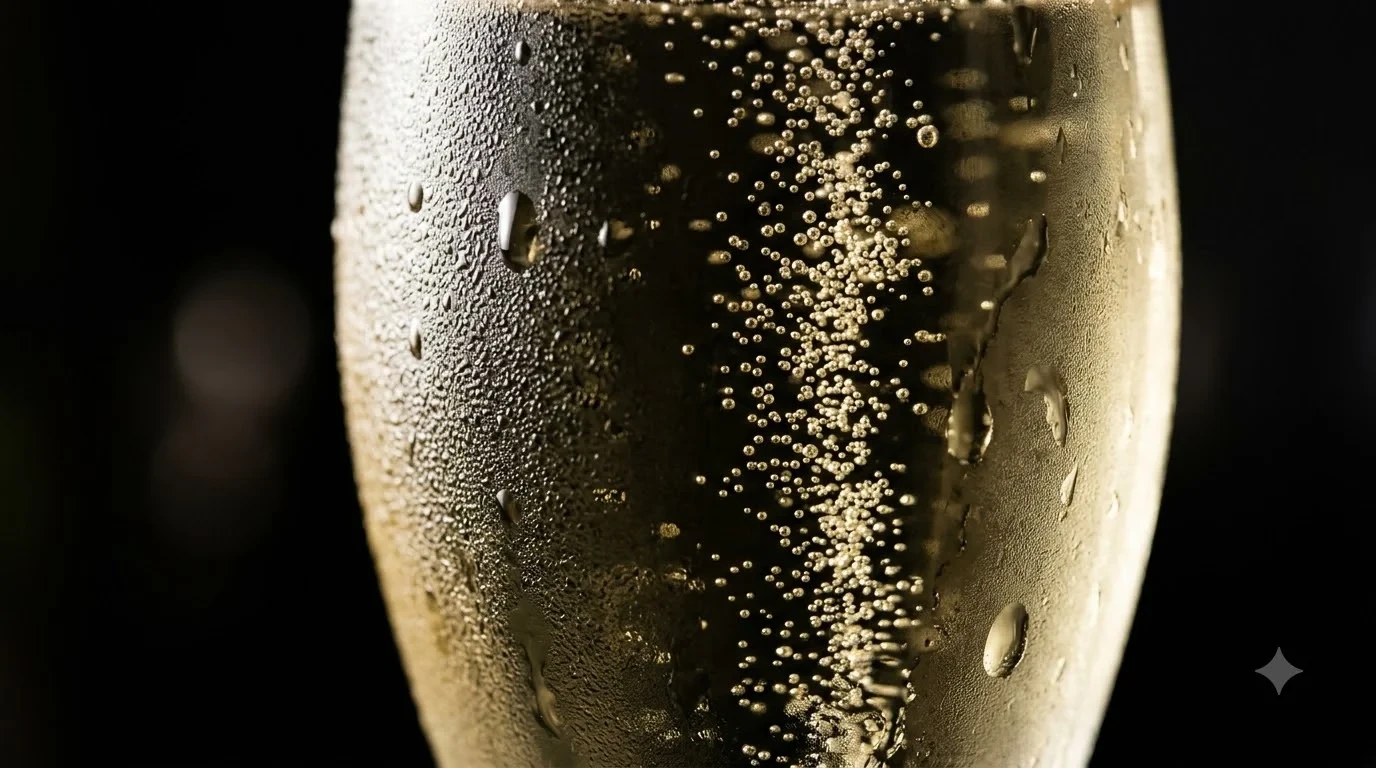
Champagne sangria is a sparkling twist on the classic wine punch, made by combining chilled champagne with fruit, a little liqueur, and sometimes a splash of brandy. The fizz lifts the fruit flavors and makes the drink feel lighter than a still red or white sangria. It works well for brunches, showers, and holiday parties, and it can be mixed in a pitcher just before guests arrive.
This guide explains what champagne sangria is, how it differs from other sangrias, which fruits and sweeteners work best, and how to keep the bubbles alive from the first pour to the last glass.
What Champagne Sangria Is
Traditional sangria is a Spanish-style punch built on a still red or white wine that steeps with fresh fruit. Champagne sangria keeps the fruit-forward idea but swaps the base for a sparkling wine. Most versions use true champagne from France, though many home cooks use a dry sparkling wine from elsewhere, such as cava or prosecco, and still call the drink champagne sangria.
The main difference is texture. Still wine sangria tastes rich and soaked in fruit, while the sparkling version tastes crisp, bright, and dry. Because the carbonation is already doing part of the work, the drink needs less added sugar than many people expect.
Choosing the Right Champagne
For a sangria, pick a dry style. Brut is the most common label and gives the cleanest backdrop for fruit and liqueur. Champagne is usually a blend of Chardonnay, Pinot Noir, and Pinot Meunier, and the producer’s own description of a dry style will tell you whether it will balance a sweet liqueur. Avoid bottles labeled demi-sec or doux unless the recipe calls for extra sweetness, because the sugar in those wines will stack on top of the sugar in the fruit and syrup.
Non-vintage bottles are the usual choice for mixing, since the blend is consistent from year to year and the price is more reasonable for a pitcher. Vintage bottles are better saved for sipping on their own, where their aging and complexity can be tasted without other ingredients getting in the way.
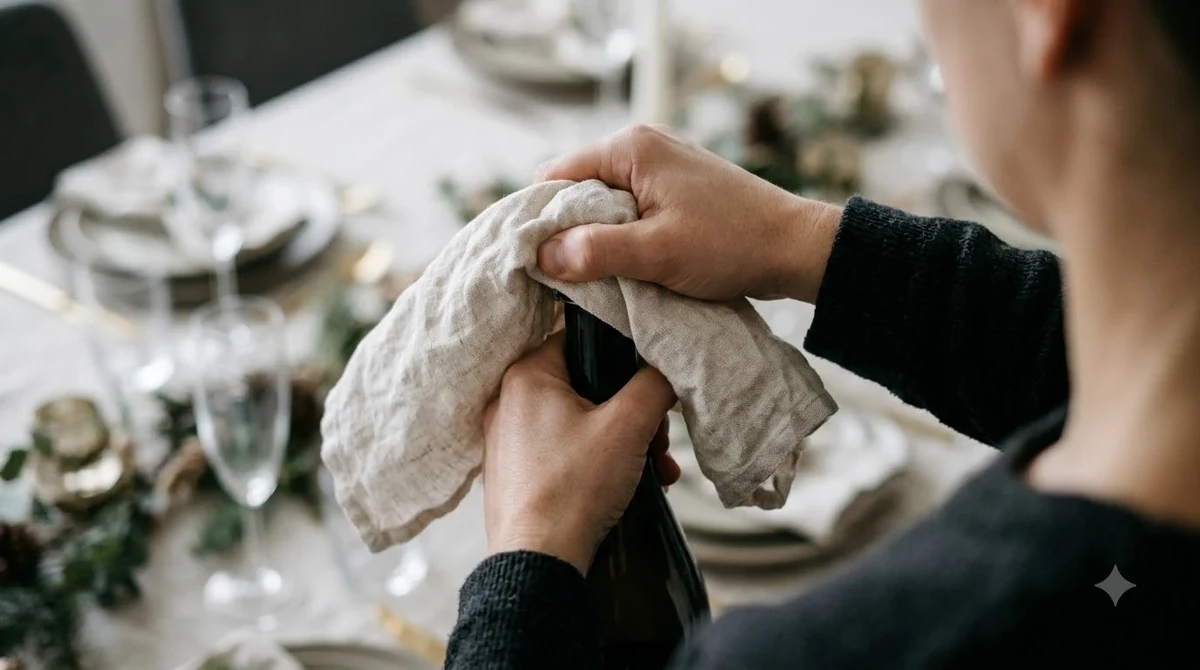
Keep the bottle cold, and open it just before mixing. A chilled bottle loses carbonation more slowly, and warm champagne foams hard when poured over ice or fruit.
Fruits and Flavor Combinations
Fruit is the heart of any sangria, and sparkling wine pairs well with fruit that stays firm and releases juice slowly. Strawberries, raspberries, and sliced peaches are popular choices because they hold their shape in a glass. Citrus adds brightness, and a few orange slices or a lemon twist keep the drink from tasting flat.
Seasonal fruit makes the drink feel different through the year. Pears and apples suit cooler months and pair nicely with a cinnamon stick or a few cloves steeped briefly in the liqueur. In late spring and summer, sliced strawberries, cherries, and melon bring a fresh sweetness that matches the lighter, drier style of most sparkling wines. Because the fruit carries most of the flavor, buying ripe produce matters more than adding extra sugar.
Berries and stone fruit tend to suit a dry champagne best. Tropical fruits like mango and pineapple can work, but they bring more sweetness and can overpower the wine. Fresh herbs such as mint or basil add an aromatic note that many drinkers enjoy.
How to Make a Pitcher
Start with a base of fruit and a small amount of liqueur, then add the champagne at the very end. Macerating the fruit with the liqueur for 15 to 30 minutes lets the juices come out without making the mix soggy. Strain the liquid into a clean pitcher, add the fruit back in, and pour in the chilled sparkling wine slowly along the side of the pitcher so the bubbles stay lively.
Serve the sangria in tall glasses with a few pieces of fruit in each one. Because the drink is meant to be fresh, plan to make only as much as you will use within an hour or two.
| Ingredient | Role in the drink | Tip |
|---|---|---|
| Dry champagne or sparkling wine | Main body and bubbles | Add last and chill well beforehand |
| Orange liqueur | Sweetness and citrus aroma | Use a small measure; it is strong |
| Fresh berries or peach slices | Fruit flavor and color | Cut just before serving |
| Citrus slices | Brightness | Orange or lemon works well |
| Fresh mint | Aroma | Tear leaves lightly to release oils |
Tip: Chill the glasses too. A cold glass keeps the sangria cool and slows the loss of fizz, so the last glass tastes nearly as lively as the first.
Serving and Pairing Ideas
Champagne is commonly served at about 38 to 45 degrees Fahrenheit, according to the champagne guide at Wine Folly, and that range suits a sangria as well. A serving temperature near the cooler end keeps the drink crisp when ice is added.
Serving style matters as much as the recipe. Set out a small bowl of extra fruit so guests can add more to their glass, and place the pitcher in a bowl of ice rather than dropping ice into the drink itself. This keeps the flavor clean and lets people top up without the mix turning watery.
Champagne sangria pairs well with light brunch foods such as smoked salmon, fresh fruit platters, and soft cheeses like brie. Its acidity and fizz also cut through fried or salty snacks. For a dessert pairing, see champagne with dessert for ideas on what sweet dishes suit sparkling wine.
Common Mistakes to Avoid
The most frequent error is adding the champagne too early. If the fruit sits in sparkling wine for hours, the bubbles fade and the fruit turns soft. Another mistake is using a sweet liqueur and a sweet sparkling wine together, which can make the mix taste syrupy. Taste as you go and add liqueur gradually.
Another frequent problem is using the wrong glass. A wide, shallow glass lets the bubbles escape quickly, so a tall flute or a tall tumbler works better for a sangria. Pour gently so the sparkling wine does not foam over the fruit and spill into the pitcher.
Ice can also dilute the drink quickly. If you want to keep the pitcher cold, chill the fruit mixture ahead of time and use a few large ice cubes rather than crushed ice, which melts faster.
Frequently Asked Questions
Can I make champagne sangria ahead of time?
You can prepare the fruit and liqueur mixture a few hours ahead and keep it chilled. Add the sparkling wine only shortly before serving so the drink stays bubbly.
Is champagne sangria sweet?
It depends on the liqueur, the fruit, and the type of champagne you choose. A dry champagne with a light liqueur tastes crisp and fruity. Sweeter versions are possible, but a dry base usually gives a more balanced drink.
Can I use prosecco or cava instead of champagne?
Yes, many people do. Both are sparkling wines that work well in sangria, and a dry style of either will give a similar result at a lower cost. Check that the label says dry or brut.
How long does an opened bottle last in sangria?
Once mixed, the sangria is best within a few hours. Its fizz fades over time, and the fruit can turn mushy, so it is not a good make-ahead drink for the next day.
Champagne sangria is an easy way to serve a festive drink without a complicated recipe. Start with a dry sparkling wine, add fruit and a small amount of liqueur, and keep everything cold until serving. For more background on the wine itself, read champagne history, and for a broader guide to styles, browse Wine by Type. Drink responsibly and enjoy the bubbles while they last.
More in Wine Types & Grapes
 Zinfandel Sugar Content: Dry Red vs. White Zinfandel GramsUpdated Nov 21, 2026
 Best Zinfandel Substitute Options for Sipping and CookingUpdated Nov 21, 2026
 Zweigelt Food Pairing: Best Dishes, Cheeses, and Serving TipsUpdated Nov 21, 2026
 Zinfandel Tannins Explained: How Structure Shapes Every BottleUpdated Nov 21, 2026
 Zinfandel Sweetness Level: Dry Red vs. Sweet White Zin ExplainedUpdated Nov 21, 2026
 Xinomavro Food Pairing: Best Dishes, Styles, and Serving TipsUpdated Nov 21, 2026