

We may earn a commission when you buy through links on this page, at no extra cost to you. Learn more.
Chalk hill wine tasting offers an opportunity to explore distinctive Sonoma County Chardonnay, Sauvignon Blanc, Cabernet Sauvignon, and other wines shaped by volcanic soils and a relatively warm growing climate. Located near Healdsburg in Northern California, the Chalk Hill AVA is recognized for its pale volcanic terrain, rolling vineyard hills, and varied growing conditions. Visitors can explore estate tasting experiences, compare white and red wines, and learn why this small appellation produces a different expression of Sonoma wine country.
Chalk Hill deserves attention from wine enthusiasts who want more than a conventional winery visit. Its combination of hillside vineyards, distinctive geology, and a relatively small number of wineries makes it an interesting destination for discovering how local conditions influence wine style. Whether you prefer richly textured Chardonnay, aromatic Sauvignon Blanc, or structured Bordeaux-inspired reds, understanding the region before arriving makes each tasting more rewarding. This guide explains the appellation, the wines to seek, how to plan a visit, and how to get more from every glass.
Understanding the Chalk Hill Wine Region
Chalk Hill is a small winegrowing appellation in Sonoma County, situated in the northeastern corner of the Russian River Valley. Its warmer conditions, distinctive volcanic soils, and varied elevations help explain why its wines can differ noticeably from those produced in cooler parts of the larger Russian River Valley.
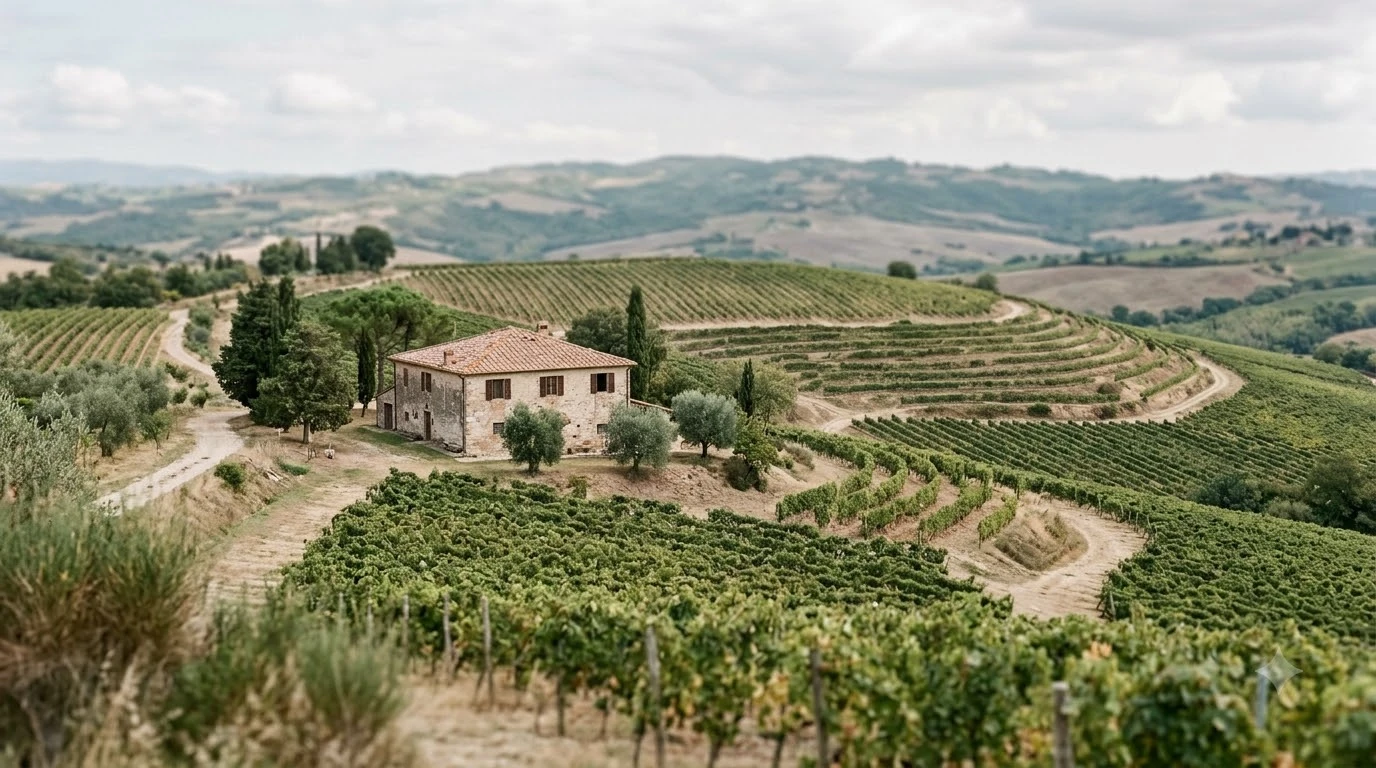
The Chalk Hill AVA received recognition in 1983. According to Sonoma County Winegrowers, it contains approximately 1,491 vineyard acres and five wineries. Although geographically associated with the Russian River Valley, Chalk Hill has its own identity because of its geological history and growing conditions. The appellation extends from the Windsor area toward Healdsburg, where vineyard-covered slopes and winding country roads characterize the landscape.
The name can create some confusion for visitors. Chalk Hill is not principally a limestone region. Its characteristic pale soils come from volcanic material, including white volcanic ash and quartzite-rich volcanic tuff. These geological formations give portions of the landscape a distinctive light appearance. The soils also differ in drainage, composition, and fertility, creating different growing conditions across individual vineyard sites. For more background on how geography shapes regional wine styles, explore our Wine Regions resource.
Climate is another important distinction. Chalk Hill is generally warmer than the cooler sections of the Russian River Valley, with less persistent fog and light breezes moderating vineyard temperatures. The area occupies a transition between cooler Russian River Valley conditions and warmer neighboring winegrowing districts. This combination allows Chardonnay to develop substantial fruit character while retaining freshness, and it gives Bordeaux varieties enough warmth to reach appropriate ripeness.
Elevation adds another layer of variation. The surrounding landscape rises from lower vineyard sites toward elevations of approximately 1,600 feet. Different slopes receive different amounts of sunlight and experience different temperature patterns. A cooler lower site may be suitable for Chardonnay, while a warmer, south-facing hillside can provide favorable conditions for Cabernet Sauvignon and other Bordeaux varieties.
These distinctions matter because a wine’s character cannot be explained by soil alone. Climate, grape variety, vineyard exposure, farming decisions, and winemaking methods all contribute. During a tasting, comparing two wines made from the same grape but different vineyard blocks can reveal how much variation exists within a relatively small appellation.
Signature Grapes and Wine Styles to Explore
Chalk Hill is particularly associated with Chardonnay, Sauvignon Blanc, and Cabernet Sauvignon. These varieties offer three useful starting points for understanding the region, while Cabernet Franc, Merlot, Semillon, and other grapes provide additional perspectives on its growing conditions.
Chardonnay is an essential wine to include in a Chalk Hill tasting. The region’s warmer climate can encourage ripe apple, pear, peach, and citrus flavors, while vineyard elevation and picking decisions help maintain balance. Depending on the producer, the wine may be fermented or aged in stainless steel, oak, or a combination of vessels. Oak-aged examples can develop notes of vanilla, toast, baking spice, and a richer texture, while less oak-influenced wines often emphasize fruit and freshness.
Pay attention to acidity and texture when comparing Chardonnays. A wine with noticeable acidity can feel lively even when its fruit is ripe and its body is substantial. Oak influence may make the palate feel broader, but oak should not completely obscure the grape’s fruit character. Ask whether the wine underwent malolactic fermentation, which can soften its sharper malic acidity and contribute a creamier impression.
Sauvignon Blanc offers a contrasting white wine experience. It typically has higher acidity than Chardonnay and can show citrus, green apple, melon, fresh herbs, and tropical fruit. Some versions emphasize crispness and a clean finish, while others have more body or subtle oak influence. Comparing Sauvignon Blanc with Chardonnay helps visitors understand how grape variety interacts with the same regional environment.
Cabernet Sauvignon is the principal red variety worth seeking. It generally produces fuller-bodied wines with blackcurrant, blackberry, dark cherry, cedar, and sometimes herbal or savory notes. Its relatively high tannin gives the wine structure, particularly when it comes from warmer vineyard sites. Cabernet-based blends may also include Merlot, Cabernet Franc, or Petit Verdot, depending on the producer.
Other varieties broaden the tasting experience. Merlot typically offers softer tannins and plum or black cherry character, while Cabernet Franc can contribute herbal notes, red fruit, and freshness. Semillon may appear in white blends, and Syrah can provide darker fruit and savory spice. Pinot Noir is also grown in suitable exposures, although Chalk Hill is not primarily known for the cool-climate Pinot Noir style associated with some other parts of Sonoma County.
The following table provides a practical overview of the main varieties and their typical tasting characteristics. These are general grape characteristics rather than fixed descriptions of every Chalk Hill bottling.
| Grape | Typical body | Acidity | Common flavors |
|---|---|---|---|
| Chardonnay | Medium to full | Medium | Apple, pear, citrus, peach |
| Sauvignon Blanc | Light to medium | High | Lime, grapefruit, herbs |
| Cabernet Sauvignon | Full | Medium | Blackcurrant, blackberry, cedar |
| Merlot | Medium to full | Medium | Plum, cherry, chocolate |
| Cabernet Franc | Medium | Medium to high | Red fruit, herbs, pepper |
| Syrah | Medium to full | Medium | Blackberry, pepper, savory spice |
| Semillon | Medium | Medium | Lemon, apple, waxy texture |
Rather than selecting wines solely by grape name, consider tasting a white wine, a second white with a different winemaking approach, and two contrasting reds. This sequence provides a useful introduction without overwhelming the palate. It also gives visitors an opportunity to compare acidity, tannin, body, and oak influence across different styles.
Planning a Visit to Chalk Hill Estate
Chalk Hill Estate Vineyards & Winery is an important starting point for visitors interested in experiencing the appellation. Its property, vineyard setting, and curated tasting experiences provide an opportunity to explore the region’s Chardonnay and Bordeaux-inspired wines in one location.
The estate is located at 10300 Chalk Hill Road, Healdsburg, California 95448. Founded by Fred Furth in 1972, the property covers approximately 1,300 acres, including around 300 acres of vineyards. Much of the estate remains uncultivated, giving its vineyard blocks a landscape that includes native vegetation and substantial open space.
The winery has a long association with Chardonnay. Its early Founder’s Block planting included 11 acres among the estate’s first vineyard plantings. Over time, the winery developed a site-specific approach to vineyard management, selecting grape clones and rootstocks to suit the conditions of individual blocks. The estate’s varied elevations, soils, and exposures provide the foundation for its range of wine styles.
Visitors interested in an introductory experience can look for the Vineyard Overlook Tasting. The winery describes this as a 90-minute experience featuring four small-lot Chardonnays and Bordeaux reds. The format is particularly useful for people who want to compare different wines without spending an entire afternoon on a single activity.
For visitors interested in the property itself, the Estate & Garden Hummer Tour & Tasting offers a longer experience. The approximately two-hour program combines a tour of the estate with a wine tasting. It provides additional context about the landscape and the relationship between vineyard sites and finished wines.
Other experiences may include reserve selections, small-lot wines, and food-oriented options. Availability, schedules, group limits, and tasting arrangements can change, so visitors should consult the winery’s official Chalk Hill Estate visitor information before making plans. Reservations are encouraged, particularly for visitors who want a specific experience or are traveling with a group.
The tasting patio and hospitality areas provide views across the estate’s vineyard landscape. This setting is part of the appeal, but the wines should remain the main focus. Ask the tasting host which Chardonnay bottlings represent different vineyard blocks, how the estate approaches oak aging, and which red wines demonstrate its warmer hillside sites.
Visitors should also confirm practical details before leaving. Current opening hours, age restrictions, pet policies, outdoor seating arrangements, and group requirements are best checked directly with the winery. A little advance planning makes it easier to enjoy the visit without rushing through the tasting.
Choosing Wineries and Building a Wine Country Itinerary
Chalk Hill is relatively compact, making it possible to focus on a small number of winery experiences rather than spending the day driving between distant destinations. A well-planned itinerary should allow enough time for tasting, conversation, and a closer look at the vineyard landscape.
Chalk Hill Estate is an obvious starting point because of its historical association with the appellation and its broad selection of estate wines. Visitors can focus on Chardonnay, compare Bordeaux-style reds, and learn about the vineyard’s varied terrain. The different tasting formats make it possible to choose between a shorter introduction and a more extensive property experience.
Another name worth researching is Notre Vue Estate Winery & Vineyards in Windsor. Sonoma County’s regional tourism information describes its property as including approximately 250 acres of vineyards and 350 acres of protected open space. Its emphasis on European-style wines and its Balverne sister label provide an additional perspective on the area’s winemaking possibilities.
Windsor Oaks Vineyards is also relevant to understanding the region, although its role is different from that of a conventional tasting-room destination. Its vineyards supply grapes to several producers, helping explain why Chalk Hill-designated wines can appear under different winery names. A bottle carrying the appellation name does not necessarily come from a winery located within the AVA.
Visitors should distinguish between a winery’s physical location and the origin of its grapes. A producer may source Chalk Hill fruit while making and selling wine elsewhere in Sonoma County. Conversely, a tasting room in the appellation may feature wines from multiple vineyard sites or regions.
For a first visit, one or two scheduled tasting experiences are usually sufficient. A 90-minute tasting followed by lunch in Healdsburg provides a comfortable half-day plan. Visitors who select the two-hour estate tour should leave additional time for travel and a meal rather than scheduling several back-to-back appointments.
Healdsburg is a practical base for a broader Sonoma County wine trip. It offers dining options and access to neighboring wine regions. Visitors can compare Chalk Hill’s warmer conditions with the cooler Russian River Valley, or explore other appellations to understand how changing geography influences grape character.
For a more varied regional itinerary, consider adding Willcox wine tasting as a point of comparison when researching Arizona wine country, or Bolgheri wine tasting for an introduction to Italian Bordeaux-style blends. These destinations offer very different climates and wine traditions, making the comparisons useful for enthusiasts interested in how Cabernet Sauvignon and other international varieties express themselves in different places.
Transportation deserves attention. Wine tasting involves multiple pours, and driving between appointments should not be left to chance. Arrange a designated driver, private transportation, or another suitable option before beginning the day. Keep the itinerary manageable, particularly if the plan includes a longer tour or a substantial food pairing experience.
How to Taste Chalk Hill Wines and Recognize Their Differences
A thoughtful tasting focuses on appearance, aroma, palate, and finish rather than simply deciding whether a wine tastes pleasant. Comparing two or three wines in a consistent order makes it easier to identify differences in fruit character, acidity, tannin, and winemaking style.
Start with the white wines, generally moving from lighter and crisper styles toward richer Chardonnay. Hold the glass against a light background and observe the wine’s color. A pale lemon color may be common in a youthful white, while a deeper golden appearance can reflect grape ripeness, winemaking choices, or bottle development. Color alone does not determine quality or age.
Swirl the glass gently before smelling. For Sauvignon Blanc, look for citrus, green fruit, fresh herbs, or tropical notes. For Chardonnay, consider whether the aromas emphasize apple, pear, peach, lemon, vanilla, or toast. Notice whether oak seems integrated or dominates the wine’s fruit. These observations help explain the stylistic choices made by the producer.
Take a small sip and allow the wine to coat the palate. Pay attention to acidity, weight, texture, and finish. High acidity produces a mouthwatering sensation, while fuller-bodied Chardonnay may feel broader and creamier. Neither style is automatically superior. The most interesting question is whether the wine maintains balance between fruit, freshness, and texture.
Move to red wines after finishing the whites. Cabernet Sauvignon should provide a useful contrast because its tannins are generally more pronounced. Look for blackcurrant, blackberry, dark cherry, cedar, and spice. Tannins create a drying sensation along the gums and cheeks, and their intensity can vary with grape ripeness, extraction, oak treatment, and bottle development.
When tasting Merlot or Cabernet Franc, notice how the texture changes. Merlot generally has softer, medium-level tannins than Cabernet Sauvignon, while Cabernet Franc may contribute brighter red fruit and herbal character. Comparing these wines side by side helps demonstrate why blending several Bordeaux varieties can produce a more complex final wine.
Temperature also affects perception. White wines served too cold may seem muted, while red wines served too warm can feel overly alcoholic. A useful guide is to serve sparkling wines at 40–50 F, light whites at 45–50 F, full-bodied whites at 50–55 F, light reds at 55–60 F, and full-bodied reds at 60–65 F.
Tip: Ask the tasting host to pour two Chardonnays or two Cabernet-based wines side by side. Comparing similar varieties from different vineyard blocks or with different oak treatments is often more informative than tasting several unrelated wines without a clear sequence.
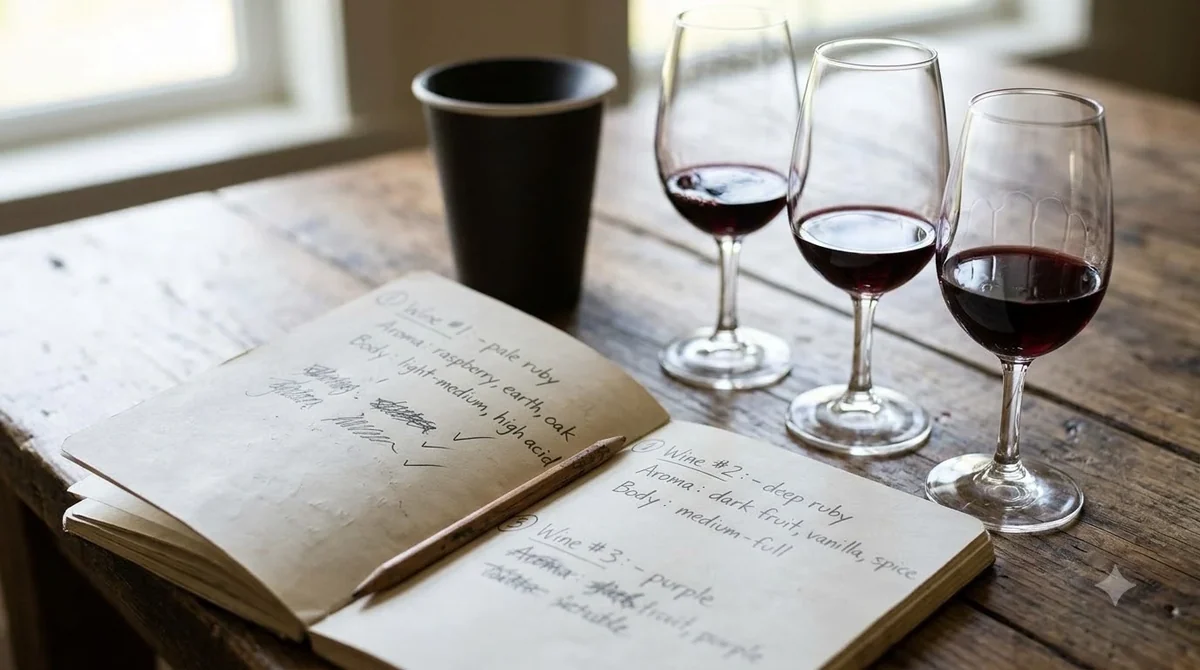
Keep brief notes during the tasting. Record the grape, vintage, acidity, body, tannin, dominant aromas, and finish. A simple description such as “ripe pear, medium acidity, creamy texture, light toast” is more useful later than a general comment such as “good white wine.” If a wine stands out, ask whether it is available as a single-vineyard or small-lot bottling.
Finally, remember that a tasting pour is not the same as a full glass. A standard wine serving is approximately 5 ounces, and a 750 ml bottle contains about five such servings. Take your time between wines, use water when available, and avoid feeling pressured to finish every sample.
Food Pairings and Serving Suggestions for Chalk Hill Wines
Food pairing is an excellent way to understand the differences between Chalk Hill’s principal varieties. Chardonnay works with rich seafood and poultry, Sauvignon Blanc suits fresh vegetables and acidic dishes, and Cabernet Sauvignon is particularly effective with protein-rich foods that soften its tannins.
Chardonnay is a versatile choice for roast chicken, grilled salmon, creamy pasta, and dishes featuring mushrooms. A fuller, oak-influenced Chardonnay can work especially well with roasted poultry or dishes prepared with butter and cream. The wine’s body should be sufficient to match the richness of the food without overwhelming its flavors.
Sauvignon Blanc is a natural companion for goat cheese, asparagus, herb-based sauces, green salads, and shellfish. Its higher acidity can refresh the palate between bites, especially when the dish includes lemon or other acidic ingredients. The wine should have acidity equal to or greater than the food. A sharply acidic vinaigrette, for example, can make a softer wine taste flat.
Cabernet Sauvignon pairs well with grilled beef, lamb, roasted mushrooms, and dishes containing savory sauces. Its higher tannin makes it a good partner for foods rich in protein and fat. Salt and fat can soften the perception of tannin, making a structured red feel more approachable alongside a well-marbled steak.
Merlot is a useful option for roast pork, grilled chicken with darker sauces, mushroom risotto, and moderately rich pasta dishes. Its softer tannin makes it flexible with foods that may be overwhelmed by a more concentrated Cabernet Sauvignon. Cabernet Franc can work with roasted vegetables, herb-seasoned lamb, and tomato-based dishes, particularly when its acidity and herbal notes complement the ingredients.
Be careful with spicy foods. Chili heat can seem more intense alongside wines with elevated alcohol and pronounced tannin. A Cabernet Sauvignon with substantial structure may become less comfortable with heavily spiced dishes. For hot food, a fresher white wine or a wine with a little residual sweetness may be a more suitable option.
Oily fish also requires some attention. Very tannic red wines can clash with fish oils and create an unpleasant metallic impression. Chardonnay is generally a more dependable choice for salmon, while Sauvignon Blanc can suit lighter seafood dishes. The preparation matters: grilled, smoked, and cream-based seafood dishes may call for different levels of body and acidity.
Serving temperature is just as important as the pairing itself. Serve Sauvignon Blanc around 45–50 F and richer Chardonnay around 50–55 F. A light-bodied red can be served around 55–60 F, while a fuller Cabernet Sauvignon generally benefits from 60–65 F. These temperatures help preserve freshness and make the wines’ textures easier to assess.
If you bring wine home, store unopened bottles away from direct sunlight and major temperature changes. A location near 55 F is a useful storage target, and cork-finished bottles are generally stored on their sides to help keep the cork from drying out. Once opened, refrigerate still wines and aim to enjoy them within three to five days, depending on the wine and storage conditions.
For a more structured young Cabernet Sauvignon, decanting for approximately 30–60 minutes may help soften its initial impression and release aromas. Older wines may require a gentler approach because prolonged exposure to oxygen can reduce their freshness. Taste before deciding whether additional aeration is necessary.
Frequently Asked Questions
Is Chalk Hill an independent wine appellation?
Yes. Chalk Hill is a federally recognized American Viticultural Area established in 1983. It is also geographically situated within the larger Russian River Valley AVA, so qualifying wines can carry more than one geographic designation depending on their labeling and grape sourcing.
Does the Chalk Hill name mean the soil contains limestone?
No. The name refers to the pale appearance of the region’s volcanic material rather than a conventional limestone or chalk formation. Quartzite-rich volcanic tuff and white volcanic ash are characteristic geological features of the appellation.
Can Chalk Hill wines be aged in a cellar?
Some can. Well-structured Cabernet Sauvignon and carefully made Chardonnay may develop additional complexity with bottle age, although the appropriate aging period depends on the individual wine. Ask the producer about its intended drinking window, vintage conditions, and aging potential rather than assuming every bottle benefits from extended storage.
What is the difference between a Chalk Hill AVA wine and a Chalk Hill Estate wine?
A Chalk Hill AVA wine identifies a geographic origin for qualifying grapes, while Chalk Hill Estate refers to the specific winery and its estate-produced wines. Other producers can make wines from grapes grown within the appellation. The distinction matters because the regional designation does not identify a single producer or guarantee one particular winemaking style.
Are Chalk Hill wines suitable for a wine tasting flight at home?
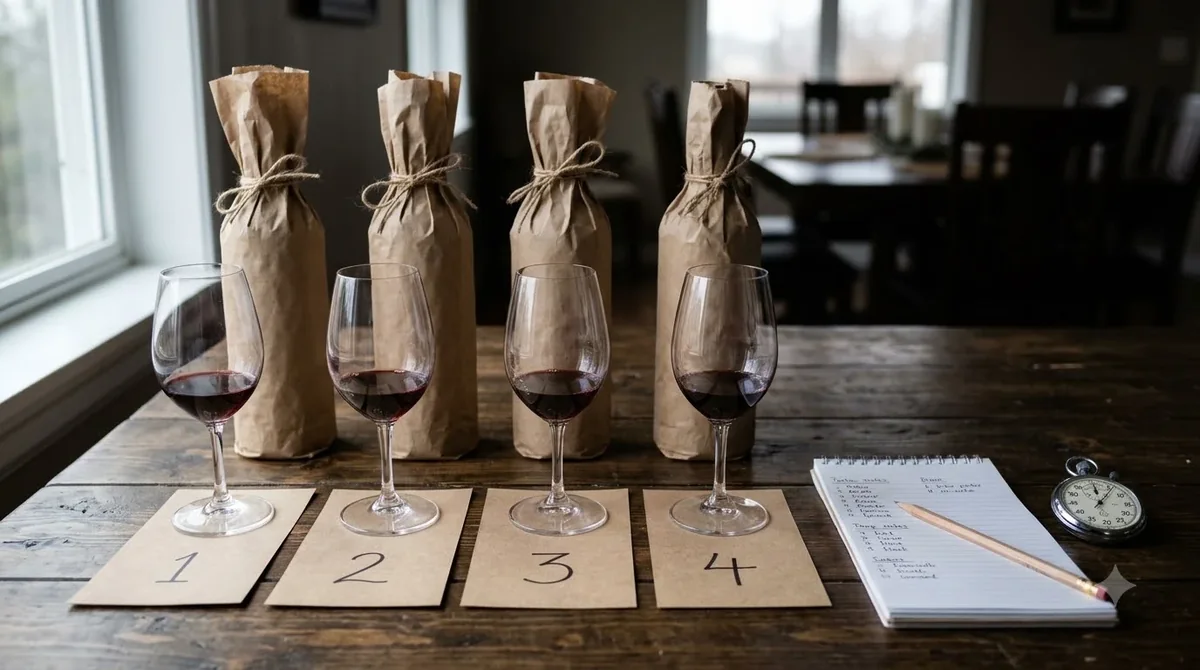
Yes. A useful home flight can include a Sauvignon Blanc, two contrasting Chardonnays, a Merlot, and a Cabernet Sauvignon. Use identical glassware and similar serving conditions for each wine so that differences in grape variety and winemaking are easier to recognize.
Chalk Hill offers a distinctive introduction to Sonoma County through its volcanic geology, warmer growing conditions, and expressive white and red wines. Start with Chardonnay and Sauvignon Blanc, add a Cabernet Sauvignon comparison, and allow enough time to appreciate the estate landscape and individual vineyard differences. With a little preparation, a Chalk Hill visit can become a rewarding part of a broader exploration of Sonoma wine country.
More in Wine Regions
 Willcox Wine Trail: Discover Arizona’s High-Elevation Wine CountryUpdated Nov 20, 2026
 Yakima Valley Wine Region: Find the Best Styles to TryUpdated Nov 20, 2026
 Vosne Romanee Wine Tasting: Identify Aromas and Choose Better PairingsUpdated Nov 20, 2026
 Yakima Valley Wine Festival: Find the Best Seasonal Wine EventsUpdated Nov 20, 2026
 Wales Vineyards: Discover Cool-Climate Wines and Where to VisitUpdated Nov 20, 2026
 Yountville Wine Festival: Discover Napa Wines and Local FoodUpdated Nov 20, 2026