

We may earn a commission when you buy through links on this page, at no extra cost to you. Learn more.
Central Coast wineries are spread along the California coast from the Bay Area to Santa Barbara County, and most of them cluster in a few wine trails where you can visit several tasting rooms in one day. The region is home to hundreds of wineries, many of them small family estates, and Santa Barbara County alone counts seven American Viticultural Areas. Planning a visit around one trail or one sub-region keeps the drive short and makes it easier to compare how the cooler and warmer valleys taste.
This guide explains how the Central Coast wine country is organized, which areas are worth a visit, how to plan a day of tastings, and what to expect when you walk into a tasting room. It is written for travelers who want to visit wineries rather than read about the wine itself.
How the Central Coast Wine Country Is Organized
The Central Coast is a very large wine region that runs along the coast of central California, from the San Francisco Bay Area down through Monterey and San Luis Obispo counties to Santa Barbara. Within it are dozens of smaller appellations, and the wineries you will visit usually belong to one of them. Paso Robles, Edna Valley, and the Santa Ynez Valley are among the best-known names, and each has its own character.
For a visitor, the practical way to think about the region is by sub-region rather than by the broad Central Coast label. A winery in one valley may be surrounded by cool fog in the morning, while another a short drive away is warm all afternoon. Choosing a sub-region before you leave home tells you what kinds of wines to expect and helps you pick a route that matches your tastes.
Santa Barbara County Wine Trails
Santa Barbara County is one of the most visitor-friendly parts of the Central Coast, with a strong network of wine trails. The Santa Barbara County wine site lists nine distinct trails, including Buellton, Foxen Canyon, Lompoc, Los Olivos, Santa Maria Valley, Santa Ynez, Solvang, Sta. Rita Hills, and Urban Santa Barbara. Each trail links a cluster of wineries, which makes it easier to plan a day without long drives between stops.
The county also has seven American Viticultural Areas, including Santa Ynez Valley, Santa Maria Valley, Santa Rita Hills, Happy Canyon, Foxen Canyon, and Los Alamos. The regional site describes dozens of small wineries, so you will find both large, well-known estates and tiny producers who sell most of their wine at the cellar door. That mix is a big reason the area draws repeat visitors.
| Area | General character | Good for visitors who want |
|---|---|---|
| Santa Maria Valley and Sta. Rita Hills | Cooler, with strong coastal influence | Crisp whites and Pinot noir, with a relaxed pace |
| Santa Ynez Valley and Los Olivos | A mix of climates, with villages to explore | A classic tasting day with lunch and shopping |
| Happy Canyon | Warmer and sunnier | Fuller reds and a contrast to the cooler sites |
| Paso Robles and Edna Valley | Wide range of climates across a larger area | Longer drives and a broader range of styles |
Planning Your Day of Tastings
A good day of tastings is usually three or four wineries, not more. Tasting rooms can be generous with their pours, and the variety of styles means your palate tires faster than you expect. Pick a trail, look at the opening hours, and build the route so that you move from cooler sites to warmer ones, or the reverse, to make the differences easier to notice.
Some tasting rooms require a reservation, especially on weekends and during harvest season. Calling ahead is worth the effort because it can save you a long wait and often gets you a more personal experience with the winemaker or a staff member who knows the vineyard. If you plan to drive, designate a driver or book a tour, since many visitors prefer not to handle the logistics themselves.
- Choose one sub-region or one trail for the day to keep travel time short.
- Plan three or four stops, with a lunch break between the second and third.
- Book ahead for popular estates and for weekend visits.
- Ask staff which wines are made in small batches and are not sold outside the tasting room.
What to Expect in the Tasting Room
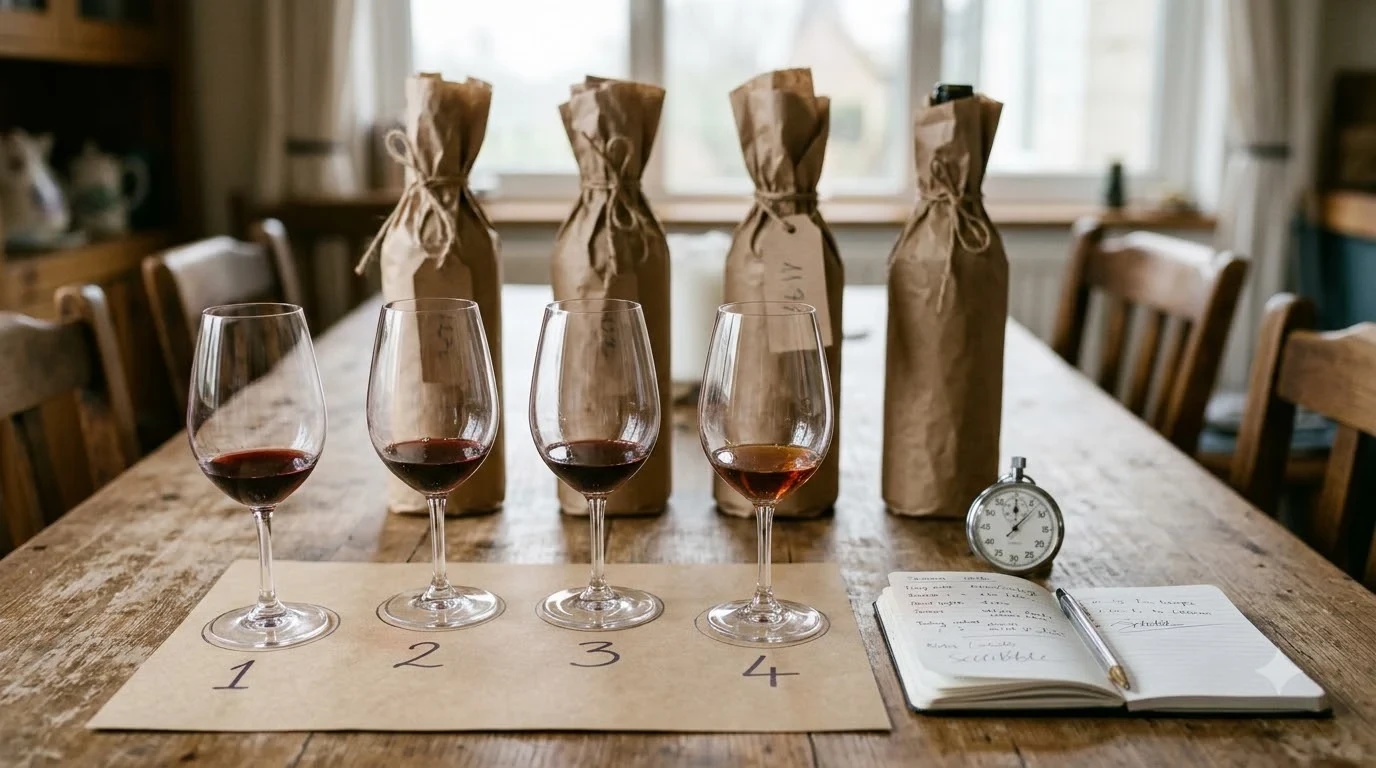
Most Central Coast wineries offer a flight of several wines, often with a short description of each one. Staff are usually happy to explain the vineyard source and the winemaking choices, particularly on smaller estates where the owner may be pouring. Asking about the sub-region, the vineyard site, and the style of oak used is a good way to start a conversation.
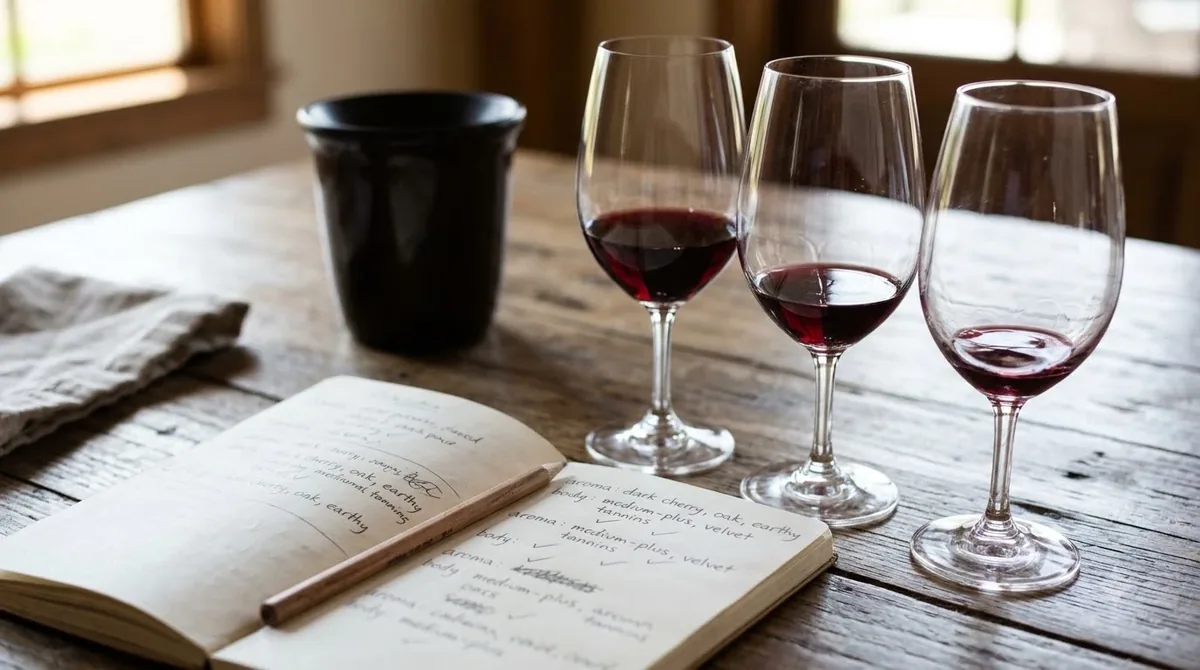
Many tasting rooms also set up outdoor seating, and several sell small plates or work with local food producers. Because the region is so varied, you may taste a crisp Chardonnay one hour and a dark Syrah the next. Take notes on the wines you enjoy, since you may want to buy a bottle to take home or ship after the trip.
Making the Most of a Central Coast Trip
The Central Coast rewards travelers who slow down. The distances between wineries are short within a trail, but the scenery changes quickly, from open coastal fog to warm inland vineyards. Setting aside a full day for each trail, rather than cramming in several in one afternoon, will give you a better sense of the region.
Timing matters too. Spring and early summer show the vineyards at their greenest, while the harvest period in the fall brings a busy, lively atmosphere in many cellars. Weekdays are usually quieter than weekends, which gives you more time with staff and a calmer pace at the bar. Whatever season you choose, dress in layers, since the coastal fog can keep the morning cool even when the afternoon turns warm.
If you are still deciding what to drink, the Central Coast wine guide explains the grapes and styles that define the region. For a broader look at how climate and soil shape wine country around the world, the Wine Regions section is a useful companion. Visitors who enjoy comparing wine destinations may also find the Valle de Guadalupe wineries interesting, since another coastal region with a similar Mediterranean climate offers a different set of estates to explore.
Frequently Asked Questions
Where are the Central Coast wineries located?
Central Coast wineries are spread along the California coast, from the San Francisco Bay Area south through Monterey, San Luis Obispo, and Santa Barbara counties. Santa Barbara County is one of the most popular areas for visitors.
How many wineries are on the Central Coast?
The Central Coast American Viticultural Area includes hundreds of wineries, and many are small estates. Santa Barbara County alone has dozens of small wineries, along with several larger producers.
Do I need reservations for Central Coast wineries?
Reservations are not always required, but they are recommended for popular tasting rooms, especially on weekends and during harvest. Booking ahead can also give you a more personal visit with the winemaker or a knowledgeable host.
What is the best way to plan a visit?
Pick one sub-region or wine trail for the day, plan three or four stops, and move between cooler and warmer sites to notice the differences. Arrange a designated driver or a tour if you plan to taste at several places.
A Central Coast winery visit is best planned around one trail and a relaxed pace. Choose a route, book the tasting rooms you care about most, and let the region’s different valleys show you what the coast can do.
More in Wine Regions
 Willcox Wine Trail: Discover Arizona’s High-Elevation Wine CountryUpdated Nov 20, 2026
 Yakima Valley Wine Region: Find the Best Styles to TryUpdated Nov 20, 2026
 Vosne Romanee Wine Tasting: Identify Aromas and Choose Better PairingsUpdated Nov 20, 2026
 Yakima Valley Wine Festival: Find the Best Seasonal Wine EventsUpdated Nov 20, 2026
 Wales Vineyards: Discover Cool-Climate Wines and Where to VisitUpdated Nov 20, 2026
 Yountville Wine Festival: Discover Napa Wines and Local FoodUpdated Nov 20, 2026