

We may earn a commission when you buy through links on this page, at no extra cost to you. Learn more.
The ideal cava serving temperature is 41–50°F, depending on the wine’s age and style. Young Cava de Guarda is best served at approximately 46°F, while Reserva and Gran Reserva benefit from a slightly warmer temperature of around 50°F. Serving Cava at the right temperature preserves its lively bubbles while allowing its fruit, acidity, and more developed aromas to show clearly.
Cava is Spain’s traditional-method sparkling wine, and its serving temperature makes a noticeable difference to the experience in the glass. A bottle that is too warm can lose some of its refreshing character, while excessive chilling can hide the aromas that make longer-aged examples interesting. Fortunately, getting the temperature right does not require special equipment. A refrigerator, an ice bucket, and a simple wine thermometer are enough to prepare most bottles for dinner, celebrations, or an informal aperitif.
The Ideal Cava Serving Temperature in Fahrenheit
Most Cava should be served well chilled, with younger bottles at the cooler end of the range and longer-aged wines slightly warmer. The D.O. Cava regulatory council recommends approximately 46°F for Cava de Guarda and 50°F for Reserva and Gran Reserva. Its official Cava serving and storage recommendations provide practical guidance on temperatures, glassware, and bottle care.
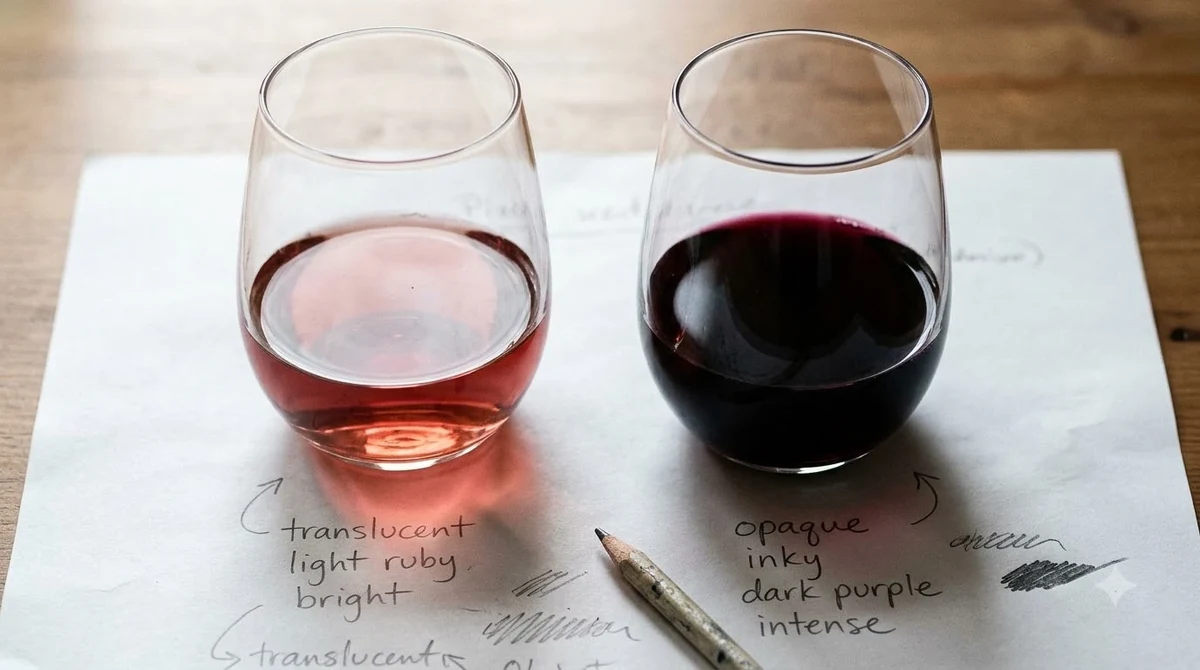
These recommendations reflect differences in aging and aromatic development. Younger Cava generally emphasizes freshness, crisp acidity, and lively fruit. Longer-aged bottles develop additional complexity through extended contact with yeast lees, often showing notes of toasted bread, roasted nuts, and ripe fruit. A modest temperature increase helps these characteristics become easier to recognize.
There is also a useful distinction between official Cava-specific recommendations and broader sparkling-wine guidance. Wine Enthusiast recommends 41–45°F for sparkling wines, including Cava, as a general serving range. That cooler approach works particularly well for young, uncomplicated bottles intended for an aperitif or a casual celebration. The D.O. Cava recommendations provide a more tailored approach for wines with different aging periods.
For most bottles at home, a practical starting point is 45–47°F. If the wine is a mature Reserva or Gran Reserva, allowing it to reach approximately 49–50°F can reveal more aromatic detail without sacrificing its refreshing character.
| Cava style | Temperature °F | Temperature °C | Serving character |
|---|---|---|---|
| Cava de Guarda | 46°F | 8°C | Fresh, crisp, lively |
| Cava Reserva | 50°F | 10°C | More aromatic and developed |
| Cava Gran Reserva | 50°F | 10°C | Complex, mature, expressive |
| Young sparkling Cava, general guideline | 41–45°F | 5–7°C | Very fresh and refreshing |
The figures are practical targets rather than rigid rules. A bottle served at 47°F is not going to be noticeably wrong simply because its recommended temperature is 46°F. The more important point is to avoid serving Cava warm and to give older bottles enough opportunity to reveal their aromas.
It also helps to distinguish the temperature of the bottle from the temperature in the glass. Once poured, Cava gradually warms through contact with room air and the surrounding environment. A bottle that starts slightly cooler than the intended drinking temperature can therefore be useful during a long meal.
Why Age Changes the Best Serving Temperature
The longer Cava ages, the more its aromatic profile can develop, which is why older bottles generally benefit from warmer serving temperatures. Cava de Guarda, Reserva, and Gran Reserva have different minimum production and aging requirements, making their serving recommendations meaningfully different.
According to the Cava designation specifications, standard Cava requires at least nine months of production and aging, Reserva requires at least 15 months, and Gran Reserva requires at least 30 months. These periods are important because extended contact with yeast lees contributes to the wine’s development. The resulting differences can influence how much aromatic detail becomes apparent at different temperatures.
A young Cava de Guarda typically offers straightforward fruit, refreshing acidity, and a lively sparkling character. Serving it around 46°F keeps those qualities prominent. At a cooler temperature, the wine can feel particularly crisp, which is useful when serving it before a meal or alongside salty appetizers.
Reserva Cava has more time to develop additional aromas and texture. At approximately 50°F, its fruit can become more expressive, while secondary characteristics such as bread, pastry, and subtle nutty notes become easier to recognize. Serving it too cold can make those details less apparent.
Gran Reserva follows the same general temperature recommendation as Reserva, although individual bottles may benefit from a little adjustment. Some particularly complex examples can show additional layers of aroma as they warm slightly in the glass. A starting temperature around 48–50°F provides a useful balance between aromatic expression and freshness.
Understanding the aging categories
The following minimum aging periods help explain why the three categories respond differently to temperature:
- Cava de Guarda: At least 9 months.
- Cava Reserva: At least 15 months.
- Cava Gran Reserva: At least 30 months.
- Cava de Paraje Calificado: At least 36 months.
These are minimum production requirements rather than a guarantee that every bottle will have exactly the same aromatic profile. Grape varieties, vineyard conditions, winemaking decisions, and additional aging can all influence the finished wine.
For a bottle with substantial lees-aged character, a few degrees of difference can matter. Rather than pouring the entire bottle immediately at one temperature, serve the first glass at the recommended starting point and let the remaining wine warm gradually. This gives the drinker an opportunity to notice how the aromas develop.
Tip: If you are unsure whether your bottle needs a colder or warmer serving temperature, start around 46°F. Pour a small glass, allow it to warm for several minutes, and notice whether its aromas become more expressive.
How Long to Chill Cava Before Serving
The refrigerator is the easiest way to bring Cava to serving temperature, and gradual cooling usually produces more predictable results than rushing a warm bottle. For a bottle starting at ordinary room temperature, allow approximately two to three hours in the refrigerator, then check its temperature before opening.
Wine Enthusiast recommends up to two hours of refrigerator chilling for sparkling wine. That is a useful practical starting point, although the actual time depends on the refrigerator, the bottle’s starting temperature, and whether it has already been chilled. A bottle that has spent several hours in a cool environment will need less time than one sitting in a warm kitchen.
If the bottle is already refrigerated, avoid assuming that it needs additional chilling. A domestic refrigerator can cool sparkling wine below its ideal drinking temperature if the bottle is left inside for an extended period. Extremely cold wine may still feel refreshing, but its aromatic expression can become less noticeable.
Three practical chilling methods
1. Refrigerator chilling
Place the bottle upright in the refrigerator for approximately two to three hours if it starts at room temperature. This method is convenient for planned dinners because the cooling process is gradual. For a bottle intended for a weekend gathering, placing it in the refrigerator earlier in the day removes the need for last-minute preparation.
2. Ice-and-water bucket
For faster chilling, use an ice bucket with a mixture of ice and cold water. Fully immerse the bottle, leaving enough space to handle it safely. Water helps transfer heat from the bottle more evenly than ice cubes alone, making this method useful when guests are arriving soon.
The D.O. Cava regulatory council specifically recommends keeping the bottle immersed in an ice-and-water bucket during service. This helps maintain a consistent temperature until the last glass is poured.
3. Combined refrigerator and bucket method
For a dinner party, chill the bottle in the refrigerator beforehand and transfer it to an ice bucket when serving begins. This reduces the amount of work required during dinner and keeps the remaining wine cool while guests refill their glasses.
The combined method is particularly practical for a long meal. Rather than repeatedly returning the bottle to the refrigerator, the bucket provides a convenient place to keep it between pours.
There is no universal chilling time that guarantees an exact temperature. A small wine thermometer provides a more reliable indication than relying entirely on elapsed time. If the bottle has been chilled overnight, check it before serving instead of automatically leaving it in the freezer or adding more ice.
What Happens When Cava Is Too Cold or Too Warm
Temperature affects how Cava releases its aromas, how refreshing it feels, and how clearly its flavors can be perceived. A bottle that is too cold may taste restrained, while one served too warm can seem less crisp and lose some of the refreshing sensation expected from sparkling wine.
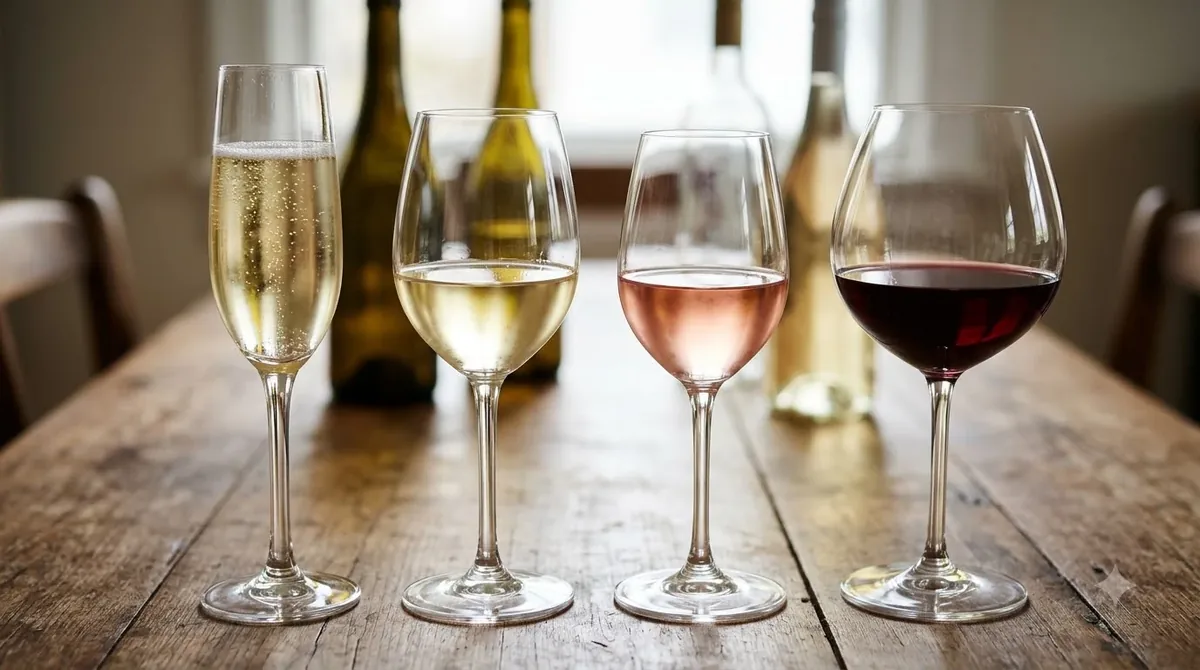
When Cava is excessively cold, its aromatic characteristics become less apparent. Fresh apple, citrus, white flowers, and subtle yeast-derived notes may be harder to identify. The bubbles remain present, but the wine can seem simpler than it really is.
This effect is especially noticeable with Reserva and Gran Reserva. These wines can develop toasted bread, roasted nuts, and more mature fruit characteristics through extended bottle aging. Serving them directly from a very cold refrigerator may conceal some of that complexity.
At the other extreme, warm Cava loses the crisp impression that makes sparkling wine refreshing. Its acidity may seem less lively, and the overall experience can feel softer and less focused. Warm temperatures also make it harder to maintain the desired chilled character throughout a meal.
There is no need to panic if a bottle becomes warmer than planned. Put it back in an ice-and-water bucket for a short period, then pour another glass once it has cooled. Similarly, a bottle that is too cold can simply be left outside the bucket for a few minutes.
Temperature and carbonation
Cava’s bubbles are an important part of its character. The carbon dioxide provides the sparkling sensation and contributes to the way the wine interacts with food. Keeping the bottle chilled helps maintain a pleasant serving experience, especially when it will remain open during a meal.
Glass shape also influences how quickly the bubbles escape. A narrow flute generally preserves the visual stream of bubbles for longer, while a wider glass offers more space for aromas to develop. The temperature and glass should therefore work together rather than being considered separately.
For young Cava, a cooler serving temperature and a narrow sparkling-wine glass create a particularly refreshing combination. For an older bottle, a slightly warmer temperature and a tulip glass can make the aromatic details easier to appreciate.
A useful approach is to avoid large temperature swings. Keep the bottle chilled, pour moderate amounts, and allow the wine to warm naturally in the glass rather than placing it somewhere hot or repeatedly adding ice directly to the wine.
Choosing the Right Glass and Pouring Temperature
The best glass for Cava depends on whether the priority is preserving the bubbles or revealing aromatic complexity. A tulip-shaped glass is a versatile choice, while a traditional flute works particularly well for younger sparkling wines served around 46°F.
The D.O. Cava regulatory council recommends a fine crystal tulip glass. Its narrower lower section helps retain the bubbles, while the wider upper section gives the aromas room to develop. This shape is especially useful for Reserva and Gran Reserva, where the bouquet deserves more attention.
A flute is another practical option. Its tall, narrow shape emphasizes the continuous movement of bubbles and the wine’s fresh, crisp character. Vinissimus also recommends flutes for younger Cava because they emphasize freshness and the visual appeal of the sparkling wine.
For more mature bottles, a wider tulip-shaped glass can be preferable. It provides greater aromatic space without being as open as a broad coupe. The additional room allows the wine’s yeast-derived aromas and developed fruit characteristics to become more noticeable.
How much Cava should you pour?
A standard wine serving is approximately 5 ounces, although sparkling wine is often poured in smaller amounts to preserve its temperature and carbonation. Filling a glass too high makes it harder to appreciate the aromas and leaves less room to handle the wine comfortably.
For a typical 750 ml bottle, five standard 5-ounce servings is a useful planning estimate. Smaller pours are especially convenient at a celebration where guests may want to refill their glasses throughout the evening.
When pouring, tilt the glass slightly and allow the wine to run gently down the inside. This helps control foam formation. If the wine produces a substantial head, pause briefly before completing the pour.
Glass temperature matters, too. A glass stored in a warm kitchen can raise the temperature of a small serving relatively quickly. Keeping glassware in a cool cupboard and avoiding prolonged handling of the bowl helps preserve the intended serving temperature.
For a more detailed comparison of temperature recommendations across different wine categories, explore Wine by Type. The same attention to serving temperature is useful beyond sparkling wine, including the recommendations for Sauternes serving temperature.
Serving Cava With Food and Keeping It Fresh
Cava is versatile at the table because its bubbles and refreshing acidity work with a wide range of dishes. Serving it at approximately 46–50°F, depending on age, helps preserve the balance between freshness and aromatic development during a meal.
Young Brut Cava is a natural match for appetizers, seafood, and salty snacks. Its crisp character works particularly well with oysters, shrimp, fried seafood, and Spanish-style tapas. The acidity helps refresh the palate between bites, while the bubbles provide contrast to rich or fried textures.
Brut Nature Cava can work well with more savory dishes, including Iberian ham, grilled seafood, and roasted meats. Its low residual sugar makes it suitable for foods that do not need sweetness from the wine. More mature Reserva and Gran Reserva examples can also accompany roasted chicken, mushroom dishes, and foods with toasted or nutty flavors.
Rosé Cava offers additional flexibility with dishes featuring salmon, cured meats, and mixed rice preparations. The fruitier character of rosé can complement ingredients that are more difficult to pair with a very crisp white sparkling wine.
For dessert, sweetness matters. A dry Brut Nature or Brut bottle may taste particularly sharp alongside a very sweet cake or pastry. A sweeter Cava is generally a better match when the dessert has substantial sugar.
Keeping an opened bottle chilled
Once opened, Cava gradually loses carbonation. A sparkling-wine stopper can help preserve its bubbles, while refrigeration slows the loss of freshness. For the best experience, keep the bottle cold and plan to enjoy it within one to three days.
A regular refrigerator is usually sufficient for short-term storage. Keep the bottle upright and use a stopper designed specifically for sparkling wine, as ordinary wine stoppers may not hold the pressure securely.
During dinner, place the stopped bottle back into an ice-and-water bucket whenever it is not being poured. This avoids unnecessary warming and makes it easier to serve the next glass at a consistent temperature.
Do not attempt to preserve an opened sparkling bottle with an ordinary spoon placed in the neck. A properly fitted sparkling-wine stopper is a more dependable option. If the wine has lost much of its carbonation, it may still be usable in cooking, but its original sparkling character will not return.
Storage before opening is different from serving temperature. According to D.O. Cava, longer-term storage is ideally around 57°F with approximately 50% humidity, away from light, noise, and vibration. That is a storage recommendation, not the temperature at which the wine should be poured.
Other drinks also have their own temperature requirements. For comparison, see our guidance on sake serving temperature and mead serving temperature.
Frequently Asked Questions
Can Cava be served straight from the refrigerator?
Yes, provided the refrigerator has not made the wine excessively cold. A bottle that has been refrigerated for several hours may already be close to its recommended serving temperature. If it feels very cold, allow it to sit briefly before pouring so its aromas can become more noticeable.
Is Cava served at the same temperature as Champagne?
Both are sparkling wines that benefit from chilling, and general sparkling-wine recommendations often place them around 41–45°F. However, individual bottles vary according to age and style. A mature Cava can benefit from the warmer 50°F recommendation, just as a complex vintage Champagne may be served warmer than a young non-vintage bottle.
Can you put Cava in the freezer to chill it quickly?
A freezer is not the preferred chilling method because it is easy to forget the bottle and allow it to become excessively cold or freeze. A mixture of ice and water in a bucket offers more controlled cooling. If the bottle is placed in a freezer briefly in an emergency, use a timer and monitor it closely.
Does the sweetness level change the recommended serving temperature?
The primary Cava-specific temperature distinction is its aging category rather than its sweetness designation. Brut Nature, Brut, and sweeter Cava styles can all be served chilled. The level of residual sugar is more important when choosing food pairings, particularly when matching the wine with desserts.
How can you tell whether Cava has been served at the right temperature without a thermometer?
A properly chilled bottle should feel noticeably cool rather than merely cellar-cool or warm. Pour a small amount and look for a fresh, lively impression, with fruit and other aromas still recognizable. If the wine seems unusually restrained, allow it to warm slightly in the glass before making another judgment.
The best cava serving temperature depends on the bottle’s age and the experience you want from it. Start around 46°F for young Cava de Guarda and move toward 50°F for Reserva and Gran Reserva. With a suitable glass, gradual chilling, and an ice bucket during service, Cava can retain its freshness while showing the aromas and complexity that make Spanish sparkling wine such a versatile choice.
More in Wine Types & Grapes
 What Does Mourvèdre Taste Like? Flavor Profile, Regions, and PairingsUpdated Nov 20, 2026
 What Does Marsanne Taste Like? Flavors, Styles, and Food PairingsUpdated Nov 20, 2026
 What Does Malvasia Taste Like? Styles, Flavors, and Food PairingsUpdated Nov 20, 2026
 What Does Grenache Blanc Taste Like? Flavor Profile, Styles, and PairingsUpdated Nov 20, 2026
 What Does Garnacha Taste Like? Key Flavors, Styles, and Pairing TipsUpdated Nov 20, 2026
 What Does Fruit Wine Taste Like? A Complete Flavor and Style BreakdownUpdated Nov 20, 2026