

We may earn a commission when you buy through links on this page, at no extra cost to you. Learn more.
Calories in Sauvignon Blanc come mostly from alcohol, and this crisp white usually sits on the lighter side of the calorie range. Wine Folly gives Sauvignon Blanc an alcohol range of 11.5 to 13.5 percent ABV and describes it as dry and medium-light in body. Because alcohol supplies most of the calories in a dry wine, a lower-strength Sauvignon Blanc generally has fewer calories than a richer white. The total in your glass still depends on the bottle and on how much you pour.
Sauvignon Blanc is a favorite for people who want a bright, refreshing glass without a heavy finish. Many of the same people also keep track of what they eat and drink, so the calorie question comes up often. This guide walks through where the calories come from, how the style of the wine changes the number, and how to choose and pour a bottle that fits your goals.
Where the calories in Sauvignon Blanc come from
All wine contains calories from two sources: alcohol and residual sugar. Wine Folly’s calorie guide notes that alcohol has seven calories per gram, while the carbohydrates in sugar have four. Dry wines contain very little sugar, with under 3 grams per liter, so a dry Sauvignon Blanc gets most of its calories from its alcohol content.
That makes the label’s alcohol percentage the most useful clue. A Sauvignon Blanc at 11.5 percent ABV holds less alcohol than one at 13.5 percent, and the gap adds up over a full glass. Wine Folly also gives a general reference for dry wine: at 15 percent alcohol, a six-ounce pour comes to about 175 calories, which is a useful contrast for stronger wines.
How the style of Sauvignon Blanc changes the total
Sauvignon Blanc is made in several styles, and the place it comes from shapes both flavor and strength. Wine Folly describes the grape’s primary flavors as gooseberry, honeydew, grapefruit, white peach, and passion fruit. On the nose, it adds notes of freshly cut grass, peas, and asparagus. Wines in this cool-climate style are usually lean and crisp.
In Marlborough, New Zealand, Wine Folly notes that a gram or two of residual sugar is normal, because the acids are high enough to keep the wine tasting dry. That small amount of sugar adds only a little to the calorie count, so the alcohol still does most of the work. Other regions can produce richer, riper bottles, and those tend to carry more alcohol.
Sauvignon Blanc compared with other whites
When you compare white wines, look at the strength first. Wine Folly lists Sauvignon Blanc at a medium-light body, which suggests a lighter mouthfeel than many oaked Chardonnays. That lighter profile often lines up with a lower alcohol level, though the exact number varies by bottle.
Sweeter whites are a different category altogether. Wine Folly points out that sweet wines typically carry between 20 and 150 grams of residual sugar per liter, while dry wines stay under 3 grams. A dessert-style white can therefore have more calories than a dry Sauvignon Blanc, even if the alcohol is similar.
| Factor | Effect on calories |
|---|---|
| Alcohol content (11.5 to 13.5 percent ABV) | Lower alcohol generally means fewer calories |
| Residual sugar in dry styles | Small, under 3 grams per liter |
| Cool-climate, crisp styles | Usually lean and lower in strength |
| Sweeter white styles | More sugar, so generally more calories |
| Pour size | A bigger glass means more total calories |
Serving Sauvignon Blanc for a lighter glass
Serving temperature matters for enjoyment, and it can help you feel satisfied with a smaller pour. Wine Folly recommends serving Sauvignon Blanc at 45 to 55°F (7 to 12°C). At that temperature the wine tastes fresh and tangy, and many people find a single well-chilled glass is enough to enjoy the flavor.
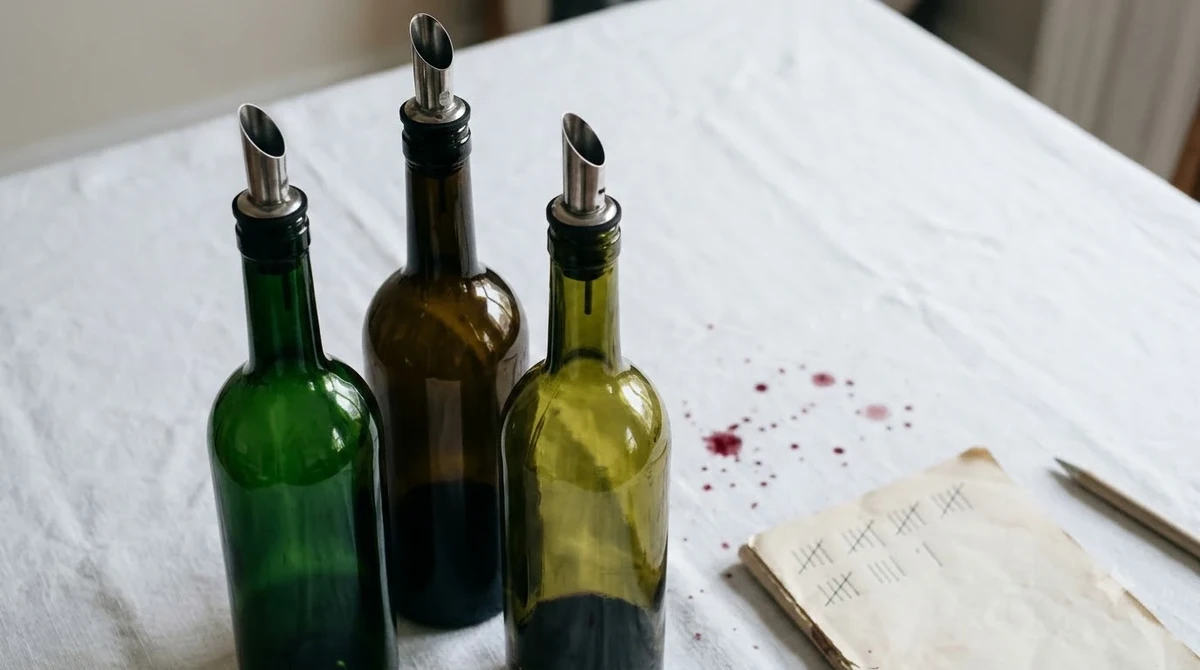
Pour from a glass you can see clearly, and let the wine’s brightness guide you. A few sips of a crisp, citrusy white can be satisfying on their own, so there is less reason to refill the glass out of habit. Keeping the bottle off the table is another easy way to slow down.
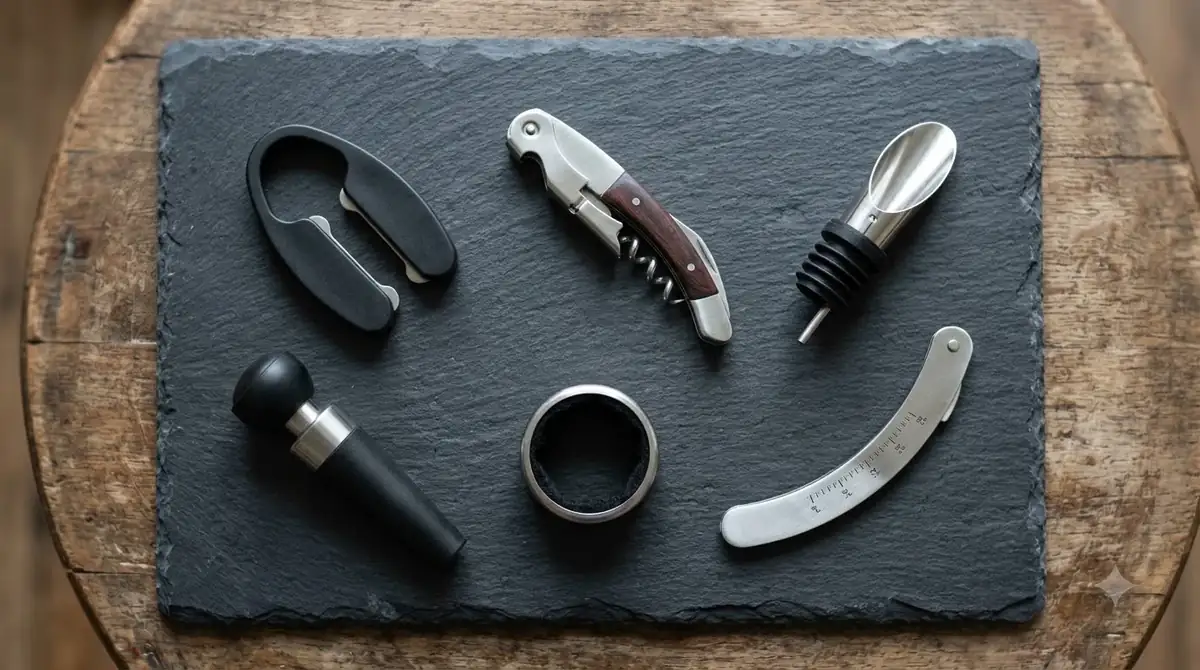
Glassware is a small detail with a real effect on how much you pour. A narrow glass makes it easier to see the level, while a wide bowl invites a bigger serving without you noticing. Choosing a standard glass for everyday wine helps you judge the pour by eye, especially when you are unsure how much a bottle holds per person.
Pairing Sauvignon Blanc with food
Food can make a smaller glass feel complete. The wine’s acidity and citrus notes pair well with fresh goat cheese, green salads, shellfish, and dishes built on herbs such as dill or parsley. Pairing a glass with a meal also tends to slow the pace of drinking, since the food sets the rhythm of the evening.
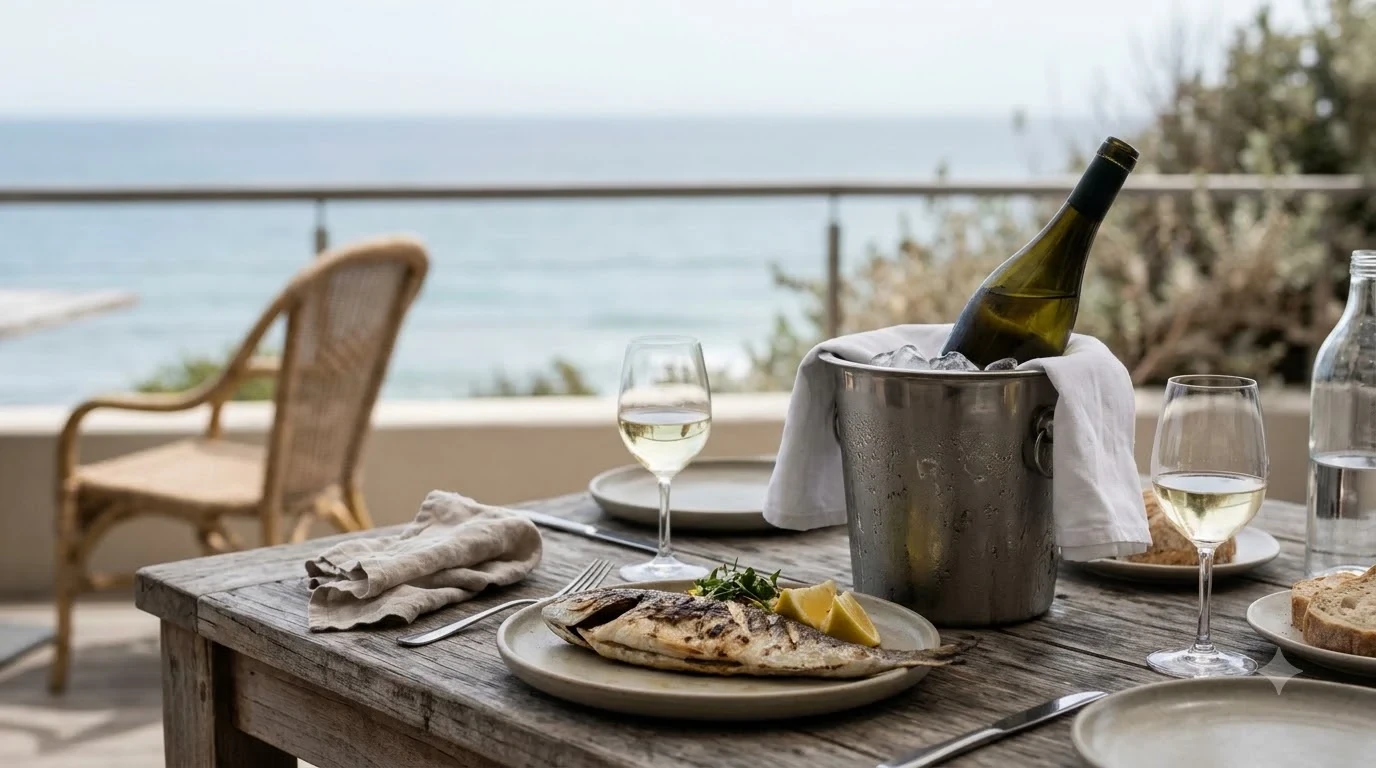
Light dishes suit the wine’s lean structure. A plate of steamed vegetables, a lemon-dressed salad, or grilled white fish keeps the focus on the food rather than on the glass.
Choosing a lighter Sauvignon Blanc
If your main goal is a lower-calorie white, start by reading the alcohol percentage on the label. Bottles near the 11.5 percent end of the range will usually be the lightest choice. Cool-climate examples from regions such as Marlborough tend to show crisp acidity and lean structure, which suits a smaller, refreshing pour.
Check the sweetness too. A dry label, or a bottle that describes itself as dry, will carry very little residual sugar. Avoid sweeter whites if you want to keep calories lower, and save dessert-style wines for an occasion when you plan to enjoy a treat. For a closer look at how the grape is pronounced and described, see how to pronounce Sauvignon Blanc.
Think about your overall plan for the evening as well. If you are hosting, you can offer a crisp Sauvignon Blanc alongside sparkling water and let guests choose their pour. Enjoying a lighter white early in the evening and switching to a richer bottle later is another way to keep the day’s total in view.
Think about how often you open a bottle as well. A bottle shared across two or three evenings is easier to track than an open bottle left on the counter. Recork it, keep it cool, and pour from the same spot each time so the amount you drink stays easy to judge.
Frequently Asked Questions
Is Sauvignon Blanc lower in calories than Chardonnay?
Often, yes. Sauvignon Blanc usually has a lower alcohol range and a lighter body, which means fewer calories per glass. Oaked Chardonnays can be richer and higher in strength, so their totals can run higher.
Does Sauvignon Blanc have sugar?
Dry Sauvignon Blanc has very little residual sugar, under 3 grams per liter. Some cool-climate examples, such as those from Marlborough, may carry a gram or two, which Wine Folly describes as normal for that region.
How many calories are in a glass of wine?
Wine Folly gives a general range of 92 to 300 calories per serving across wine styles. Dry wine at 15 percent alcohol comes to about 175 calories in a six-ounce pour.
What is the best way to keep my Sauvignon Blanc calories low?
Choose a bottle near the low end of the alcohol range, pick a dry style, serve it chilled, and measure your pour. Pair the wine with food so the glass lasts through the meal.
Sauvignon Blanc is a natural fit for a light, refreshing routine. Its strength and dry style do most of the work, and a measured pour finishes the job. To compare other white options, see calories in white wine, and for a closer look at the grape’s flavors and history, browse the Wine by Type section. The Wine Folly Sauvignon Blanc guide covers its flavors and serving notes in more depth.
More in Wine Types & Grapes
 Zinfandel Sugar Content: Dry Red vs. White Zinfandel GramsUpdated Nov 21, 2026
 Best Zinfandel Substitute Options for Sipping and CookingUpdated Nov 21, 2026
 Zweigelt Food Pairing: Best Dishes, Cheeses, and Serving TipsUpdated Nov 21, 2026
 Zinfandel Tannins Explained: How Structure Shapes Every BottleUpdated Nov 21, 2026
 Zinfandel Sweetness Level: Dry Red vs. Sweet White Zin ExplainedUpdated Nov 21, 2026
 Xinomavro Food Pairing: Best Dishes, Styles, and Serving TipsUpdated Nov 21, 2026