

We may earn a commission when you buy through links on this page, at no extra cost to you. Learn more.
The Calabria wine region sits at the toe of Italy’s boot and makes mostly red wine, led by the Gaglioppo grape. Its best-known appellation is Cirò, the region’s only DOCG, and most bottles come from local grapes rather than international varieties. Expect bold, fruit-forward reds with fresh acidity, plus a smaller group of white wines made from Greco Bianco and Mantonico.
The Calabria wine region is one of Italy’s less familiar winemaking areas, which makes it a useful place to learn about grapes that rarely reach export shelves. This guide covers the main grapes, the appellations, the vineyard landscape, and how to serve and choose a bottle.
What sets the Calabria wine region apart
Calabria occupies the southern tip of mainland Italy. The Sila mountains rise inland, and the Ionian Sea lies along the eastern coast. That mix of high ground and coastline gives growers a range of sites, from hillside vineyards to lower plots closer to the water. The result is a region where the climate and elevation change quickly over short distances, and where the wines can differ noticeably from one zone to the next.
Wine has been made here for a long time. Pliny the Elder included Calabrian wines in his first-century lists of quality Italian wines, and the region’s production history stretches back to early cultivation by local peoples and later Greek settlers. Modern production developed more slowly, and for much of the twentieth century a large share of the grapes went to cooperatives, which sold bulk wine to blenders in northern Italy.
Key grapes and wine styles
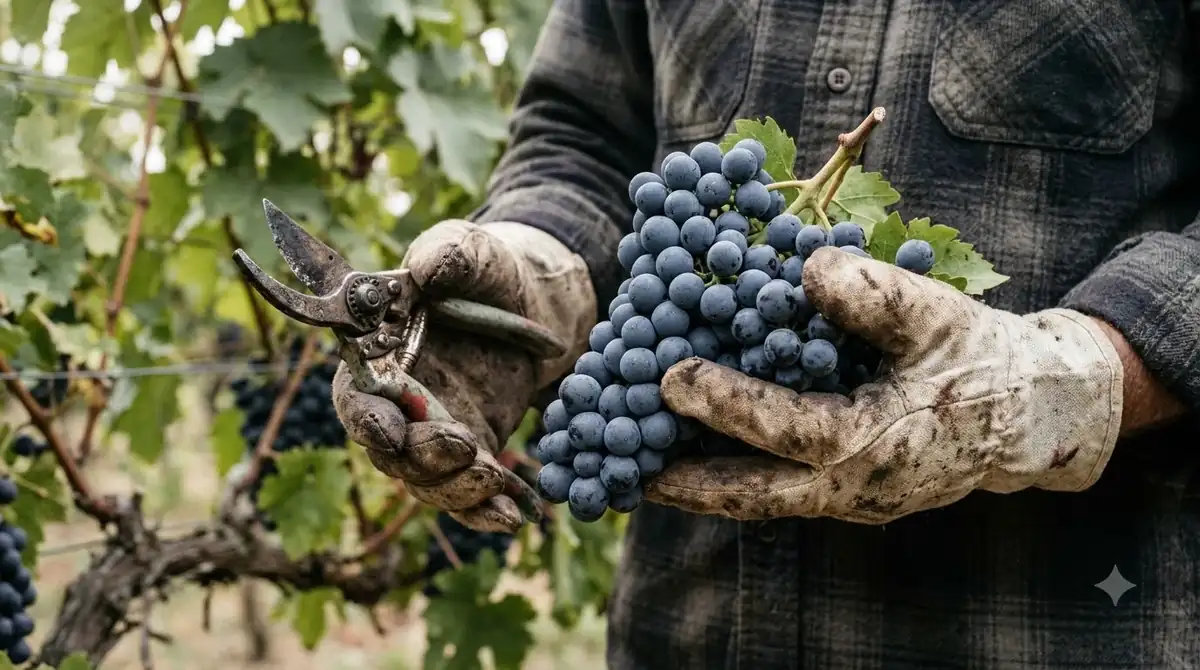
Red wine dominates. According to the Wikipedia summary of the region’s production, more than 90% of the wine made here is red, and Gaglioppo is the most important variety. Wine Folly describes Gaglioppo as a rare find from Calabria, with flavors of raspberry, red currant, leather, and tobacco. It is the child grape of Sangiovese, and it tends to give medium-bodied wines with bright fruit and a savory edge.
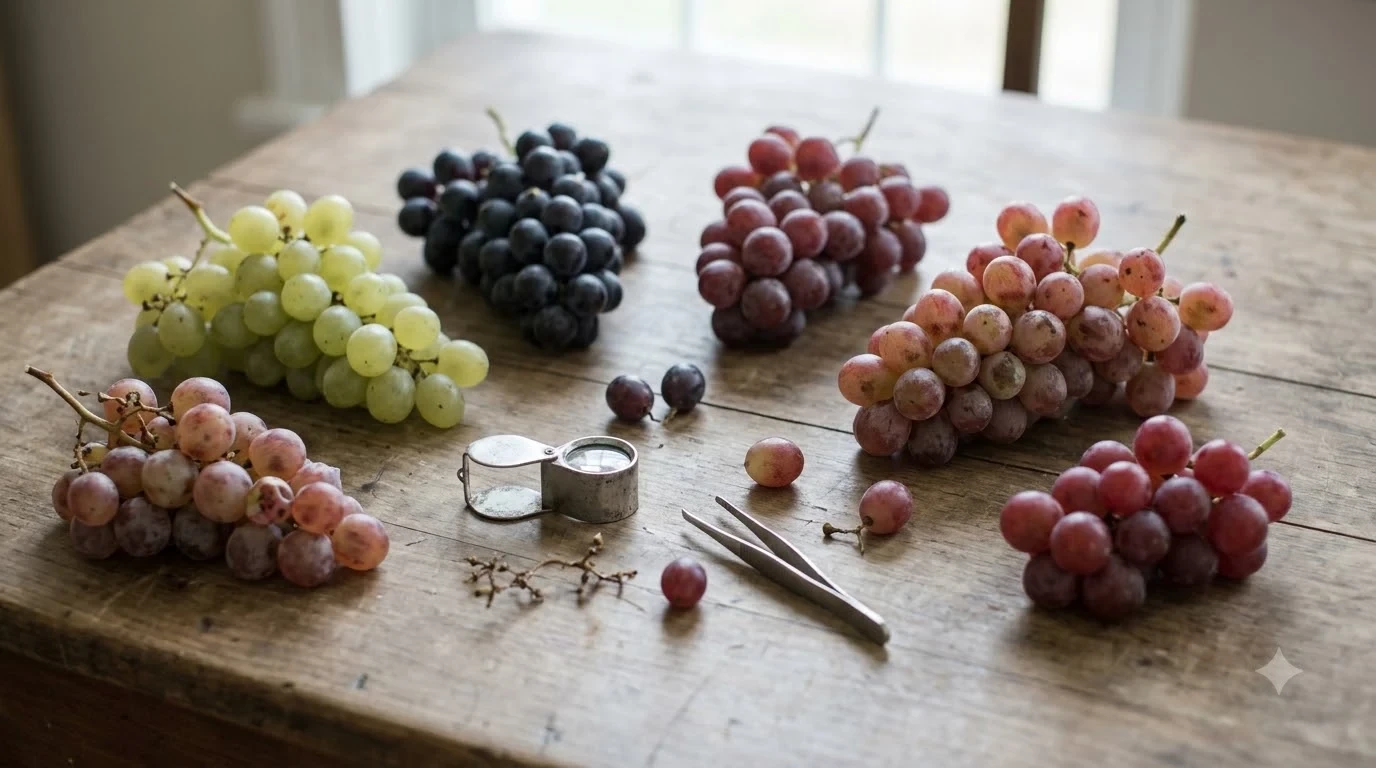
Other red varieties include Nerello Mascalese, Magliocco, and Greco Nero. On the white side, Greco Bianco, Mantonico, and Malvasia Bianca are the main names, along with Chardonnay. Greco Bianco is not the same grape as Trebbiano, even though older labels sometimes use “Greco” for both, so check the grape name on the back label before assuming a style.
Cirò and the main appellations
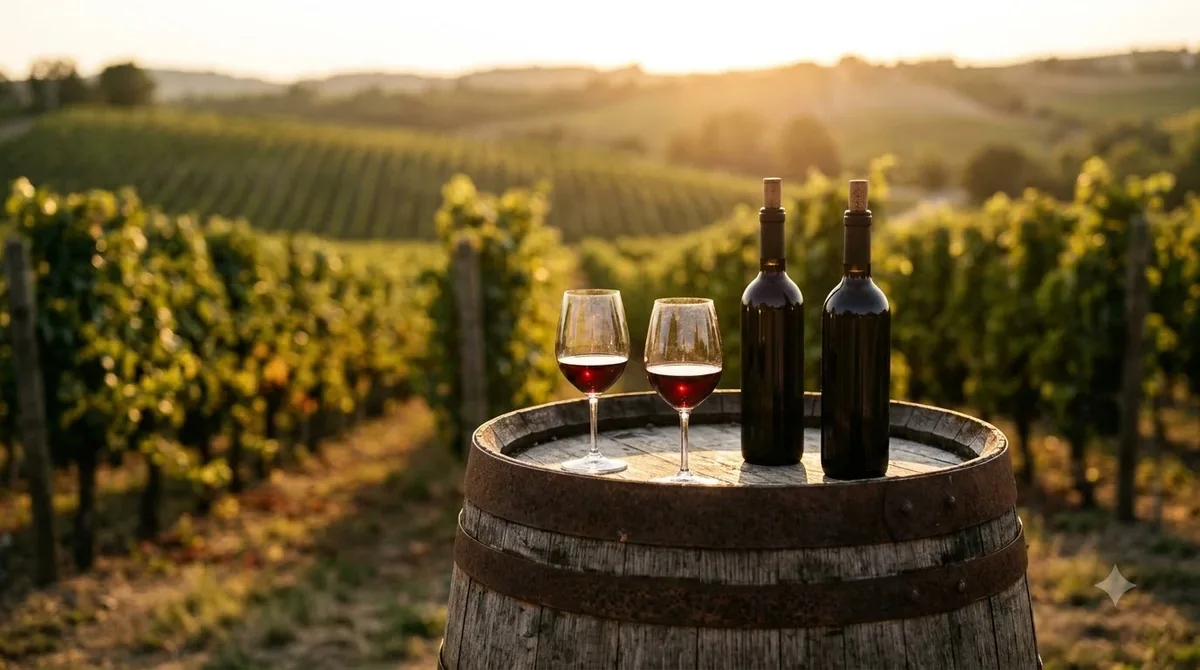
Cirò is the region’s flagship. It is the only DOCG in Calabria, and its heartland sits in the eastern foothills of the Sila range, extending toward the Ionian coast around the towns of Cirò and Cirò Marina in the province of Crotone. The Cirò Classico zone received its first recognition in November 2023, which signals how recently the region’s top tier was formalized.
Calabria also has 12 DOC zones, including Melissa, Lamezia, and Savuto. Only about 4% of the region’s yearly production is classified as DOC, so the bulk of the output falls into other categories, including the regional IGT designations. The appellation on the label tells you more about place and grape than a general Calabria IGT bottle, although both can offer good value.
Western areas in the Catanzaro and Cosenza provinces host several smaller DOCs, among them Donnici, Lamezia Terme, Savuto, and Verbicaro. Each has its own rules and its own mix of grapes, so the same grape can taste different depending on where it is grown.
Where the vineyards grow
The region’s vineyards follow its mountains and coastline. Cirò sits on the eastern side of the Sila, where the hills slope toward the sea. In the Reggio Calabria province, the sweet Greco Bianco wines of the Bianco area and the Bivongi zone stand out from the dry reds of the north and west.
Much of the terrain is hilly and warm, which suits late-ripening reds such as Gaglioppo. Higher and cooler sites help retain acidity, while lower coastal plots can produce riper, softer wines. Growers often work small parcels, so the same appellation can contain very different vineyards.
| Grape | Color | What to expect |
|---|---|---|
| Gaglioppo | Red | Raspberry, red currant, leather, tobacco; medium body |
| Nerello Mascalese | Red | Fresh red fruit with a light savory note; also grown in Sicily |
| Magliocco | Red | A local red variety found across the region |
| Greco Bianco | White | Dry and sweet styles; distinct from Trebbiano |
| Mantonico | White | A traditional local white variety |
Tip: Many Calabrian bottles name the grape prominently. The variety on the label is often the quickest guide to the style, so read it before the producer name.
How to serve and pair Calabrian reds
Wine Folly suggests serving Gaglioppo at 15 to 20°C, or 60 to 68°F. That range keeps the fruit lively without letting the wine taste hot or heavy. Gaglioppo typically sits between 11.5% and 13.5% alcohol by volume, which makes it easy to pair with a wide range of meals and not too heavy for a weeknight dinner.
Italian food is the natural match. Pasta with a meat ragù, tomato-based pastas, and pizza with tomato and cheese all work well. The grape also suits lighter meats and roasted vegetables. For Greco Bianco and Mantonico, serve the wine cool rather than ice-cold so the aromas can show, and pair the drier styles with seafood or fresh cheeses.
How to choose a Calabrian bottle
Start with the appellation if you want a clear sense of place, or with the grape if you prefer a particular style. A Gaglioppo-based red suits readers who enjoy Italian reds with bright fruit and medium body. Greco Bianco is a sensible starting point for white, especially if you want a wine that differs from the usual Italian whites.
Price and availability vary across the region, and the best bottles are often the ones that name a single producer and a specific zone. When a label gives a village or a sub-zone, it usually means the grapes came from a defined vineyard area rather than a broad mix. Ask a shop or restaurant staff member which Gaglioppo they recommend, since local knowledge helps when a wine is less familiar.
When you compare Calabria with other southern Italian regions, the warm climate is the main thing to watch. Warm regions often produce riper fruit than cooler northern sites, but acidity and elevation still shape the final wine. For a broader view of Italy, the Emilia Romagna wine region guide offers a useful contrast, and the Wine Regions hub covers other areas.
Frequently Asked Questions
What is the Calabria wine region known for?
It is known for red wines made from Gaglioppo, the region’s main grape, and for the Cirò appellation, the only DOCG in Calabria. The region also produces white wines from Greco Bianco and Mantonico.
Is Calabrian wine mostly red or white?
Mostly red. Reports on the region’s production put red wine at more than 90% of output, so most bottles you find will be red. White wines exist but are a smaller share.
What is Cirò wine?
Cirò is the DOCG appellation in the eastern foothills of the Sila range, centered on Cirò and Cirò Marina in the province of Crotone. It is the region’s most recognized wine zone and is mostly associated with Gaglioppo-based reds.
Which Calabrian grape should I try first?
Start with Gaglioppo if you like Italian reds with bright fruit and medium body. Wine Folly suggests serving it at 15 to 20°C and pairing it with tomato-based pasta, meat ragù, or pizza.
The Calabria wine region rewards curiosity. Pick one Gaglioppo red and one Greco Bianco, compare them with a simple meal, and the regional character becomes clear quickly. Use the grape on the label as your guide, and check the appellation when you want a more specific sense of place.
More in Wine Regions
 Willcox Wine Trail: Discover Arizona’s High-Elevation Wine CountryUpdated Nov 20, 2026
 Yakima Valley Wine Region: Find the Best Styles to TryUpdated Nov 20, 2026
 Vosne Romanee Wine Tasting: Identify Aromas and Choose Better PairingsUpdated Nov 20, 2026
 Yakima Valley Wine Festival: Find the Best Seasonal Wine EventsUpdated Nov 20, 2026
 Wales Vineyards: Discover Cool-Climate Wines and Where to VisitUpdated Nov 20, 2026
 Yountville Wine Festival: Discover Napa Wines and Local FoodUpdated Nov 20, 2026