

We may earn a commission when you buy through links on this page, at no extra cost to you. Learn more.
This barefoot riesling review finds that Barefoot California Riesling is a fruit-forward, lightly sweet white wine suited to casual sipping, spicy meals, and drinkers who prefer approachable wines over bone-dry whites. Its flavor profile centers on juicy apple, lemon, tropical fruit, and honey, with refreshing acidity providing balance. It is an accessible choice for beginners and anyone looking for an uncomplicated California Riesling, although drinkers who prefer completely dry wines may find its sweetness noticeable.
Barefoot Riesling occupies a familiar place in the approachable American wine category: a straightforward white designed for everyday occasions rather than formal wine collecting. Its combination of fruit, sweetness, and acidity makes it versatile enough for casual dinners, warm-weather gatherings, and simple appetizers. Understanding its actual sweetness, alcohol level, and flavor profile helps determine whether it matches your preferences before you choose a bottle.
Who Should Choose Barefoot Riesling?
Barefoot Riesling is best suited to people who enjoy fruit-forward white wines with noticeable but balanced sweetness. Its approachable style, California origin, and multiple bottle formats make it practical for first-time Riesling drinkers and casual wine occasions.
The first audience to consider is someone transitioning from sweeter beverages to wine. Barefoot’s apple, lemon, honey, and floral characteristics offer recognizable flavors without the pronounced oak, heavy texture, or firm tannins found in some other wine styles. Its producer describes the wine as refreshingly sweet and unoaked, with juicy tree fruit and a honeyed middle supported by crisp acidity. That combination gives the wine an easygoing character without making it taste like a simple fruit drink.
It can also appeal to people who enjoy Riesling but do not necessarily want the austerity of a bone-dry German bottling. The Tastings evaluation describes the non-vintage California wine as off-dry, with canned pineapple, green mango, poached pear, and clover honey. Its acidity supplies a refreshing counterpoint to the lightly candied fruit character. The result is a style that can work both as an aperitif and alongside a meal.
There are, however, drinkers who should consider another wine. Anyone who strongly prefers dry Sauvignon Blanc, lean Chablis, or completely unsweetened white wines may find Barefoot Riesling too sweet for regular drinking. People seeking complex mineral character, pronounced bottle development, or a premium cellar-worthy Riesling should also look beyond this everyday California style.
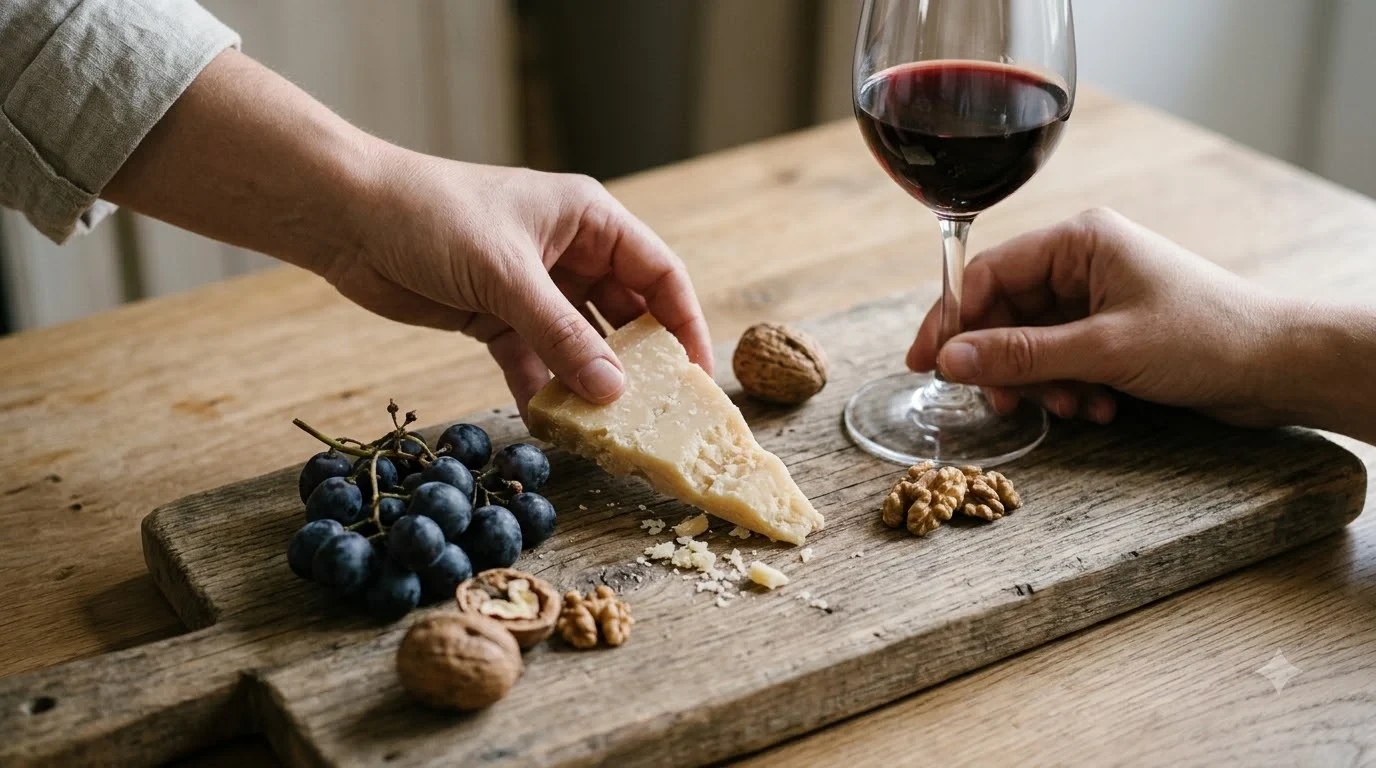
Think about the occasion as well as personal taste. A chilled glass with fruit, mild cheese, or a casual lunch is a natural setting for this wine. It is less suited to a formal tasting where subtle vineyard differences, extended aging potential, and intricate winemaking techniques are the primary attractions.
For readers comparing different expressions of this bottle, the dedicated Barefoot Riesling overview provides another useful starting point. The broader Wine Brands collection can also help place this bottle among other accessible wine producers.
Key Factors to Compare Before Buying
The most useful buying considerations are sweetness, acidity, alcohol, body, packaging, and food compatibility. Barefoot Riesling is relatively easy to understand once these characteristics are considered together instead of judging it by the word sweet alone.
| Characteristic | Reported or typical detail | What it means for buyers |
|---|---|---|
| Wine variety | Riesling | An aromatic white grape variety |
| Origin | California, USA | An approachable California wine style |
| Alcohol | 8% ABV in the Tastings review | Relatively modest alcohol for wine |
| Residual sugar | 0.7% in the Tastings review | Supports its off-dry classification |
| Body | Light-bodied retailer description; medium-bodied in Tastings’ assessment | Generally approachable rather than heavy |
| Oak influence | Unoaked | Fruit and acidity remain prominent |
| Serving temperature | 45–50°F | Helps preserve freshness |
| Standard bottle size | 750 ml | Approximately five 5-ounce glasses |
| Other listed formats | 187 ml, 500 ml, 1.5 L, 3 L | Different options for individual and group occasions |
Sweetness deserves the most attention. The producer calls this wine refreshingly sweet, while the professional evaluation describes the reviewed non-vintage bottling as off-dry. Those descriptions are compatible: a wine can have perceptible sweetness while retaining enough acidity to avoid tasting heavy or syrupy. Residual sugar of 0.7% was recorded for the specific wine evaluated by Tastings, not necessarily every bottle sold under the same label.
Alcohol content is another useful comparison point. Tastings recorded 8% ABV for its evaluated non-vintage bottle. That is lower than the alcohol level commonly found in many full-strength dry white wines, but buyers should distinguish the reviewed bottling from other listings that may contain different information. The dedicated Barefoot Riesling alcohol content article provides a closer look at this particular buying consideration.
Body and acidity complete the picture. Retailer descriptions characterize the wine as light-bodied, while the professional tasting assessment calls the reviewed wine medium-bodied. These differences can arise from individual tasting judgments and the way a wine is experienced alongside food. Its lively acidity is particularly important because it keeps the fruit and honey characteristics from dominating every sip.
Packaging matters if you are buying for a specific occasion. The producer lists five formats, from a 187 ml serving-size bottle to a 3 L format. A standard 750 ml bottle provides approximately five 5-ounce pours, making it a reasonable choice for a small dinner or a couple of casual glasses across separate occasions.
Tip: Do not judge Riesling sweetness by the grape name alone. Compare residual sugar, acidity, and the producer’s description together. A sweet-leaning wine with lively acidity can taste considerably fresher than a wine with similar sweetness and less acidity.
For a broader comparison, Sauvignon Blanc generally offers higher acidity and a drier impression, while Moscato often emphasizes floral and fruity sweetness. Chardonnay usually has medium acidity and a different fruit profile. Barefoot Riesling sits comfortably among accessible aromatic whites, with its balance of apple, citrus, tropical fruit, and honey being its defining appeal.
Step-by-Step: How to Select and Serve Barefoot Riesling
Choosing this wine does not require extensive wine knowledge. A simple five-step process covering sweetness, bottle size, storage, temperature, and food makes it easier to get the most from the bottle.
-
Decide how much sweetness you enjoy.
Start by deciding whether you prefer bone-dry, off-dry, or noticeably sweet wine. Barefoot Riesling is described by its producer as refreshingly sweet, while Tastings classifies its reviewed non-vintage bottling as off-dry. If you usually enjoy sweet white wine, fruit-forward Moscato, or lightly sweet Riesling, its style is a reasonable place to start.
-
Choose a suitable bottle format.
The 187 ml format is useful when you want a smaller individual serving, while 500 ml provides a middle ground. The standard 750 ml bottle is suitable for approximately five 5-ounce pours. The 1.5 L and 3 L formats are more practical for larger gatherings where several people will share the wine.
-
Chill the bottle before serving.
Place the bottle in a refrigerator until the wine reaches approximately 45–50°F. This temperature range works well for light, aromatic whites with noticeable sweetness. Serving it too warm can make the fruit and sweetness seem heavier, while excessive chilling can suppress its floral and tropical aromas.
-
Use appropriate glassware and pour carefully.
A standard white wine glass is sufficient. Pour approximately 5 ounces rather than filling the glass to the rim. Leaving space above the wine gives its apple, citrus, honey, and floral aromas room to develop while allowing the wine to remain cool during the meal.
-
Pair it with food or enjoy it on its own.
Try mild cheeses, fresh fruit, barbecue chicken, chicken fajitas, or moderately spicy noodles. The acidity provides freshness, while the sweetness can balance some spicy and savory flavors. If serving it alone, pair it with simple appetizers rather than foods that overpower its relatively delicate profile.
The order matters because temperature changes how sweetness is perceived. A properly chilled glass generally tastes fresher and more balanced than the same wine poured directly from a warm storage area. If serving the bottle over several hours, keep it in an ice bucket or return it to the refrigerator between pours.
There is no need to decant this youthful, unoaked white wine. Opening it shortly before serving is generally sufficient. A brief period in the glass allows the fruit and floral aromas to become more apparent without requiring the lengthy aeration often associated with young, full-bodied red wines.
Flavor, Sweetness, and Riesling Styles Explained
Barefoot Riesling combines recognizable fruit flavors with floral aromas, a honeyed impression, and refreshing acidity. Understanding the distinction between fruitiness, sweetness, and acidity makes its overall character easier to appreciate.
On the nose, the producer emphasizes juicy tree fruit and honey, while Harris Teeter identifies orange blossom alongside apple and lemon. The professional assessment adds more detailed aromatic references, including canned pineapple, pickled ginger, lemon verbena, green mango, and white and yellow flowers. These characteristics give the wine an aromatic profile that is more expressive than a neutral, uncomplicated white wine.
The palate continues that fruit-driven direction. Apple and pear provide familiar orchard-fruit impressions, while pineapple and mango contribute tropical notes. Honey and lightly candied fruit create the sweet impression. The lemon-like freshness and lively acidity help keep those flavors from becoming excessively heavy.
It is useful to separate three concepts when evaluating this wine:
- Fruitiness: The wine can smell and taste of ripe fruit even when a wine is technically dry. Fruit aromas do not automatically indicate residual sugar.
- Sweetness: Barefoot Riesling has perceptible sweetness according to the producer, and the reviewed bottling was categorized as off-dry by Tastings.
- Acidity: The crisp acidity contributes freshness and helps balance the sweetness, making the wine more refreshing than a low-acid sweet wine might be.
Riesling itself covers a broad range of styles. Some examples are completely dry, others are off-dry, and certain versions are distinctly sweet or designed for dessert. The grape’s naturally high acidity is one reason it can work across this spectrum. Barefoot’s particular expression is positioned toward an accessible, sweet-leaning style rather than a sharply dry or intensely mineral one.
Oak treatment is another point of distinction. Barefoot identifies this Riesling as unoaked. That means the style is not built around the vanilla, toast, butter, or baking-spice impressions often associated with oak-influenced white wines. Its identity instead comes from the grape’s fruit character, aromatic qualities, and acidity.
For readers who want to understand the sweetness question in more detail, the separate Barefoot Riesling sugar content discussion is useful. The key distinction is that the reported 0.7% residual sugar belongs to the particular non-vintage bottle assessed by Tastings, rather than being a universal specification for every production run.
These details also explain why the wine can appeal to people with different levels of wine experience. Beginners can recognize apple, lemon, and honey without needing to identify complex winemaking characteristics. More experienced drinkers can focus on how the acidity balances the sweetness and how the tropical and floral notes develop in the glass.
For the producer’s own description of its California Riesling, including its sweetness, unoaked style, and five available package sizes, consult the official Barefoot Riesling product page.
Common Mistakes When Choosing and Drinking Barefoot Riesling
The most common mistakes involve assuming all Riesling is equally sweet, serving the wine at the wrong temperature, or pairing it with foods that overpower its delicate fruit character. A few small adjustments can make a meaningful difference.
Assuming every Riesling is sweet: Riesling is a grape variety, not a fixed sweetness category. Dry examples are widely available, as are off-dry and dessert-style wines. Barefoot’s producer describes its version as refreshingly sweet, so it should not be used as a universal example of every Riesling’s taste.
Confusing fruit aromas with residual sugar: A wine that smells like ripe pear, pineapple, or mango does not necessarily contain a large amount of residual sugar. Aromatic fruit compounds can create these impressions independently of measurable sweetness. Barefoot has both pronounced fruit character and documented sweetness in the particular bottle evaluated by Tastings, but those are separate aspects of the wine.
Serving it too warm: Warm white wine can seem softer, heavier, and sweeter. For this style, approximately 45–50°F is a practical serving range. Avoid leaving an opened bottle on a warm dining table throughout a long meal.
Pairing it with very sweet desserts: A useful wine-pairing principle is to choose a wine at least as sweet as the dessert. If the dessert is considerably sweeter than Barefoot Riesling, the wine can taste more acidic and less flavorful by comparison. Fresh fruit or lightly sweet pastries are generally easier matches than intensely sugary desserts.
Ignoring the effect of chili heat: A moderately spicy dish can work well with a sweet-leaning Riesling, but extremely hot chili preparations can still overwhelm it. Alcohol and tannin can amplify the perception of chili heat, while sweetness and acidity may provide a useful contrast. Avoid assuming that sweetness makes every extremely spicy dish an ideal match.
Choosing the wrong bottle size: A 3 L bottle may be unnecessary for someone drinking alone or serving only two people. Conversely, several small bottles may be less convenient for a large gathering. Consider the number of guests and how quickly the wine will be consumed before selecting a format.
Expecting oak or extensive aging character: This is an unoaked, fruit-forward wine. Buyers looking for toasted oak, pronounced vanilla, or complex aged-white-wine characteristics may be disappointed. Its appeal lies in its accessible fruit and fresh character, not in a complicated oak-influenced structure.
Comparing alcohol figures without checking which bottle was evaluated: The 8% ABV figure belongs to the specific non-vintage wine reviewed by Tastings. Online retailer listings and bottles from different production periods can show differing information. Avoid treating a number from one evaluation as a guarantee for every format and bottling.
For a more detailed independent tasting description, including the specific aromas, flavor impressions, alcohol figure, and suggested food pairings, see the Tastings Barefoot NV Riesling review.
Care, Storage, and Serving Tips
Barefoot Riesling is best enjoyed as a fresh, approachable white wine rather than treated as a long-term cellar investment. Correct refrigeration, a consistent serving temperature, and sensible handling after opening help preserve its fruit and floral character.
Before opening, keep the bottle in a cool, dark location away from direct sunlight, heat sources, and repeated temperature fluctuations. A dedicated wine refrigerator is useful but not essential for a casual bottle intended for relatively early consumption. For longer storage of suitable bottled wines, a temperature near 55°F is a common reference point, although this does not mean every everyday Riesling needs extended cellar aging.
For immediate serving, refrigerate the bottle until it reaches approximately 45–50°F. If it becomes too cold, allow it to sit briefly at room temperature before pouring. If it warms during dinner, return it to the refrigerator or an ice bucket. Temperature control helps preserve the refreshing character that makes this wine suitable for casual meals.
The producer lists several package sizes, including 187 ml, 500 ml, 750 ml, 1.5 L, and 3 L. Smaller formats can help reduce the amount of leftover wine, while larger bottles make sense for group occasions. The standard 750 ml bottle is a useful middle ground for ordinary household consumption.
After opening, close the bottle securely and refrigerate it. A screw-cap format, identified in the retailer’s 750 ml listing, makes resealing straightforward. Once opened, most still wines are best consumed within approximately 3–5 days when properly refrigerated. The exact quality window depends on the wine’s condition, storage temperature, and exposure to oxygen.
When returning to an opened bottle, pour a small amount first and check whether the aroma remains fresh. Apple, citrus, and floral impressions should still be recognizable. If the wine has developed noticeably stale, bruised-fruit, or vinegar-like characteristics, its original appeal may have diminished.
Do not freeze the bottle to accelerate chilling. Sudden temperature changes and expansion can damage the packaging, while excessive cold can temporarily mute aromas. A refrigerator or an ice bucket with water and ice is a more reliable option.
Glassware also deserves attention, although expensive specialty glasses are unnecessary. A clean white wine glass with a moderately narrow opening is sufficient to concentrate the wine’s floral and fruit aromas. Avoid strong detergent residue, since it can interfere with the delicate aromatic character of a light white wine.
Finally, keep the wine’s intended purpose in mind. Barefoot Riesling is designed around approachable fruit, freshness, and convenience. Its strongest use is casual enjoyment while the wine is fresh, rather than prolonged storage in the hope of developing the complexity of a premium age-worthy Riesling.
Frequently Asked Questions
Is Barefoot Riesling sweet or dry?
Barefoot Riesling is positioned as a sweet-leaning white wine by its producer. Tastings classified the evaluated non-vintage bottling as off-dry rather than completely dry. Its acidity provides balance, so its sweetness does not necessarily dominate every sip.
What is the alcohol percentage of Barefoot Riesling?
Tastings recorded 8% ABV for its evaluated Barefoot NV Riesling. Alcohol content can differ between individual listings or production versions, so the 8% figure should be understood as a specification for the reviewed bottling rather than a guarantee covering every bottle.
Does Barefoot Riesling contain sulfites?
Wine naturally contains sulfites, and commercial winemaking may involve additional sulfur dioxide to help protect wine against oxidation and microbial spoilage. Sulfite declarations and labeling requirements depend on applicable regulations, so buyers interested in ingredient and allergen information should consult the relevant product packaging and producer information.
Is Barefoot Riesling vegan-friendly?
The product description and tasting evaluation discussed here do not establish whether the wine is vegan. Some wines use animal-derived fining materials during clarification, while others use alternative methods. Buyers who require verified vegan production should obtain confirmation from the producer for the specific bottling.
Can Barefoot Riesling be used in wine cocktails?
Yes, its fruit-forward profile can work in simple white-wine spritzers and pitcher-style drinks. Its apple, citrus, and tropical notes pair naturally with sparkling water, citrus slices, and fresh fruit. Because the wine already has sweetness, additional sweeteners are usually unnecessary when preparing a balanced drink.
Barefoot Riesling is a sensible option for drinkers who want an approachable California white with recognizable fruit, honeyed sweetness, and refreshing acidity. Its best qualities are its accessible flavor profile, food-friendly character, and convenient range of bottle formats. For someone who prefers completely dry or highly complex wines, another Riesling style may be a better match, but casual drinkers looking for a lightly sweet white will find plenty to appreciate in this bottle.
Before choosing your next bottle, compare the sweetness and alcohol information for the specific format you intend to purchase. That simple step helps ensure the wine matches your preferred taste and the occasion.
More in Wine Brands
 Louis Latour Wine Price: Compare Bottles by Style and TierUpdated Nov 20, 2026
 Yellow Tail Moscato Price: What to Expect Before You BuyUpdated Nov 20, 2026
 Sutter Home Sweet Red Review: Find the Right Food PairingsUpdated Nov 20, 2026
 Franzia Chillable Red Review: Find the Right Serving StyleUpdated Nov 20, 2026
 Veuve Clicquot Rose Review: Flavor, Food Pairings and Buying AdviceUpdated Nov 20, 2026
 Rombauer Wine Price: Compare Bottles Before You BuyUpdated Nov 20, 2026