

We may earn a commission when you buy through links on this page, at no extra cost to you. Learn more.
An objective austin hope wine review shows a bold, plush, fruit-forward California style defined by ripe dark berries, mocha, vanilla oak spice, and velvety tannins rather than austere, earthy restraint. Produced in Paso Robles by Hope Family Wines, the flagship Austin Hope Cabernet Sauvignon regularly lands at 15 percent ABV and earns high critic marks for delivering Napa-style richness with softer, approachable edges. Buyers who enjoy opulent, full-bodied reds will find strong consistency across vintages, while drinkers who prefer lean, high-acid, or low-oak European reds should look elsewhere.
Founded as a dedicated label in 2000 by owner-winemaker Austin Hope and propelled into the national spotlight with the release of its inaugural Cabernet Sauvignon, the brand has become one of the most recognizable names on California’s Central Coast. Understanding how the flagship bottle compares against the Reserve, Cellar Select, and sister labels helps shoppers pick the right bottle for dinner, gifting, or short-term cellaring.
Who This Austin Hope Wine Review Is For
This guide is built for wine shoppers deciding whether Austin Hope’s flagship Paso Robles Cabernet Sauvignon or its companion bottlings match their palate, meal plan, and cellar setup. It breaks down technical winemaking details, flavor profiles, bottle tiers, serving temperatures, and common buying mistakes so shoppers know exactly what is inside the heavy glass bottle before pulling the cork.
Drinkers who gravitate toward lush, full-bodied California reds—especially fans of Caymus, Justin, or DAOU—typically appreciate what Austin Hope puts in the glass. Chuck and Marlyn Hope began planting vineyards in Paso Robles in 1978 and later supplied Cabernet Sauvignon fruit to Chuck Wagner of Caymus Vineyards before transitioning into winemaking under their own roof, according to the Paso Robles CAB Collective. That historical link shows up in the house style: generous black cherry and blackberry fruit framed by sweet toasted oak, cocoa, and rounded tannins that drink smoothly right on release.
Conversely, wine lovers who favor crisp acidity, pronounced herbal or savory notes, and moderate alcohol levels around 12.5 to 13.5 percent ABV may find Austin Hope too rich and oak-driven. Because Paso Robles experiences warm, dry days cooled by afternoon Pacific breezes 18 miles to the west, grapes achieve deep ripeness that naturally yields higher alcohol and a plush, almost sweet-seeming mid-palate even though the wine is fermented dry. Shoppers browsing broader wine brands for a crisp weekday table red or a restrained, old-world-style Bordeaux blend will likely prefer lighter-bodied alternatives.
Key Factors to Compare Across the Austin Hope Lineup
Comparing Austin Hope bottlings comes down to four measurable traits: grape composition, oak barrel regimen, alcohol by volume, and aging potential. Each tier in the Hope Family Wines portfolio adjusts these variables to create distinct textures and flavor intensities.
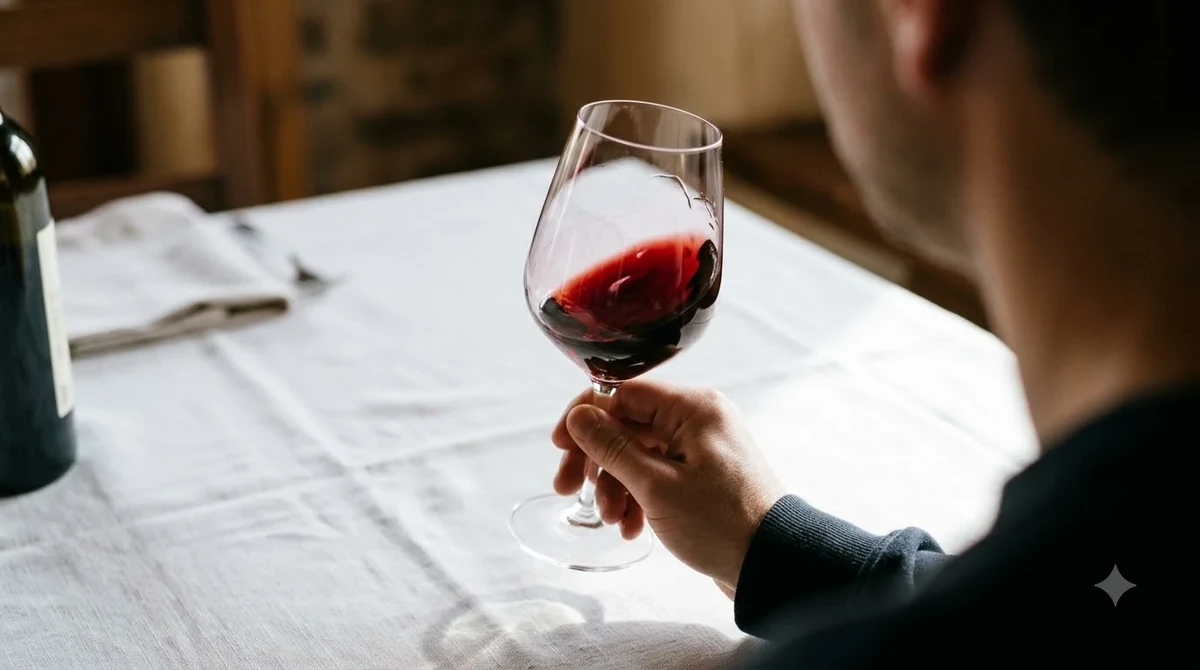
The flagship Austin Hope Cabernet Sauvignon draws fruit from multiple Paso Robles sub-AVAs—including Adelaida, Creston, El Pomar, Estrella, and Geneseo—to balance hillside structure with valley-floor ripeness. According to Hope Family Wines, fermentation takes 10 to 14 days in stainless steel tanks, followed by a two-stage French oak aging program that finishes the assembled blend in roughly 75 percent new French oak for two to three months. That finishing pass layers vanilla bean, nutmeg, and caramel onto the dark fruit core without leaving harsh, drying wood tannins.
Moving up to the Austin Hope Reserve Cabernet Sauvignon intensifies both barrel selection and new oak exposure. Winemakers taste individual barrels just before regular bottling, isolate standout lots, and return them to 100 percent new French oak for an additional six to nine months. Meanwhile, the everyday AUSTIN Cabernet Sauvignon bottling blends roughly 80 percent Cabernet Sauvignon with Petite Sirah, Merlot, Petit Verdot, and Malbec, spending around 17 months in a gentler 10 to 15 percent new oak regimen at 14.5 percent ABV.
| Bottling Tier | Primary Grape Focus | Typical ABV | Oak Aging Program | Core Flavor Profile |
|---|---|---|---|---|
| Austin Hope Cabernet Sauvignon (Flagship) | 100% Cabernet Sauvignon (multi-AVA Paso Robles) | 15.0% | 14 to 16 months total; two-pass French oak finishing in ~75% new oak | Black cherry, blackberry, mocha, vanilla cookie, baking spice |
| Austin Hope Reserve Cabernet Sauvignon | 100% Cabernet Sauvignon (hand-selected barrels) | 15.0% | 20+ months total; extended aging in 100% new French oak | Blueberry pie, cocoa powder, roasted coffee, tobacco, cedar |
| Austin Hope Cellar Select & Estate Rhônes | Syrah, Grenache, Mourvèdre, Cabernet Franc, Graciano | 14.5%–15.0% | 14 to 18 months in mixed new and neutral French oak | Plum, cracked black pepper, violet, cured meat, dark chocolate |
| AUSTIN Paso Robles Cabernet Sauvignon | ~80% Cabernet Sauvignon with Petite Sirah, Merlot, Petit Verdot | 14.5% | 17 months in French and American oak (10%–15% new) | Cassis, ripe plum, toasted wood, graphite, soft vanilla |
Step-by-Step: How to Evaluate and Serve Austin Hope Wine
Getting the best performance out of a bold 15 percent ABV Paso Robles red requires simple temperature and aeration steps before pouring. Follow this sequence to keep the alcohol integrated and bring out the savory spice notes beneath the ripe fruit.
- Check the vintage and bottle format before opening. Recent vintages of Austin Hope Cabernet drink smoothly within one to three years of release because of their polished tannins, while larger formats like 1.5-liter magnums and 3-liter jeroboams age more slowly and benefit from extra cellar rest.
- Chill the bottle slightly to 60–65°F. Standard room temperature in most US homes sits between 70°F and 74°F, which makes 15 percent ABV wines smell sharp and taste heavy. Placing the bottle in a standard refrigerator for 20 to 25 minutes before opening brings it down into the ideal 60–65°F serving range for full-bodied reds.
- Decant young vintages for 30 to 60 minutes. Pouring the wine into a wide-bottomed crystal decanter exposes the tight oak spice and dark fruit to oxygen, softening the initial alcohol warmth and releasing secondary aromas of espresso, leather, and dried herbs.
- Use a large-bowled Bordeaux glass with a 5-ounce pour. A standard 750 ml bottle yields five 5-ounce pours, leaving generous headspace in a tall red wine bowl so aromas concentrate below the rim rather than hitting the nose all at once.
- Pair with rich, salted proteins or aged hard cheeses. Salt and fat naturally soften Cabernet Sauvignon’s high tannins, making ribeye steak, braised beef short ribs, roasted lamb, or aged Gouda ideal companions that balance the wine’s opulent fruit.
Tip: Avoid pairing 15 percent ABV Paso Robles Cabernet with spicy chili-heavy dishes or oily fish. Capsaicin heat amplifies alcohol burn on the palate, while oily fish clashes with full-bodied red wine tannins to create a metallic aftertaste.
Austin Hope Wine Types and Styles Explained
While the flagship Cabernet Sauvignon drives most retail searches, Hope Family Wines produces several distinct tiers under the Austin Hope umbrella and across five sister labels. Knowing how each style behaves in the glass prevents mismatches between the bottle you buy and the occasion.
Flagship Austin Hope Cabernet Sauvignon
Launched commercially starting with the 2015 vintage and released in 2017, this bottling put Paso Robles Cabernet on national top-ten lists, earning back-to-back top 10 spots in Wine Enthusiast’s Enthusiast 100 and scores ranging from 91 to 97 points from reviewer Matt Kettmann. Expect an opaque, deep ruby color and dense aromas of black currant, blackberry syrup, vanilla bean, and hickory smoke. On the palate, it feels coats-the-mouth velvety with low perceived astringency, finishing long with sweet oak spices like clove and nutmeg.
Austin Hope Reserve Cabernet Sauvignon
Bottled in much smaller quantities, the Reserve tier dials up concentration and structural grip. By returning select barrels to 100 percent new French oak for extended aging, the winemaking team builds firmer mid-palate tannins and deeper savory notes of dark cocoa, roasted coffee beans, and dried tobacco leaf alongside blueberry and olallieberry fruit. It handles five to ten years of cool cellar storage better than the standard bottling and suits special-occasion steak dinners.
Cellar Select, Estate Rhônes, and White Releases
Common Mistakes When Buying and Serving Austin Hope Wines
Even well-made, critically acclaimed Paso Robles wines can disappoint if buyers confuse sister labels or serve the bottle under poor conditions. Avoiding four frequent errors keeps expectations aligned with what is inside the glass.
First, shoppers frequently mistake the black-and-white AUSTIN Paso Robles Cabernet Sauvignon bottle for the flagship gold-and-cream Austin Hope Cabernet Sauvignon. While both come from Hope Family Wines in Paso Robles, the AUSTIN bottling is a multi-grape red blend of roughly 80 percent Cabernet Sauvignon with Petite Sirah, Merlot, Petit Verdot, and Malbec aged in a lighter 10 to 15 percent new oak program at 14.5 percent ABV. Exploring the broader Austin Hope wine portfolio clarifies that AUSTIN is built as a softer, everyday-drinking bottling rather than the flagship single-varietal release.
Second, many buyers treat the flagship Cabernet as a long-term 20-year cellar investment on par with classified-growth Bordeaux or mountain-grown Napa Cabernet. Because Paso Robles fruit ripens generously with low natural acidity and soft, polished tannins, the flagship bottle hits peak drinkability within one to five years of its vintage date. Holding standard 750 ml bottles past eight to ten years often trades away the vibrant blackberry and mocha charm for dried-fruit flatness, whereas the Reserve tier holds firmer structure for longer aging.
Third, serving the wine straight from a warm kitchen counter at 72°F or higher exaggerates the 15 percent ABV and makes the sweet vanilla oak feel heavy. Cooling the bottle to 60–65°F tightens the structure and keeps the finish crisp. Finally, pairing any Austin Hope red wine with fiery chili-spiced dishes or delicate seafood creates immediate palate friction, as capsaicin amplifies alcohol warmth and high tannins clash with fish oils.
Care, Storage, and Cellaring Tips for Austin Hope Bottles
Proper storage protects the dense fruit aromatics and heavy French oak nuances of Paso Robles Cabernet from premature oxidation and heat damage. Following basic wine-storage parameters preserves both unopened bottles and leftover pours.
Store unopened bottles horizontally on their sides in a dark wine fridge or cool cellar maintained near 55°F with 50 to 70 percent relative humidity. Keeping natural corks in continuous contact with the wine prevents them from drying out and letting excess oxygen seep into the bottle, while steady temperatures avoid the thermal expansion that pushes corks upward. Hope Family Wines produces its wines in a temperature-controlled Paso Robles facility equipped with low-oxygen bottling lines, so keeping bottles stable at home preserves that clean, fresh-from-the-cellar profile.
Once opened, still red wines like Austin Hope Cabernet Sauvignon remain fresh for three to five days when recorked tightly and placed inside a refrigerator. Cold refrigerator air slows down oxidation dramatically; simply pull the bottle out 30 to 40 minutes before your next pour so it warms back into the 60–65°F serving window. Using a vacuum pump stopper or inert gas preserver can extend that window by another day or two if you only pour a single 5-ounce glass at a time.
Frequently Asked Questions
Is Austin Hope Cabernet Sauvignon a sweet wine?
No, Austin Hope Cabernet Sauvignon is fermented dry, meaning yeast converts almost all natural grape sugar into alcohol during its 10 to 14 days in stainless steel tanks. The impression of sweetness on the mid-palate comes from ripe Paso Robles blackberry fruit, 15 percent alcohol viscosity, and vanillin compounds extracted from new French oak barrels rather than residual sugar.
Where can visitors taste Austin Hope wines in person?
Hope Family Wines operates two hospitality venues in Paso Robles, California: the Austin Hope & Treana Tasting Cellar at 1585 Live Oak Road and Hope on Park at 1140 Pine Street in downtown Paso Robles. Both locations pour flagship Cabernet bottlings alongside small-lot Cellar Select and Estate Rhône releases not widely distributed in retail stores.
How sustainable is Hope Family Wines’ Paso Robles winery?
According to Wine Business Monthly, Hope Family Wines uses a closed-loop bottling sanitation system that consumes just 200 gallons of water per day compared to up to 10,000 gallons on conventional bottling lines. Overall winery water usage averages 4 gallons of water per gallon of wine produced, less than half the California wine industry average of 9 gallons.
Does Austin Hope make white wine or rosé?
Yes, beyond its famous reds, the Austin Hope label produces Paso Robles Chardonnay, Sauvignon Blanc, a dry Grenache-based Rosé, and an aromatic white blend called Sweetish. These white and rosé bottlings are crafted to be served chilled between 45°F and 50°F, offering higher acidity and lighter body than the 15 percent ABV reds.
What awards has Austin Hope Cabernet Sauvignon won?
Wine Enthusiast named Hope Family Wines its American Winery of the Year in 2022, and Austin Hope Cabernet Sauvignon has twice ranked in the top 10 of the publication’s annual Enthusiast 100 list. Across recent vintages, Wine Enthusiast critic Matt Kettmann has consistently awarded the flagship bottling scores between 91 and 95 points.
Austin Hope wines deliver an unapologetically rich, full-bodied expression of Paso Robles winemaking backed by careful French oak aging and consistent critic acclaim. Choosing the right tier—whether the flagship Cabernet, the structured Reserve, or a smaller-lot Estate Rhône—and serving it slightly chilled at 60–65°F ensures every glass shows its best balance of dark fruit and warm spice.
More in Wine Brands
 Louis Latour Wine Price: Compare Bottles by Style and TierUpdated Nov 20, 2026
 Yellow Tail Moscato Price: What to Expect Before You BuyUpdated Nov 20, 2026
 Sutter Home Sweet Red Review: Find the Right Food PairingsUpdated Nov 20, 2026
 Franzia Chillable Red Review: Find the Right Serving StyleUpdated Nov 20, 2026
 Veuve Clicquot Rose Review: Flavor, Food Pairings and Buying AdviceUpdated Nov 20, 2026
 Rombauer Wine Price: Compare Bottles Before You BuyUpdated Nov 20, 2026