

We may earn a commission when you buy through links on this page, at no extra cost to you. Learn more.
Asheville vineyards sit in the mountains of western North Carolina, where cool nights and higher elevation shape the wines. The area is part of the state’s broader wine scene, which the North Carolina Wine website organizes by region, American Viticultural Area (AVA), and wine trail. Visitors can tour a range of small family vineyards and larger estates, many of them within a short drive of the city. Planning ahead and choosing a few stops on one trail makes a day of tasting far easier.
Asheville is better known for its arts scene and mountain views than for wine, but the surrounding region has built a growing collection of vineyards and tasting rooms. This guide explains what to expect from the area, how the vineyards are organized, how to plan a visit, and what to look for when you pick a winery.
What Makes Asheville’s Vineyards Different
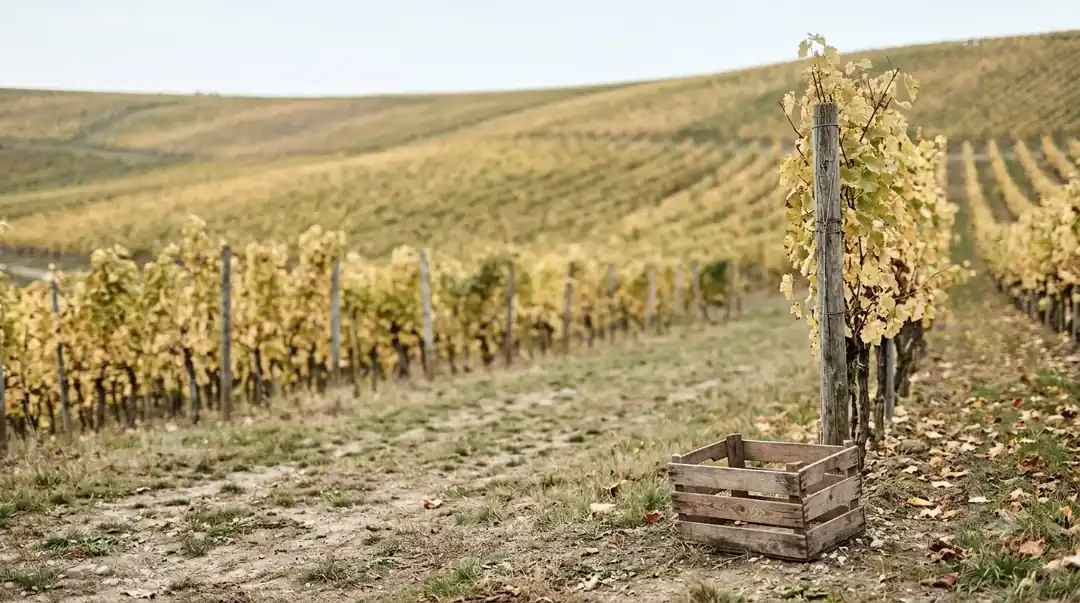
Asheville sits in the Blue Ridge Mountains, and that setting gives its vineyards a different character from the warmer, flatter grape-growing areas in other parts of the country. Mountain sites often have cooler nights, better air movement, and elevation changes that can slow ripening. Those conditions help grapes keep their acidity, which is important for both crisp whites and fresh, lively reds. For a contrast, the Arizona vineyards guide covers a hot, dry growing area where irrigation and altitude play a different role.
Vineyards in the mountains also face their own challenges. Frost, humidity, and disease pressure can be stronger than on drier sites, so growers tend to choose varieties and vineyard locations with care. Many of the region’s producers work on a small scale, and their wines often reflect the specific slope or valley where the grapes were planted.
How the Region’s Wine Is Organized
The North Carolina wine industry organizes its producers in several ways, and it helps to know them before you plan a trip. The North Carolina Wine site lists wineries, cideries, and meaderies by region, by American Viticultural Area, and by named wine trail. Each approach gives a different view. Regions group nearby producers together, AVAs follow the legal boundaries that a winery can use on its label, and trails are often built around a driving route.
For a visitor, trails are usually the most practical option. A trail groups several producers that sit within a reasonable drive of each other, so you can plan a loop instead of crossing the mountains between stops. The site also offers a downloadable app for planning visits, which can help when you are choosing a day’s route.
| Way to explore | What it helps you do |
|---|---|
| By region | Compare producers in the same part of the state |
| By AVA | Find wines made under a specific legal growing area |
| By trail | Plan a day route between nearby tasting rooms |
| By app or map | Check locations and plan stops on the go |
Planning a Visit From Asheville
Plan your visit around the season and the days a tasting room is open. Many small producers keep limited hours, especially midweek, so calling or checking the website before you leave is a good habit. Fall is often busy because of harvest events and holiday pre-orders, while spring and early summer tend to be quieter and easier for a relaxed tour.
The state’s Winners Pass program is another option to check. The North Carolina Wine site describes a pass that lets visitors choose six participating producers to visit during a set season, which can make a multi-stop trip more affordable. Read the program rules carefully, since they can change from year to year and may limit which tasting rooms count toward the pass.
Tip: Book a designated driver or a tour service for a full day of tastings. Mountain roads are winding, and even small pours add up over several stops.
What to Taste in the Region
Mountain vineyards often produce wines with bright acidity and clear fruit. White wines tend to show crisp citrus and orchard notes, while reds can have fresh red fruit and a firm finish. Tasting rooms in the area sometimes offer blends and seasonal releases as well as single-variety wines, so ask for a flight that covers both styles.
When you taste, it helps to focus on three things: acidity, fruit, and finish. High acidity keeps a wine fresh and lively on the palate. Fruit tells you what the grape was like at harvest. The finish shows how long the flavors last after you swallow. Compare two or three wines in each category rather than trying to judge a single glass on its own. If you are new to tasting, the wine regions guide gives useful background on how climate and geography show up in the glass, which makes it easier to describe what you are drinking.
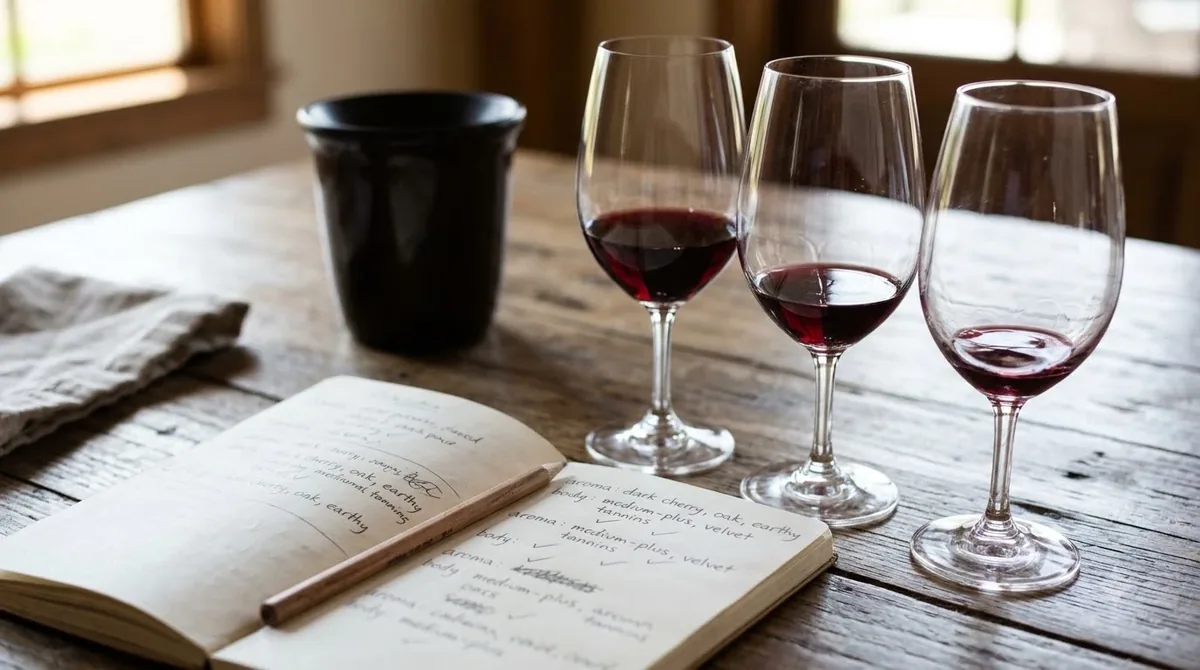
Take notes as you go. A short line for each wine, covering color, aroma, acidity, and finish, will help you remember which bottles you liked and why. Many visitors find that their notes are the most useful souvenir from a trip, especially when they want to buy a bottle later or ask a shop for a similar style.
How to Choose a Winery to Visit
Start with your interests. If you enjoy learning how the wine is made, look for producers that offer tours of the vineyard or the winemaking area. If you prefer a relaxed afternoon, pick a property with outdoor seating and a menu of light snacks. Many visitors also like wineries that host live music or seasonal events, but those can be busy on weekends, so check the calendar before you go.
Weather also plays a role. Mountain roads can be slippery in winter, and some outdoor patios close when temperatures drop. Check the forecast and the property’s seasonal hours before you plan an outdoor tasting, and keep a backup indoor stop on your route in case conditions change.
Think about the setting as well. Some producers sit on large estates with long drives and views of the surrounding hills, while others are tucked into small valleys and feel more private. Neither style is better in general, so choose the one that fits your group. Families with children should check whether the property allows them in the tasting area and whether it has space for them to play outside.
Frequently Asked Questions
Are there vineyards near Asheville?
Yes. The surrounding mountain region has a number of vineyards and tasting rooms, and the North Carolina Wine site lists producers by region, AVA, and trail so you can find ones near the city.
Do I need reservations for a tasting?
Policies vary. Many producers accept walk-ins during open hours, but some require reservations for groups, tours, or events, especially on weekends and during the fall harvest season. Check each property’s website before you go.
How do I plan a wine trail day?
Pick a trail or region on the North Carolina Wine site, choose three or four stops that sit within a short drive of each other, and confirm opening hours. Build in time for meals and water between tastings.
What wines are the area known for?
The region’s wines are varied, and producers make both whites and reds. Mountain sites often give bright, fresh wines, and tasting rooms usually offer a mix of single-variety bottles and blends.
Asheville is a good base for a wine day. Choose a trail, pick a few producers with different styles, and plan around opening hours and the season. Once you have tasted a few mountain wines, you will have a clearer sense of how the region’s climate and landscape shape what ends up in the glass.
More in Wine Regions
 Willcox Wine Trail: Discover Arizona’s High-Elevation Wine CountryUpdated Nov 20, 2026
 Yakima Valley Wine Region: Find the Best Styles to TryUpdated Nov 20, 2026
 Vosne Romanee Wine Tasting: Identify Aromas and Choose Better PairingsUpdated Nov 20, 2026
 Yakima Valley Wine Festival: Find the Best Seasonal Wine EventsUpdated Nov 20, 2026
 Wales Vineyards: Discover Cool-Climate Wines and Where to VisitUpdated Nov 20, 2026
 Yountville Wine Festival: Discover Napa Wines and Local FoodUpdated Nov 20, 2026