

We may earn a commission when you buy through links on this page, at no extra cost to you. Learn more.
The Aligoté grape is a white variety best known from Burgundy, where it makes dry, high-acid wines with green apple, citrus, and a mineral edge. It is the second most planted white grape in Burgundy after Chardonnay, and it is also the traditional base of the Kir cocktail. Aligoté wines are light, crisp, and meant to be drunk young and cold rather than aged.
This guide covers where Aligoté comes from, how it tastes, where it grows today, and how to serve and pair it at home. It also explains why this variety is often overlooked next to Chardonnay, and when an Aligoté is a better choice than a bigger white.
Where Aligoté Comes From
Aligoté is a white grape used mainly for dry white wines. It is especially associated with Burgundy, where it was first recorded in the 18th century. DNA fingerprinting identifies it as a cross of Pinot noir and Gouais blanc, which fits an origin in Burgundy or nearby eastern France. The grape’s tolerance of cold helps explain how it spread into Eastern Europe.
The variety was once a common partner for Chardonnay in Burgundy’s vineyards. Growers often planted the two together because Aligoté added acidity to the blend. Today the two are usually planted separately, and Aligoté tends to be pushed onto less productive slopes where its high acidity still ripens well.
How Aligoté Tastes
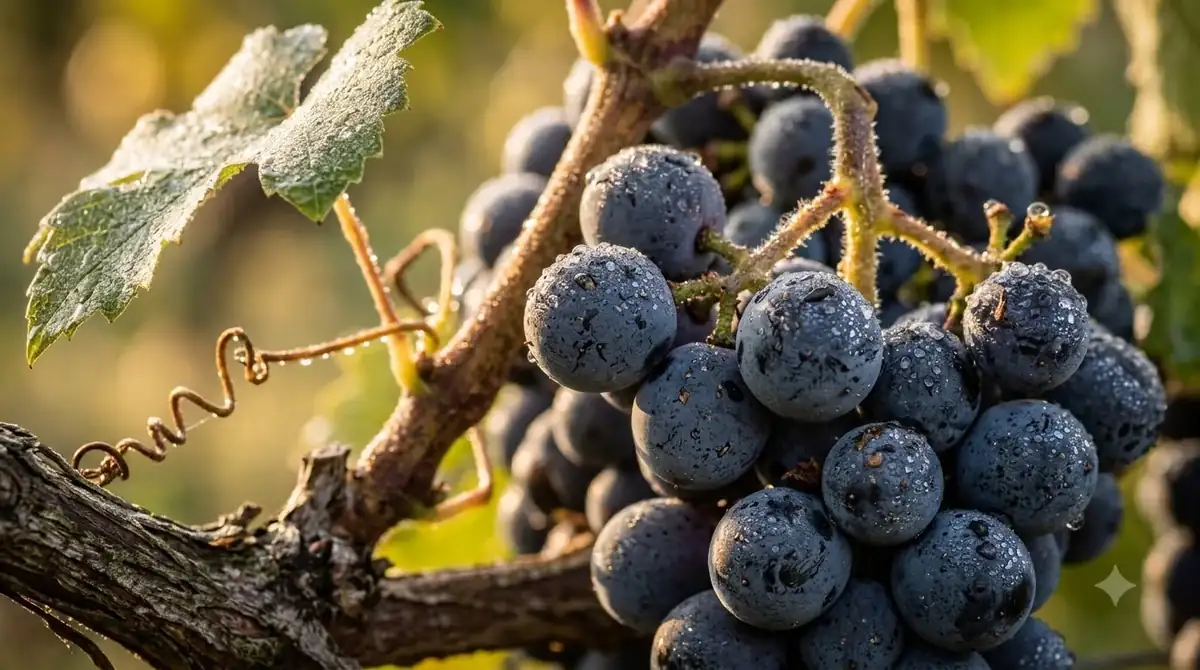
Aligoté is known for its high acidity. Wine Folly’s grape guide to Aligoté describes the wines as bone-dry, light-bodied, and free of tannin. The primary flavors often include apple, unripe peach, white flower, smoke, and fresh herbs. Citrus and green fruit notes are common, and many wines have a distinctly mineral edge that makes them feel fresh on the palate.
Because the wines are light and sharp, they can taste simple when they are served too warm or left open for several days. Cold service and fresh bottles keep the fruit lively. Alcohol levels typically fall in the 11.5 to 13.5 percent range, which is part of why Aligoté works so well as a lunchtime or early-evening white.
| Feature | Typical Aligoté | Compared with Chardonnay |
|---|---|---|
| Body | Light | Usually fuller |
| Acidity | High | Usually lower |
| Oak | Rarely used | Often used |
| Best age | Drink young, often within a few years | Many styles cellar longer |
| Typical alcohol | 11.5 to 13.5 percent | Varies widely by style |
Tip: Look for “Bourgogne Aligoté” on a label to find a wine made only from this grape. It is a good way to taste the variety on its own.
Where Aligoté Grows Today
Burgundy is the heartland. The region has about 1,700 hectares of Aligoté, compared with about 12,800 hectares of Chardonnay, so it remains a minor variety even there. Bourgogne Aligoté AOC is a varietal appellation made exclusively from this grape, with a yield limit of 60 hectoliters per hectare. The village of Bouzeron is considered the finest expression of the grape in the region, with a lower yield limit of 45 hectoliters per hectare.
Outside France, Aligoté is more widely planted than many drinkers expect. According to the same reference, Bulgaria grows more than twice the amount planted in Burgundy, mainly in Stara Zagora Province around Chirpan, where it is prized for blending and high acidity. Romania, Ukraine, Switzerland, and Moldova also produce it. Washington State grows it for its cold resistance, and California uses it mostly in blends.
How to Serve and Pair Aligoté
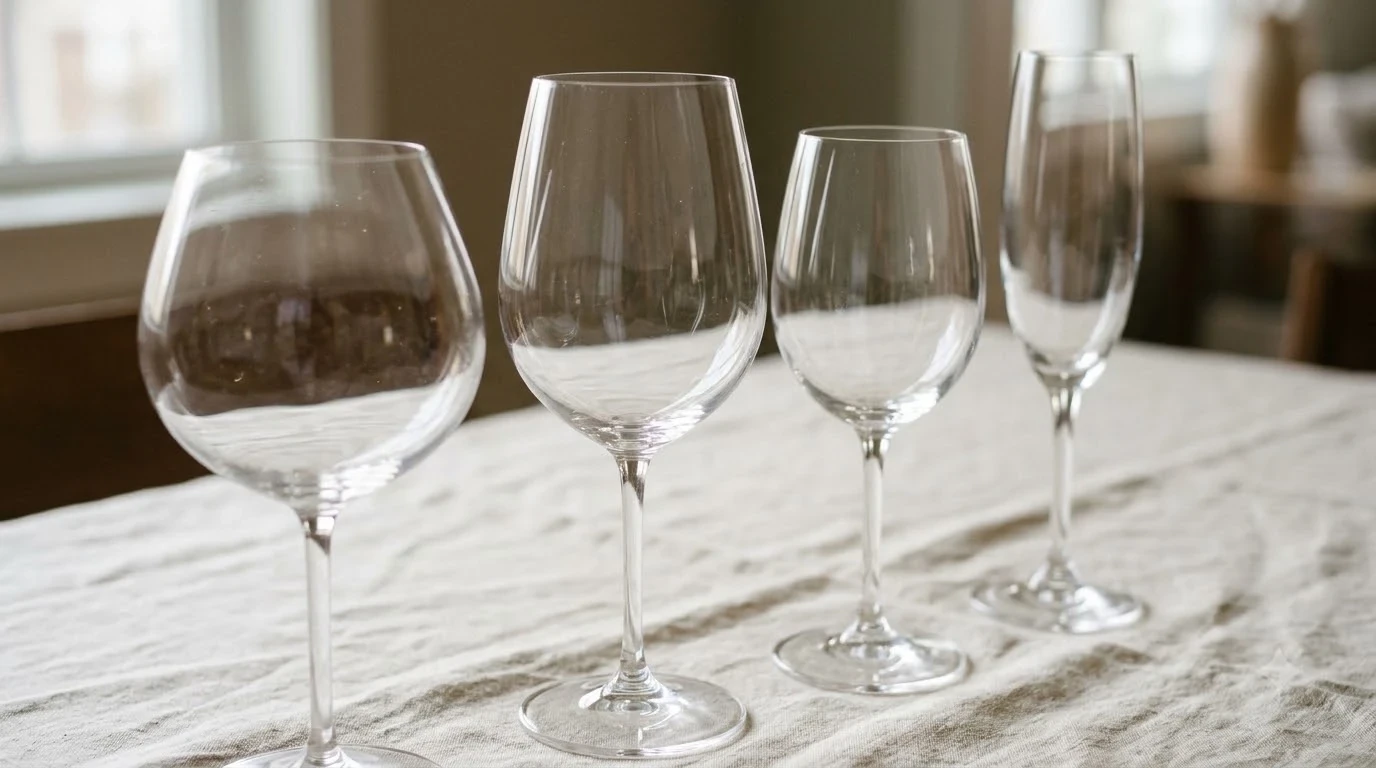
Serve Aligoté chilled, at around 45 to 55 degrees Fahrenheit (7 to 12 degrees Celsius), in a white wine glass. Do not decant it. Most bottles are meant to be opened and enjoyed within a few years of their release, although the acidity can keep some wines fresh for a little longer when stored cold.
Aligoté pairs well with fish, shellfish, vegetable soups, and fresh salads. Its acidity cuts through creamy dishes, which is one reason it works with cow’s-milk cheeses. Oysters, steamed mussels, and grilled white fish are classic partners, and a simple tomato or cucumber salad with herbs can make a very easy summer meal.
The Kir cocktail is the best-known use of the grape outside a glass. It combines Aligoté with a small measure of crème de cassis, a blackcurrant liqueur. The tartness of the wine balances the sweetness of the liqueur, and the result is a light aperitif that suits warm afternoons.
When you open a bottle for a meal, pour it into a standard white wine glass and keep the bottle in an ice bucket or the refrigerator between glasses. That simple habit preserves the bright fruit and keeps the wine from warming up too quickly on the table.
Tip: For a simple Kir, pour a small amount of crème de cassis into a glass and top it with cold Aligoté. Adjust the ratio to taste, since the wine should stay the main ingredient.
Aligoté also has a useful place on a dinner table. Its acidity makes it more flexible than many delicate whites, because it can handle lemon, vinegar, herbs, and salty snacks without tasting flat. That flexibility is one reason sommeliers often suggest it for meals with a wide range of dishes.
When you taste Aligoté side by side with a Chardonnay, the difference is easy to notice. The Aligoté tends to feel sharper and cleaner, with fruit that leans toward orchard and citrus notes. The Chardonnay often shows more texture and richness. Neither is better in general, but the comparison shows why Burgundy kept the two grapes in separate roles.
How to Choose an Aligoté
Start with the appellation. A Bourgogne Aligoté is a straightforward introduction, while a Bouzeron Aligoté is usually more concentrated and more expressive. Producers outside Burgundy may label the grape by name, so read the back label for the region and vintage before buying.
Check the producer too. Small estates in Burgundy often make Aligoté as a second wine or as a simple daily white, and their bottles can offer excellent value for the style. If you are shopping at a store with a limited selection, ask staff which producer they recommend for an everyday white. A bottle that is fresh and well stored will show the grape’s character far better than an old one.
Consider the vintage as well. Because Aligoté is a crisp, fresh style, the most recent release is usually the best choice. If you are buying a bottle to keep for a year or two, check whether the producer recommends aging it.
Frequently Asked Questions
What does Aligoté taste like?
Aligoté is dry, light-bodied, and high in acidity. Common flavors include green apple, unripe peach, white flower, citrus, and a mineral edge.
Is Aligoté the same as Chardonnay?
No. Aligoté is a separate grape variety. It is often planted alongside Chardonnay in Burgundy, but it is lighter, sharper, and usually less oaked.
What is Aligoté used for in cocktails?
The best-known use is the Kir, which combines Aligoté with crème de cassis. The wine’s acidity balances the sweetness of the liqueur, which is why it is a traditional choice.
How should I serve Aligoté?
Serve it chilled in a white wine glass, and do not decant it. Pair it with fish, shellfish, fresh salads, and creamy cheeses for the best match.
Aligoté is a good choice when you want a white wine that is fresh, dry, and easy to pair with food. For more background on other white varieties, the Assyrtiko grape and Pecorino grape guides cover two other high-acid whites, and the Wine by Type section groups the main styles for easy comparison.
More in Wine Types & Grapes
 Zinfandel Sugar Content: Dry Red vs. White Zinfandel GramsUpdated Nov 21, 2026
 Best Zinfandel Substitute Options for Sipping and CookingUpdated Nov 21, 2026
 Zweigelt Food Pairing: Best Dishes, Cheeses, and Serving TipsUpdated Nov 21, 2026
 Zinfandel Tannins Explained: How Structure Shapes Every BottleUpdated Nov 21, 2026
 Zinfandel Sweetness Level: Dry Red vs. Sweet White Zin ExplainedUpdated Nov 21, 2026
 Xinomavro Food Pairing: Best Dishes, Styles, and Serving TipsUpdated Nov 21, 2026