

We may earn a commission when you buy through links on this page, at no extra cost to you. Learn more.
Verdicchio wine is a dry white from Italy’s Marche region, known for medium-high acidity, a light body, and flavors of peach, lemon curd, and almond skin. Its alcohol usually falls between 11.5 and 13.5 percent, and it is best served well chilled. It is a natural choice for an aperitif or a table with savory, lightly rich food.
Verdicchio is one of those Italian whites that many shoppers pass over, even though it offers a clean, food-friendly style at a good level of freshness. This guide covers where it comes from, how it tastes, how to serve it, and what to eat with it, so you can decide whether it belongs in your wine rack.
Where Verdicchio Grows
Verdicchio is a white wine grape from the Marche region of central Italy, which is where the grape is grown primarily. The region sits along the Adriatic coast, and its wines have long been valued for freshness and a sense of place. Verdicchio is closely tied to its home region, so the label often tells you a great deal about the style inside the bottle.
Because the grape has a strong regional identity, you will usually find it described by its origin in the Marche. That makes it a good example of how Italian wines are often named after the place where they are made rather than after the grape alone.
Flavor and Style of Verdicchio
Verdicchio tends to show peach, lemon curd, and almond skin on the palate. Many bottles also carry a slightly oily texture and a saline note that gives the wine a sense of minerality. The overall impression is clean and dry rather than sweet or heavy.
The body is light, and the acidity is medium-high, which is why the wine can feel lively and refreshing. That balance is one reason Verdicchio can work with a wide range of dishes without overwhelming them. It is not a wine that tries to dominate the table.
| Feature | What to expect with Verdicchio |
|---|---|
| Style | Dry and light-bodied |
| Acidity | Medium-high, bright and fresh |
| Alcohol | Typically 11.5 to 13.5 percent ABV |
| Fruit | Peach and lemon curd |
| Finish | Saline and almond-skin character |
How to Serve Verdicchio
Verdicchio is best served well chilled. The recommended serving temperature is around 38 to 45 degrees Fahrenheit, or about 3 to 7 degrees Celsius. At that range the acidity stays crisp, and the fruit and salinity come through without the wine tasting flat or thin.
A standard white wine glass suits the style. The slightly narrower bowl keeps the aromas focused and helps the wine show its freshness. Pour a modest amount, since a light wine can warm quickly in the glass during a long conversation.
Keep the bottle cold while you serve. An ice bucket or a fridge door works well, and returning the bottle to the fridge between pours helps maintain the temperature that makes Verdicchio shine.
Plan ahead for the chill. A bottle needs a reasonable amount of time in the fridge to reach the target range, so putting it in a few hours before guests arrive is more reliable than rushing it at the last minute. If you are short on time, an ice bucket with water and ice will bring the wine down quickly, and you can pull the bottle out once it is cool enough to pour.
Once opened, keep the bottle sealed and chilled between glasses. A light white with bright acidity is most lively when it stays cold, and a fresh pour will always taste better than one that has been sitting on the table as the evening warms up.
Food Pairing with Verdicchio
Verdicchio works well as an aperitif. The Wine Folly grape profile lists Marcona almonds, prosciutto, savory tarts, potato-and-cheese puff pastries, quiche, and savory soufflés as good matches. Those foods share a lightly rich or salty character that the wine’s acidity cuts through cleanly.
For a full meal, look at the weight of the dishes. Light seafood, fresh herbs, and simple roasted vegetables are natural partners because the wine complements them without overpowering their flavor. A creamy pasta with a little lemon can also work well, as the acidity brings the dish into balance.
Verdicchio is generally a better match for delicate and savory foods than for heavy sauces or big red-meat dishes. If you are unsure, pick a plate that has some salt, some fat, and a touch of acidity, and the wine will likely fit in.
Seafood is one of the most natural partners. Grilled white fish with a squeeze of lemon, shellfish with herbs, and simple fried calamari all share the bright, saline quality that echoes the wine. Dishes built around olive oil and fresh vegetables tend to show the same balance, since the acidity lifts the oil without clashing with it.
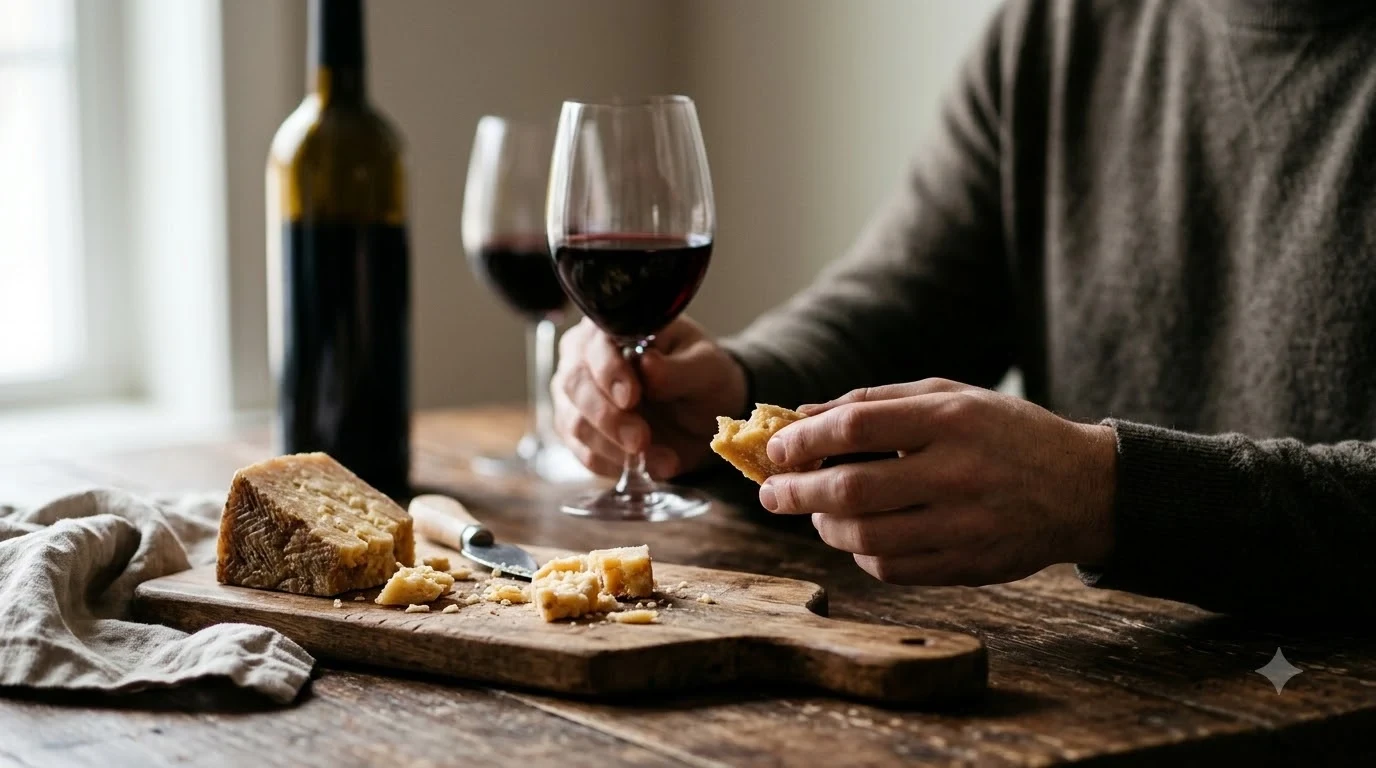
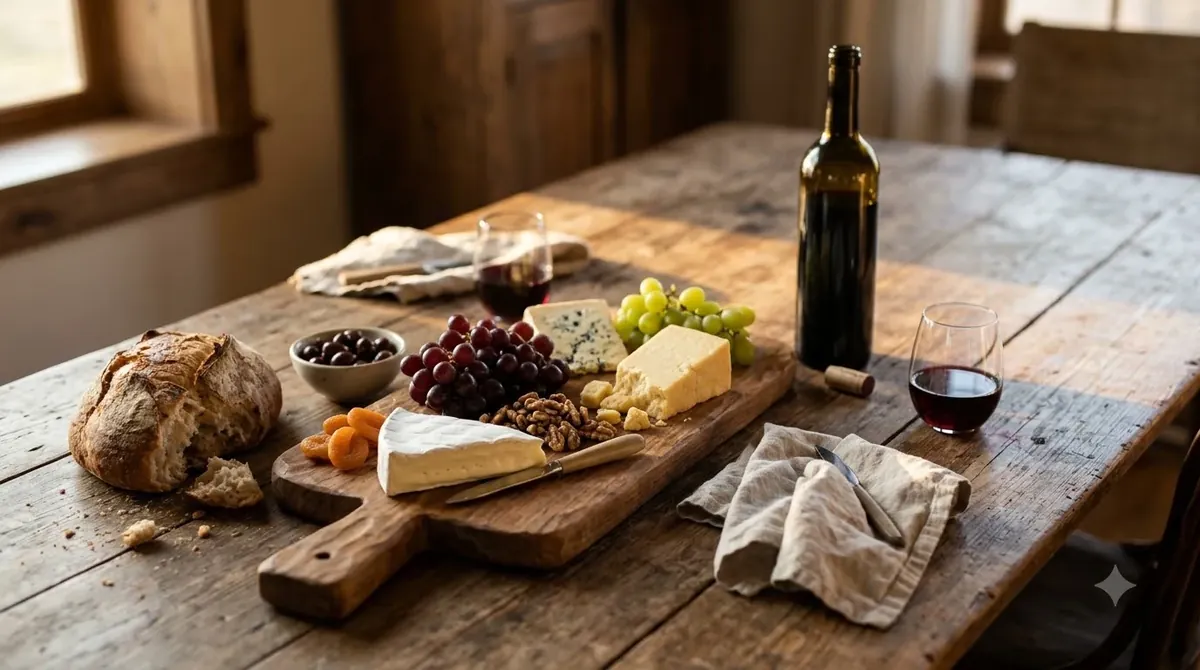
Cheese can work too, particularly soft and fresh styles that are not too pungent. Pairing a mild cheese with almonds and a few olives makes a simple board that keeps the focus on the wine.
For another look at how acidity and body guide pairing choices, the Wine by Type guide covers the main families of wines. You can also compare the freshness of this style with assyrtiko grape, another crisp white that shows how bright acidity can suit a wide range of food.
How to Choose a Verdicchio
When you shop for Verdicchio, start by reading the label for the region and the producer. Those details help you judge the style, from lighter and more floral to richer and more textured. A bottle that mentions freshness or crispness is likely to show the grape’s acidity clearly.
If you are comparing it with other whites, remember that Verdicchio is usually lighter in body than many well-known styles. That makes it a good choice for warm days, casual dinners, or a glass before a meal. It is also a practical pick when you want a white that does not overwhelm the table.
Vintage and producer style also matter. Some Verdicchio is made to be bright and early-drinking, while others are built with a little more texture from time on the lees. Reading the producer notes will tell you which direction the bottle has taken, and that helps you match it to the occasion.
Check how the wine is described on the back label, too. Words such as dry, crisp, or saline point toward the classic style, and those are the signals to look for if you want the most traditional expression of the grape.
Tip: Serve Verdicchio with a snack spread of almonds, cured meat, and soft cheese. The wine works well as a starter and keeps the palate fresh between bites.
Frequently Asked Questions
Where does Verdicchio come from?
Verdicchio is a white wine grape grown primarily in the Marche region of Italy. The region’s wines are known for freshness and a clear sense of place.
Is Verdicchio a sweet or dry wine?
Verdicchio is typically a dry white wine with a light body and medium-high acidity. Check the label or the producer’s notes if you want to confirm the exact style of a particular bottle.
How much alcohol is in Verdicchio?
Most Verdicchio falls between 11.5 and 13.5 percent ABV. The figure on the bottle is the most reliable guide for a specific wine.
What temperature should Verdicchio be served at?
Serve it chilled, around 38 to 45 degrees Fahrenheit, or about 3 to 7 degrees Celsius. That range keeps its acidity crisp and its fruit lively.
Verdicchio is a versatile white that rewards a little attention to temperature and food. Pick a bottle from the Marche, chill it well, and pair it with savory snacks or light dishes for a clean, refreshing glass.
More in Wine Types & Grapes
 Zinfandel Sugar Content: Dry Red vs. White Zinfandel GramsUpdated Nov 21, 2026
 Best Zinfandel Substitute Options for Sipping and CookingUpdated Nov 21, 2026
 Zweigelt Food Pairing: Best Dishes, Cheeses, and Serving TipsUpdated Nov 21, 2026
 Zinfandel Tannins Explained: How Structure Shapes Every BottleUpdated Nov 21, 2026
 Zinfandel Sweetness Level: Dry Red vs. Sweet White Zin ExplainedUpdated Nov 21, 2026
 Xinomavro Food Pairing: Best Dishes, Styles, and Serving TipsUpdated Nov 21, 2026