

We may earn a commission when you buy through links on this page, at no extra cost to you. Learn more.
How long does champagne last unopened? An unopened bottle of champagne can keep for several years when it is stored well. The official Champagne region guidance says the wine can be kept for “several more years,” with no fixed maximum, as long as the bottle stays at a steady cool temperature, away from light, vibration, and strong odors. Once a bottle is opened, the bubbles fade quickly, so it should be finished within a day or two. Storage temperature and stability matter most.
Many people buy a bottle of Champagne for a celebration and then wonder how long they can wait before drinking it. The answer depends on how the bottle is stored, and on whether it has been opened. This guide explains how long an unopened bottle keeps, what storage conditions help, how to chill it for serving, and how long an opened bottle stays good.
How Long Unopened Champagne Keeps
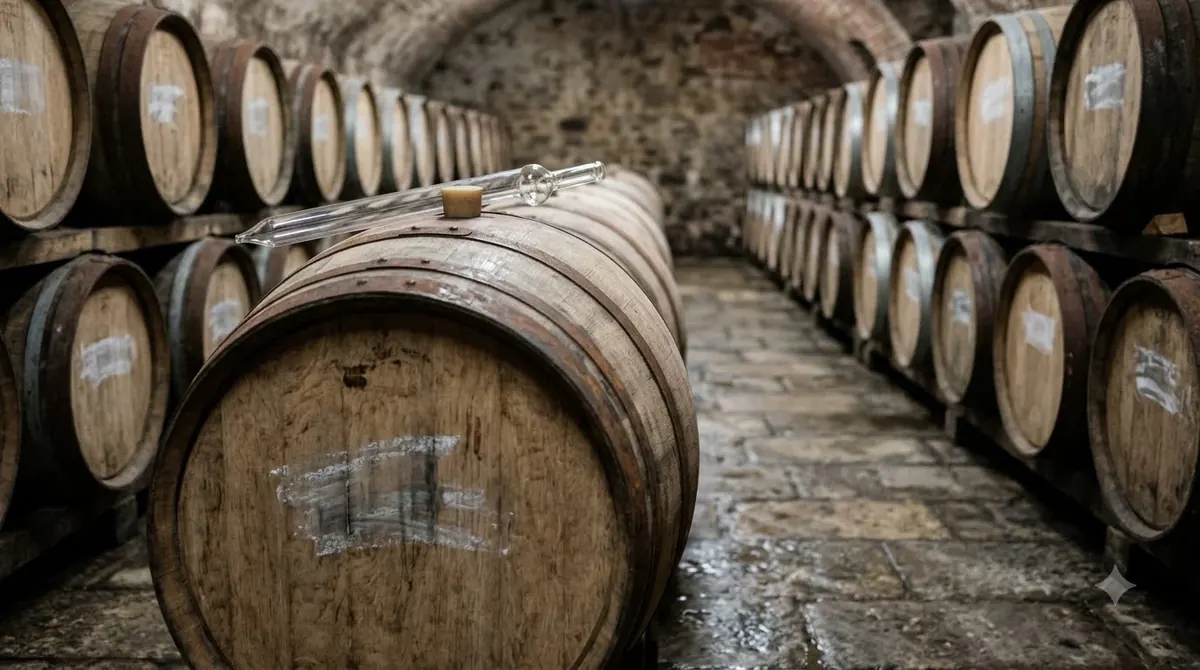
Champagne is already aged when it reaches a shop, because producers hold their wines in cellars for months before release. The region’s guidance notes that the wine has spent time maturing before you buy it, which is why most bottles on shelves are ready to drink. Once you take the bottle home, it can continue to develop slowly if the storage is right.
The region’s site states that an unopened bottle can be kept for several more years and does not give a maximum shelf life. In practice, many non-vintage bottles are meant to be enjoyed within a few years of purchase, while vintage Champagnes from good years are often kept longer. A bottle that has been stored badly, for example in a hot kitchen or beside a radiator, may lose freshness much sooner, so storage matters more than the calendar.
The Best Storage Conditions
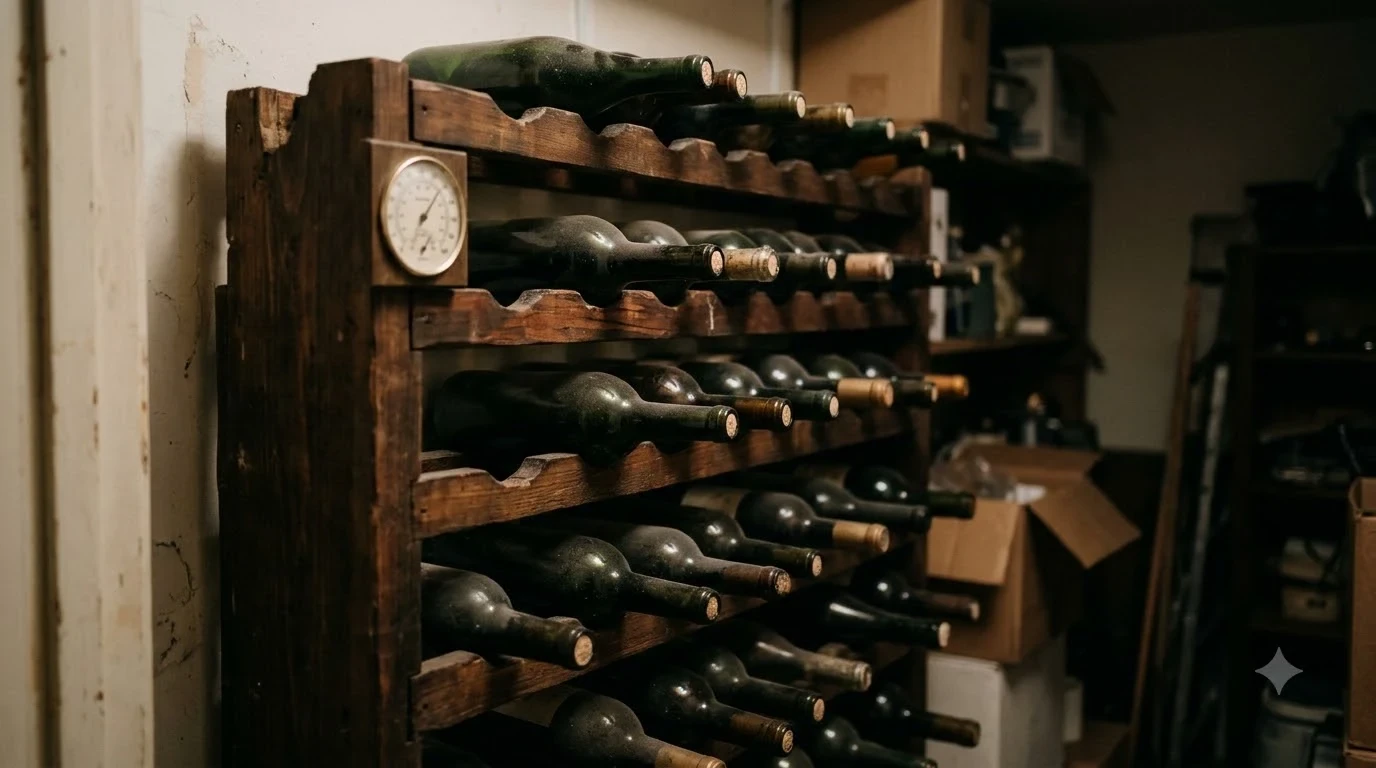
According to the Champagne region’s preparation guidance for drinking Champagne, a bottle should be kept in a cool place at a constant temperature between 10 and 15 degrees Celsius. Humidity should be high and steady, in the range of 60 to 80 percent, and the storage space should be well ventilated. Stability is the key point: swings in temperature cause more damage than a slightly cool room. A bottle that sits in one steady spot for a long time is usually in better shape than one moved around every few weeks.
Light, vibration, and odors are the other main concerns. The bottle should be shielded from light, kept away from machinery or appliances that vibrate, and stored where it will not pick up smells from paint, cleaning products, or strong foods. A closet, a cellar, or a dedicated wine fridge set to the right temperature usually works well.
| Condition | Recommended guidance | Why it matters |
|---|---|---|
| Temperature | Constant, 10 to 15 degrees Celsius | Stable cool storage slows aging and keeps the wine fresh |
| Humidity | 60% to 80% | Helps keep the cork from drying out |
| Light | Shielded from light | Light can damage the wine over time |
| Vibration | Kept still | Constant movement can disturb the wine |
| Position | Upright or on its side | Either works for an unopened bottle |
Tip: If you do not have a cellar, keep the bottle in the coolest, darkest room in the house and away from the oven, dishwasher, and any window that gets direct sun. Consistency matters more than perfection.
Serving Champagne at the Right Temperature
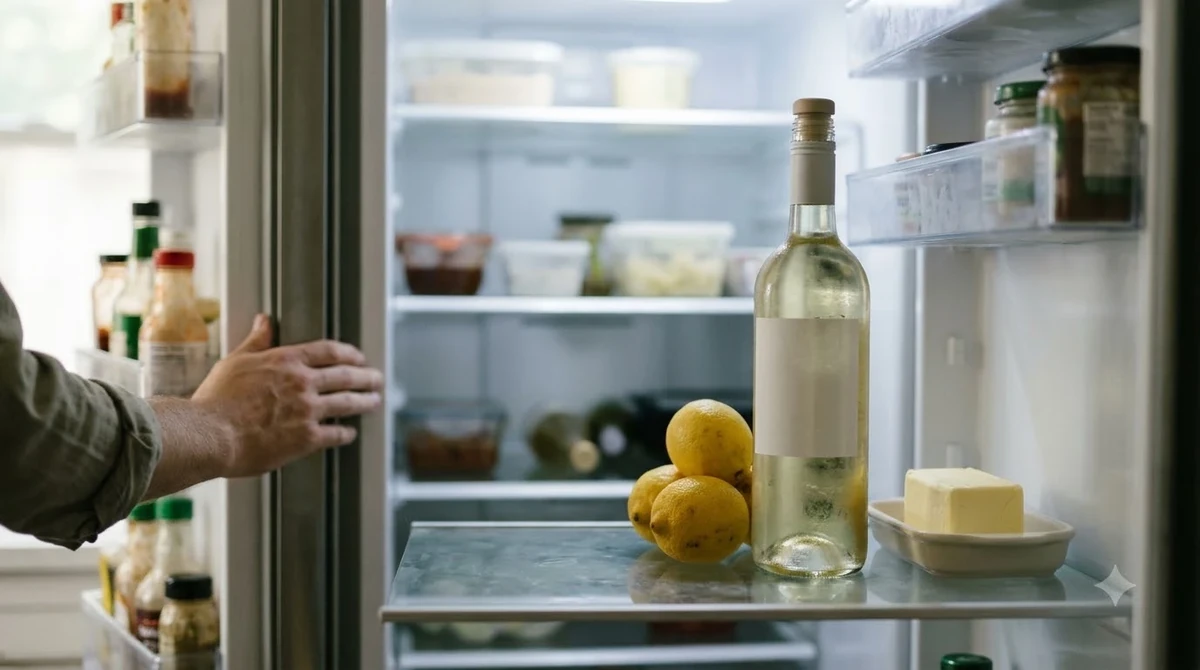
Once the bottle is ready to open, it needs to be chilled. The region’s guidance gives an ideal serving temperature of about 8 to 10 degrees Celsius. To reach that, place the bottle in an ice bucket filled with water and ice for 20 to 30 minutes, or put it in the bottom of the refrigerator a few hours before you plan to open it.
Cold Champagne tastes crisp and lively, while a bottle served too warm can taste flat and heavy. Chilling also makes the bottle easier to open safely, because the pressure inside is lower when the wine is cold. Take the bottle out of the ice a few minutes before pouring if you want more aroma to come through.
How Long an Opened Bottle Lasts
The region’s guidance is direct on this point: once opened, a bottle of Champagne will not keep for long. The bubbles are the first thing to go, and a bottle that has been open for more than a day will usually taste flat. Wine that loses its carbonation also loses much of its freshness.
To keep leftover wine as long as possible, reseal it with a stopper designed for sparkling wine and store it in a cool place. Regular wine stoppers are not made to hold the pressure, so a standard cork will not keep the bubbles. The guidance also notes that putting a spoon in the neck of the bottle does not preserve the wine, which is a common myth. A proper sparkling wine stopper is the better option if you want to save a few glasses for the next day.
Whether the bottle is stored upright or on its side makes no difference once it is open, so choose whatever fits your refrigerator best.
Champagne Styles and How Long They Last
Non-vintage Champagne is a blend of wines from several years, and it is designed to taste consistent from bottle to bottle. Vintage Champagne comes from a single harvest in a good year and is often held longer before release. Both types follow the same storage rules, but a vintage bottle with a strong reputation may reward patience, while a non-vintage bottle is usually meant to be enjoyed sooner.
Rosé and sweeter styles follow the same general guidance. The sugar level does not change how the bottle should be stored, but the fruit flavors in a sweeter style can fade faster once opened. If you are holding a special bottle, check the producer’s website for specific advice on the style.
For a closer look at how a Champagne tastes and how its style shapes the glass, read what does champagne taste like, which explains the main flavor notes and how they change with age.
Frequently Asked Questions
How long does unopened Champagne last?
An unopened bottle can keep for several years when stored at a steady 10 to 15 degrees Celsius, away from light and vibration. The Champagne region does not give a fixed maximum shelf life.
How long does Champagne last after opening?
Opened Champagne loses its bubbles quickly and does not keep for long. Reseal it with a sparkling wine stopper, store it in a cool place, and finish it within a day or two for the best taste.
Can I keep Champagne in the refrigerator?
Yes, a refrigerator works well for chilling a bottle before serving, and a few hours in the bottom shelf is enough. For long-term storage, a cool, steady wine fridge or cellar is a better choice than a regular kitchen fridge, which can run colder than ideal.
Does a spoon in the bottle keep Champagne fresh?
No. The Champagne region’s guidance says a spoon does not preserve the wine. A sparkling wine stopper is the reliable way to hold the pressure and keep the bubbles for a short time.
An unopened bottle of Champagne can wait for years when it is stored cool, still, and out of the light. Once it is open, drink it soon and use a proper sparkling stopper if you need to save any. For more on how Champagne is stored and served, read how long port lasts after opening for a comparison, or browse Wine by Type to see how other styles age.
More in Wine Types & Grapes
 Zinfandel Sugar Content: Dry Red vs. White Zinfandel GramsUpdated Nov 21, 2026
 Best Zinfandel Substitute Options for Sipping and CookingUpdated Nov 21, 2026
 Zweigelt Food Pairing: Best Dishes, Cheeses, and Serving TipsUpdated Nov 21, 2026
 Zinfandel Tannins Explained: How Structure Shapes Every BottleUpdated Nov 21, 2026
 Zinfandel Sweetness Level: Dry Red vs. Sweet White Zin ExplainedUpdated Nov 21, 2026
 Xinomavro Food Pairing: Best Dishes, Styles, and Serving TipsUpdated Nov 21, 2026