

We may earn a commission when you buy through links on this page, at no extra cost to you. Learn more.
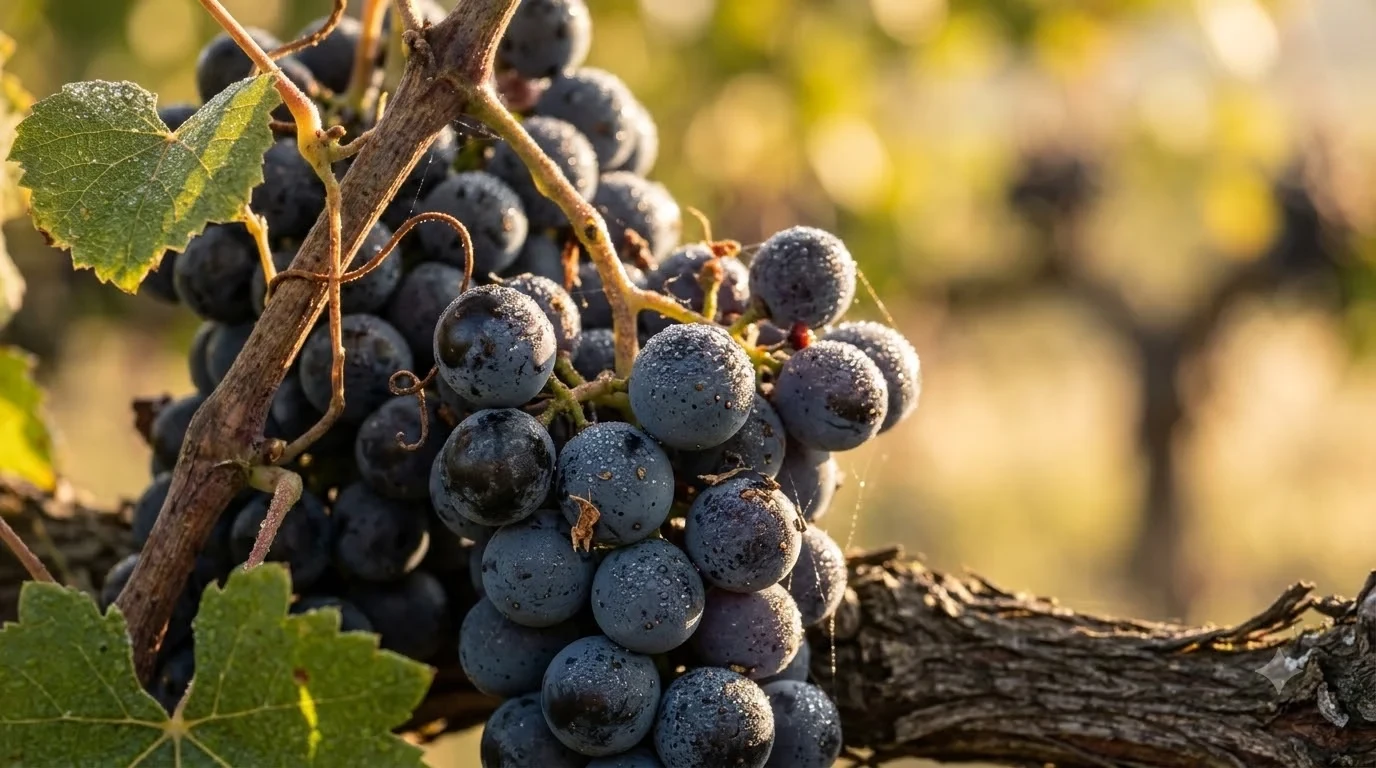
Orange wine is a white wine made from white grapes that ferment with their skins, and sometimes their seeds and stems, for an extended period. That skin contact gives it an amber or orange color, more texture, and more tannin than a typical white. Despite the name, orange wine contains no oranges; the color comes from the grape skins.
This guide explains what orange wine is, how it is made, where its traditions come from, what it tastes like, and how to serve and pair it. If you already know red and white wine well, orange wine is a useful bridge between the two, and it rewards a slightly more open mind about what a white wine can do.
What orange wine is
Orange wine is also called skin-contact or amber white wine. In conventional white winemaking, the juice is separated from the skins soon after the grapes are crushed, which keeps the wine pale and lean. Orange wine breaks that rule on purpose. The International Organisation of Vine and Wine describes it as white wine with maceration and sets the minimum maceration at one month. A detailed overview of the category is available in the orange wine reference entry.
The name is fairly recent. British importer David A. Harvey coined the term “orange wine” in 2004, as Georgian, Friulian, and Slovenian producers were drawing wider attention abroad. Most orange wines are made by natural or minimal-intervention producers, although the category is not limited to them.
How orange wine is made
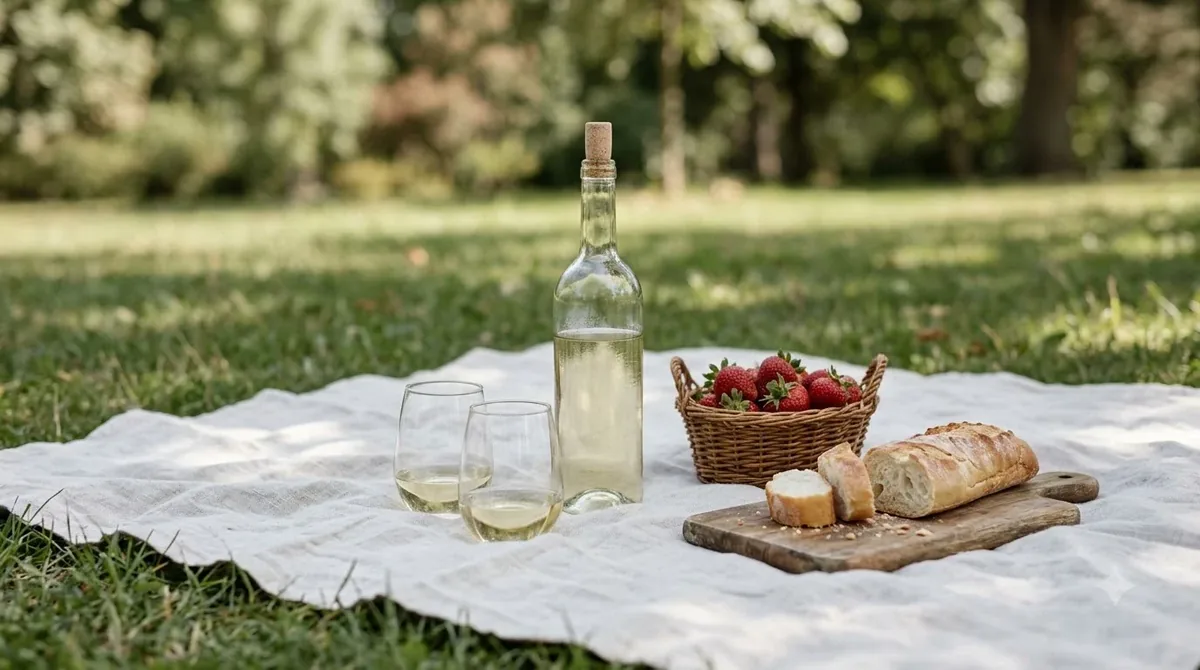
The basic method is simple: white grapes are crushed and left in contact with their skins. The longer the skins stay in the juice, the deeper the color and the firmer the structure. Winemakers control that contact time, and they also decide whether to include seeds and stems, which add tannin and bitterness.
Georgia offers two well-known approaches. In the Kakhetian method, seeds, skins, and stems go into fermentation, often for about six months, producing a deep amber wine. In the Imeretian method, about a third of the pomace is used and maceration typically runs 15 to 30 days, giving a lighter orange or yellow result. Both Georgian methods use qvevri, large clay vessels buried in the cellar that hold a steady cool temperature.
| Approach | Skin contact | Typical result |
|---|---|---|
| Conventional white | Separated soon after crushing | Pale, lean, aromatic |
| Imeretian (Georgia) | About 15 to 30 days | Lighter orange or yellow |
| Kakhetian (Georgia) | Often about six months, with seeds and stems | Deep amber, firm and textured |
Qvevri aging is the tradition most people associate with orange wine. Ancient in origin, it fits the broader idea that white wine can be fermented and aged like red. Modern producers outside Georgia use stainless steel, concrete, or oak, and many still macerate their whites for a shorter or longer period depending on the style they want.
Wine Folly’s overview of the category makes a similar point about the Georgian method. Grapes ferment in buried clay vessels with no added additives or cultured yeast, so the naturally occurring microorganisms drive the process. Skin contact supplies the tannin, and oxygen exposure contributes to the bruised-apple, honeyed, and nutty aromas that many tasters notice. The full article also covers serving and pairing, and it is worth reading alongside the sections above on orange wine methods.
A short history of skin-contact whites
Skin-contact winemaking is far older than the modern label. Georgian records describe qvevri winemaking thousands of years ago, and eighteenth- and nineteenth-century accounts describe skin-fermented white as the standard method for white wine across much of Kakheti, mostly sold in Tbilisi.
The tradition faded in the Soviet period, when industrial wineries moved toward European-style white winemaking and commercial qvevri production declined. It survived in family cellars and returned after Georgian independence in 1991. Friuli-Venezia Giulia and Slovenia kept similar practices alive for centuries, and Italian and Slovenian winemakers later revived them after importing qvevri from Georgia.
Italy had skin-fermented whites in common use until the 1950s and 1960s. When fresh, technically clean whites took over the market, those older styles were pushed aside, which is part of why orange wine feels new to many drinkers today.
What orange wine tastes like
Orange wine is not one flavor. The grape variety, the length of skin contact, and the winemaker’s choices all shape the glass. The skins carry pigments, phenols, and tannins that are normally unwanted in white wine, and extended contact brings them into the wine. The result tends to have more texture and grip than a crisp Pinot Grigio or Sauvignon Blanc.
Tasters often describe orange wines with dried fruit, tea-like notes, nuts, and spice, although the exact profile depends on the producer. Acidity usually stays bright, which helps balance the tannin. The best examples feel savory and structured rather than sweet, and they can age for years in the right conditions.
How to serve and pair orange wine
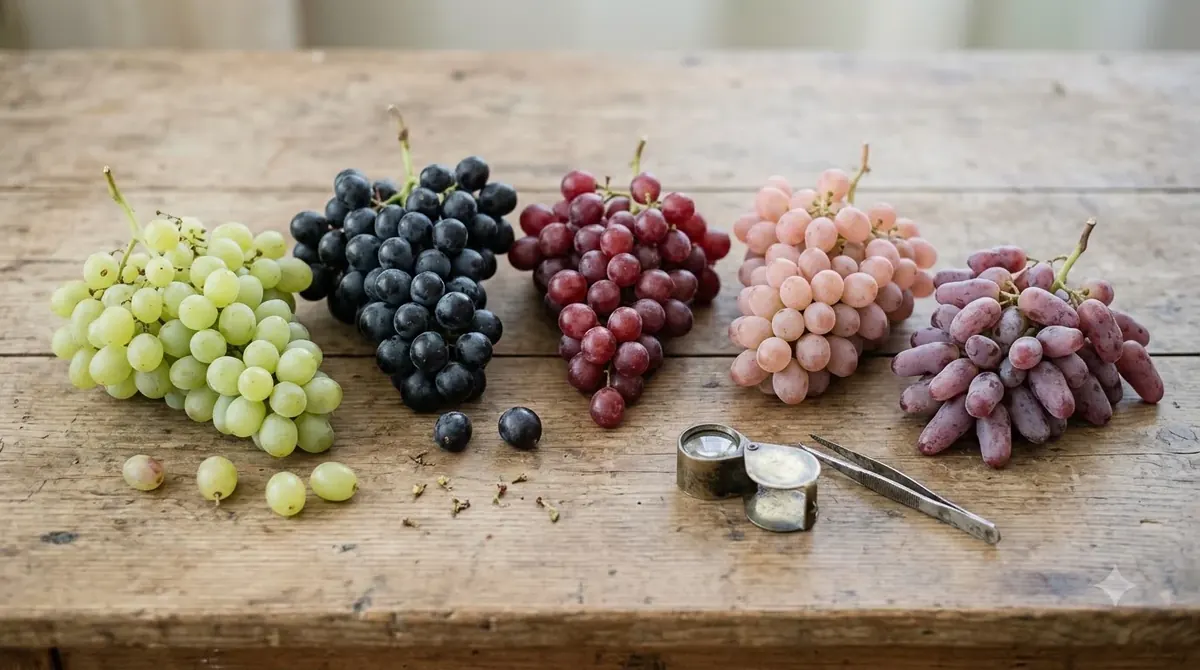
Orange wine benefits from a little more warmth than a light white and a little more chill than a heavy red. Serve it slightly cooler than room temperature, then let it open as it warms in the glass. A wide glass gives the aromas room to develop, which matters for a wine with this much character.
The food pairings are generous. One reference pairs orange wine with wild rice, orange sauce, duck breast, and roasted Brussels sprouts, a combination that works because the wine’s texture matches rich, roasted dishes. It also suits savory vegetables, fermented foods, soft cheeses, and spiced poultry, where a red might feel too heavy and a standard white too thin.
Where to find orange wine and how to choose a bottle
Orange wines come from Georgia, Friuli-Venezia Giulia, Slovenia, and increasingly from other regions where winemakers experiment with skin contact. If you are browsing a shop, look for the words “orange,” “amber,” or “skin contact” on the label or the shelf tag, and read the back label for the grape and the producer’s description of the method.
For a first bottle, pick a wine with a clear producer story and a style you can compare with something familiar. If you enjoy Italian whites, a Friulian orange wine is a natural next step; our Italy wine guide covers the regions in more detail. Those who already know structured reds may find more to like in a Georgian style, while a lighter, shorter-macerated wine works well for people who are new to the category.
Frequently Asked Questions
Is orange wine made from oranges?
No. Orange wine is made from white grapes. Its color comes from the grape skins that stay in contact with the juice during fermentation.
Is orange wine sweet?
Most orange wines are dry. They are defined by skin contact and texture rather than sugar, so they usually taste savory or fruity with firm grip rather than sweet.
Is orange wine the same as rosé?
No. Rosé is usually made from red grapes with a short skin contact, while orange wine is made from white grapes with a longer contact. The result is a different color, texture, and flavor profile.
How long does orange wine keep?
Many orange wines are meant to be enjoyed within a few years, but structured examples can age longer. Check the producer’s notes on the label, and store bottles cool and out of direct light.
Orange wine is a good example of how a single winemaking decision can change a whole category. If it interests you, start with one bottle, compare it with a standard white, and then explore the wine regions where skin-contact winemaking has the longest history.
More in Wine Regions
 Willcox Wine Trail: Discover Arizona’s High-Elevation Wine CountryUpdated Nov 20, 2026
 Yakima Valley Wine Region: Find the Best Styles to TryUpdated Nov 20, 2026
 Vosne Romanee Wine Tasting: Identify Aromas and Choose Better PairingsUpdated Nov 20, 2026
 Yakima Valley Wine Festival: Find the Best Seasonal Wine EventsUpdated Nov 20, 2026
 Wales Vineyards: Discover Cool-Climate Wines and Where to VisitUpdated Nov 20, 2026
 Yountville Wine Festival: Discover Napa Wines and Local FoodUpdated Nov 20, 2026